Sheet Metal Manufacturing Blog

Practical insights, technical guides and industry knowledge to help you design better parts and manufacture with confidence.

Browse Manufacturing Topics

Explore our in-depth resources by topic and find the information you need.

Fabrication

Cutting, bending, welding and assembly processes.

CNC

CNC machining, milling, turning and best practices.

Enclosures

Design and manufacturing of metal enclosures.

Materials

Metals, alloys and material selection guides.

Finishing

Surface treatment, coating and finishing options.

DFM

Design for manufacturability tips and guidelines.

Applications

Real-world applications across different industries.

Latest Manufacturing Articles

In-depth guides to help you make better design and manufacturing decisions.

structural steel fabricators

What is Structural Steel Fabrication: A comprehensive guide

Structural steel fabrication is cutting, shaping, and assembling steel to make load-bearing components. These parts form the framework of buildings, factories, and other large projects.

The process includes detailed planning, precision work, and skilled labour. It ensures that every beam, column, or plate is ready to handle the weight and forces it will face.

Read More »
Cold Stamping process

Cold Stamping 101: A Comprehensive Guide

Cold stamping is also known as cold forming. It’s a metalworking technique where metal sheets are formed into desired shapes at room temperature. High pressure is used to press the metal into a set of dies, creating intricate parts without heating. It is popular in industries such as automotive and electronics because of its cost-effectiveness and speed.

Read More »
difference between iron and steel

Difference Between Steel and Iron in Manufacturing

The main difference between steel and iron comes down to carbon content. Steel contains less than 2% carbon, making it highly ductile and ideal for CNC machining and sheet metal fabrication. Cast iron contains more than 2% carbon, making it exceptionally hard and vibration-absorbent, but too brittle for bending or stamping.

Read More »
climb vs conventional milling

Climb Milling Vs Conventional Milling: What Are The Differences?

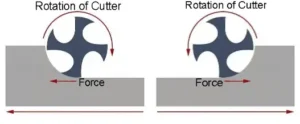
Climb milling moves the tool in the same direction as the feed, while conventional milling cuts in the opposite direction. Climb milling gives a better surface finish and tool life, while conventional milling works better for older machines or roughing. Both methods have different benefits. You choose based on machine type, workpiece setup, and finish requirements.

Read More »
pad printer

What is Pad Printing? What You Need to Know

Pad printing is a printing method used to apply 2D images onto 3D objects. It works through an indirect process. A soft silicone pad picks up ink from an engraved plate and presses it onto the surface of a product. The plate, also known as a cliché, holds the image. The pad transfers the image by wrapping around the shape of the object.

Read More »
powder coating vs anodizing

Anodized vs Powder Coat: Which is Best for Your Project?

Anodizing creates a protective oxide layer on the metal surface, offering exceptional durability and corrosion resistance. It’s ideal for aluminum parts, enhancing both aesthetics and functionality. Powder coating provides a thicker finish with various colors and textures, suitable for metals like steel and aluminum. Each method has strengths and depends on your specific requirements.

Read More »
laser cutting machine cost

Laser Cutting Cost: What Affects the Final Quote

Materials, thickness, machine type, and job complexity influence laser cutting costs. Generally, the more intricate the design and the thicker the material, the higher the price. By understanding these variables, you can plan your project more accurately and reduce surprises in pricing.

Read More »
spot welding

What is Spot Welding and How Does It Work?

Spot welding is a type of resistance welding used to join metal sheets. It works by applying heat at the contact points between two pieces of metal. This heat is created when a large electric current passes through the metal. The heat melts the metal at the contact point and forms a weld.

The process uses two copper alloy electrodes. These electrodes focus the current on a small spot while applying pressure to hold the metal sheets together. The pressure keeps the sheets in place during welding. Spot welding is typically used on sheets 0.5 to 3 millimeters thick.

Read More »

Get Your Free Custom Quote Today

Expert engineering support for your next project

Fast Response

Quote within 24 hours

DFM Support

Design To Make

Quality Assured

ISO 9001:2015 certified

No Minimum Order

From prototype to production

No commitment required • 100% Free consultation

Ask For A Quick Quote

We will contact you within 1 working day, please pay attention to the email with the suffix”@goodsheetmetal.com”

Didn't Find What You Want? Talk to Our Director Directly!