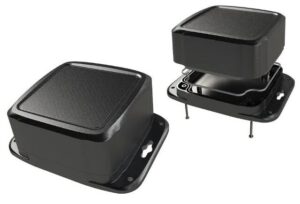
Waterproof Enclosure Design: A DFM Guide
Designing a waterproof enclosure requires more than just adding a rubber gasket to a CAD model. When a design moves from prototyping to mass production,

Designing a waterproof enclosure requires more than just adding a rubber gasket to a CAD model. When a design moves from prototyping to mass production,
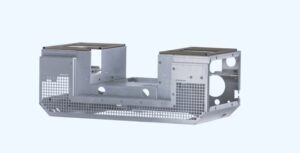
Medical equipment enclosures are not simple protective shells — they are interfaces that directly affect safety, sterility, longevity, ease of cleaning, and regulatory compliance. A
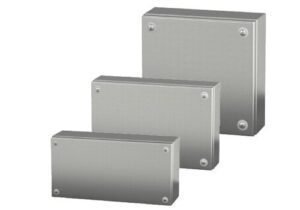
Choosing the right enclosure material isn’t just a preference — it determines durability, heat behavior, installation workload, corrosion life, and total operating cost over time.
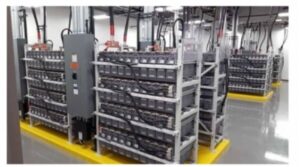
As renewable energy grows, energy-storage systems are becoming the structural and safety backbone of modern grids. Each battery cabinet or inverter housing depends on precisely
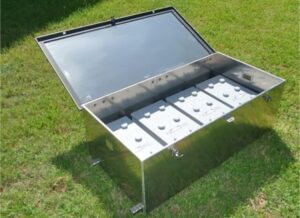
Battery enclosures protect energy systems from heat, vibration, and harsh environments. They also ensure electrical safety and consistent performance across years of operation. As industries
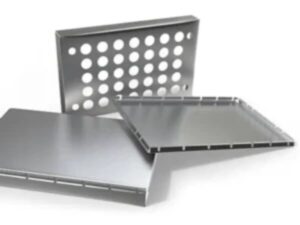
As electronic and power systems become smaller yet more powerful, controlling heat inside sheet metal enclosures has become a significant engineering challenge. Even a moderate
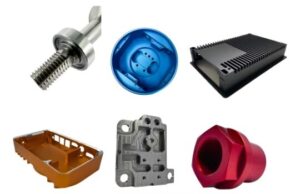
For most projects, the practical choices come down to three types of enclosures: die-cast, sheet metal, and CNC-machined. Each one can produce strong, reliable parts, but each behaves differently in precision, durability, thermal performance, cost structure, and scalability. There is no single “best” option. The correct answer depends on your environment, geometry, volume, and lifecycle.
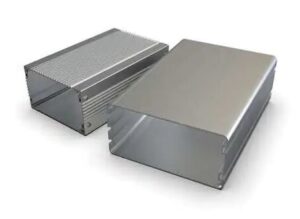
When you design a custom enclosure, one of your earliest and most valuable decisions is the metal you use. This choice affects almost every part
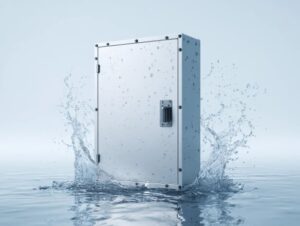
Water and debris can damage outdoor and industrial equipment. Even a small leak can harm electronics, reduce service life, and cause failures in real use.
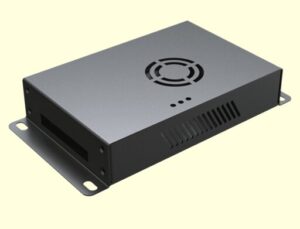
Sheet-metal enclosures protect essential electronics. However, they can also trap heat. When heat builds up with nowhere to go, the internal temperature can rise rapidly.
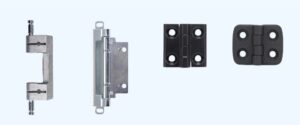
A hinge may look simple, but it controls how an enclosure performs every day. It shapes access, guides motion, supports load, and affects long-term reliability.
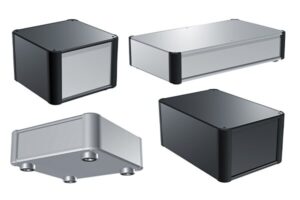
The sheet metal enclosure style has a significant impact on the product’s performance in the field. Each structure alters its strength, airflow, EMI behavior, and
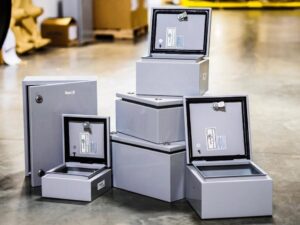
NEMA 1 and NEMA 12 are both types of industrial enclosures, but they serve different purposes. NEMA 1 protects against basic indoor dust and accidental contact. NEMA 12 offers better protection against dust, dirt, and dripping non-corrosive liquids. Your choice depends on where and how you plan to use the enclosure.
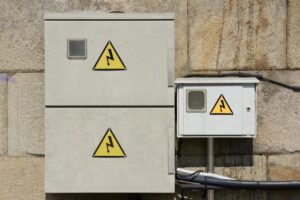
A NEMA rating is a classification system that indicates the level of protection an electrical enclosure provides against specific environmental conditions. These conditions may include exposure to water, dust, ice, or other factors that could harm electrical components. The ratings help manufacturers and designers select the appropriate enclosure for their equipment based on where it will be used.
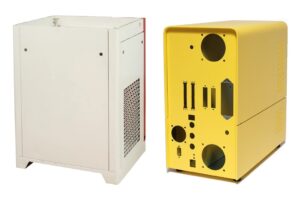
A sheet metal enclosure is a protective casing crafted from thin sheets of metal designed to safeguard sensitive electronic components and equipment. These enclosures are commonly made from materials like aluminum or stainless steel, which offer durability and resistance to environmental factors.
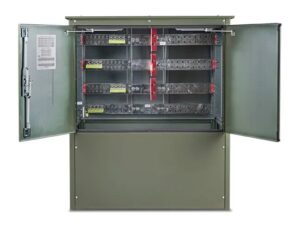
The electrical cabinet, a sealed enclosure designed to house electrical and electronic equipment, requires strategic placement. The ideal location depends on several factors, including accessibility for maintenance, protection from environmental hazards, and compliance with safety regulations. Proper placement enhances both equipment longevity and workplace safety.