BLOG

We regularly update articles related to the manufacturing industry.

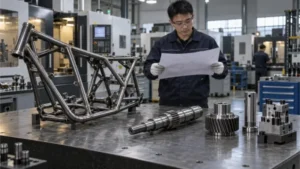
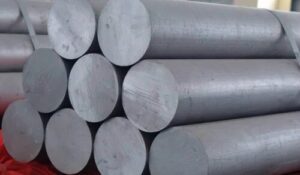
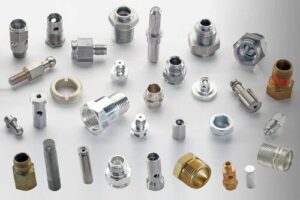
4130 Tubing and 4140 Machined Steel Parts

4140 vs. 4130 Steel: Machining, Welding, and Selection

The main difference between 4140 and 4130 steel is their carbon content. 4140 contains 0.40% carbon, providing higher strength and deeper hardenability. 4130 contains 0.30% carbon, offering superior weldability and toughness. Both are chromium-molybdenum (chromoly) alloys, but they serve completely different manufacturing needs.

Read More »
aluminum extrusion

6063 Aluminum: Properties, Applications, and Processes

6063 aluminum is one of the most common alloys in the 6000 series. It offers good strength, strong resistance to corrosion, and a smooth surface finish. Its mix of mechanical and chemical properties makes it popular in industries where both performance and appearance are essential.

Read More »
Stainless Steel Electrolytic Corrosion

Electrolytic Corrosion Stainless Steel: Causes, Prevention, and Solutions

Electrolytic corrosion happens when stainless steel breaks down under an electrical current in a wet or conductive setting. The current can come from contact with other metals, stray electricity, or charged particles in the environment. When this occurs, electrons move between different areas on the metal, creating an anode and a cathode. The anode loses material, which shows up as pits, cracks, or surface thinning.

Read More »
stainless steel vs brass

Brass vs Stainless Steel: What is the Difference?

Brass is a copper-zinc alloy well known for its easy machinability and natural resistance to corrosion. Because of these qualities, it is widely used in plumbing parts, decorative pieces, and electrical fittings. On the other hand, stainless steel is an iron-based alloy with chromium. It provides high strength, excellent durability, and strong resistance to rust and chemicals.

Read More »
ultimate tensile stress

Tensile Stress 101: Key Concepts Every Engineer Should Know

Tensile stress is the force applied to a material divided by its cross-sectional area. It shows how much pulling force acts on each unit of area. The standard units are pounds per square inch (psi) or megapascals (MPa). When the stress reaches a material’s tensile strength, the material will break.

Read More »
brass 360 vs 260

Brass 260 vs 360: Understanding Their Differences

Brass 260 is strong and resistant to corrosion. It is often used for drawn parts such as tubes and cartridges. Brass 360, on the other hand, is popular because of its excellent machinability. It works best for machined parts like valves, fittings, and hardware. The choice depends on how the part is made, the needed mechanical properties, and the project’s budget.

Read More »
aluminum vs galvanized steel

Galvanized Steel vs Aluminum: What’s the Differences

Galvanized steel is stronger and cheaper, making it suitable for heavy-duty applications. Aluminum is lighter, resists rust naturally, and is better for projects where weight matters. Both metals perform well in different environments, but the choice depends on specific needs such as strength, weight, and corrosion resistance.

Read More »
cast aluminum grades

Aluminum Grades: Types, Properties, and Applications

Aluminum grades are numbered series that group alloys by their central element. Each series offers different properties. For example, the 6000 series provides good strength and weldability. The right grade balances your needs for strength, corrosion resistance, and how easy it is to machine.

Read More »
CNC Milling Material

CNC Milling Material Guide: Pros and Cons of Common Options

When picking a material for CNC milling, you need to know your design’s needs, the part’s job, and your budget. Think about strength, machinability, cost, and how the part will be used. Then match those needs to what each metal or plastic can do. Good material choices save you time, money, and trouble.

Read More »
chrome steel vs stainless steel

Chrome vs Stainless Steel: What is the Difference?

Chrome is a metal coating that gives a shiny finish and protects against rust. Stainless steel is a solid metal mix that naturally resists corrosion and stains. Chrome looks bright and smooth, but it is just a thin layer on top of another metal. Stainless steel is tough all the way through and does not need extra coating. Both have unique uses and benefits, but their properties and costs differ.

Read More »
material 316l stainless steel

316L Stainless Steel: Properties, Fabrication, and Cost Guide

316L stainless steel is a low-carbon, molybdenum-bearing austenitic alloy designed for superior corrosion resistance and excellent weldability. The molybdenum protects against chlorides and pitting, while the maximum 0.03% carbon content prevents sensitization during welding, making it the standard choice for marine, pharmaceutical, and food processing applications.

Read More »

Ask For A Quick Quote

We will contact you within 1 working day, please pay attention to the email with the suffix”@goodsheetmetal.com”

Didn't Find What You Want? Talk to Our Director Directly!