Sheet Metal Manufacturing Blog

Practical insights, technical guides and industry knowledge to help you design better parts and manufacture with confidence.

Browse Manufacturing Topics

Explore our in-depth resources by topic and find the information you need.

Fabrication

Cutting, bending, welding and assembly processes.

CNC

CNC machining, milling, turning and best practices.

Enclosures

Design and manufacturing of metal enclosures.

Materials

Metals, alloys and material selection guides.

Finishing

Surface treatment, coating and finishing options.

DFM

Design for manufacturability tips and guidelines.

Applications

Real-world applications across different industries.

Latest Manufacturing Articles

In-depth guides to help you make better design and manufacturing decisions.

How to cut titanium

Cutting Titanium: Processes for the Shaping Industry in Detail

Cutting titanium requires specific methods because of its hardness and sensitivity to heat. Common techniques include laser cutting, water jet cutting, plasma cutting, CNC machining, and electrical discharge machining. Each method has advantages and challenges, so it’s important to select the right one based on your specific needs.

Read More »
Laser Cutting Stainless Steel

Laser Cutting Stainless Steel: A Comprehensive Guide

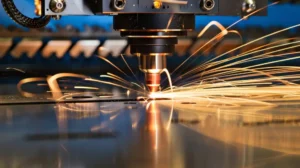
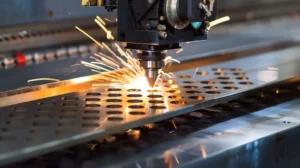
Laser cutting uses a concentrated laser beam to heat and melt the stainless steel, allowing for highly accurate cuts. The laser follows a computer-guided path, offering consistent, repeatable results.

This method is ideal for creating complex shapes and fine details, providing clean edges with minimal heat distortion. Laser cutting doesn’t physically touch the material, reducing wear on the tools and ensuring the process is efficient and precise.

Read More »
Sandblasting Aluminum Oxide technique

Sandblasting Aluminum Oxide: Techniques and Tips

Sandblasting aluminum oxide means using high-pressure air to shoot sharp aluminum oxide grains at a surface. These grains hit the surface and strip away rust, paint, or dirt. They also create a rough texture that helps paint or coatings stick better.

Read More »
painting anodized aluminum

How to Paint Anodized Aluminum Without Adhesion Problems?

Painting over anodized aluminum requires careful preparation to ensure the paint adheres and lasts. First, clean the surface thoroughly to remove any contaminants. Then, use a primer designed for metal, especially one suitable for anodized surfaces. This helps the paint stick better and extends the life of your paint job.

Read More »
polishing anodized aluminum

How to Polish Anodized Aluminum Like a Pro

Clean the anodized surface with a soft, soapy cloth and water. Rinse and then dry the surface. Apply a small quantity of high-quality metal polish to a microfiber towel and rub gently in circular motions. Remove any excess polish using a clean, dry cloth. Finish with a silicone spray and buff lightly to increase the shine.

Read More »
custom metal parts fabrication

Custom Metal Parts Manufacturing: Key Processes Explained

Metal fabrication involves turning raw metal into useful parts or structures through cutting, bending, welding, and assembling. It plays a key role in the manufacturing, construction, and engineering industries.

The process includes several steps, each contributing to the final product. Whether making small, detailed pieces or large structural elements, metal fabrication is essential for creating high-quality, functional products from metal.

Read More »
cutting aluminum

How To Cut Aluminum Sheet Metal?

You can cut aluminum sheet metal using hand tools or machines. For small projects, tools like tin snips or a jigsaw work well. For clean, fast cuts on large jobs, use a shear, laser cutter, or CNC machine. The right method depends on your sheet thickness, volume, and accuracy needs. Always secure the sheet and wear safety gear before cutting.

Read More »
copper fabric

Copper Fabrication: A Comprehensive Guide

Copper fabrication means turning raw copper into finished parts. It involves several steps, including cutting, bending, forming, welding, and assembling.

Fabricators start with copper sheets, rods, or tubes. They then use machines or tools to make parts for various uses. Copper parts are common in electronics, heating systems, and architectural components.

Read More »
brass fabrication near me

Brass Fabrication: A Comprehensive Guide

Brass fabrication means shaping brass into different parts or products through specific methods. Common methods include cutting, forming, and welding. Fabricators use these processes to turn raw brass materials into useful items or components.

Read More »

Get Your Free Custom Quote Today

Expert engineering support for your next project

Fast Response

Quote within 24 hours

DFM Support

Design To Make

Quality Assured

ISO 9001:2015 certified

No Minimum Order

From prototype to production

No commitment required • 100% Free consultation

Ask For A Quick Quote

We will contact you within 1 working day, please pay attention to the email with the suffix”@goodsheetmetal.com”

Didn't Find What You Want? Talk to Our Director Directly!