Anodized aluminum can be painted, but that does not mean the finish will hold. A part may leave finishing with full color coverage and still start to chip at edges, peel around cutouts, or wear through at contact points after handling or assembly.
That is why this is not just a paint question. It is a final decision. The real issue is whether the anodized surface can hold the coating once the part goes into service.
On the right side, paint can be a practical way to refresh color or appearance. On the wrong part, it creates a finish that looks acceptable at first and then fails too early to be worth the savings.
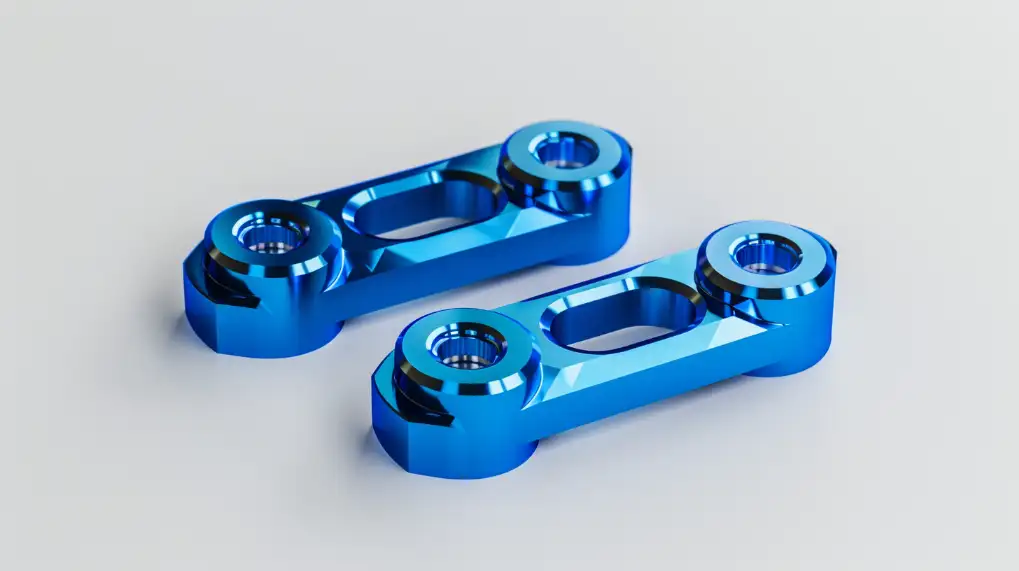
Is Paint the Right Finish for Anodized Aluminum?
The first question is not what paint to use. The first question is whether paint is the right finish for the part.
Paint usually makes more sense when the part needs a visual update and will not see much wear. It is often a workable option for indoor parts, lightly handled covers, or older anodized parts that no longer need to match the original finish exactly.
Paint becomes a weaker choice when the part will be used outdoors, touched often, packed tightly, or worn at edges and corners. On those parts, the finish has to do more than cover the surface. It has to stay bonded after handling, assembly, cleaning, and daily use.
A part may be paintable and still be a poor candidate for paint.
When does painting anodized aluminum make sense?
Painting anodized aluminum makes more sense when the goal is to improve appearance, not to create the toughest possible finish. It is usually a better fit for indoor panels, covers, housings, or older parts that need a color change or visual refresh without going through re-anodizing.
It can also make sense when re-anodizing is too slow, too costly, or no longer practical for the part condition.
When is painting over anodized aluminum a poor choice?
Paint over anodized aluminum is a weaker choice when the part has to survive outdoor exposure, repeated handling, edge wear, or frequent contact during use.
On these parts, the finish may still look good right after painting, then start chipping at corners, peeling at cutouts, or wearing through on contact areas much sooner than expected.
Why long-term adhesion matters more than short-term coverage?
A part can leave finishing with full color coverage and still have a weak bond. Good appearance on day one does not tell you how the coating will perform after handling or use.
If paint starts failing at edges, holes, or wear points after assembly or service, the finish was never doing the full job.
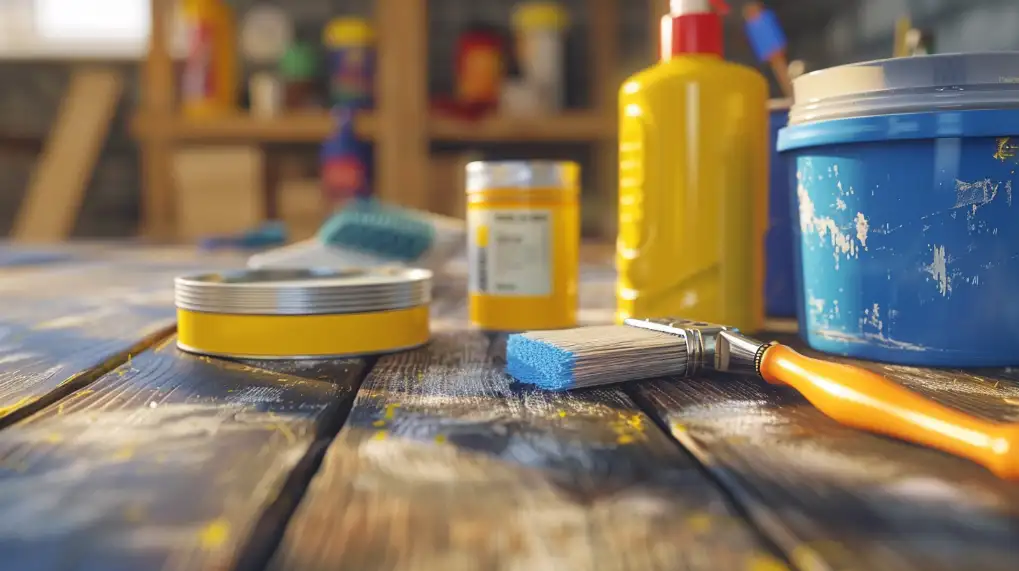
Why Paint Fails on Anodized Aluminum?
Paint failure on anodized aluminum usually starts at the surface, not in the color coat. A part can look even after painting and still fail later if the base never gave the coating a stable bond.
Sealed anodized aluminum is harder to paint
Sealed anodized aluminum is harder to repaint because the surface gives primer less to grip. If the prep is too light, the coating may still look uniform after painting and then start peeling once the part is handled or assembled.
The topcoat may look fine, but the bond was weak from the start.
Aged anodized aluminum brings more adhesion risk
Older anodized parts are harder to coat consistently because the surface condition is less predictable. Oxidation, wear, old residue, and shop contamination can all leave weak areas in the bond, even when the part still looks acceptable before painting.
These weak areas often show up later as edge peeling, patchy adhesion loss, or early coating wear.
Oil, dirt, and handling can weaken paint adhesion
Even light contamination can cause early bond failure. If hand oils, dust, or cleaning residue stay on the surface, the coating may still spray well and then start separating at edges, holes, or contact points later.
That is why contamination causes so many finish problems. The part can leave the shop looking fine, but the weak bond shows up after handling, packing, or assembly.
Edges, corners, and cutouts often fail first
Coating failure rarely starts on the easiest flat area. It usually starts at edges, corners, holes, and cutouts because these areas are harder to prep evenly and easier to damage during handling.
Once the part goes into use, these same areas also see more stress. That is why chipping and peeling usually show up there first.
A painted anodized aluminum part can look fine and still fail in service
A good-looking finish does not prove strong adhesion. Some painted parts only show the real problem after handling, assembly, or cleaning.
If the coating starts to chip at corners, peel around cutouts, or wear through at contact points, the finish was not stable enough for the job.
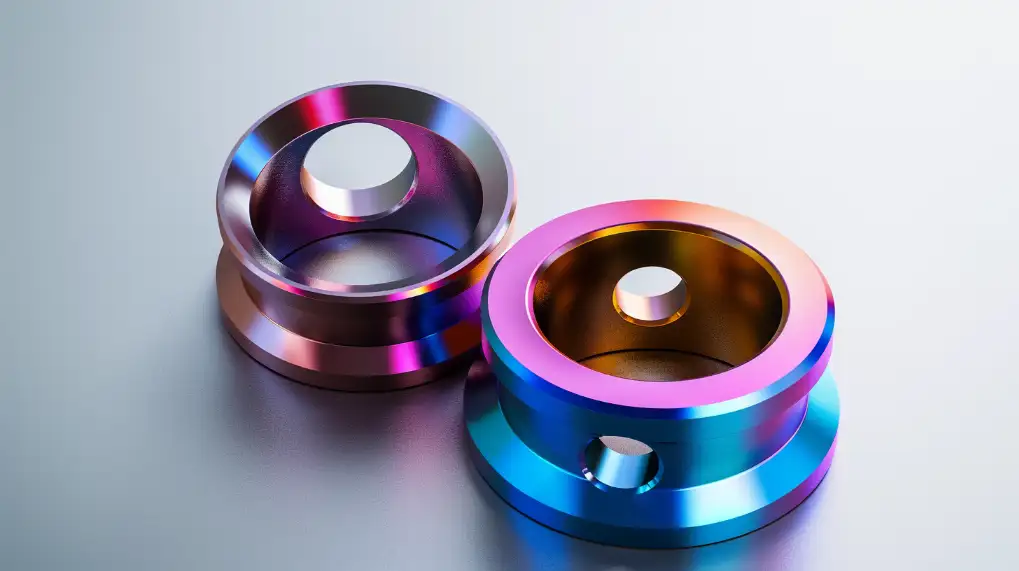
How to Paint Anodized Aluminum So the Coating Holds?
If the part is a good candidate for paint, the goal is not just to cover the surface. The goal is to build a coating that stays bonded after packing, assembly, and use.
Clean the surface before painting anodized aluminum
Cleaning has to remove oil, dust, residue, and handling marks before any sanding or coating starts. If contamination stays on the surface, later steps will not fix the bond problem.
The coating may look fine when it leaves finishing, and then start separating where contamination stayed trapped under the paint.
Scuff or etch the anodized layer properly
Anodized aluminum usually needs more than a wipe-down before coating. Scuffing or etching helps the primer grip the surface, especially on smoother or sealed parts.
If this step is too light or uneven, weak adhesion is more likely to show up first at edges, corners, and hard-to-reach areas.
Use the right primer for anodized aluminum
Primer is one of the main factors that control bond strength. Anodized aluminum is already a finished surface, so the primer has to bond well to that surface before the topcoat can perform well.
If the primer is wrong for the job, the paint may still apply smoothly and still fail later. In real projects, this often shows up as peeling at cutouts, chipping at corners, or adhesion loss after assembly.
Choose anodized aluminum paint for the service environment
Topcoat choice should match how the part will actually be used. A lightly handled indoor cover does not need the same coating performance as an outdoor housing or a part touched every day.
If the coating is chosen only for color and not for service condition, the finish may wear too early, mark too easily, or lose its appearance faster than expected.
Let painted parts cure before packing or assembly
A painted part can look dry long before the coating is ready for contact. If parts are packed, stacked, or assembled too early, edges and contact areas are often the first places to get damaged.
The coating was handled before it reached a stable condition.
Paint vs Powder Coat vs Re-Anodizing
Painting anodized aluminum is only one option. The better choice depends on what matters more in the project: fast refinishing, stronger wear resistance, or a finish closer to the original anodized surface and other metallic finishes used on visible parts.
Use paint for practical refinishing and color change
Paint usually makes more sense when the goal is to refresh appearance, change color, or update an older part without rebuilding the whole finish system. It is often the faster and less disruptive option for indoor parts, lightly handled covers, or parts that do not need an exact anodized finish match.
That is where paint works best. It improves appearance with less process time and lower cost, but it also gives up durability sooner when the part sees heavier wear.
Use powder coating for tougher service conditions
Powder coating usually makes more sense when the part has to survive repeated handling, outdoor exposure, or wear at edges and contact points. It adds more build than paint, but that tradeoff often works in its favor when durability matters more than keeping the finish light.
This is where paint can become a weak compromise. It may still look good after coating, then lose ground too early once the part is touched, packed, or used in harsher conditions.
Use re-anodizing when finish match matters more
Re-anodizing usually makes more sense when the project needs a finish closer to the original anodized appearance and behavior. This matters more on visible aluminum parts, where finish consistency or metallic character matters more than a simple color refresh.
It is not always the easiest option. Re-anodizing can add cost, lead time, and process limits. But when the match matters more than speed or convenience, it is often the better route.
Compare finish options by wear, appearance, and cost
The wrong finish decision usually looks acceptable at first and becomes expensive later. Paint is usually the faster refinishing route, but it gives up durability sooner. Powder coating handles wear better. Re-anodizing costs more, but keeps the finish closer to the original part.
The best choice is the one that matches how the part will actually be used, not just the one that looks easiest to apply.
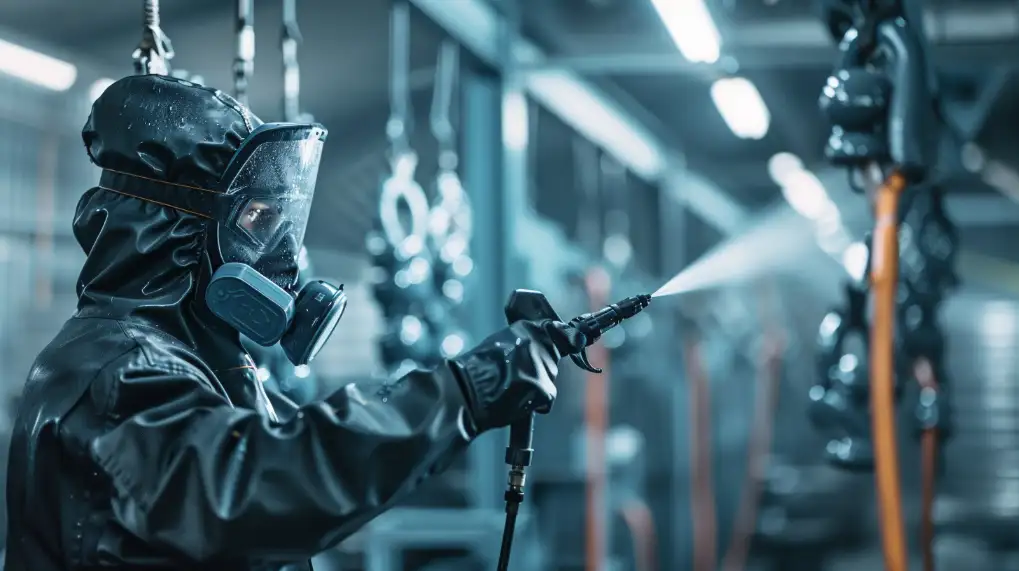
What to Define in the RFQ?
Finish problems are easier to prevent before quoting than to fix after coating starts. If a part will be painted after anodizing, the RFQ or drawing should make the finish expectation clear enough that the supplier is not guessing about the surface, the coating system, or what counts as an acceptable result.
Confirm whether the anodized aluminum is new, sealed, or aged
Surface condition should be defined early because new anodized parts, sealed parts, and older used parts do not bring the same prep risk.
If this is left vague, the supplier may plan a process that looks reasonable on paper but does not match the actual surface. That usually shows up later as weak adhesion, rework, or finish disputes.
Define whether the painted finish is cosmetic or functional
The project should be clear about what the finish needs to do. Some parts only need color coverage. Others need the coating to survive handling, cleaning, or outdoor exposure.
If that line is not clear, the coating can be underbuilt from the start. The part may look acceptable at delivery and still fail too soon once it is used.
Review the real service environment early
A finish that works on a lightly handled indoor part may fail quickly on an outdoor part or a part touched every day. Service conditions should be reviewed before the coating system is chosen.
The color may be approved, but the finish itself may still be wrong for the job.
State primer, topcoat, and adhesion requirements in the RFQ or drawing
If primer type, topcoat choice, or adhesion performance matters, it should be written into the RFQ or drawing instead of left to assumption.
When those points are missing, coating decisions often drift toward convenience. That is when appearance, bond strength, and service expectations start to separate.
Conclusion
Painting anodized aluminum can work, but it is not the right finish for every part. The main risk is not whether the paint can cover the surface. The main risk is whether the coating can stay bonded after handling, assembly, and use.
For some projects, paint is a practical option for color change or cosmetic refinishing. For others, powder coating or re-anodizing is the better route. The right choice depends on wear, appearance, and what the part has to survive after it leaves production.
If you are reviewing whether a painted finish is suitable for your anodized aluminum part, the decision should be made before quoting and production, not after coating problems appear. Surface condition, finish type, and service use all affect whether paint will hold or fail too early.
If you have a drawing, sample, or existing anodized part, send it to us for review. We can help you assess whether painting is the right option, what prep and coating system makes sense, and whether another finish would be more stable for the job.
Hey, I'm Kevin Lee

For the past 10 years, I’ve been immersed in various forms of sheet metal fabrication, sharing cool insights here from my experiences across diverse workshops.
Get in touch
Kevin Lee
I have over ten years of professional experience in sheet metal fabrication, specializing in laser cutting, bending, welding, and surface treatment techniques. As the Technical Director at Shengen, I am committed to solving complex manufacturing challenges and driving innovation and quality in each project.