
Sheet Metal Manufacturing Blog

Practical insights, technical guides and industry knowledge to help you design better parts and manufacture with confidence.

Browse Manufacturing Topics

Explore our in-depth resources by topic and find the information you need.

Fabrication

Cutting, bending, welding and assembly processes.

CNC

CNC machining, milling, turning and best practices.

Enclosures

Design and manufacturing of metal enclosures.

Materials

Metals, alloys and material selection guides.

Finishing

Surface treatment, coating and finishing options.

DFM

Design for manufacturability tips and guidelines.

Applications

Real-world applications across different industries.

Latest Manufacturing Articles

In-depth guides to help you make better design and manufacturing decisions.

Low-Volume Production

Low-Volume Production: A Comprehensive Guide

Low-volume production refers to the manufacturing of a limited number of units, typically ranging from a few tens to a few thousand. This method allows businesses to produce products on a smaller scale but with the same quality as mass production. It’s often used for prototypes, product tests, or limited-run items. Companies can use this approach to perfect their designs before committing to mass production.

Read More »
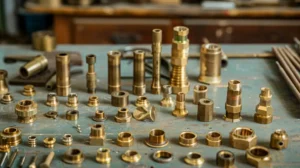
bronze vs brass vs copper

Brass vs. Bronze vs. Copper: What Are the Differences?

Copper is known for its excellent electrical conductivity, making it perfect for electrical wiring. Brass, an alloy of copper and zinc, offers great machinability and is commonly used in plumbing fixtures. Bronze, an alloy of copper and tin, is renowned for its durability and resistance to corrosion, making it ideal for maritime applications.

Read More »
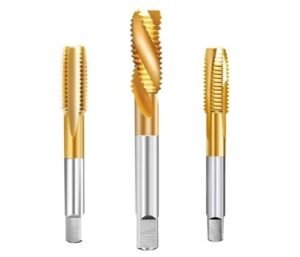
Types of Taps for Threading

Types of Taps for Threading: How to Choosing the Right Taps

A tap is a tool used to cut threads inside a hole. It works by removing material and shaping the internal wall so a screw or bolt can fit. Taps come in many shapes and sizes. Some are made for hand use, while others are used on machines. They are designed to match specific thread sizes and standards, like metric or UNC.

Read More »
hole tap

Tapped Hole in Metalworking: A Detailed Exploration

A tapped hole is prepared to have a threaded inner surface. A simple drilled hole is transformed into a tapped one, ready to receive a screw or bolt. This technique is essential for creating joints that are both strong and detachable. It allows easy assembly and disassembly.

Read More »
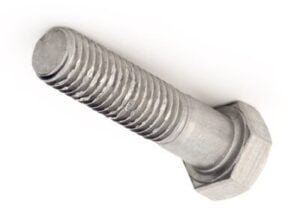
what is thread galling

Thread Galling: Causes, Symptoms, and Solutions

Thread galling happens when the bolt and nut threads stick together during tightening. The pressure and friction between the surfaces cause the metal to tear or seize. This is most common with stainless steel, aluminum, and titanium. These materials have sticky properties and tend to weld under pressure without lubrication.

Read More »
Press Brake Forming

Press Brake Forming: Everything You Need to Know

Press brake forming is a process that bends sheet metal by pressing it between a punch and a die. The punch moves down to push the metal into the die, creating a bend. The angle and shape depend on the punch, die, and press depth.

The key idea behind press brake forming is controlled force. The press brake applies pressure along a straight axis. This force bends the metal without cutting or breaking it.

Read More »
Punch Press

Punch Press 101: Everything You Need to Know

A punch press is a machine used to cut, bend, or form sheet metal. It uses a tool called a punch to press the metal into a die. The metal takes the shape of the die after being hit by the punch. The machine can create holes, cutouts, flanges, or bends. It is widely used in industries that need metal parts in specific shapes.

Read More »
progressive die metal stamping

Progressive Die Stamping: When It Makes Sense for Your Part

Progressive die stamping is a multi-step process that uses a single die set to perform various operations on a metal strip. Each operation happens in stages, with the material progressing through the die. This allows manufacturers to create complex parts efficiently and at a high production rate.

The process begins with a metal strip being fed into the press. The die performs a series of actions, such as punching, cutting, or bending. As the strip moves through the die, it undergoes these operations in sequence. When the strip exits the die, it is transformed into the desired part.

Read More »
welding thin metal

Welding Thin Metal: A Comprehensive Guide

You need to use the proper techniques and equipment to weld thin metal successfully. Start with a lower heat setting on your welding machine, which will prevent burning through the metal. Choose the right filler material and use short, controlled welds to avoid overheating the metal.

Read More »

Get Your Free Custom Quote Today

Expert engineering support for your next project

Fast Response

Quote within 24 hours

DFM Support

Design To Make

Quality Assured

ISO 9001:2015 certified

No Minimum Order

From prototype to production

No commitment required • 100% Free consultation

Ask For A Quick Quote

We will contact you within 1 working day, please pay attention to the email with the suffix”@goodsheetmetal.com”

Didn't Find What You Want? Talk to Our Director Directly!