Sheet Metal Manufacturing Blog

Practical insights, technical guides and industry knowledge to help you design better parts and manufacture with confidence.

Browse Manufacturing Topics

Explore our in-depth resources by topic and find the information you need.

Fabrication

Cutting, bending, welding and assembly processes.

CNC

CNC machining, milling, turning and best practices.

Enclosures

Design and manufacturing of metal enclosures.

Materials

Metals, alloys and material selection guides.

Finishing

Surface treatment, coating and finishing options.

DFM

Design for manufacturability tips and guidelines.

Applications

Real-world applications across different industries.

Latest Manufacturing Articles

In-depth guides to help you make better design and manufacturing decisions.

centerless grinding near me

Centerless Grinding: What is and How it Works?

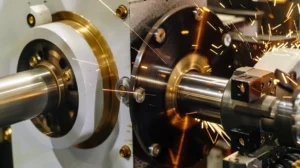
Centerless grinding is a material reduction process that uses a grinding wheel to remove material from the outer diameter of a workpiece. It uses a spinning abrasive wheel to cut material from the outside of a workpiece. Unlike other methods, it doesn’t need clamps or centers to hold the piece in place.
Because it doesn’t require centering, setup is faster and more efficient. It also gives better roundness and precision in the final product. The process allows tight control over the speed and movement of the workpiece, which helps achieve very accurate results.
Read More »
aluminum milling

The Ultimate Guide to Aluminum Milling: Tips, Tricks, and Techniques

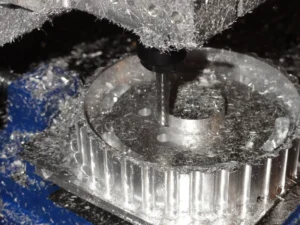
Aluminum milling requires specific approaches that are different from other metals. The right combination of cutting tools, speeds, feeds, and cooling methods can dramatically improve your results. You can achieve excellent surface finishes with proper technique while extending tool life and maintaining tight tolerances across your projects.

Read More »
undercut of welding

Welding Undercut: Causes, Fatigue Risks, and Prevention

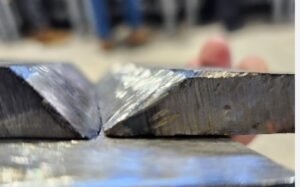
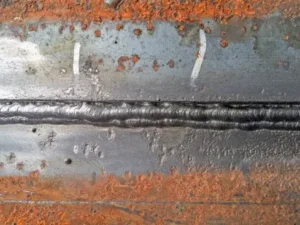
A welding undercut is a critical groove defect melted into the base metal at the weld toe and left unfilled by filler material. This reduces the part’s cross-sectional thickness and creates sharp stress risers prone to fatigue failure, typically resulting from excessive heat input or overly fast travel speeds.

Read More »
plasma cutting stainless steel

Plasma Cutting Stainless Steel: Techniques, Tips, and Safety

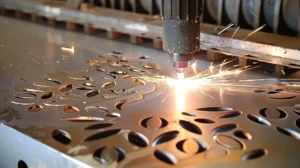
Plasma cutting uses ionized gas to form a high-temperature channel that cuts through metal. This method offers a good balance between cut quality and cost for stainless steel. It works well for both prototypes and large production runs. The edges are cleaner than those from oxy-fuel cutting. Plasma cutting is also more budget-friendly than laser cutting and suitable for many uses.

Read More »
Phosphating Production workshop

Phosphating Explained: How It Works and Why It Matters

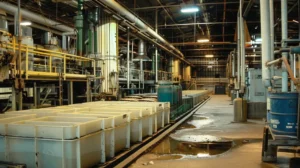
Phosphating is a chemical process in which a phosphate coating is applied to a metal surface. This coating is a difficult-to-dissolve transformation layer composed of metal phosphates. It acts as a protective layer, shielding the metal from corrosion, wear, and other environmental damage.

Phosphating works through chemical reactions between the metal surface and a phosphate solution. When the metal is immersed in the solution, the phosphoric acid reacts with the metal ions to form a layer of insoluble phosphate crystals.

Read More »
e-coating

E-Coating: DFM Rules, Defects & Hidden Costs

E-Coating (electrocoating) is an advanced immersion painting method utilizing electrical current to deposit a uniform organic polymer layer onto metal. It ensures 100% coverage of complex geometries and internal cavities, delivering superior salt-spray corrosion resistance without runs, sags, or thickness variations.

Read More »
Grinding Stainless Steel

Grinding Stainless Steel: Process Control, and Defect Prevention

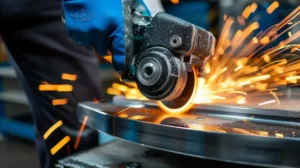
Getting good results when grinding stainless steel starts with choosing the right tools and methods. Use aluminum oxide or ceramic abrasives made explicitly for stainless steel. Keep the metal cool during grinding to avoid heat discoloration. Work with light to medium pressure and move constantly to prevent overheating one area.

Read More »
metal burrs

What are Metal Burrs and How to Remove It?

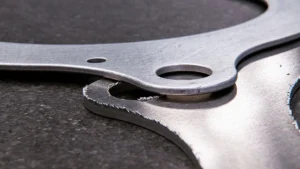
Metal burrs can be small and sharp protrusions on metal edges after machining operations such as drilling or milling. These are bits of metal that have not been removed cleanly from a part. They can leave a jagged or rough edge.

Read More »

Get Your Free Custom Quote Today

Expert engineering support for your next project

Fast Response

Quote within 24 hours

DFM Support

Design To Make

Quality Assured

ISO 9001:2015 certified

No Minimum Order

From prototype to production

No commitment required • 100% Free consultation

Ask For A Quick Quote

We will contact you within 1 working day, please pay attention to the email with the suffix”@goodsheetmetal.com”

Didn't Find What You Want? Talk to Our Director Directly!