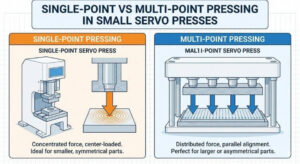
Single-Point vs Multi-Point Pressing in Small Servo Presses
In precision forming, even small changes in pressing methods can affect the final result. Many engineers struggle to choose between single-point and multi-point pressing for
We regularly update articles related to the manufacturing industry.

In precision forming, even small changes in pressing methods can affect the final result. Many engineers struggle to choose between single-point and multi-point pressing for

Light assembly work — such as connectors, sensors, and compact electronic housings — is getting more demanding every year. Manufacturers now need micron-level precision, repeatable

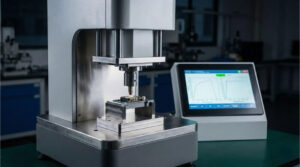
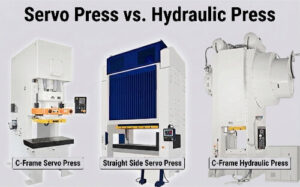
In many precision-based applications, the answer is yes. Small servo presses provide programmable motion, quiet operation, and force accuracy within ±0.005 mm. They work well in industries like electronics, medical devices, and small assembly lines. However, hydraulic presses still hold an edge in heavy forming, deep drawing, and large stamping work.

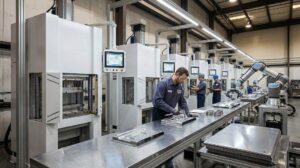
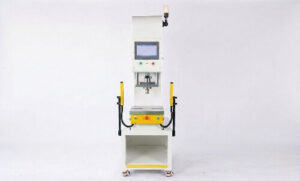
A small servo press uses an electric servo motor to control motion, force, and position with great accuracy. Instead of relying on oil or air, it uses programmable electronic control. This gives users better flexibility and repeatable results. It is well-suited for industries that require precision, data tracking, and consistent force control.

Modern manufacturing is entering an era where near-zero defect rates and micron-level accuracy are no longer optional — they’re essential. Whether it’s assembling EV motors,

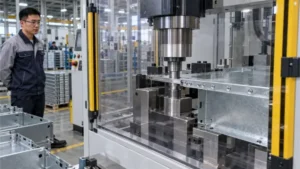
A servo press is a forming machine that uses digital control and a servo motor. It does not rely on a mechanical flywheel or a hydraulic system. This design replaces fixed motion with a programmable stroke. Engineers can control position, force, and speed in real time.

Press systems are the foundation of modern sheet metal forming. As manufacturers strive for higher precision, faster cycle times, and more intelligent automation, two technologies

Every ounce counts when designing modern machines. Lighter components help cars move faster, drones fly longer, and robots lift more with less power. In today’s

In modern sheet metal manufacturing, choosing the right forming process directly affects production cost, precision, delivery speed, and scalability. Two of the most widely used

Weld strength depends on more than precise heat or skilled technique — the filler material also plays it role. The right filler determines how metals

A welded part is never “finished” the moment the arc stops. Welded components can look completely different depending on how their surface is treated after

Warping in sheet metal welding isn’t accidental — it is predictable physics. When a weld heats the metal, it expands. When it cools, it contracts.

Modern sheet-metal fabrication relies on two core methods: laser cutting and metal stamping. Both create precise metal parts, yet they serve very different goals in

Every circuit emits and receives electromagnetic energy. When uncontrolled, these signals leak through enclosures and couple into nearby components. That’s electromagnetic interference (EMI)—and at higher frequencies, it becomes radio frequency interference (RFI).

Clear communication is one of the most potent tools in sheet metal fabrication. Even one misunderstood word can shift a bend by a millimeter, misalign

In manufacturing, timing is just as important as quality. Delays can slow down product launches, raise costs, and add pressure to teams. Engineers, designers, and
We will contact you within 1 working day, please pay attention to the email with the suffix”@goodsheetmetal.com”