BLOG

We regularly update articles related to the manufacturing industry.

Why Surface Condition Matters Before Coating or Bonding

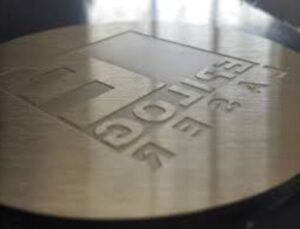
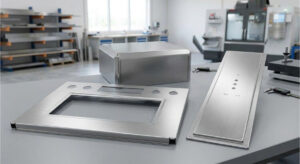
Laser Texturing for Metals: Prep, DFM & Cost Control

Laser texturing is a non-contact surface preparation process that uses a focused laser beam to selectively ablate material. It creates highly precise micro-patterns to improve a part’s functional properties, such as coating adhesion, wettability, and wear resistance.
Read More »
Coatings on Dimensional Accuracy

The Impact of Coatings on Dimensional Accuracy in Metal Fabrication

Dimensional accuracy refers to the degree to which a finished part matches its intended size and shape. It indicates whether the fabrication and finishing processes have maintained the part’s accuracy to the design. Every step—cutting, bending, welding, or coating—can slightly change a part’s size. Engineers manage these changes through defined tolerances and precise measurement checks. The goal is to keep each part as close to the design as possible, ensuring it fits and performs correctly.

Read More »
how deep can laser engraving go

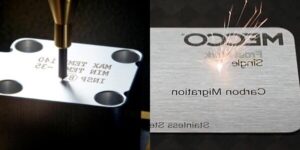
Deep Laser Engraving: Techniques, Materials, and Applications

Deep laser engraving is a process where a focused laser beam removes layers of material to create a mark below the surface. The laser generates heat, vaporizing the material and cutting deeper with each pass. Depending on the material and settings, the engraving can range from a few microns to several millimeters deep.

Read More »
what is grit blasting

What is Grit Blasting and How Does It Work?

Grit blasting is a way to clean and prepare surfaces. It works by shooting abrasive particles at high speed against a workpiece. These particles remove unwanted layers and create a specific surface texture. The process uses compressed air or special blasting equipment.

Read More »
What Is Vapor Polishing

Vapor Polishing: How It Improves Clarity in Plastic Parts

Vapor polishing is a finishing process that uses chemical vapors to smooth the surface of a plastic part. The process starts by placing the part inside a sealed chamber. A chemical like methylene chloride is heated until it becomes a vapor. When this vapor contacts the plastic, it slightly melts and reshapes the outer layer. This reshaping fills in rough spots, scratches, and minor marks.

Read More »
what is bright dip anodizing

Bright Dip Anodizing: Techniques, Benefits, and Applications

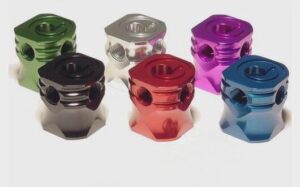
Bright dip anodizing is a chemical finishing process. First, the part is cleaned and degreased. Then it goes into a chemical bath that makes the metal smooth and shiny. After that, the part is anodized to form a protective oxide layer. Finally, this layer is sealed to keep the surface resistant to corrosion and maintain its shine.

Read More »

Ask For A Quick Quote

We will contact you within 1 working day, please pay attention to the email with the suffix”@goodsheetmetal.com”

Didn't Find What You Want? Talk to Our Director Directly!