BLOG

We regularly update articles related to the manufacturing industry.

epoxy coating for aluminum

Epoxy Coated Aluminum: Properties, Benefits, and Uses

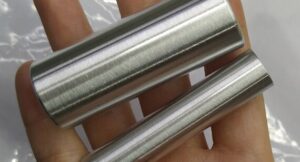
Epoxy-coated aluminum is aluminum covered with a thin, even layer of epoxy resin. The resin bonds firmly to the surface, forming a tough, protective shell. This shell works as a barrier against moisture, chemicals, and wear. It also gives the surface a smooth finish, which can be clear or colored.
Read More »
geomet coated (1)

Geomet Coating: Performance, Applications, and Benefits

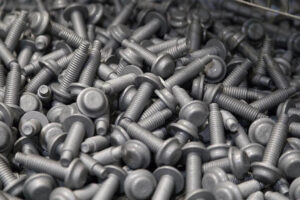
Geomet coating is a water-based protective layer made from zinc and aluminum flakes. It forms a thin, even film on the surface of metal parts. This layer blocks moisture, salt, and chemicals, helping to stop rust and wear. Since it does not contain heavy metals like chromium, it is safer for workers and better for the environment.

Read More »
How does the Black Phosphate Coating Process work

Black Phosphate Coating: Process, Properties, and Applications

Black phosphate coating is a chemical conversion process. It applies a thin, dark gray or black layer of crystalline phosphate to steel. This happens when the parts are dipped into a hot mixture of phosphoric acid and other added chemicals. The coating sticks to the metal and creates a protective surface that feels slightly rough.

Read More »
black stainless steel appliances

Blacken Stainless Steel: Methods, Applications, and Tips

Blackening stainless steel means changing its surface to a dark color. This can be done using chemical, electrochemical, or heat-based methods. These methods create a thin, solid black layer on the metal. Unlike paint, this layer doesn’t peel or chip. Depending on the technique used, the finish can look shiny or matte.

Read More »
galvanneal vs galvanized

Galvannealed vs Galvanized Steel: What’s the Difference?

Galvanized steel has a pure zinc coating, offering strong rust protection and a shiny look. Galvannealed steel, on the other hand, is heat-treated after zinc coating, making it matte, harder, and easier to paint. Galvanized works well in wet places or where looks matter. Galvannealed is best when you need a surface that holds paint or can handle scratches.

Read More »
powder coat thickness (1)

Powder Coating Thickness Explained: What’s the Right Range?

Powder coating thickness is the depth of the coating applied to a surface. It is measured from the top of the coating to the part’s surface underneath. The ideal powder coating thickness ranges from 2 to 5 mils (50-125 microns). This ensures strong protection, a smooth look, and no performance issues.

Read More »
anodizing vs alodining

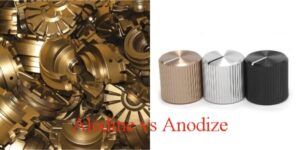
Alodine vs Anodize: How to Choose for Aluminum Parts

Alodine and Anodize are two popular treatments for aluminum surfaces. Both improve corrosion resistance but use different methods. Anodizing is an electrochemical process that builds a thick, rigid, and non-conductive oxide layer on the metal. Alodine is a chemical process that forms a thinner, conductive layer. It offers good protection but keeps the metal’s electrical conductivity.

Read More »
Linishing Process

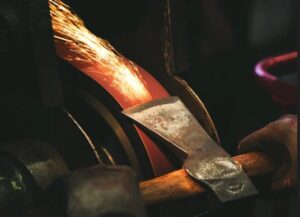
What Is Linishing? A Beginner’s Guide to Surface Finishing

Linishing is a surface finishing method used to smooth and polish metal parts. It removes burrs, scratches, or weld marks using abrasive tools like belts or discs, making the surface cleaner and more even. It’s often done after cutting, welding, or shaping to prepare the part for painting, coating, or assembly.

Read More »
DLC Coating

DLC Coating: How It Extends Part Life and Cuts Friction?

DLC coating is short for Diamond-Like Carbon coating. It is a skinny layer of carbon-based material that shares some traits with natural diamonds. It’s a coating made from carbon atoms. These atoms are arranged in a way that mimics a diamond. This coating is applied to a part’s surface to make it harder, smoother, and more resistant to wear.

Read More »
What Is Titanium Nitride Coating

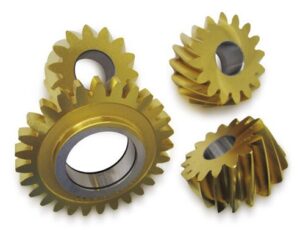
Titanium Nitride Coating: What is,and How Does it Work?

Titanium Nitride (TiN) is a ceramic coating. It has a metallic gold color and is applied to metal surfaces using a vacuum. The coating is skinny—just a few microns—but tough.

TiN forms a strong outer layer that resists wear, heat, and corrosion. It sticks well to metals like steel, titanium, and carbide. This makes it useful for cutting tools, molds, and medical devices.

Read More »
Anodize Aluminum

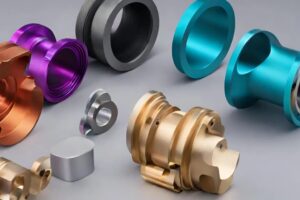
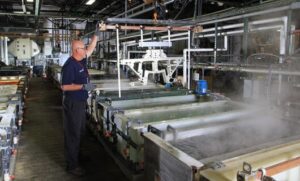
What is Anodized Aluminum: Types, Benefits, and Applications

Anodizing aluminum is an electrochemical process that increases the natural oxide layer on the surface of aluminum. The aluminum is immersed in an acid electrolyte solution during anodizing, and an electric current is passed through it. This causes the aluminum to react with the solution, forming an oxide layer much thicker than the natural oxide.

Read More »
angle grinder cut sheet metal

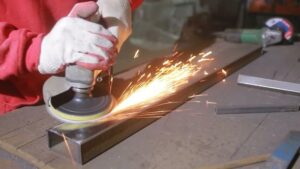
Sheet Metal Grinding:Process, Techniques, and Benefits

Sheet metal grinding is a finishing process that removes material from metal surfaces using abrasive wheels or belts. This technique creates smooth finishes, removes burrs, and prepares surfaces for coating. The process works by applying an abrasive material against the metal with controlled pressure and movement.

Read More »
anodized vs electroplating

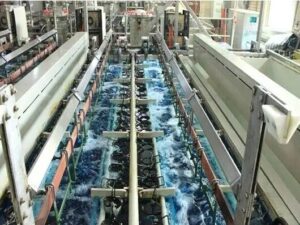
Electroplating vs Anodizing: What’s the Difference?

Electroplating adds a thin layer of metal onto a surface using electricity. It enhances appearance, prevents corrosion, and improves wear resistance. On the other hand, anodizing creates a protective oxide layer on metals like aluminum. It boosts durability and allows for color dyeing. Each method has its strengths, depending on your project goals.

Read More »

Ask For A Quick Quote

We will contact you within 1 working day, please pay attention to the email with the suffix”@goodsheetmetal.com”

Didn't Find What You Want? Talk to Our Director Directly!