BLOG

We regularly update articles related to the manufacturing industry.

sandblasting stainless steel

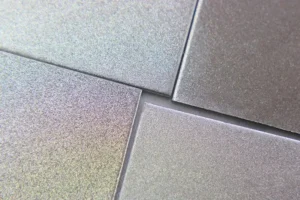
Sandblasted Stainless Steel: A Comprehensive Guide

Sandblasting, also known as abrasive blasting, involves propelling abrasive particles at high velocities against a surface to clean, smooth, or shape it. This method effectively removes contaminants, old coatings, and rust while creating a uniform texture on the surface.
Read More »
Wet Etching

Dry Etching vs Wet Etching:What Is the Difference

Both dry and wet etching serve distinct purposes in material processing. Dry etching uses plasma or vapor-phase etchants to remove material through chemical reactions or physical bombardment. Wet etching relies on liquid chemical solutions to dissolve target materials through oxidation and dissolution processes.

Read More »
sheet metal finishes

Sheet Metal Finishing and Coating Options for Better Performance

Sheet metal finishing is the final stage of fabrication that enhances a part’s appearance, strength, and performance. It uses mechanical, chemical, or electrochemical methods to treat the metal surface. These processes remove minor flaws, smooth rough areas, and prepare parts for coatings or paint. Finishing also adds a protective layer that helps prevent rust, corrosion, and surface wear.

Read More »
Brushed Brass

Brushed Finish Brass: Everything You Need to Know

Brushed finish brass is a type of surface treatment applied to brass metal. It’s created by rubbing the brass surface with abrasive materials in a linear pattern. This process removes a thin layer of metal, leaving behind fine lines that give the brass a subdued, satin-like sheen.

Read More »
Mirror Finish Polish

Mirror Finish: Techniques, Tools, and Applications

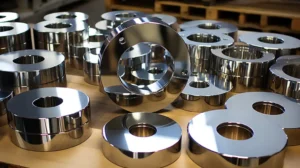
A mirror finish is a high-gloss, reflective surface achieved through meticulous polishing. It transforms metal surfaces into smooth, mirror-like planes that reflect light perfectly. This finish enhances aesthetics, improves corrosion resistance, and adds value to products across various industries.

Read More »
Laser Etching vs Engraving

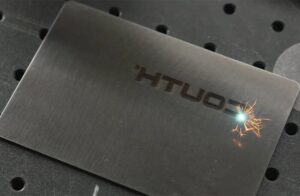
Laser Etching vs Laser Engraving: What Is the Difference?

Laser etching and laser engraving are distinct processes that create markings on materials. Etching involves melting the surface to create raised marks, while engraving cuts deeper into the material to remove layers. Each technique has its advantages and is suited for different applications.

Read More »
how to sand stainless steel

Sanding Stainless Steel: Techniques, Tools, and Tips

Sanding stainless steel requires the right tools and techniques. Start with coarse-grit sandpaper and gradually move to finer grits. Always sand in one direction, following the grain of the metal. Use a sanding block for flat surfaces, and consider a power sander for larger projects.

Read More »
pickling metal

Metal Pickling: Processes, Applications, and Best Practices

Pickling removes impurities from metal surfaces, such as scales, rust, and oxides. The metal is immersed in an acidic solution (usually hydrochloric acid or sulfuric acid), which dissolves the contaminants. The metal will be left with a smooth, clean surface, ready to undergo further processing such as painting or coating.

Read More »
hot dip vs electro galvanizing

Electro Galvanized vs Hot Dipped: Engineering Selection Guide

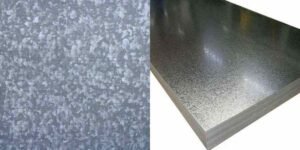
Hot-dip galvanizing immerses steel in molten zinc, forming a thick (80–100µm) metallurgical bond ideal for harsh outdoor exposure. Electro-galvanizing electrically deposits a thin (10–12µm), uniform zinc layer, preserving tight machining tolerances and yielding a smooth finish strictly for indoor, low-corrosion environments.

Read More »

Ask For A Quick Quote

We will contact you within 1 working day, please pay attention to the email with the suffix”@goodsheetmetal.com”

Didn't Find What You Want? Talk to Our Director Directly!