BLOG

We regularly update articles related to the manufacturing industry.

e-coating

E-Coating: DFM Rules, Defects & Hidden Costs

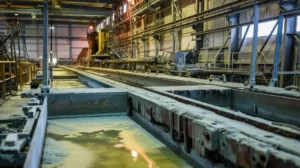
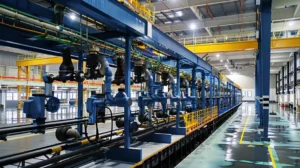
E-Coating (electrocoating) is an advanced immersion painting method utilizing electrical current to deposit a uniform organic polymer layer onto metal. It ensures 100% coverage of complex geometries and internal cavities, delivering superior salt-spray corrosion resistance without runs, sags, or thickness variations.
Read More »
Grinding Stainless Steel

Grinding Stainless Steel: Process Control, and Defect Prevention

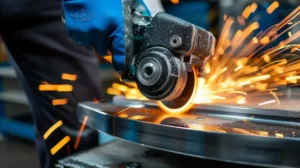
Getting good results when grinding stainless steel starts with choosing the right tools and methods. Use aluminum oxide or ceramic abrasives made explicitly for stainless steel. Keep the metal cool during grinding to avoid heat discoloration. Work with light to medium pressure and move constantly to prevent overheating one area.

Read More »
metal burrs

What are Metal Burrs and How to Remove It?

Metal burrs can be small and sharp protrusions on metal edges after machining operations such as drilling or milling. These are bits of metal that have not been removed cleanly from a part. They can leave a jagged or rough edge.

Read More »
Nickel Plating Stainless Steel

Nickel Plating Stainless Steel: Enhancing Durability and Aesthetics

Nickel plating is a process that applies a thin layer of nickel to a metal surface using an electrochemical method. The nickel layer adds extra protection and improves the metal’s appearance.

Nickel plating creates a protective barrier that prevents oxidation and surface damage. It extends the lifespan of stainless steel components and enhances their performance in harsh environments. Industries use it for both functional and decorative purposes.

Read More »
laser marking aluminum

Laser Marking Aluminum: Everything You Need To Know

Laser marking is a process that uses a focused laser beam to create marks on a material’s surface. The laser changes the material’s color or texture, leaving text, logos, or codes behind. It’s fast, clean, and doesn’t require inks or chemicals. This makes it ideal for industries that need durable, high-quality markings. Laser marking is non-contact, meaning the material has no physical wear. The marks are also resistant to fading, scratching, and heat.

Read More »
Mill Finish Aluminium

Mill Finish Aluminium: Manufacturing Limits and Cost Trade-Offs

Mill finish aluminum is the raw, untreated metal directly from the extrusion or rolling process. It features a natural, matte, or semi-bright appearance with visible manufacturing lines. This cost-effective, functional finish is ideal for industrial components, structural framing, and hidden parts where durability and economy outweigh aesthetic perfection.

Read More »
Bead Blasted Stainless Steel

Bead Blasted Stainless Steel: A Complete Guide

Bead-blasted stainless steel is a finish achieved by propelling small glass beads at high speed onto the metal surface. This process creates a smooth, matte texture that reduces reflectivity and hides imperfections like scratches or fingerprints. It’s a popular choice for applications where both durability and appearance matter.

Bead blasting works by shooting tiny glass or ceramic beads through a nozzle at high pressure. The beads hit the metal surface and remove a thin layer of material, creating a smooth, even texture throughout.

Read More »
UV Printing on Metal

UV Printing on Metal: A Comprehensive Guide

UV printing on metal is a digital printing method that uses ultraviolet light to cure specially formulated ink. The printer sprays the ink directly onto the surface. Then, UV lamps follow immediately to harden the ink. This fast curing process keeps the ink from spreading or soaking into the material.

Read More »
Steel pickling

Steel Pickling 101: What You Need to Know

Steel pickling is a chemical treatment that cleans the surface of steel. It removes mill scale, rust, and other oxides that form during hot rolling or storage. The process usually uses acid solutions, such as hydrochloric or sulfuric acid, to react with the surface oxides and dissolve them. Once cleaned, the steel has a bright, bare-metal appearance.

Read More »
Polishing Stainless Steel

How to Polish Stainless Steel? The Ultimate Guide

To polish stainless steel, you’ll need to clean it with water and mild detergent first. After drying, apply a polish designed for stainless steel or a dab of olive oil for a DIY approach. Rub the solution toward the grain with a soft cloth to enhance shine and minimize scratches.

Read More »
brushed stainless steel

What is Brushed Stainless Steel? A Comprehensive Guide

Brushed stainless steel is a surface treatment applied to the surface of stainless steel by sanding the surface with sandpaper or abrasives to create an even, refined, textured appearance. This treatment gives the stainless steel surface a smooth, shiny, non-reflective appearance while improving its resistance to scratching and abrasion.

Read More »
Powder Coating vs paint in sheet metal parts

Powder Coating VS Paint: Which is a better program for you?

Powder coating and paint protect metal surfaces but differ in key ways. Powder coating creates a thicker, more durable finish that resists chipping and scratching better than traditional paint. It also produces less waste and releases fewer chemicals into the air. However, paint offers more color options and can be easier to touch up.

Read More »
How to Remove Powder Coating

How to Remove Powder Coat Without Damaging Metal Parts?

Removing powder coating requires selecting a method based on substrate and volume: chemical stripping effectively dissolves bonds for precision parts, abrasive blasting prepares surfaces through mechanical friction, thermal burn-off handles heavy industrial loads with high heat, and laser removal offers a high-precision, eco-friendly solution for sensitive components without damaging the base metal.

Read More »
black oxide coating

Black Oxide Coating 101: What You Need to Know

Black oxide coating is a surface treatment applied to metals, including steel and iron. It creates a dark, smooth layer through a controlled chemical reaction. This finish is not shiny and doesn’t reflect light. Unlike paint or powder coating, it doesn’t add thickness to the part. The black layer is skinny, just a few microns. So, it won’t change the size or shape of the part.

Read More »

Ask For A Quick Quote

We will contact you within 1 working day, please pay attention to the email with the suffix”@goodsheetmetal.com”

Didn't Find What You Want? Talk to Our Director Directly!