Powder coating is engineered to be nearly indestructible. Once cured, the coating forms a dense, crosslinked polymer layer that bonds aggressively to the metal surface. In an industrial manufacturing setting, powder coat removal is rarely a standalone task; it is usually forced by production rework, coating defects, fixture buildup, or cosmetic repair.
Removing powder coating requires selecting a method based on substrate and volume: chemical stripping effectively dissolves bonds for precision parts, abrasive blasting prepares surfaces through mechanical friction, thermal burn-off handles heavy industrial loads with high heat, and laser removal offers a high-precision, eco-friendly solution for sensitive components without damaging the base metal.
Different stripping processes are strictly required depending on the material, part geometry, and production volume. This guide breaks down the practical removal methods used in real fabrication shops and industrial rework environments.
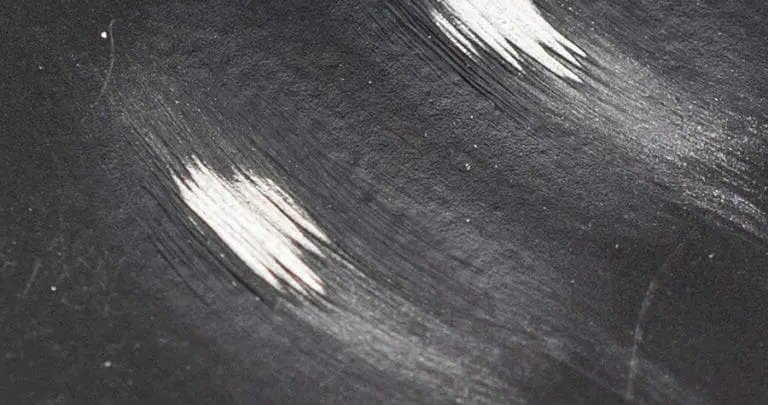
Choosing the Right Powder Coat Removal Method
Not all parts can survive the same stripping process. Applying the wrong removal method will often scrap the component entirely, costing you raw material, machining time, and delayed shipments.
Steel and cast iron parts
Steel components generally have a higher thermal mass and surface hardness, making them capable of withstanding aggressive processing. For heavy weldments (exceeding 1/4-inch thickness), coating fixtures, and structural brackets, heavy media blasting and burn-off ovens are usually the most cost-effective methods.
However, even on robust materials, aggressive blasting must be controlled. If operators use excessively high pressure or coarse media, it can still cause severe edge wear, unacceptable surface roughness, and fit-up problems on critical mating faces.
Aluminum and thin sheet metal
Aluminum and thin sheet metal panels are highly vulnerable during rework. You must actively avoid high-temperature burn-off ovens (typically operating above 700°F / 370°C), as these temperatures will cause heat-treated aluminum to lose its temper and mechanical strength.
Laser-cut enclosures and cosmetic aluminum panels are incredibly susceptible to warping, dents, and rounded edges when subjected to heavy impact or heat. For these components, the only safe approaches are controlled chemical stripping, low-pressure glass bead blasting, or wet blasting to minimize heat buildup and physical distortion.
Precision CNC machined parts
Standard blasting methods easily cut into bare metal, wiping out critical dimensions in seconds. For machined housings, critical sealing surfaces, and fine-threaded assemblies, tolerances are often too tight (e.g., ±0.02mm) to risk physical abrasion.
For high-value precision parts, laser stripping or selective chemical stripping provides a much safer route. These methods remove the polymer layer by vaporization or chemical breakdown, leaving the base metal dimensions completely untouched and ensuring the part still passes inspection.
Low-volume vs production rework
The batch size ultimately dictates the rework strategy. Single-piece repairs typically rely on localized processing, such as spray-on chemical strippers, targeted manual blasting, or localized sanding.
Conversely, large-scale stripping requires automated equipment like chemical immersion tanks, continuous burn-off ovens, or automated blasting lines. When scaling up rework, the decision matrix must evaluate labor costs, loading times, and hazardous waste disposal alongside raw stripping speed.
Why Powder Coat Is Difficult to Remove?
Understanding why powder coat removal is difficult helps in selecting the right breakdown method. It behaves fundamentally differently from standard solvent-based wet paints.
Why cured powder coating bonds so strongly
During the curing process, powder coat undergoes a thermoset chemical reaction. Once crosslinked, the polymer structure is permanently set. Unlike standard thermoplastics, it will not simply melt back into a liquid when heat is applied.
Because standard heating won’t force the coating to drop off, removal requires extreme interventions. You either need chemical solvents to sever the molecular bonds, abrasive cutting to physically tear it away, or thermal decomposition to reduce the plastic to ash.
Surface pretreatment increases adhesion
A high-quality coating job makes rework exponentially harder. Most industrial powder-coated parts undergo rigorous surface pretreatment before spraying, such as iron phosphating, chemical etching, or deep sandblasting.
These steps maximize coating adhesion by creating a deep mechanical anchor pattern and a strong chemical bond. While excellent for the end product’s durability, this deep surface integration significantly increases the energy and time required to strip the coating back down to bare metal.
Thick and over-cured coatings are harder to strip
Resin chemistry and film thickness directly dictate removal times. Epoxy-based powders, often used for chemical resistance, are notoriously difficult to strip and shrug off standard solvents. Meanwhile, standard architectural polyesters tend to become brittle and break down faster.
Additionally, multi-layer buildups or over-cured coatings demand much more aggressive tactics. They require significantly longer soak times in chemical baths, higher blasting pressures, or stronger stripping chemistry to fully penetrate and clear the substrate.
Chemical Powder Coat Removal
Chemical stripping is the go-to method when physical impact is strictly prohibited. Its biggest advantage is that it removes the coating entirely through chemical breakdown, ensuring zero mechanical impact on the metal substrate.
Chemical stripping for aluminum and complex parts
For softer metals like 5052 or 6061 aluminum alloys, chemical stripping is often the safest choice. It completely eliminates the risk of edge wear and surface pitting that comes with physical blasting.
It is particularly effective for thin aluminum sheet metal enclosures (under 1.5mm), intricate 5-axis machined parts, and deep recessed areas. However, this safety comes at a cost, as chemical processing times are significantly longer and require dedicated dipping tanks.
Solvent systems and stripping speed
Aggressive solvents like methylene chloride strip coatings rapidly, while eco-friendly benzyl alcohol alternatives offer a milder, safer working environment. The stripping time varies wildly depending on the chemistry used.
A part might strip in 15 minutes, or it might need to soak for 24 hours. The exact breakdown time is dictated by the coating thickness, the specific resin type (chemical-resistant epoxies take much longer than standard polyesters), and the bath temperature.
Surface staining and soft metal damage
Applying the wrong chemical chemistry will permanently damage aluminum components. Cosmetic surfaces carry the highest risk of irreversible ruin during chemical baths.
Certain highly alkaline or acidic chemicals will cause severe discoloration, destroy anodic oxide layers, and leave deep surface etching. For pre-anodized aluminum, brushed finishes, or highly visible cosmetic CNC parts, this risk must be carefully managed to avoid complete part rejection.
Cleaning problems after stripping
Chemical residue left in tight corners or tapped holes will actively destroy your next coating attempt. If the post-strip cleaning and neutralizing process is not 100% thorough, the entire rework process will fail.
The majority of powder recoating defects happen when trapped solvents boil out during the 400°F curing oven cycle. This blowout causes severe fish eyes and localized peeling, instantly doubling your rework labor and material costs.
The Shop Rule: Chemical stripping is only halfway done when the paint falls off. If you don’t aggressively neutralize and degrease the bare metal afterward, your recoat will fail 100% of the time.
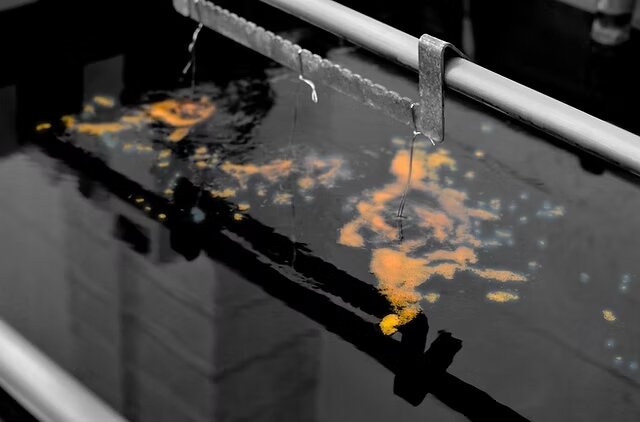
Abrasive Blasting for Powder Coat Removal
Abrasive blasting is one of the most common stripping methods used in industrial manufacturing. It offers rapid removal speeds while simultaneously establishing a fresh surface profile (anchor pattern) for the new coating.
Aluminum oxide and garnet blasting
Media like aluminum oxide and garnet deliver a massive cutting force. This makes them highly effective for blasting through thick, stubborn powder layers on heavy structures.
They are best suited for standard carbon steel (e.g., Q235 or heavy 304 stainless weldments. However, this aggressive media will easily cause deep blasting marks, wipe out critical Ra (roughness) values, and create fit-up problems on precision mating faces.
Glass bead and plastic media blasting
Glass bead and plastic media provide a much gentler impact on the substrate. Glass bead is highly preferred for softer alloys, cosmetic surfaces, and thinner powder coatings where dimensional stability is required.
Plastic media goes a step further, causing virtually zero surface damage even on soft aluminum. The trade-off is that the stripping speed drops significantly, driving up the per-part labor cost.
Wet blasting for thin sheet metal
Adding water to the blasting process significantly lowers the heat buildup caused by friction. Dry blasting often generates enough heat to make the thermoset powder gummy, causing it to smear and clog the surface rather than chip away.
Wet blasting eliminates this issue while keeping the panel physically cool. This drastically reduces the risk of thermal distortion and warping, making it a lifesaver when stripping large 1.2mm or 1.5mm thin sheet metal panels.
Thread wear and rounded edges
A few seconds of direct, aggressive blasting can wipe out M3 internal threads, turning a fully machined $50 enclosure into immediate scrap. It will also round off sharp, precisely machined edges almost instantly.
For components with tapped holes, critical sealing faces, and precise machined chamfers, extreme caution is required. These areas absolutely demand high-temp masking silicone plugs, dialed-down blasting pressures, or a switch to a softer media to survive the process.
The Shop Rule: Never point hard abrasive media at a machined tolerance. If a surface requires a fit of ±0.05mm, it must be masked with silicone plugs or heavy-duty tape before hitting the blast cabinet.
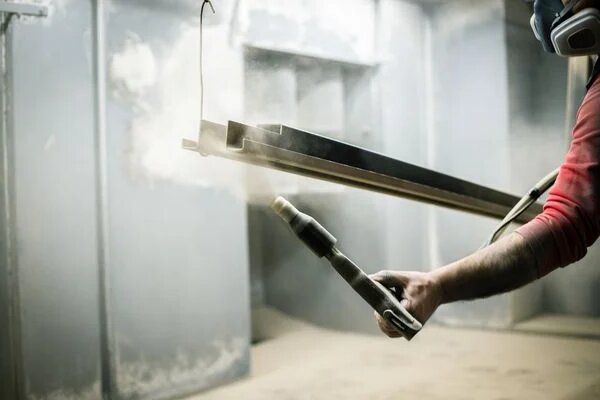
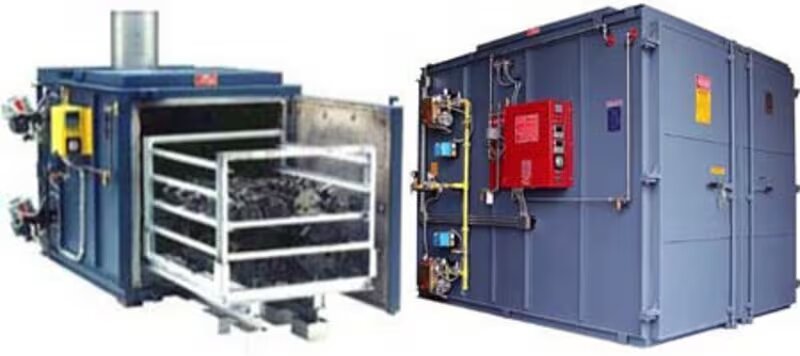
Burn-Off and Thermal Removal
Thermal stripping is heavily utilized for large-scale production rework, heavy steel brackets, and routine paint fixture cleaning. Its primary advantage is extreme speed with very low manual labor requirements. However, it carries the absolute highest risk of catastrophic metallurgical damage to the parts.
Burn-off ovens for large-scale stripping
Burn-off ovens expose the parts to extreme temperatures (typically between 650°F and 1200°F / 340°C – 650°C), effectively carbonizing the crosslinked polymer coating into ash. This process is perfectly suited for continuous, heavy-duty production environments.
It is the standard, cost-effective method for cleaning production coating hooks, heavy-duty racks, and thick carbon steel fixtures. After the burn-off cycle, the parts typically only require a light pressure wash or wire brushing to clear the remaining ash.
Heat damage on aluminum parts
High-temperature thermal stripping will destroy the mechanical integrity of aluminum. For heat-treated alloys like 6061-T6, the oven acts as an uncontrolled annealing process, causing a massive, irreversible drop in yield strength.
Once an aluminum enclosure or a structural bracket goes through a burn-off cycle, its structural integrity is permanently compromised. It will become dead-soft, rendering it completely useless for any load-bearing or structural application.
Thin sheet metal warping
Thermal stress is the ultimate enemy of flat sheet metal. The extreme heat required to burn off powder coat easily induces severe flatness deviations, with large, unsupported panels carrying the highest risk.
Even on standard cold-rolled steel, uneven heating inside the oven will cause failure. The rapid thermal expansion leads directly to waviness, twisting, and irreversible part distortion that cannot be flattened back out.
Smoke and exhaust requirements
Thermal stripping physically burns plastic, releasing massive amounts of harmful smoke and fumes. Industrial burn-off ovens require dedicated secondary afterburners to safely manage this exhaust.
The decomposition of the coating generates thick smoke, VOC gases, and toxic chemical residue. Proper operation mandates strict exhaust filtration and high-temperature afterburner systems (operating above 1500°F) to crack the remaining VOCs and meet local EPA or environmental regulations.
The Shop Rule: Never, under any circumstances, put aluminum parts or sheet metal thinner than 2.0mm into a burn-off oven. The loss of temper and thermal warping is immediate and permanent.
Laser Powder Coat Removal
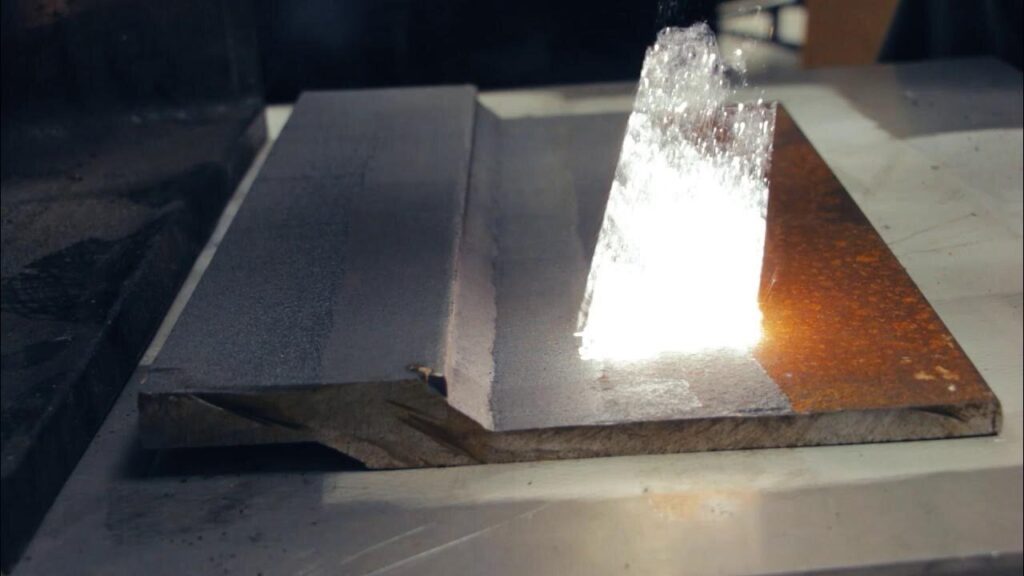
Laser stripping represents the absolute highest precision in powder coat removal. Its defining characteristic is that it is a completely non-contact process, utilizing focused light energy rather than physical abrasion, extreme heat ovens, or toxic chemical solvents.
Non-contact stripping for precision parts
Because the laser never physically strikes the metal surface, mechanical impact damage is entirely eliminated. The process utilizes high-energy pulses to instantly vaporize the polymer layer.
The heat-affected zone (HAZ) is incredibly small, meaning the underlying metal does not warp or lose its metallurgical temper. It delivers extreme precision with zero substrate damage, entirely eliminating the need to clean up messy blasting media.
Localized stripping for threads and corners
Laser stripping is the ultimate tool for localized rework on complex part geometries. It is highly effective for cleaning out tight internal threads, sharp inside corners, and critical grounding points where masking tape failed during the initial run.
It is also perfect for clearing precise weld zones prior to secondary fabrication. These tight, restricted areas are typically impossible to clean accurately with a standard blasting nozzle without damaging the surrounding metal.
Laser removal for tight tolerance components
Standard stripping methods ruin tight tolerances, but laser removal leaves them intact. It is the superior choice for high-value CNC precision parts, aerospace housings, and critical hydraulic sealing surfaces.
By precisely controlling the laser depth, you can vaporize the coating right off a critical O-ring groove (holding a ±0.001″ tolerance) without altering the bare metal below. It actively prevents edge wear and surface roughness issues that cause assembly failures.
High equipment cost and slow throughput
The major barrier to laser stripping is the massive initial capital expenditure. Industrial handheld laser systems often cost tens of thousands of dollars, making them economically unviable for stripping cheap, high-volume commercial parts.
Laser systems are strictly justified by the replacement value of the components being saved. They are designed for saving a $500 CNC-machined aerospace housing from the scrap bin, not for bulk stripping $2 stamped steel brackets.
The Shop Rule: Laser stripping is an ROI calculation. You don’t use a $20,000 laser setup to strip cheap hardware; you use it to rescue high-value precision assemblies where any dimensional change means scrapping the part.
Hidden Risks During Powder Coat Removal
Removing the polymer layer is only half the battle. If you ignore the mechanical side effects of stripping, you will end up with a perfectly clean piece of scrap metal.
Fit-up problems caused by blasting wear
Abrasive blasting actively cuts away the base metal along with the paint. If you blast a precision mating face, you can easily remove 0.02mm to 0.05mm of material in seconds.
This dimensional shift immediately causes severe fit-up problems. A press-fit bearing will become a loose fit, and complex assemblies will fail to align correctly. A rejected fit-up doesn’t just waste the part; it halts the entire assembly line. Discovering a damaged M4 thread during final assembly means expensive downtime for your assembly crew while they wait for replacements.
Rough surfaces affecting secondary finishing
Blasting aggressively spikes the surface roughness (Ra) of the bare metal. While this provides an excellent anchor pattern for a heavy new layer of powder coat, it is disastrous if the part requires a different secondary finish.
If your rework plan involves switching a blasted aluminum component over to clear anodizing or thin-film plating, the rough, pitted surface will be glaringly obvious. The part will instantly fail cosmetic QC.
Panel distortion during rework
Both thermal shock and physical impact are enemies of flat sheet metal. Blasting a large 1.5mm thick panel creates surface stress that induces “oil-canning” or waviness, while burn-off ovens introduce rapid thermal expansion.
Once a chassis lid or a precision laser-cut panel is warped, it rarely pulls back to flat. During final assembly, these warped panels will create unacceptable gaps, uneven seams, and structural tension.
Coating trapped in corners and threads
Incomplete stripping is just as dangerous as over-stripping. Powder coat loves to hide at the bottom of blind tapped holes, in tight internal corners, and around complex welded joints.
If this leftover residue is not manually chased out with a tap or pick, it leads to massive headaches down the line. It causes cross-threaded bolts, compromised electrical grounding points, and bubbling defects during the recoating cycle.
The Shop Rule: Rework isn’t successful just because the paint is gone. Always pull out the calipers and thread gauges to inspect critical dimensions _after_ stripping, before you waste money recoating a compromised part.
Environmental and Safety Requirements
Powder coat removal is not just a standard shop-floor process; it is a major compliance, liability, and safety hurdle. The byproducts of destroying crosslinked polymers are highly toxic.
VOC and exhaust control
Whether you are dissolving paint with harsh solvents or carbonizing it in an oven, the process releases massive amounts of volatile organic compounds (VOCs). Industrial environments require high-grade exhaust ventilation, and burn-off ovens absolutely must utilize afterburners to legally discharge exhaust into the atmosphere.
Hazardous waste disposal
The sludge generated by chemical stripping—a thick mixture of dissolved plastics, heavy metal pigments, and industrial solvents—cannot be poured down the drain. It is classified as hazardous waste. Mishandling hazardous stripping sludge isn’t just an EPA fine; an environmental shutdown will instantly breach your delivery contracts with major clients.
PPE and workshop ventilation
Operators handling these processes must be heavily protected. Chemical stripping demands full-face respirators and chemical-resistant aprons, while abrasive blasting requires dedicated forced-air blast suits. Cutting corners on PPE and booth ventilation directly exposes the business to severe safety fines and worker liability.
The Shop Rule: Never ignore disposal fees in your rework cost analysis. Paying a certified contractor to haul away a 55-gallon drum of toxic stripping sludge can easily wipe out the profit margins of the parts you just “saved.”
Conclusion
Removing powder coat is fundamentally an engineering compromise. The true difficulty lies not in breaking down the cured polymer, but in navigating the narrow path between aggressive coating removal and substrate preservation.
Your stripping strategy must be a calculated decision, weighing the base material’s thermal limits against the part’s geometric complexity and strict dimensional tolerances.
In industrial manufacturing, the most effective powder coat removal strategy requires stepping back to view the total cost of quality. Evaluate the labor hours, the environmental disposal costs, and the statistical risk of part damage.
Looking for a Manufacturing Partner Who Understands Surface Criticality? Shengen provides high-quality laser cutting, CNC machining, and sheet metal stamping tailored to your project’s exact needs. Stop settling for inconsistent supplier quality. Upload your drawings today and get a fast, accurate manufacturing quote.
Hey, I'm Kevin Lee

For the past 10 years, I’ve been immersed in various forms of sheet metal fabrication, sharing cool insights here from my experiences across diverse workshops.
Get in touch
Kevin Lee
I have over ten years of professional experience in sheet metal fabrication, specializing in laser cutting, bending, welding, and surface treatment techniques. As the Technical Director at Shengen, I am committed to solving complex manufacturing challenges and driving innovation and quality in each project.