Sheet Metal Manufacturing Blog

Practical insights, technical guides and industry knowledge to help you design better parts and manufacture with confidence.

Browse Manufacturing Topics

Explore our in-depth resources by topic and find the information you need.

Fabrication

Cutting, bending, welding and assembly processes.

CNC

CNC machining, milling, turning and best practices.

Enclosures

Design and manufacturing of metal enclosures.

Materials

Metals, alloys and material selection guides.

Finishing

Surface treatment, coating and finishing options.

DFM

Design for manufacturability tips and guidelines.

Applications

Real-world applications across different industries.

Latest Manufacturing Articles

In-depth guides to help you make better design and manufacturing decisions.

Titanium Vs Aluminum

Titanium Vs Aluminum: Which Is Best for Your Next Project?

For most projects, aluminum is the better choice due to its lower cost, easier machinability, and lighter weight. However, titanium excels in high-strength applications requiring corrosion resistance and biocompatibility. Your specific project requirements will determine which metal is best suited for your needs.

Read More »
laser marking aluminum

Laser Marking Aluminum: Everything You Need To Know

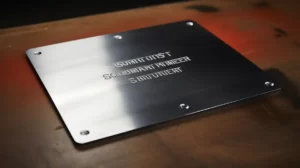
Laser marking is a process that uses a focused laser beam to create marks on a material’s surface. The laser changes the material’s color or texture, leaving text, logos, or codes behind. It’s fast, clean, and doesn’t require inks or chemicals. This makes it ideal for industries that need durable, high-quality markings. Laser marking is non-contact, meaning the material has no physical wear. The marks are also resistant to fading, scratching, and heat.

Read More »
Drilling Brass

Drilling Brass: Chip Control, Hole Quality, and Delivery Risk

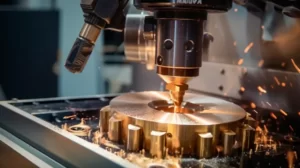
Brass drilling differs from other metals because of its unique properties. It’s softer than steel but harder than aluminum, requiring different speeds and feeds. The zinc content in brass creates challenges with chip formation and tool sticking. The correct drill bits, speeds, and lubricants will help you avoid common problems and produce clean, accurate holes.

Read More »
Mill Finish Aluminium

Mill Finish Aluminium: Manufacturing Limits and Cost Trade-Offs

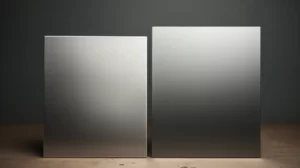
Mill finish aluminum is the raw, untreated metal directly from the extrusion or rolling process. It features a natural, matte, or semi-bright appearance with visible manufacturing lines. This cost-effective, functional finish is ideal for industrial components, structural framing, and hidden parts where durability and economy outweigh aesthetic perfection.

Read More »
Bead Blasted Stainless Steel

Bead Blasted Stainless Steel: A Complete Guide

Bead-blasted stainless steel is a finish achieved by propelling small glass beads at high speed onto the metal surface. This process creates a smooth, matte texture that reduces reflectivity and hides imperfections like scratches or fingerprints. It’s a popular choice for applications where both durability and appearance matter.

Bead blasting works by shooting tiny glass or ceramic beads through a nozzle at high pressure. The beads hit the metal surface and remove a thin layer of material, creating a smooth, even texture throughout.

Read More »
Rapid Prototype Casting

Rapid Prototype Casting: A Comprehensive Guide

Rapid Prototype casting is a time-saving, versatile method of creating metal prototypes. This method combines 3D printing with traditional casting techniques, allowing designers to quickly convert digital models into physical components, perfect for functional testing and design verification.

Read More »
UV Printing on Metal

UV Printing on Metal: A Comprehensive Guide

UV printing on metal is a digital printing method that uses ultraviolet light to cure specially formulated ink. The printer sprays the ink directly onto the surface. Then, UV lamps follow immediately to harden the ink. This fast curing process keeps the ink from spreading or soaking into the material.

Read More »
Chamfer vs Bevel

Chamfer vs Bevel: Understanding the Nuances in Design

Chamfer and bevel refer to angled cuts on the edges of materials, but there are key differences. A chamfer is typically a straight cut at a 45-degree angle, often used to remove sharp edges and improve safety or aesthetics. Conversely, a bevel can be any angle other than 90 degrees, offering more versatility for various design needs.

Read More »

Get Your Free Custom Quote Today

Expert engineering support for your next project

Fast Response

Quote within 24 hours

DFM Support

Design To Make

Quality Assured

ISO 9001:2015 certified

No Minimum Order

From prototype to production

No commitment required • 100% Free consultation

Ask For A Quick Quote

We will contact you within 1 working day, please pay attention to the email with the suffix”@goodsheetmetal.com”

Didn't Find What You Want? Talk to Our Director Directly!