Sheet Metal Manufacturing Blog

Practical insights, technical guides and industry knowledge to help you design better parts and manufacture with confidence.

Browse Manufacturing Topics

Explore our in-depth resources by topic and find the information you need.

Fabrication

Cutting, bending, welding and assembly processes.

CNC

CNC machining, milling, turning and best practices.

Enclosures

Design and manufacturing of metal enclosures.

Materials

Metals, alloys and material selection guides.

Finishing

Surface treatment, coating and finishing options.

DFM

Design for manufacturability tips and guidelines.

Applications

Real-world applications across different industries.

Latest Manufacturing Articles

In-depth guides to help you make better design and manufacturing decisions.

Sheet Metal Bracket

How to Make A Sheet Metal Bracket?

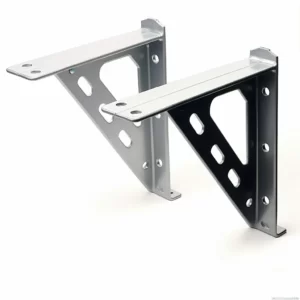
Making sheet metal brackets involves three key steps: design planning, material selection, and manufacturing method choice. Each bracket needs precise measurements, appropriate material thickness, and suitable bend angles. The manufacturing process typically includes cutting, bending, and finishing operations.
Read More »
Tolerance Stacking

Tolerance Stacking Demystified: Strategies for Flawless Assembly

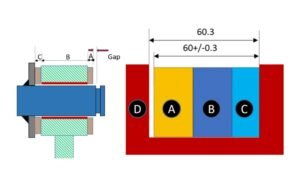
Tolerance stacking is the accumulation of dimensional deviations in mechanical assemblies due to manufacturing and assembly process uncertainties. This can hurt the performance and function of the assembly. Managing tolerance stacking during the design and production processes is essential to ensure the final product’s quality and performance.

Read More »
Polishing Stainless Steel

How to Polish Stainless Steel? The Ultimate Guide

To polish stainless steel, you’ll need to clean it with water and mild detergent first. After drying, apply a polish designed for stainless steel or a dab of olive oil for a DIY approach. Rub the solution toward the grain with a soft cloth to enhance shine and minimize scratches.

Read More »
brushed stainless steel

What is Brushed Stainless Steel? A Comprehensive Guide

Brushed stainless steel is a surface treatment applied to the surface of stainless steel by sanding the surface with sandpaper or abrasives to create an even, refined, textured appearance. This treatment gives the stainless steel surface a smooth, shiny, non-reflective appearance while improving its resistance to scratching and abrasion.

Read More »
brass laser cutting

Brass Laser Cutting: A Complete Guide

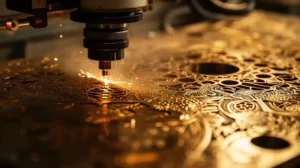
Brass laser cutting is a technique that uses a high-energy laser beam to cut brass materials. The laser beam melts or vaporizes the brass, while a combustion gas blows away the molten metal, ensuring a clean cut.

This method allows for precise and smooth edges, making it ideal for intricate designs and detailed work. The laser’s accuracy helps achieve tight tolerances and reduces material waste, providing both efficiency and high-quality results in various industries.

Read More »
Sheet metal K-factor

How Sheet Metal K Factor Shapes Your Project

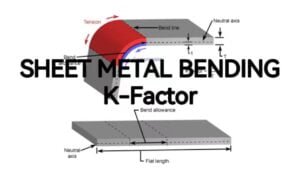
The K Factor is a number that tells you where the stretch happens during bending. It shows how far into the sheet the neutral axis moves. When you bend a sheet, the outside stretches, and the inside compresses. The K Factor sits in between. It helps you calculate how much material you need for accurate flat patterns. If the K Factor is wrong, your part won’t bend the way you planned.

Read More »
Powder Coating vs paint in sheet metal parts

Powder Coating VS Paint: Which is a better program for you?

Powder coating and paint protect metal surfaces but differ in key ways. Powder coating creates a thicker, more durable finish that resists chipping and scratching better than traditional paint. It also produces less waste and releases fewer chemicals into the air. However, paint offers more color options and can be easier to touch up.

Read More »
Sheet Metal Forming

Sheet Metal Forming: A Practical Guide for Production

Sheet metal forming is the process of changing flat metal into a new shape by applying controlled force. The material is pushed past its elastic limit so it keeps the new shape after the force is removed. In simple terms, the sheet becomes a structural part through deformation, not through heavy cutting or multi-piece assembly.

Read More »

Get Your Free Custom Quote Today

Expert engineering support for your next project

Fast Response

Quote within 24 hours

DFM Support

Design To Make

Quality Assured

ISO 9001:2015 certified

No Minimum Order

From prototype to production

No commitment required • 100% Free consultation

Ask For A Quick Quote

We will contact you within 1 working day, please pay attention to the email with the suffix”@goodsheetmetal.com”

Didn't Find What You Want? Talk to Our Director Directly!