Sheet Metal Manufacturing Blog

Practical insights, technical guides and industry knowledge to help you design better parts and manufacture with confidence.

Browse Manufacturing Topics

Explore our in-depth resources by topic and find the information you need.

Fabrication

Cutting, bending, welding and assembly processes.

CNC

CNC machining, milling, turning and best practices.

Enclosures

Design and manufacturing of metal enclosures.

Materials

Metals, alloys and material selection guides.

Finishing

Surface treatment, coating and finishing options.

DFM

Design for manufacturability tips and guidelines.

Applications

Real-world applications across different industries.

Latest Manufacturing Articles

In-depth guides to help you make better design and manufacturing decisions.

Laser Etching Aluminum

The Ultimate Guide to Laser Etching Aluminum

Laser etching aluminum means using a focused laser beam to mark the surface of the metal. The laser heats the surface and changes its top layer. This creates a visible mark. The laser doesn’t cut deep into the metal. It only changes the color or texture of the surface.

Read More »
Sheet Metal Tolerances

Sheet Metal Tolerances: A Comprehensive Guide

Sheet metal tolerances refer to the allowable limits of variation in a part’s size, shape, or feature location. They define how much a measurement can shift from the intended design. Tolerances apply to dimensions such as part length, width, hole size, and bend angles. They help manufacturers determine when a part meets specifications or needs to be remade. Without precise tolerances, parts may not fit or function well.

Read More »
Spot Welding Stainless Steel

How to Master Spot Welding Stainless Steel for Beginners

Spot welding is a type of resistance welding. It uses copper electrodes to clamp two metal sheets and pass electrical current through them. The heat comes from the metal’s resistance to the current. This heat melts the metal at the point of contact. The pressure from the electrodes helps fuse the metal together as it cools.

Read More »
Anodized Aluminum Colors

Anodized Aluminum Colors: Beauty & Durability Combined

Anodizing aluminum is an excellent way to add durability and aesthetic appeal to your products. However, achieving the right anodized color can be tricky. If the color doesn’t turn out as expected, it can compromise both the look and functionality of your project. Many factors can influence the final color,

Read More »
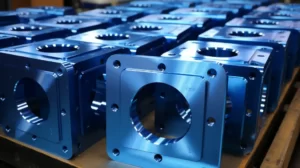
Zinc Plating blue sheet metal parts

What is Zinc Plating: A Comprehensive Guide

Zinc plating, also called zinc electroplating or galvanizing, is the process of adding a thin zinc layer to a metal surface. The primary purpose is to protect the metal underneath from rust and corrosion. Zinc serves as a sacrificial anode, meaning it will corrode before the metal underneath does.

Read More »
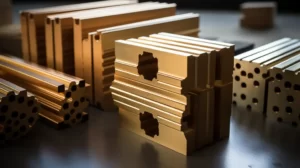
Brass Extrusion

Brass Extrusion: A Comprehensive Guide to Expert Techniques

Brass extrusion is a process that shapes brass by pushing a heated block through a mold, called a die. The block, known as a billet, is first heated until it becomes soft but does not melt. Then, a powerful press pushes it through the die. As the brass moves through, it forms into the shape of the die. This shape could be a rod, a tube, or a more detailed profile with edges or grooves.

Read More »
laser welding

What is Laser Welding and How Does It Work?

Laser welding is a powerful technique that can transform your manufacturing processes. Many engineers and designers face challenges with traditional welding methods, such as slow speeds and inconsistent quality. Laser welding offers a solution by providing precision, speed, and a cleaner finish, making it an attractive option for various applications.

Read More »
Bead Blast Finish

Mastering Bead Blast Finish: A Comprehensive Guide

Bead blast finish is a surface preparation process that improves the surface of metal parts by spraying fine glass or steel beads at high pressure. It removes rust, paint, or other contaminants while giving the part a semi-polished or satin finish.

Bead blasting is widely used for finishing metal parts to improve their appearance, increase corrosion resistance, and prepare surfaces for additional coatings.

Read More »
Precision Grinding

Precision Grinding: What Is, and How It Works

Precision grinding is a method that uses a spinning wheel covered in abrasive particles. This wheel cuts away tiny amounts of metal from a part’s surface. The goal is to improve accuracy, achieve tight tolerances, and create a smoother surface. It does not significantly alter the overall shape. Instead, it fine-tunes a part that is already close to the final size.

Read More »

Get Your Free Custom Quote Today

Expert engineering support for your next project

Fast Response

Quote within 24 hours

DFM Support

Design To Make

Quality Assured

ISO 9001:2015 certified

No Minimum Order

From prototype to production

No commitment required • 100% Free consultation

Ask For A Quick Quote

We will contact you within 1 working day, please pay attention to the email with the suffix”@goodsheetmetal.com”

Didn't Find What You Want? Talk to Our Director Directly!