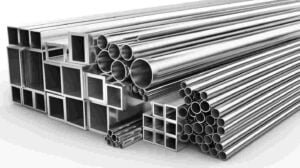
6061 vs 7075 Aluminum: Which one is better for you?
6061 aluminum is known for its versatility, good mechanical properties, and weldability. In contrast, 7075 aluminum is renowned for its strength and toughness, ideal for high-stress applications.

6061 aluminum is known for its versatility, good mechanical properties, and weldability. In contrast, 7075 aluminum is renowned for its strength and toughness, ideal for high-stress applications.
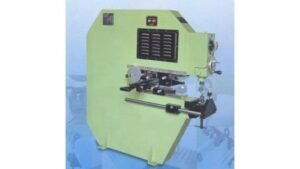
Nibbling is a cutting process used in sheet metal work. It uses a punch and die set to remove small, repeated sections of material. This happens one step at a time.
The tool moves across the workpiece in short strokes. Each punch makes a small hole or notch. These holes overlap. Together, they create a cut that follows any path.

Permanent mold casting is a metal casting process using reusable steel or iron molds. Molten metal is poured into these molds under gravity or low pressure.
The mold is not destroyed after use. Instead, it is cooled, opened, and reused for the next casting cycle. This repeatability makes the process ideal for high consistency.
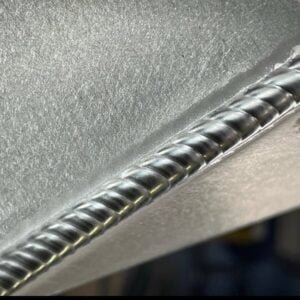
To weld cast aluminum effectively, clean the surface thoroughly, preheat the material, and use the correct filler rod. TIG welding is often the best method for providing precise control. Use an AC setting to manage the oxide layer on the aluminum and ensure strong welds.
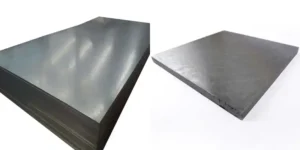
Hot rolled steel is made by heating metal above 1700°F and rolling it into shape. Cold rolled steel is processed at room temperature, making it smoother and more precise. The key difference? Strength, finish, and cost.

The main difference between sandblasting and bead blasting is the material used and the result. Sandblasting uses rough sand particles, which can be aggressive. This makes it great for heavy-duty cleaning. Bead blasting, however, uses smooth, spherical beads. It creates a gentler finish, better for delicate surfaces or when you need more precision.
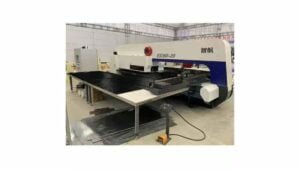
A turret punch is a flexible machine for punching, cutting, and shaping sheet metal. It has a rotating turret that holds multiple punches and dies. This design allows quick changes between different tools without stopping or resetting the machine.
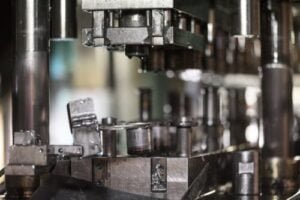
Short run stamping is a manufacturing process used for low-to-medium production volumes, typically between 500 and 5,000 parts. It utilizes modular, lower-cost tooling to blank, pierce, and form sheet metal components, offering faster setup times and lower upfront engineering costs than progressive die stamping.
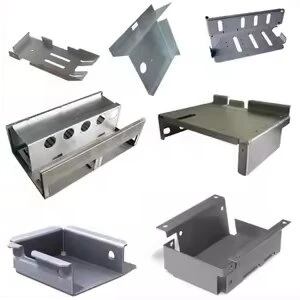
A sheet metal flange can be a projection, a rim, or both. It adds strength, attaches a part, or creates a flat surface. The edges of sheet metal are usually bent or welded to create flanges. These flanges are used in many different applications, including manufacturing and design.