Sheet Metal Manufacturing Blog

Practical insights, technical guides and industry knowledge to help you design better parts and manufacture with confidence.

Browse Manufacturing Topics

Explore our in-depth resources by topic and find the information you need.

Fabrication

Cutting, bending, welding and assembly processes.

CNC

CNC machining, milling, turning and best practices.

Enclosures

Design and manufacturing of metal enclosures.

Materials

Metals, alloys and material selection guides.

Finishing

Surface treatment, coating and finishing options.

DFM

Design for manufacturability tips and guidelines.

Applications

Real-world applications across different industries.

Latest Manufacturing Articles

In-depth guides to help you make better design and manufacturing decisions.

powder coat thickness (1)

Powder Coating Thickness Explained: What’s the Right Range?

Powder coating thickness is the depth of the coating applied to a surface. It is measured from the top of the coating to the part’s surface underneath. The ideal powder coating thickness ranges from 2 to 5 mils (50-125 microns). This ensures strong protection, a smooth look, and no performance issues.

Read More »
material 316l stainless steel

316L Stainless Steel: Properties, Fabrication, and Cost Guide

316L stainless steel is a low-carbon, molybdenum-bearing austenitic alloy designed for superior corrosion resistance and excellent weldability. The molybdenum protects against chlorides and pitting, while the maximum 0.03% carbon content prevents sensitization during welding, making it the standard choice for marine, pharmaceutical, and food processing applications.

Read More »
anodizing vs alodining

Alodine vs Anodize: How to Choose for Aluminum Parts

Alodine and Anodize are two popular treatments for aluminum surfaces. Both improve corrosion resistance but use different methods. Anodizing is an electrochemical process that builds a thick, rigid, and non-conductive oxide layer on the metal. Alodine is a chemical process that forms a thinner, conductive layer. It offers good protection but keeps the metal’s electrical conductivity.

Read More »
What is Hard Turning

Hard Turning Explained: Process, Benefits, and Best Use Cases

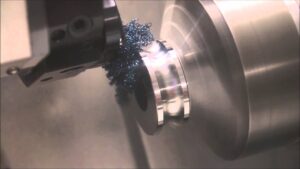
Hard turning is precision turning that shapes metals with high hardness, typically above 45 HRC. The process uses a single-point cutting tool made of CBN (cubic boron nitride), ceramic, or carbide. The goal is to produce a smooth surface and meet tight tolerances in a single operation. It’s most often used on steel parts after heat treatment, eliminating the need for secondary grinding.

Read More »
Linishing Process

What Is Linishing? A Beginner’s Guide to Surface Finishing

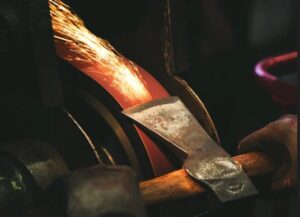
Linishing is a surface finishing method used to smooth and polish metal parts. It removes burrs, scratches, or weld marks using abrasive tools like belts or discs, making the surface cleaner and more even. It’s often done after cutting, welding, or shaping to prepare the part for painting, coating, or assembly.

Read More »
what is 201 stainless steel

201 Stainless Steel: Key Properties and Advantages Explained

201 stainless steel is part of the 200 series of austenitic stainless steels. It contains less nickel than 304 but adds more manganese and nitrogen to compensate. This change helps lower the cost while keeping much of the needed strength and ductility. The standard composition includes around 16–18% chromium, 3.5–5.5% manganese, 4–6% nickel, and small amounts of nitrogen and carbon.

Read More »

Get Your Free Custom Quote Today

Expert engineering support for your next project

Fast Response

Quote within 24 hours

DFM Support

Design To Make

Quality Assured

ISO 9001:2015 certified

No Minimum Order

From prototype to production

No commitment required • 100% Free consultation

Ask For A Quick Quote

We will contact you within 1 working day, please pay attention to the email with the suffix”@goodsheetmetal.com”

Didn't Find What You Want? Talk to Our Director Directly!