
Sheet Metal Manufacturing Blog

Practical insights, technical guides and industry knowledge to help you design better parts and manufacture with confidence.

Browse Manufacturing Topics

Explore our in-depth resources by topic and find the information you need.

Fabrication

Cutting, bending, welding and assembly processes.

CNC

CNC machining, milling, turning and best practices.

Enclosures

Design and manufacturing of metal enclosures.

Materials

Metals, alloys and material selection guides.

Finishing

Surface treatment, coating and finishing options.

DFM

Design for manufacturability tips and guidelines.

Applications

Real-world applications across different industries.

Latest Manufacturing Articles

In-depth guides to help you make better design and manufacturing decisions.

copper is a magnetic material

Is Copper Magnetic? Learn How Copper Reacts in a Magnetic Field

Copper is not magnetic. You can place a copper wire or pipe next to a magnet, and nothing will happen. It won’t stick, and it won’t move.

This is because copper doesn’t have the kind of atomic structure that supports magnetism. Its electrons do not line up to create a magnetic field. So, unlike iron or steel, copper shows no attraction to magnets in normal conditions.
Read More »
does zinc rust (1)

Does Zinc Rust? A Deep Dive into Zinc’s Corrosion Behavior

Zinc doesn’t rust in the same way that iron does. It doesn’t form the flaky, reddish-brown layer we usually associate with rust. Instead, zinc reacts with air and moisture to form a thin surface layer. This layer doesn’t damage the metal—it protects it.

But under certain conditions, zinc can still corrode over time. The way it reacts depends on the environment and the type of zinc coating used.

Read More »
What Is High Speed Machining

High Speed Machining Explained: What You Need to Know

High speed machining (HSM) is a cutting method that utilizes significantly faster speeds than standard machining. It involves higher spindle speeds, quicker feed rates, and rapid moves between cuts.

The primary goal is to remove material quickly without generating excessive heat. Fast and light cuts help keep the tools cool. This reduces tool wear and gives a smoother surface on the finished part.

Read More »
heat sink parts

Aluminum vs Copper Heat Sink: Which One Performs Better?

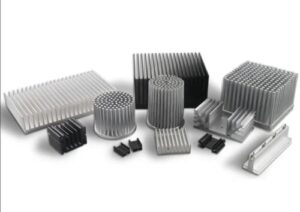
Aluminum heat sinks are a solid option for most cooling tasks. They are lighter than copper and cost less. Copper heat sinks transfer heat better, but they are heavier and more expensive. If you’re looking for a balance of cost, weight, and performance, aluminum is usually the better pick. However, if you require top-level cooling in a confined space, copper is the best option.

Read More »
What Is Single Point Threading (1)

Single Point Threading: A Comprehensive Guide

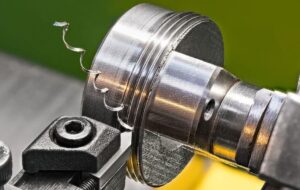
Single point threading is a method that uses a cutting tool to create threads on a workpiece. It uses one tool shaped like the thread profile. As the part spins on a lathe, the tool moves along it and cuts the thread. This cutting happens slowly and in steps.

Read More »

Get Your Free Custom Quote Today

Expert engineering support for your next project

Fast Response

Quote within 24 hours

DFM Support

Design To Make

Quality Assured

ISO 9001:2015 certified

No Minimum Order

From prototype to production

No commitment required • 100% Free consultation

Ask For A Quick Quote

We will contact you within 1 working day, please pay attention to the email with the suffix”@goodsheetmetal.com”

Didn't Find What You Want? Talk to Our Director Directly!