Sheet Metal Manufacturing Blog

Practical insights, technical guides and industry knowledge to help you design better parts and manufacture with confidence.

Browse Manufacturing Topics

Explore our in-depth resources by topic and find the information you need.

Fabrication

Cutting, bending, welding and assembly processes.

CNC

CNC machining, milling, turning and best practices.

Enclosures

Design and manufacturing of metal enclosures.

Materials

Metals, alloys and material selection guides.

Finishing

Surface treatment, coating and finishing options.

DFM

Design for manufacturability tips and guidelines.

Applications

Real-world applications across different industries.

Latest Manufacturing Articles

In-depth guides to help you make better design and manufacturing decisions.

Composition of Low Alloy Steels

What is Low Alloy Steel:Composition, Properties, and Uses

Low alloy steel is a type of steel that has small amounts of added elements, usually between 1% and 8%. These elements are added to improve the steel’s strength, hardness, resistance to rust, and toughness. Common added elements include chromium, nickel, molybdenum, and vanadium. These make the steel stronger and more durable than regular carbon steel but without the high cost of stainless steel.

Read More »
DLC Coating

DLC Coating: How It Extends Part Life and Cuts Friction?

DLC coating is short for Diamond-Like Carbon coating. It is a skinny layer of carbon-based material that shares some traits with natural diamonds. It’s a coating made from carbon atoms. These atoms are arranged in a way that mimics a diamond. This coating is applied to a part’s surface to make it harder, smoother, and more resistant to wear.

Read More »
NEMA 12 vs NEMA 1

NEMA 1 vs NEMA 12: A Detailed Comparison

NEMA 1 and NEMA 12 are both types of industrial enclosures, but they serve different purposes. NEMA 1 protects against basic indoor dust and accidental contact. NEMA 12 offers better protection against dust, dirt, and dripping non-corrosive liquids. Your choice depends on where and how you plan to use the enclosure.

Read More »
what is infill in 3d printing (1)

What Is Infill in 3D Printing and Why Does It Matter?

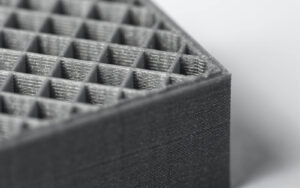
Infill refers to the internal structure within a 3D printed part. It supports the outer shell and gives the part its strength. Infill patterns, percentage, and orientation all affect how strong, heavy, or fast the part prints. Choosing the proper infill depends on your part’s use and requirements.

Read More »
6061 T6

Aluminum 6061 T6 vs 6061 T651: What’s the Difference?

Both 6061-T6 and 6061-T651 offer high strength, good corrosion resistance, and excellent machinability. The main difference is stress relief. T651 is stretched after heat treatment, which reduces internal stresses. T6 is not. For most projects, either option can work, but T651 provides more stability when tight tolerances or large plates are required.

Read More »
How Does CNC Tapping Work

CNC Tapping Explained: Tools, Techniques, and Best Practices

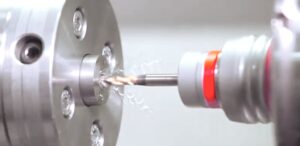
CNC tapping is an automated process that creates internal threads in holes using a computer-controlled machine. CNC tapping utilizes a specialized tool known as a tap. The tap spins and moves into the hole at the right speed. The machine follows a set program, so every thread has the same depth and pitch.

Read More »
Fourslide Stamping

What Is Fourslide Metal Stamping and How Does It Work?

Fourslide metal stamping is a forming method that uses four moving slides to shape metal. These slides sit around a central point and move in from four sides. Each one holds a tool that bends or cuts the metal strip. Sometimes, a vertical press head is added to facilitate additional shaping.

Read More »
salt spray test

Salt Spray Testing Methods, Standards, and What the Results Tell You

Salt spray testing, also known as salt fog testing, is a method used for corrosion testing. It exposes metal parts to a fine mist of saltwater solution inside a controlled chamber. The goal is to create an accelerated corrosive environment. This test helps evaluate how coatings, platings, and surface treatments withstand harsh conditions.

Read More »

Get Your Free Custom Quote Today

Expert engineering support for your next project

Fast Response

Quote within 24 hours

DFM Support

Design To Make

Quality Assured

ISO 9001:2015 certified

No Minimum Order

From prototype to production

No commitment required • 100% Free consultation

Ask For A Quick Quote

We will contact you within 1 working day, please pay attention to the email with the suffix”@goodsheetmetal.com”

Didn't Find What You Want? Talk to Our Director Directly!