BLOG

We regularly update articles related to the manufacturing industry.

spot vs tack weld

Tack Weld vs Spot Weld: Process Selection in Metal Fabrication

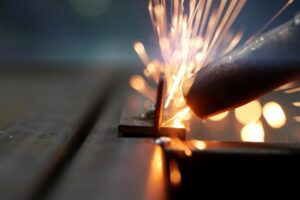
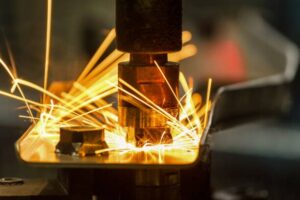
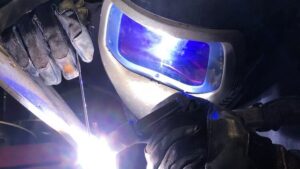
These two welding techniques serve different purposes in metal fabrication. Tack welding creates temporary joints to hold pieces in position before final welding, while spot welding permanently fuses metal sheets through electrical resistance. Each method brings unique advantages to specific applications.

Read More »
What is Sheet Metal Notching

Sheet Metal Notching: Precision Techniques and Applications

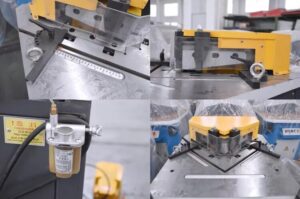
Notching refers to cutting away specific sheet metal sections, typically at corners or edges. The process creates deliberate gaps that facilitate bending, joining, or interlocking with other components. A well-executed notch reduces stress concentration and strengthens structural integrity.

Read More »
hot bending vs cold bending

Cold Bending vs Hot Bending: What is the difference

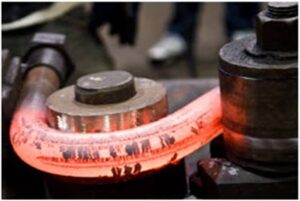
Cold bending and hot bending represent two fundamentally different approaches to metal forming. Cold bending shapes metal at room temperature through mechanical force, while hot bending involves heating the material before deformation. Each technique affects material properties differently and serves unique manufacturing needs.

Read More »
different types of springs

Different Types of Springs: Uses, Materials, and Benefits

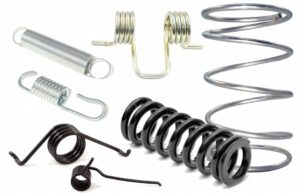
Springs come in three main types: helical, leaf, and disk springs. Each type serves unique functions tailored to its design and load-bearing capacities. Helical springs compress or extend to absorb force, leaf springs distribute weight across a wider area, and disk springs offer a compact solution for storing and releasing energy.

Read More »
Laser Cut Acrylic

Laser Cutting Acrylic: Techniques, Benefits, and Applications

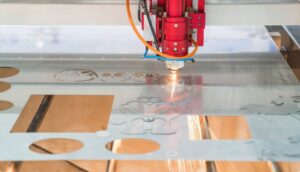
Laser cutting revolutionizes acrylic fabrication through concentrated beams of light that melt and vaporize material with microscopic precision. This technology achieves clean edges, complex patterns, and detailed cuts impossible with traditional methods. Modern laser systems can handle various acrylic thicknesses and types while maintaining exceptional accuracy.

Read More »
Resistance Welding

Electric Resistance Welding: Process, Design and Quality

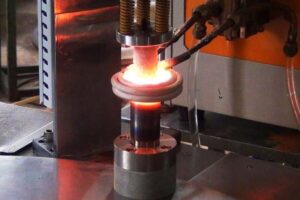
Electric resistance welding (ERW) is a manufacturing process that fuses metals using localized heat generated by electrical resistance and mechanical pressure. It requires no filler materials or shielding gases, making it a high-speed, cost-effective method for sheet metal assembly and mass production.

Read More »
projection weld

Understanding Projection Welding: An In-Depth Guide

Projection welding is a form of resistance welding that uses pressure and electric current to join two or more metal parts. It uses raised sections or “projections” on one of the metal parts to concentrate the welding current, heat, and pressure. This technique creates consistent, high-quality joints in a fraction of the time compared to other methods.

Read More »
insert molding process

Insert Molding: Everything You Need to Know

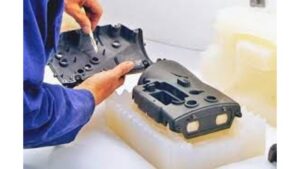
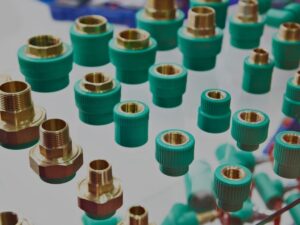
Insert molding is a cutting-edge manufacturing technique. It combines two or more materials into a single, cohesive component. The process starts with placing a pre-made insert into a mold cavity. Then, molten plastic is injected around it. As the plastic cools and solidifies, it bonds with the insert.

Read More »
Sheet Metal Punching

Piercing vs Punching vs Blanking: How They Differ

TPiercing, punching, and blanking are three key metal fabrication techniques. Each method has unique characteristics and applications. TPiercing creates holes without removing material. Punching cuts out shapes from sheet metal. Blanking produces separate pieces from a larger sheet.

Read More »
What is Deep Drawing

Deep Drawing Stainless Steel: A Comprehensive Guide

Deep drawing transforms flat stainless steel sheets into three-dimensional shapes without welding or joining. This technique creates seamless, durable parts for various industries. It excels in producing cylindrical, box-shaped, or irregularly formed components with exceptional precision and efficiency.

Read More »
Stainless Steel 3D Printing

Stainless Steel 3D Printing: A comprehensive guide

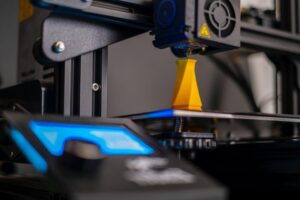
Stainless steel 3D printing is transforming the manufacturing landscape. This innovative technology enables the creation of complex geometries, reduces material waste, and shortens production times. It benefits industries requiring high-performance, corrosion-resistant parts in small to medium quantities.

Read More »
Stretch Forming Process

Stretch Forming 101: The Key to Achieving Flawless Curves

Stretch forming is a metal fabrication technique that stretches and bends metal over a die to create curved shapes. It uses tension to pull the material taut while forming it around a mold, resulting in uniform thickness and minimal spring-back. This method produces large, contoured parts with high dimensional accuracy.

Read More »

Ask For A Quick Quote

We will contact you within 1 working day, please pay attention to the email with the suffix”@goodsheetmetal.com”

Didn't Find What You Want? Talk to Our Director Directly!