BLOG

We regularly update articles related to the manufacturing industry.

Roll-bending Types

Roll Bending: Everything You Need to Know

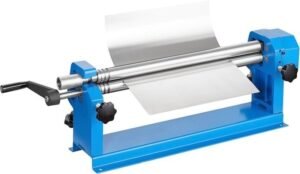
Roll bending is using rollers to bend metal into curved shapes. This process uses rollers to apply pressure on the material and bend it in small increments to achieve the desired curve. The process’s principle is to gradually deform material without creating cracks or defects.

Read More »
deep draw metal stamping

Explore Deep Drawn Stamping: Technology and Advantages

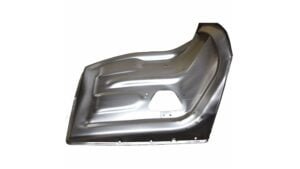
The deep drawn stamping process is an efficient metal-forming method that creates complex shapes efficiently and precisely. This process involves drawing a blank metal sheet into a forming tool and transforming it into intricate designs. This method produces high-quality components at lower costs, particularly for large production runs.

Read More »
nibbling in sheet metal

Nibbling in Sheet Metal: A Comprehensive Guide for Beginners

Nibbling is a cutting process used in sheet metal work. It uses a punch and die set to remove small, repeated sections of material. This happens one step at a time.

The tool moves across the workpiece in short strokes. Each punch makes a small hole or notch. These holes overlap. Together, they create a cut that follows any path.

Read More »
Permanent Mold Casting

Permanent Mold Casting: A Comprehensive Guide

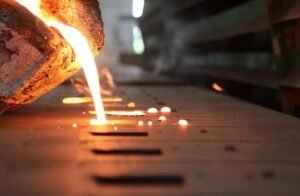
Permanent mold casting is a metal casting process using reusable steel or iron molds. Molten metal is poured into these molds under gravity or low pressure.

The mold is not destroyed after use. Instead, it is cooled, opened, and reused for the next casting cycle. This repeatability makes the process ideal for high consistency.

Read More »
how to weld cast aluminum

How to Weld Cast Aluminum and Reduce Repair Risk?

To weld cast aluminum effectively, clean the surface thoroughly, preheat the material, and use the correct filler rod. TIG welding is often the best method for providing precise control. Use an AC setting to manage the oxide layer on the aluminum and ensure strong welds.

Read More »
turret punch press

Turret Punch: Everything You Need to Know

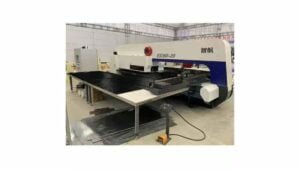
A turret punch is a flexible machine for punching, cutting, and shaping sheet metal. It has a rotating turret that holds multiple punches and dies. This design allows quick changes between different tools without stopping or resetting the machine.

Read More »
short run metal stamping

Exploring Short Run Stamping: A Complete Guide

Short run stamping is a process used to shape metal parts by pressing metal sheets between a die and a punch. This method is ideal for producing a smaller number of parts, typically ranging from a few hundred to a few thousand. It is a cost-effective option compared to high-volume stamping, which requires complex and expensive dies.

Read More »
sheet metal flanges

Sheet Metal Flange: Everything You Need to Know

A sheet metal flange can be a projection, a rim, or both. It adds strength, attaches a part, or creates a flat surface. The edges of sheet metal are usually bent or welded to create flanges. These flanges are used in many different applications, including manufacturing and design.

Read More »
tig welding torch assembly

Welding Assembly 101: A Comprehensive Guide for Beginners

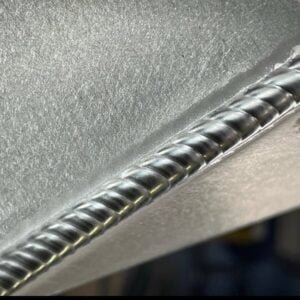
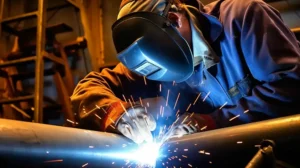
Welding assembly is a method used to join two or more metal parts. This is done by applying heat, pressure, or both, along with a filler material. The main goal is to form a strong, permanent bond that can handle stress and environmental factors.

There are different techniques, such as MIG welding, TIG welding, and stick welding. Each method has its strengths, depending on the material and application.

Read More »
structural steel fabricators

What is Structural Steel Fabrication: A comprehensive guide

Structural steel fabrication is cutting, shaping, and assembling steel to make load-bearing components. These parts form the framework of buildings, factories, and other large projects.

The process includes detailed planning, precision work, and skilled labour. It ensures that every beam, column, or plate is ready to handle the weight and forces it will face.

Read More »
Cold Stamping process

Cold Stamping 101: A Comprehensive Guide

Cold stamping is also known as cold forming. It’s a metalworking technique where metal sheets are formed into desired shapes at room temperature. High pressure is used to press the metal into a set of dies, creating intricate parts without heating. It is popular in industries such as automotive and electronics because of its cost-effectiveness and speed.

Read More »
spot welding

What is Spot Welding and How Does It Work?

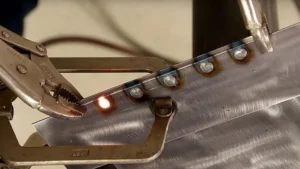
Spot welding is a type of resistance welding used to join metal sheets. It works by applying heat at the contact points between two pieces of metal. This heat is created when a large electric current passes through the metal. The heat melts the metal at the contact point and forms a weld.

The process uses two copper alloy electrodes. These electrodes focus the current on a small spot while applying pressure to hold the metal sheets together. The pressure keeps the sheets in place during welding. Spot welding is typically used on sheets 0.5 to 3 millimeters thick.

Read More »
How to cut titanium

Cutting Titanium: Processes for the Shaping Industry in Detail

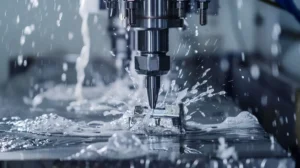
Cutting titanium requires specific methods because of its hardness and sensitivity to heat. Common techniques include laser cutting, water jet cutting, plasma cutting, CNC machining, and electrical discharge machining. Each method has advantages and challenges, so it’s important to select the right one based on your specific needs.

Read More »
Laser Cutting Stainless Steel

Laser Cutting Stainless Steel: A Comprehensive Guide

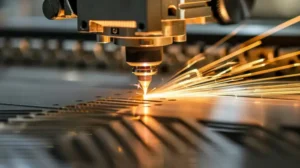
Laser cutting uses a concentrated laser beam to heat and melt the stainless steel, allowing for highly accurate cuts. The laser follows a computer-guided path, offering consistent, repeatable results.

This method is ideal for creating complex shapes and fine details, providing clean edges with minimal heat distortion. Laser cutting doesn’t physically touch the material, reducing wear on the tools and ensuring the process is efficient and precise.

Read More »
custom metal parts fabrication

Custom Metal Parts Manufacturing: Key Processes Explained

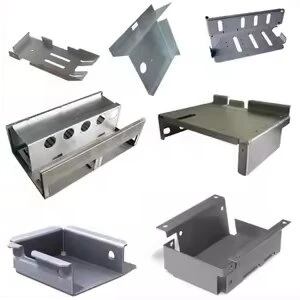
Metal fabrication involves turning raw metal into useful parts or structures through cutting, bending, welding, and assembling. It plays a key role in the manufacturing, construction, and engineering industries.

The process includes several steps, each contributing to the final product. Whether making small, detailed pieces or large structural elements, metal fabrication is essential for creating high-quality, functional products from metal.

Read More »

Ask For A Quick Quote

We will contact you within 1 working day, please pay attention to the email with the suffix”@goodsheetmetal.com”

Didn't Find What You Want? Talk to Our Director Directly!