BLOG

We regularly update articles related to the manufacturing industry.

cutting aluminum

How To Cut Aluminum Sheet Metal?

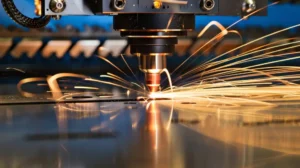
You can cut aluminum sheet metal using hand tools or machines. For small projects, tools like tin snips or a jigsaw work well. For clean, fast cuts on large jobs, use a shear, laser cutter, or CNC machine. The right method depends on your sheet thickness, volume, and accuracy needs. Always secure the sheet and wear safety gear before cutting.

Read More »
copper fabric

Copper Fabrication: A Comprehensive Guide

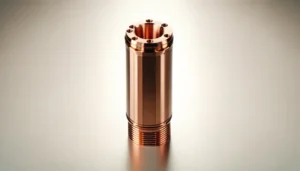
Copper fabrication means turning raw copper into finished parts. It involves several steps, including cutting, bending, forming, welding, and assembling.

Fabricators start with copper sheets, rods, or tubes. They then use machines or tools to make parts for various uses. Copper parts are common in electronics, heating systems, and architectural components.

Read More »
brass fabrication near me

Brass Fabrication: A Comprehensive Guide

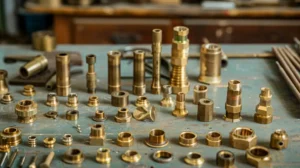
Brass fabrication means shaping brass into different parts or products through specific methods. Common methods include cutting, forming, and welding. Fabricators use these processes to turn raw brass materials into useful items or components.

Read More »
Low-Volume Production

Low-Volume Production: A Comprehensive Guide

Low-volume production refers to the manufacturing of a limited number of units, typically ranging from a few tens to a few thousand. This method allows businesses to produce products on a smaller scale but with the same quality as mass production. It’s often used for prototypes, product tests, or limited-run items. Companies can use this approach to perfect their designs before committing to mass production.

Read More »
Press Brake Forming

Press Brake Forming: Everything You Need to Know

Press brake forming is a process that bends sheet metal by pressing it between a punch and a die. The punch moves down to push the metal into the die, creating a bend. The angle and shape depend on the punch, die, and press depth.

The key idea behind press brake forming is controlled force. The press brake applies pressure along a straight axis. This force bends the metal without cutting or breaking it.

Read More »
Punch Press

Punch Press 101: Everything You Need to Know

A punch press is a machine used to cut, bend, or form sheet metal. It uses a tool called a punch to press the metal into a die. The metal takes the shape of the die after being hit by the punch. The machine can create holes, cutouts, flanges, or bends. It is widely used in industries that need metal parts in specific shapes.

Read More »
progressive die metal stamping

Progressive Die Stamping: When It Makes Sense for Your Part

Progressive die stamping is a multi-step process that uses a single die set to perform various operations on a metal strip. Each operation happens in stages, with the material progressing through the die. This allows manufacturers to create complex parts efficiently and at a high production rate.

The process begins with a metal strip being fed into the press. The die performs a series of actions, such as punching, cutting, or bending. As the strip moves through the die, it undergoes these operations in sequence. When the strip exits the die, it is transformed into the desired part.

Read More »
welding thin metal

Welding Thin Metal: A Comprehensive Guide

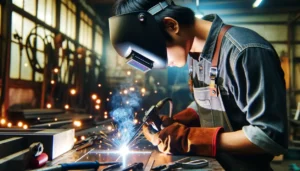
You need to use the proper techniques and equipment to weld thin metal successfully. Start with a lower heat setting on your welding machine, which will prevent burning through the metal. Choose the right filler material and use short, controlled welds to avoid overheating the metal.

Read More »
3d printing copper

The Guide to Copper 3D Printing Technologies and Applications

Copper 3D printing is additive manufacturing in which copper powder or wire is layered and fused to build a part. Traditional methods like casting and machining have trouble with copper, as its high reflectivity and heat conductivity make it challenging to work with.

Recent advances in laser and extrusion-based 3D printing have changed this. Manufacturers can now create detailed copper parts with high accuracy and efficiency.

Read More »
types of weld joints

What Are The 5 Basic Types of Welding Joints?

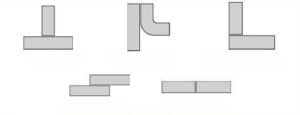
A fabricated structure’s integrity depends on the welding joints’ quality. There are five types of welding joints: corner, butt, lap, tee, and edge. Each type has a specific purpose and ensures solid and durable structures. Anyone involved in metal fabrication must understand these joints because they determine the design and functionality of the final product.

Read More »
undercut of welding

Welding Undercut: Causes, Fatigue Risks, and Prevention

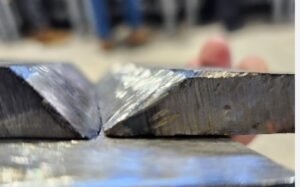
A welding undercut is a critical groove defect melted into the base metal at the weld toe and left unfilled by filler material. This reduces the part’s cross-sectional thickness and creates sharp stress risers prone to fatigue failure, typically resulting from excessive heat input or overly fast travel speeds.

Read More »
plasma cutting stainless steel

Plasma Cutting Stainless Steel: Techniques, Tips, and Safety

Plasma cutting uses ionized gas to form a high-temperature channel that cuts through metal. This method offers a good balance between cut quality and cost for stainless steel. It works well for both prototypes and large production runs. The edges are cleaner than those from oxy-fuel cutting. Plasma cutting is also more budget-friendly than laser cutting and suitable for many uses.

Read More »
Welding Defects

Understanding the 11 Common Types of Welding Defects

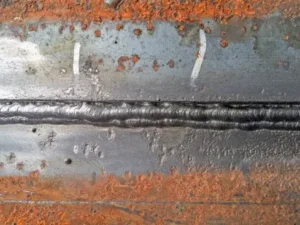
Welding defects can affect a weld’s strength, durability, and appearance. Cracks, porosity, and inclusions are some of the most common types. Other types include lack of fusion or penetration, undercuts, overlaps, weld mismatches, excessive penetration, and distortion. By identifying and preventing them, you can improve the appearance and strength of your welds.

Read More »

Ask For A Quick Quote

We will contact you within 1 working day, please pay attention to the email with the suffix”@goodsheetmetal.com”

Didn't Find What You Want? Talk to Our Director Directly!