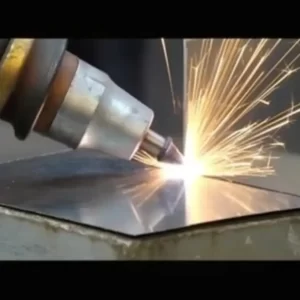
What is Laser Welding and How Does It Work?
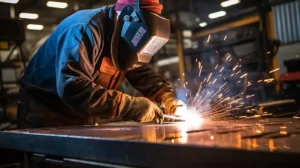
Laser welding is a powerful technique that can transform your manufacturing processes. Many engineers and designers face challenges with traditional welding methods, such as slow

Laser welding is a powerful technique that can transform your manufacturing processes. Many engineers and designers face challenges with traditional welding methods, such as slow
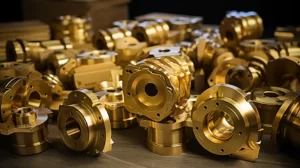
Brass casting is a manufacturing process where molten brass is poured into a mold to create intricate shapes. Renowned for its durability, corrosion resistance, and excellent finish, it is widely used in plumbing, electrical components, and decorative hardware. Common methods include sand casting and investment casting.

Sheet metal shearing involves cutting flat metal sheets into smaller pieces using two blades. The upper blade applies force to the material, pressing it against the lower blade to create a clean, straight cut. This process doesn’t involve heat, making it ideal for maintaining material integrity.
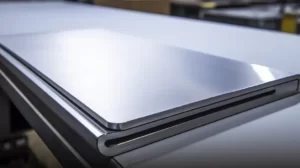
Sheet metal hemming involves bending or folding the edge of a metal sheet back onto itself to create a double-layered edge. This process strengthens the material, smooths sharp edges, and improves its overall appearance. It is widely used in applications requiring durability and precision, such as automotive panels, electronics, and construction components.

Brass stamping is a metalworking process that uses specialized tools and dies to form brass sheets into specific shapes. The process applies controlled force to cut, bend, and shape the material into precise components. Modern stamping operations combine automated machinery with expert craftsmanship to achieve exceptional results.

Manufacturing products with sheet metal poses unique challenges. Many engineers and designers struggle with precision cutting, material waste, and inconsistent quality in their production runs.

Fine blanking is a specialized metal forming process that combines the principles of stamping and shearing to produce high-precision parts. It utilizes a unique setup involving a punch, counterpunch, and a blank holder, allowing for minimal clearance and controlled material flow.

Oxy fuel cutting is a method for slicing through steel using a torch. The torch mixes fuel gas and oxygen to heat the metal surface. Once the steel reaches its ignition temperature, a jet of pure oxygen is blown through the heated area. This burns the metal and forces out the molten oxide, creating a narrow, clean cut.

Sheet metal punching transforms flat metal sheets into functional components. This process uses specialized tools called punches and dies to create precise holes and forms in metal sheets. During the punching process, a punch tool moves downward with significant force to penetrate the metal sheet. The die below the sheet supports the material and allows the punch to create clean cuts.
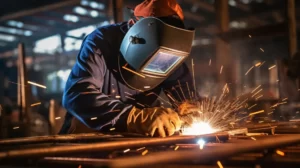
The primary challenge in welding brass is zinc vaporization. Because zinc boils at 907°C—below copper’s melting point—fusion welding often causes toxic fumes and severe porosity. For structural integrity, engineers typically specify TIG brazing with a silicon bronze (ERCuSi-A) filler, which prevents zinc loss by forming a protective slag.
Stainless steel is visually appealing and boasts impressive corrosion resistance, durability, and strength. These qualities make it popular in various applications, from kitchen appliances to

Precision sheet metal fabrication transforms flat sheets of metal into specific, accurately measured parts and products. This method involves various techniques such as cutting, bending, and assembling to create components with exact dimensions and tight tolerances. The goal is to produce parts that meet stringent quality and performance standards, ensuring they fit perfectly in their intended applications.

Do you need a manufacturing process that can efficiently create seamless, high-strength, and lightweight components? Many industries face challenges in producing complex, durable parts without

Stainless steel stamping is a cold-forming process that shapes stainless steel sheets using custom-designed dies and powerful mechanical or hydraulic presses. The process creates identical parts by applying controlled pressure to cut, bend, and form the metal into desired configurations.

Stamping aluminum in metal fabrication is a high-speed, high-volume manufacturing process. It involves using specialized tools and dies to shape flat sheet metal into specific forms. For aluminum stamping, we start with aluminum sheet stock. The process applies force to the metal, causing it to conform to the shape of the die.

Aluminum fabrication is the process of turning raw aluminum into usable parts. This process includes cutting, forming, joining, machining, and applying surface finishes. Each method shapes or joins the metal differently. Depending on the part and the quantity needed, shops use either manual tools or machines.