BLOG

We regularly update articles related to the manufacturing industry.

Laser Soldering

Laser Soldering: Principles, Applications, and Advantages

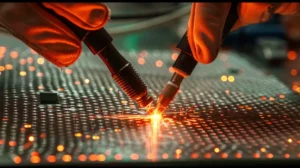
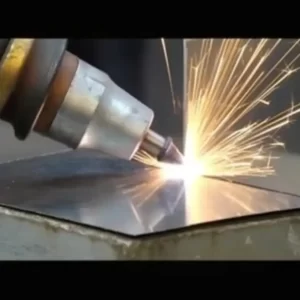
Laser soldering uses a focused laser beam to melt solder and join materials. The laser heats the solder without touching the parts, creating a clean and strong bond. This method is ideal for delicate or complex components where precision matters.
Unlike traditional soldering, laser soldering doesn’t require physical contact, reducing the risk of damaging sensitive parts. It’s a noninvasive technique that delivers consistent results.

Read More »
Brazing vs Welding

Brazing vs Welding: What’s Best for Your Project?

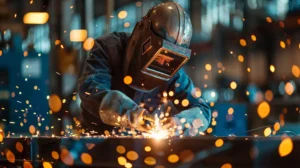
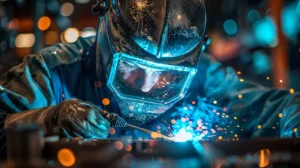
Both brazing and welding join metals but differ in temperature, the process, and the filler used. Brazing is melting and flowing a filler material with a lower melt point than the workpieces over the joint. Welding involves melting the workpieces and adding filler metals to the joint.

Read More »
Rapid Prototype Casting

Rapid Prototype Casting: A Comprehensive Guide

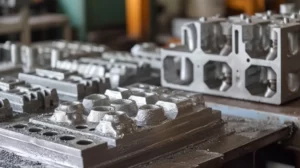
Rapid Prototype casting is a time-saving, versatile method of creating metal prototypes. This method combines 3D printing with traditional casting techniques, allowing designers to quickly convert digital models into physical components, perfect for functional testing and design verification.

Read More »
Aluminum Prototype

5 Methods for Making Aluminum Prototypes You Need to Know

5 predominant methods are employed to create aluminum prototypes: CNC Machining, 3D Printing, Die Casting, Aluminum Extrusion, and Sheet Metal Fabrication. Each method offers unique benefits and is chosen based on the prototype’s complexity, desired precision, and production volume.

Read More »
On-Demand Manufacturing

On-Demand Manufacturing: Redefining Speed and Customization in Production

On-demand manufacturing is a process in which products are made only when ordered. Instead of producing large quantities ahead of time, items are created as needed.

This method is more flexible and cost-effective, allowing businesses to focus on smaller production runs. Companies can create products that meet specific customer needs without wasting time or resources on unsold inventory.

Read More »
Sheet Metal Bracket

How to Make A Sheet Metal Bracket?

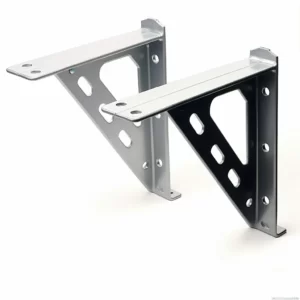
Making sheet metal brackets involves three key steps: design planning, material selection, and manufacturing method choice. Each bracket needs precise measurements, appropriate material thickness, and suitable bend angles. The manufacturing process typically includes cutting, bending, and finishing operations.

Read More »
brass laser cutting

Brass Laser Cutting: A Complete Guide

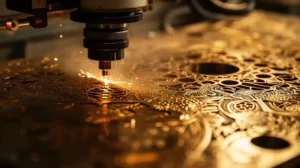
Brass laser cutting is a technique that uses a high-energy laser beam to cut brass materials. The laser beam melts or vaporizes the brass, while a combustion gas blows away the molten metal, ensuring a clean cut.

This method allows for precise and smooth edges, making it ideal for intricate designs and detailed work. The laser’s accuracy helps achieve tight tolerances and reduces material waste, providing both efficiency and high-quality results in various industries.

Read More »
Sheet Metal Forming

Sheet Metal Forming: A Practical Guide for Production

Sheet metal forming is the process of changing flat metal into a new shape by applying controlled force. The material is pushed past its elastic limit so it keeps the new shape after the force is removed. In simple terms, the sheet becomes a structural part through deformation, not through heavy cutting or multi-piece assembly.

Read More »
welding galvanized steel

How to Weld Galvanized Steel Without Porosity or Rework

To weld galvanized steel effectively, completely grind away the zinc coating 2–4 inches from the weld zone. This prevents porous, weak joints and eliminates toxic zinc gas. Use MIG or Stick welding with a whip-and-pause technique. Always mandate industrial ventilation and an approved respirator to prevent metal fume fever.

Read More »
Spot Welding Stainless Steel

How to Master Spot Welding Stainless Steel for Beginners

Spot welding is a type of resistance welding. It uses copper electrodes to clamp two metal sheets and pass electrical current through them. The heat comes from the metal’s resistance to the current. This heat melts the metal at the point of contact. The pressure from the electrodes helps fuse the metal together as it cools.

Read More »
Brass Extrusion

Brass Extrusion: A Comprehensive Guide to Expert Techniques

Brass extrusion is a process that shapes brass by pushing a heated block through a mold, called a die. The block, known as a billet, is first heated until it becomes soft but does not melt. Then, a powerful press pushes it through the die. As the brass moves through, it forms into the shape of the die. This shape could be a rod, a tube, or a more detailed profile with edges or grooves.

Read More »
Brass Casting

Brass Casting: Processes, Alloys and Manufacturing Decisions

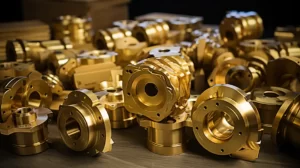
Brass casting is a manufacturing process where molten brass is poured into a mold to create intricate shapes. Renowned for its durability, corrosion resistance, and excellent finish, it is widely used in plumbing, electrical components, and decorative hardware. Common methods include sand casting and investment casting.

Read More »
Sheet Metal Shearing

Sheet Metal Shearing: Techniques, Tools, and Tips

Sheet metal shearing involves cutting flat metal sheets into smaller pieces using two blades. The upper blade applies force to the material, pressing it against the lower blade to create a clean, straight cut. This process doesn’t involve heat, making it ideal for maintaining material integrity.

Read More »

Ask For A Quick Quote

We will contact you within 1 working day, please pay attention to the email with the suffix”@goodsheetmetal.com”

Didn't Find What You Want? Talk to Our Director Directly!