BLOG

We regularly update articles related to the manufacturing industry.

mechanically fastened

Mechanical Fastening: Everything You Need to Know

Mechanical fastening refers to joining two or more components together using physical fasteners. Depending on the method used, these fasteners can create either permanent or non-permanent connections.

Mechanical fasteners are a practical and reliable way to create strong and secure joints.

Read More »
How Does Press Riveting Work

Press Riveting Joining Process: A Comprehensive Guide

The press riveting joining process fastens materials together by pressing rivets into holes. It involves placing a rivet in a pre-drilled hole and then applying pressure with a press machine. This causes the rivet to expand, creating a tight and permanent bond between the materials.

This method ensures a strong and durable bond without high heat or complex equipment. It’s commonly used in industries like automotive, aerospace, and electronics, where strength and precision are required.

Read More »
zinc die cast

What Is Zinc Die Casting? A Comprehensive Guide

Zinc die casting is a process where molten zinc is injected into a steel mold under high pressure. The mold, also called a die, shapes the zinc into the desired part. Once the zinc cools and solidifies, the mold opens, and the part is ejected.

Zinc plays a critical role in die casting. It has a low melting point, which makes it easier to work with. This reduces energy consumption during the process. Zinc also has excellent fluidity, allowing it to fill intricate mold details.

Read More »
how to bend stainless steel tubing

Bending Stainless Steel Tubing: Key Considerations for Flawless Results

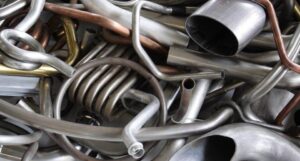
Stainless steel tubing combines strength, corrosion resistance, and aesthetic appeal in many industrial applications. The bending process transforms straight tubing into complex shapes needed for everything from exhaust systems to medical devices. However, working with this material presents unique challenges due to its hardness and low ductility.

Read More »
how to cut aluminum extrusion (1)

Aluminum Extrusion: Everything You Need to Know

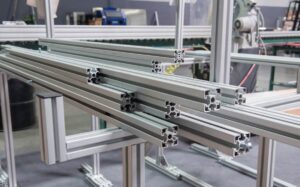
Aluminum extrusion is a manufacturing process that shapes aluminum alloy into specific profiles. It involves forcing heated aluminum through a die, which acts like a mold. The result is a continuous piece of aluminum with a cross-section that matches the die’s shape.

Read More »
Die Design and Tooling Preparation

What is Long Run Metal Stamping and Why Does It Matter?

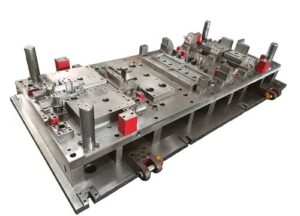
Long run metal stamping is a manufacturing process that creates high volumes of metal parts. It involves using dies and presses to shape metal sheets into precise components. This method is ideal for the automotive, aerospace, and electronics industries, where consistency, speed, and cost-effectiveness are critical.

Read More »
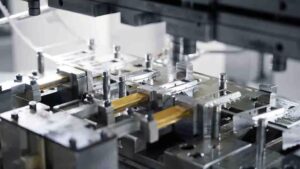
High Speed Stamping System

High-Speed Stamping: Processes, Benefits, and Applications

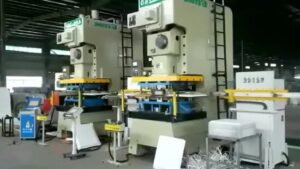
High-speed stamping is a metal forming process that uses specialized presses running at 300-1500 strokes per minute. These machines rapidly shape sheet metal into parts by cutting, bending, and forming. The process creates identical components in large quantities with minimal material waste.

Read More »
mig welded aluminum (1)

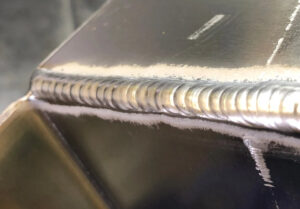
MIG Welding Aluminum: Techniques, Tips, and Best Practices

MIG welding aluminum involves using a solid wire electrode to fuse aluminum pieces. It requires a higher heat level and a steady hand to prevent warping or cracking. The key techniques include adjusting the heat, using the right filler material, and ensuring proper shielding gas flow. As a soft metal, aluminum demands precision to avoid problems like burn-through or oxidation.

Read More »
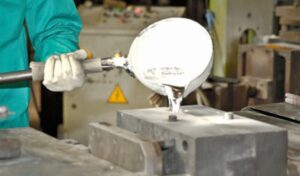
Aluminum Die Casting

What is Aluminum Die Casting: A Comprehensive Guide

Aluminum die casting is a manufacturing process that produces precise and smooth metal parts. It involves injecting molten aluminum into a mold under high pressure, allowing the metal to take on the mold’s shape.

The process is known for creating parts with excellent corrosion resistance and high conductivity. Aluminum die casting also provides a strong strength-to-weight ratio, making it ideal for lightweight yet durable components. It allows for rapid production and is cost-effective, especially for high-volume runs.

Read More »
what is heliarc welding

Heliarc Welding: Techniques, Applications, and Advantages

Heliarc welding, technically known as Gas Tungsten Arc Welding (GTAW), employs a non-consumable tungsten electrode to generate an electric arc while using inert gases to shield the weld area. This process, now commonly known as TIG (Tungsten Inert Gas) welding in the industry, produces exceptional welds by maintaining precise control over the welding process.

Read More »
Copper Stamping

Copper Stamping: Everything You Need to Know

Copper stamping is a manufacturing technique that transforms flat sheets of copper into intricate shapes and designs. The process typically involves a stamping press equipped with a die that applies significant force to shape the metal. This method is widely utilized in various industries due to copper’s excellent conductivity, flexibility, and corrosion resistance.

Read More »

Ask For A Quick Quote

We will contact you within 1 working day, please pay attention to the email with the suffix”@goodsheetmetal.com”

Didn't Find What You Want? Talk to Our Director Directly!