BLOG

We regularly update articles related to the manufacturing industry.

Press Brake Coining

Press Brake Coining: Process, Benefits, and When to Use It

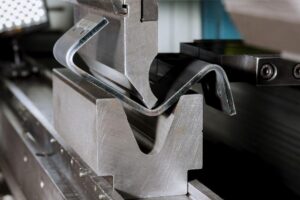
Press brake coining is a metal bending process that shapes sheet metal using very high pressure. The punch presses deeply into the metal, forcing it entirely into the die cavity. Unlike air bending, where the metal only partially contacts the tools, coining creates complete contact between the punch, metal, and die surface.

Read More »
nitrogen generator for laser cutting

Nitrogen Laser Cutting: How It Works and Where It Fits

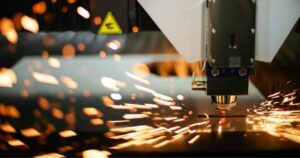
Nitrogen laser cutting uses high-pressure nitrogen gas to blow away molten material while preventing oxidation. This results in smooth, burr-free edges with no discoloration. It’s ideal for cutting stainless steel, aluminum, and other metals where appearance and precision matter. Unlike oxygen-assisted cuts, it produces cleaner finishes and helps prevent the need for secondary treatments.

Read More »
3D printer or additive manufacturing and robotic automation tech

How to Make a Plastic Prototype: 4 Best Methods

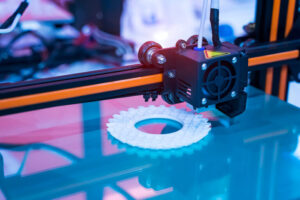
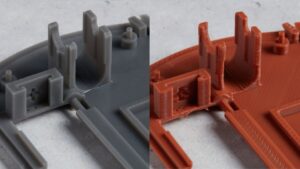
To make a plastic prototype, you can use several methods like 3D printing, CNC machining, or vacuum casting. Choose the process based on the part’s shape, quantity, and timeline. Start with a CAD model, select a material that matches your end-use needs, and work with a supplier or in-house tools to produce and refine the part.

Read More »
Cold Rolled Steel Stamping (1)

Cold Rolled Steel Stamping: How It Works and When to Use It

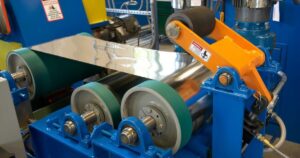
Cold rolled steel stamping forms metal parts by pressing steel sheets into specific shapes using a die. The process happens at room temperature. This gives better dimensional control and surface quality. The steel used is first cold rolled—passed through rollers to reduce thickness and improve strength.

Read More »
Metal Forging Parts

What is Metal Forging:Process, Benefits, and Applications

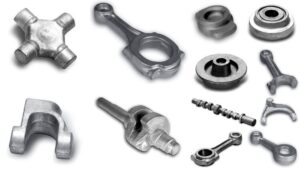
Metal forging is a manufacturing process that shapes metal using compressive forces. The metal is first heated to a set temperature. This makes it soft and easier to work with. Then, the metal is shaped using presses, hammers, or special molds called dies. During this process, the metal’s internal grain lines follow the shape of the part.

Read More »
What is Direct Metal Laser Sintering

What is Direct Metal Laser Sintering (DMLS)?

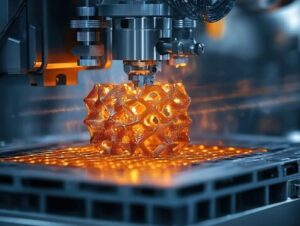
Direct metal laser sintering is a type of metal 3D printing. It uses a laser to melt metal powder into solid layers. The laser follows a digital design file. Each layer is fused onto the last until the final part is complete.

This process does not need molds or cutting tools. It makes it possible to build shapes that are hard or impossible to create with traditional methods. The final parts are strong and ready for functional use.

Read More »
laser for cnc cutting

What Is CNC Laser Cutting? Process, Benefits, and Applications

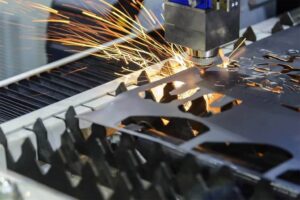
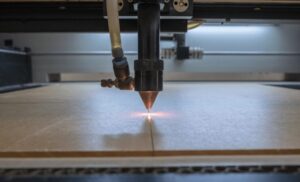
CNC laser cutting is a process that uses a focused laser beam to cut materials. The term “CNC” stands for computer numerical control. That means the cutting path is controlled by software.

The laser moves based on instructions from a digital design file. It cuts through the material with heat. This process is clean, quick, and ideal for complex shapes or fine details.

Read More »
sla vs fdm 3d printer

SLA vs FDM: Which 3D Printing Method Fits Your Project Best?

SLA gives you higher detail, smoother finishes, and is best for small, precise parts. FDM is cheaper, faster, and better for simple or larger designs. Your ideal choice depends on your part’s use, required detail, and budget. If accuracy and finish matter most, go with SLA. If strength, size, or cost matters more, FDM usually wins.

Read More »
What is Fiber Laser Cutting (1)

What is Fiber Laser Cutting: Technology, Benefits, and Applications

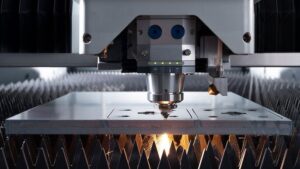
Fiber laser cutting is a process that uses a high-powered laser beam to cut through metal. The beam comes from a fiber optic cable, which delivers focused light to a small point on the surface. That light heats the material until it melts or vaporizes. A gas, like nitrogen or oxygen, blows the melted material away. This leaves a clean and narrow cut behind.

Read More »
gravity die casting process

Gravity Die Casting: Everything You Need to Know

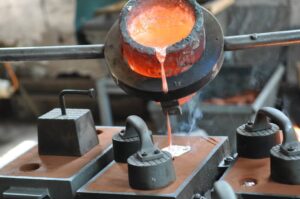
Gravity die casting is a metal casting process where molten metal is poured into a reusable mold using gravity. Unlike some external pressure methods, this process relies solely on gravity to fill the mold. The result is parts with few defects and high precision.

Read More »
shielded metal arc welding process

What is Shielded Metal Arc Welding(SMAW): A Complete Guide

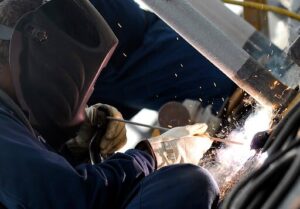
SMAW is a welding process where an electric arc forms between a consumable electrode and the workpiece. The heat generated by the arc melts the electrode, creating a pool of molten metal. This metal then fuses with the base material, forming a strong bond. The coating on the electrode creates a shielding gas that protects the weld from contamination.

Read More »
Types of Metal Fabrication parts

Types of Metal Fabrication: Processes and Applications

Metal fabrication is a process for creating structures and parts from various metal materials. It involves cutting, bending, shaping, and assembling metals to form custom products. It covers various techniques used to make everything from car frames to electronic enclosures.

It helps create both custom prototypes and high-volume parts. Fabrication allows manufacturers to achieve accuracy, consistency, and cost savings across different projects.

Read More »
high pressure aluminum die casting

The High Pressure Die Casting (HPDC) Process: A Comprehensive Guide

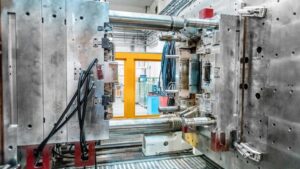
HPDC involves injecting molten metal into a metal mold under very high pressure. This pressure forces the molten metal into every part of the mold, resulting in highly detailed and precise components. Once the metal cools and solidifies, the part is ejected from the mold.

HPDC is most commonly used with aluminum, zinc, and magnesium alloys. Its speed makes it ideal for mass-producing parts with consistent quality.

Read More »

Ask For A Quick Quote

We will contact you within 1 working day, please pay attention to the email with the suffix”@goodsheetmetal.com”

Didn't Find What You Want? Talk to Our Director Directly!