Sheet Metal Manufacturing Blog

Practical insights, technical guides and industry knowledge to help you design better parts and manufacture with confidence.

Browse Manufacturing Topics

Explore our in-depth resources by topic and find the information you need.

Fabrication

Cutting, bending, welding and assembly processes.

CNC

CNC machining, milling, turning and best practices.

Enclosures

Design and manufacturing of metal enclosures.

Materials

Metals, alloys and material selection guides.

Finishing

Surface treatment, coating and finishing options.

DFM

Design for manufacturability tips and guidelines.

Applications

Real-world applications across different industries.

Latest Manufacturing Articles

In-depth guides to help you make better design and manufacturing decisions.

medical device laser welding

Medical Welding: Techniques for Stronger, Safer Devices

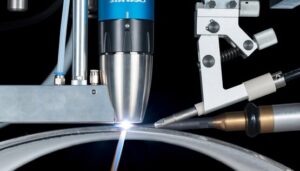
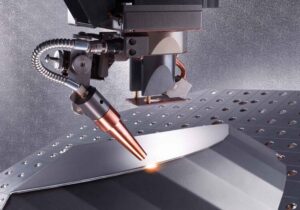
Medical welding joins metal parts used in healthcare devices. It is very different from regular welding. The parts are smaller, and the demands are much stricter. The goal is to create strong, clean, and reliable joints. These joints must handle sterilization and, in many cases, direct contact with the human body.

Read More »
CNC Turning

Types of Turning Operations: How to Pick the Right One

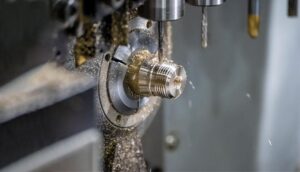
The best turning operation depends on your part’s shape, the surface finish you need, and the production volume. Rough turning removes a lot of material quickly. Finishing turning makes the surface smooth. Taper turning, contour turning, and threading create specific shapes. Boring and grooving handle internal and external cuts. Each type has a clear purpose.

Read More »
CNC milling (1)

Types of Milling Operations: Tips for High-Precision Machining

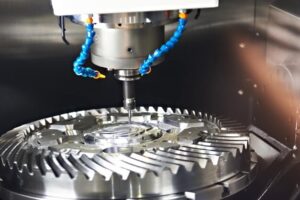
Milling operations describe how a machine cuts, shapes, and finishes materials. Each type has its own use and benefits. Common operations include face milling, peripheral milling, slotting, and using a mill for drilling. Some operations focus on surface finishing, while others remove material quickly or shape parts.

Read More »
how to use a manual milling machine

Manual Milling: Techniques, Tools, and Applications

Manual milling is the process of shaping a workpiece with a milling machine operated by hand. The machine uses a rotating cutter to remove material and form flat surfaces, slots, holes, or more complex shapes. Unlike CNC milling, which follows computer programs, manual milling relies on the machinist’s skill and adjustments.

Read More »
aluminum extrusion

6063 Aluminum: Properties, Applications, and Processes

6063 aluminum is one of the most common alloys in the 6000 series. It offers good strength, strong resistance to corrosion, and a smooth surface finish. Its mix of mechanical and chemical properties makes it popular in industries where both performance and appearance are essential.

Read More »
Different Types of Lathes

Types of Lathes: Functions, Advantages, and Uses

Lathes come in different types, each with a specific role. Engine lathes handle general cutting, while turret lathes improve speed for repeated parts. CNC lathes bring precision and automation. Specialized lathes, such as toolroom or vertical lathes, handle unique tasks. Each type serves different production needs and part sizes.

Read More »
Difference Between Mold and Die

Understanding the Difference Between Mold and Die

A mold mainly shapes molten or soft materials into a set form. Common examples include injection molding and casting. A die, in contrast, is used to cut, stamp, or shape sheet metal accurately. Both tools help create products efficiently, but work with different materials and methods.

Read More »
The Rubber Injection Molding Workflow

Rubber Injection Molding: Process, Applications, and Benefits

Rubber injection molding is a process that uses heat and pressure to shape rubber into finished parts. It starts with raw rubber, usually in strips or pellets. These are fed into an injection unit where they are heated until soft and pliable. Once ready, the rubber is injected into a closed mold under high pressure. The mold cavity is shaped to match the final part.

Read More »
different types of washers

Different Types of Washers: Functions, Materials, and Uses

A washer is a small but essential part of mechanical assemblies. It is a thin, flat plate with a hole in the center that fits around a screw, bolt, or nut. Washers help fasteners connect surfaces more effectively. They spread out the force from tightening, reduce wear, and keep joints secure over time.

Read More »

Get Your Free Custom Quote Today

Expert engineering support for your next project

Fast Response

Quote within 24 hours

DFM Support

Design To Make

Quality Assured

ISO 9001:2015 certified

No Minimum Order

From prototype to production

No commitment required • 100% Free consultation

Ask For A Quick Quote

We will contact you within 1 working day, please pay attention to the email with the suffix”@goodsheetmetal.com”

Didn't Find What You Want? Talk to Our Director Directly!