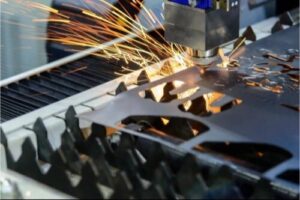
5 Ways to Accelerate Sheet Metal Part Production
Meeting deadlines in manufacturing is never easy. Tight schedules, complex designs, and sudden changes in orders often push production teams to their limits. Many engineers

Meeting deadlines in manufacturing is never easy. Tight schedules, complex designs, and sudden changes in orders often push production teams to their limits. Many engineers
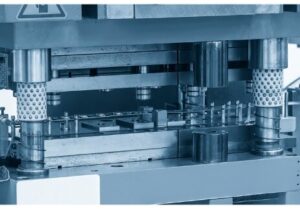
Getting an accurate quote can save time, lower costs, and prevent delays in production. Many engineers, designers, and purchasing managers run into price changes because
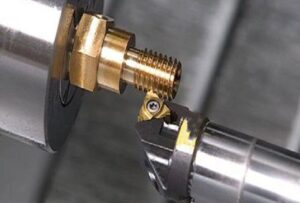
Designing threads might seem simple, but many CNC parts fail because the threads were not planned properly. A poorly designed thread can strip, misalign, or
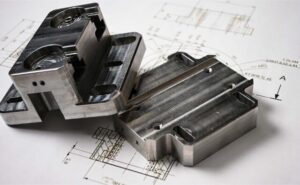
CNC machining is a fast, accurate, and flexible process. But even small design mistakes can cause big problems. Parts with intricate shapes, tight fits, or
Rising fabrication costs can strain any project. These expenses often stem from material waste, inefficient designs, or slow production. High costs not only affect pricing
CNC machining is a great way to make precise parts, but costs can rise quickly if small details are overlooked. Many engineers and designers focus
Controlling common sheet metal design pitfalls is one of the best ways to save time, reduce scrap, and produce parts that perform well. Design for
Many sheet metal assemblies encounter the same problems. Parts can be difficult to put together, joints may not hold well, and costs often go up.
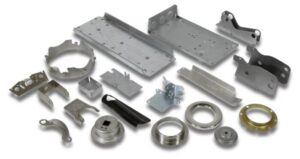
Sheet metal is used everywhere—from equipment panels to electronics enclosures. Yet many designs still face the same problems: higher costs, wasted material, and harder-to-assemble parts.
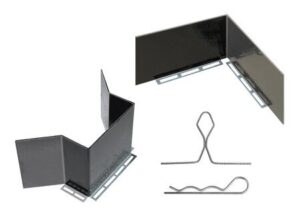
Designing sheet metal parts can be frustrating. Small mistakes in the design often waste materials, increase costs, and cause delays. Engineers and manufacturers frequently face
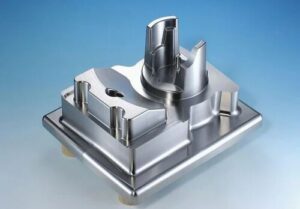
The main difference between a mold and a die is the material’s physical state during forming. A mold shapes liquid or molten materials (like plastic) inside a closed cavity until they solidify. A die cuts or deforms solid materials (like sheet metal) using extreme mechanical pressure.
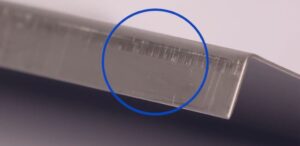
Sheet metal defects are common, but they can be identified and traced to their causes. With the right approach, these problems can be fixed. By knowing what to look for, you can reduce scrap, improve part quality, and keep production running smoothly. Using proper equipment and following consistent processes makes solutions more effective.
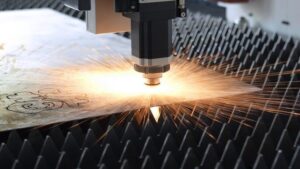
The best way to design sheet metal parts for laser cutting is to keep shapes simple, add proper spacing between features, and match thickness to the design needs. Corners should have radii instead of sharp edges. Holes should be large enough to cut cleanly. Designs should also consider how the part will be bent or welded later.
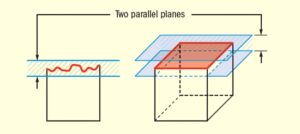
Flatness in GD&T shows how close a surface is to being perfectly even across all points. It controls how much a surface can vary in height. Flatness sets a tolerance zone made of two parallel planes to do this. The surface of the part must stay between these two planes. This prevents bends, waves, or bumps that could cause trouble during assembly.
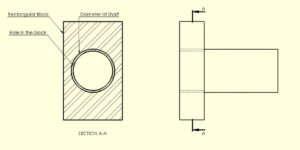
Fits are an essential part of mechanical assemblies. They describe how two parts connect and work together, most often a hole and a shaft. The fit decides whether the parts move freely, lock tightly, or stay somewhere in between.
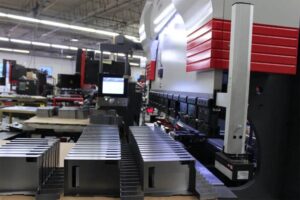
Turnkey manufacturing is an end-to-end service. The turnkey approach means the customer hands over a project to a manufacturer who manages everything. The provider oversees product design, prototyping, material sourcing, production, assembly, testing, and packaging. The client receives a final product that is ready for use or sale.