BLOG

We regularly update articles related to the manufacturing industry.

CNC machining costs

CNC Machining Cost: A Comprehensive Guide

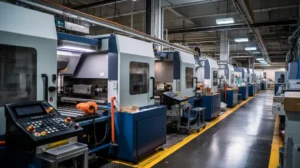
CNC machining cost depend on several critical factors, including material type, design complexity, production volume, and machine time. Considering these elements, you can better estimate your project costs and make informed decisions.
Read More »
laser cutting machine cost

Laser Cutting Cost: What Affects the Final Quote

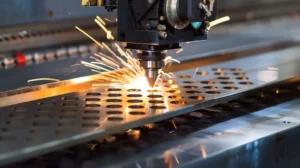
Materials, thickness, machine type, and job complexity influence laser cutting costs. Generally, the more intricate the design and the thicker the material, the higher the price. By understanding these variables, you can plan your project more accurately and reduce surprises in pricing.

Read More »
what is thread galling

Thread Galling: Causes, Symptoms, and Solutions

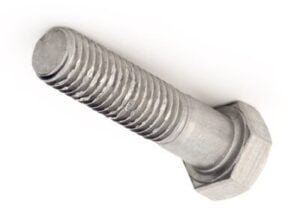
Thread galling happens when the bolt and nut threads stick together during tightening. The pressure and friction between the surfaces cause the metal to tear or seize. This is most common with stainless steel, aluminum, and titanium. These materials have sticky properties and tend to weld under pressure without lubrication.

Read More »
Chamfer vs Bevel

Chamfer vs Bevel: Understanding the Nuances in Design

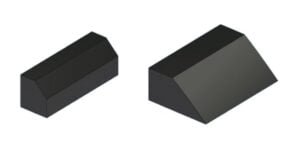
Chamfer and bevel refer to angled cuts on the edges of materials, but there are key differences. A chamfer is typically a straight cut at a 45-degree angle, often used to remove sharp edges and improve safety or aesthetics. Conversely, a bevel can be any angle other than 90 degrees, offering more versatility for various design needs.

Read More »
Tolerance Stacking

Tolerance Stacking Demystified: Strategies for Flawless Assembly

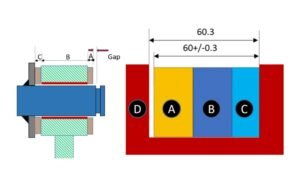
Tolerance stacking is the accumulation of dimensional deviations in mechanical assemblies due to manufacturing and assembly process uncertainties. This can hurt the performance and function of the assembly. Managing tolerance stacking during the design and production processes is essential to ensure the final product’s quality and performance.

Read More »
Sheet metal K-factor

How Sheet Metal K Factor Shapes Your Project

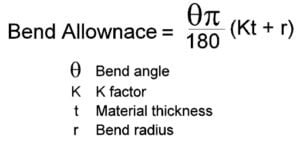
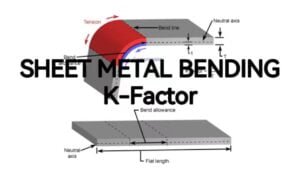
The K Factor is a number that tells you where the stretch happens during bending. It shows how far into the sheet the neutral axis moves. When you bend a sheet, the outside stretches, and the inside compresses. The K Factor sits in between. It helps you calculate how much material you need for accurate flat patterns. If the K Factor is wrong, your part won’t bend the way you planned.

Read More »
how to countersink a hole

How do you make a countersink hole in your sheet metal parts?

To create a countersink hole in sheet metal, begin by drilling a pilot hole that matches the diameter of your screw. Then, use a countersink bit with the correct angle—most commonly 82°—to cut a clean, conical recess. Select the appropriate bit material based on the type of metal you are working with. Work slowly, apply light pressure, and check depth often to avoid overcutting.

Read More »
Sheet Metal Tolerances

Sheet Metal Tolerances: A Comprehensive Guide

Sheet metal tolerances refer to the allowable limits of variation in a part’s size, shape, or feature location. They define how much a measurement can shift from the intended design. Tolerances apply to dimensions such as part length, width, hole size, and bend angles. They help manufacturers determine when a part meets specifications or needs to be remade. Without precise tolerances, parts may not fit or function well.

Read More »
Custom Sheet Metal

9 Ways to Boost Your Custom Sheet Metal Profits

Focus on streamlining your production, optimizing material usage, increasing your market reach, adopting technology, upgrading your workforce, ensuring consistency in quality, managing your inventory efficiently, cultivating strong customer relationships, and continuously innovating and diversifying your offerings to boost profits. These strategies can help increase profitability in the highly competitive sheet metal industry by increasing productivity, reducing costs, and increasing customer satisfaction.

Read More »
Sheet Metal Design

Sheet Metal Design: A Comprehensive Guide

Sheet metal design involves planning how to shape and cut metal parts using simple rules that match the factory’s work. The goal is to make parts that are easy to bend, cut, and assemble without wasting material or slowing production. A well-designed part fits well, works well, and controls costs.

Read More »

Ask For A Quick Quote

We will contact you within 1 working day, please pay attention to the email with the suffix”@goodsheetmetal.com”

Didn't Find What You Want? Talk to Our Director Directly!