BLOG

We regularly update articles related to the manufacturing industry.

manufacturing vs fabrication

Fabrication vs Manufacturing: Scope, Delivery, and Supplier Choice

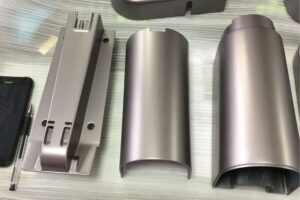
Fabrication is the process of creating parts or structures from raw materials using cutting, bending, and welding methods. Manufacturing is the broader process of turning raw materials into finished goods. It includes fabrication but also covers assembly, machining, packaging, and more. Manufacturing is the whole system, and fabrication is one step inside it.
Read More »
Sheet Metal Gauge Numbers

Sheet Metal Gauge Charts: Everything You Need to Know

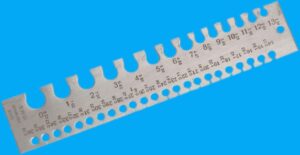
A sheet metal gauge is a system used to measure the thickness of metal sheets. The gauge number correlates with the thickness, with lower numbers representing thicker sheets. This numbering system can vary depending on the metal type, but it is commonly used in construction, automotive, and manufacturing industries.

Read More »
low cost sheet metal fabrication

Sheet Metal Fabrication Cost: Factors, Optimization, and Budgeting

‌Material choice, design complexity, labor, and production volume directly impact costs—thicker metals like stainless steel cost more than aluminum. Simple bends and standard hole patterns reduce machining time, and bulk orders often lower per-unit prices. To save money, simplify designs early and compare quotes for material grades and finishing options.

Read More »
CNC Machining Processes

Design for CNC Machining: Effective Design Principles and Practices

To design CNC machining successfully, consider material selection, geometry, tolerances, and part orientation. Keep designs simple, focus on ease of manufacturing, and reduce unnecessary complexity. Also, the machining process, tooling, and the number of parts produced should be considered to optimize efficiency and cost-effectiveness.

Read More »
What is Interference Fit

What is Interference Fit: A Comprehensive Guide

Interference fits work through controlled stress. The assembly creates uniform pressure that locks parts together by designing one component slightly larger than the mating hole. This mechanical bond eliminates movement, handles high torque loads, and maintains alignment under severe vibration and thermal cycling.

Read More »
destructive and non destructive testing

Non-Destructive Testing (NDT): Methods, Applications, and Benefits

Non-destructive testing refers to a range of techniques used to inspect and evaluate the properties of a material, component, or system without impairing its functionality. These methods are designed to detect flaws such as cracks, voids, or inconsistencies while preserving the integrity of the tested item. NDT ensures reliability and safety in critical applications.

Read More »
surface roughness ra chart

Surface Roughness Chart: A comprehensive guide

Surface roughness defines how smooth or textured a manufactured part’s surface is at the microscopic level. Manufacturers can meet strict quality standards, optimize part performance, and reduce production costs by measuring and controlling surface roughness. A well-specified surface finish prevents premature wear, improves aesthetics, and ensures proper part function.

Read More »
press fit tolerance

Tolerance Press Fit: What You Need to Know

A tolerance press fit is a method of joining parts without fasteners. It relies on precise sizing to create interference between mating components. This interference generates friction, holding parts together securely. Proper tolerancing ensures a robust and reliable connection without damaging the parts during assembly.

Read More »
first article inspection template

First Article Inspection: What You Need to Know

FAI thoroughly examines the first piece produced in a manufacturing run. It ensures that the part meets all specifications before total production begins. This process catches potential issues early, preventing costly mistakes and ensuring consistent quality throughout production.

Read More »
rough cnc

CNC Roughing Guide: Toolpaths, Stock Allowance, and Cost

CNC roughing is the initial machining stage designed to rapidly remove the bulk of excess material from a raw workpiece. It utilizes high feed rates and deep cuts to quickly establish the basic part geometry before transitioning to precise semi-finishing and finishing operations.

Read More »
tool and die

What Is Tool and Die Manufacturing: A Comprehensive Guide

Tool and die manufacturing involves creating precision tools, dies, molds, jigs, and fixtures used in mass production. These components are essential for shaping, cutting, and forming materials like metal, plastic, and rubber into finished products. The process requires high skill, attention to detail, and advanced technology.

Read More »
cnc machine tolerance

What are CNC Machining Tolerances, and Why are they Important?

CNC machining tolerances are the allowable deviations from the specified dimensions of a part. They define the range within which the actual measurements of a part can vary while still being acceptable. Tolerances ensure that parts fit together correctly and function as intended, maintaining the quality and reliability of the final product.

Read More »
what is tooling in manufacturing

Tooling In Manufacturing: What Is It And Its Types

Tooling in manufacturing refers to the creation and use of tools, molds, and equipment essential for producing parts and products. These tools ensure precision, efficiency, and consistency in manufacturing, ensuring that each product meets the desired specifications.

Read More »

Ask For A Quick Quote

We will contact you within 1 working day, please pay attention to the email with the suffix”@goodsheetmetal.com”

Didn't Find What You Want? Talk to Our Director Directly!