Sheet Metal Manufacturing Blog

Practical insights, technical guides and industry knowledge to help you design better parts and manufacture with confidence.

Browse Manufacturing Topics

Explore our in-depth resources by topic and find the information you need.

Fabrication

Cutting, bending, welding and assembly processes.

CNC

CNC machining, milling, turning and best practices.

Enclosures

Design and manufacturing of metal enclosures.

Materials

Metals, alloys and material selection guides.

Finishing

Surface treatment, coating and finishing options.

DFM

Design for manufacturability tips and guidelines.

Applications

Real-world applications across different industries.

Latest Manufacturing Articles

In-depth guides to help you make better design and manufacturing decisions.

CNC and Laser Cutting

CNC Cutting vs Laser Cutting: What is the Difference?

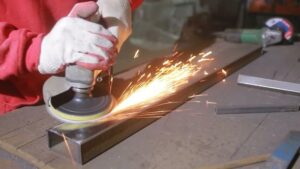
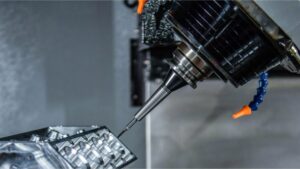
CNC uses physical cutting tools to remove material through direct contact, making it ideal for thick materials and 3D shapes. Laser cutting uses focused light beams to melt, burn, or vaporize material without contact, offering high precision for thin to medium materials.

Read More »
Precision Machined Parts

Precision Machined Parts: Heart of Modern Manufacturing

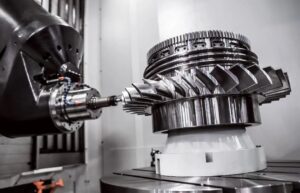
Precision machined parts are components crafted with exceptional accuracy and tight tolerances. These parts are created using advanced machining techniques, ensuring each piece fits perfectly into its intended function. The process involves removing material from a workpiece to create a desired shape, size, and finish.

Read More »
Types of Deep Hole Drilling Techniques

What Is Deep Hole Drilling? A Comprehensive Guide

Deep hole drilling is a method for creating holes that are much deeper than their diameter. Typically, the depth of the hole is at least ten times greater than the diameter. This process works on various materials, from soft aluminum to strong super alloys, making it suitable for many industries.

Read More »
How Does Side Milling Work

What is Side Milling and How it Work?

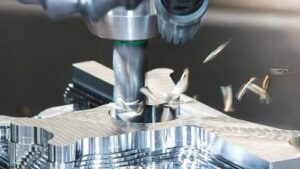
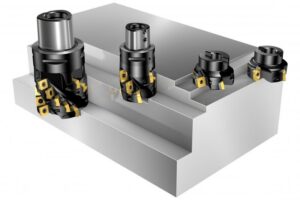
Side milling is a process where a rotating cutter removes material from the side of a workpiece. The cutter has teeth on its sides, which cut into the material as it moves along the edges. This creates flat surfaces, slots, or complex profiles. It’s commonly used for large or irregularly shaped parts that need precise dimensions and smooth finishes.

Read More »
anodized vs electroplating

Electroplating vs Anodizing: What’s the Difference?

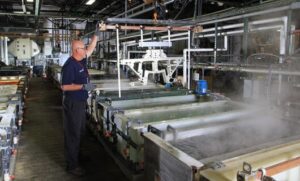
Electroplating adds a thin layer of metal onto a surface using electricity. It enhances appearance, prevents corrosion, and improves wear resistance. On the other hand, anodizing creates a protective oxide layer on metals like aluminum. It boosts durability and allows for color dyeing. Each method has its strengths, depending on your project goals.

Read More »
Stainless Steel304

304 Stainless Steel: Properties, Uses, and More

304 stainless steel is an austenitic alloy containing 18-20% chromium and 8-10.5% nickel, often called “18/8 steel”. This composition gives it excellent corrosion resistance, good formability, and high strength.

It is usually non-magnetic and can be easily formed or welded without losing its properties.

Read More »

Get Your Free Custom Quote Today

Expert engineering support for your next project

Fast Response

Quote within 24 hours

DFM Support

Design To Make

Quality Assured

ISO 9001:2015 certified

No Minimum Order

From prototype to production

No commitment required • 100% Free consultation

Ask For A Quick Quote

We will contact you within 1 working day, please pay attention to the email with the suffix”@goodsheetmetal.com”

Didn't Find What You Want? Talk to Our Director Directly!