Sheet Metal Manufacturing Blog

Practical insights, technical guides and industry knowledge to help you design better parts and manufacture with confidence.

Browse Manufacturing Topics

Explore our in-depth resources by topic and find the information you need.

Fabrication

Cutting, bending, welding and assembly processes.

CNC

CNC machining, milling, turning and best practices.

Enclosures

Design and manufacturing of metal enclosures.

Materials

Metals, alloys and material selection guides.

Finishing

Surface treatment, coating and finishing options.

DFM

Design for manufacturability tips and guidelines.

Applications

Real-world applications across different industries.

Latest Manufacturing Articles

In-depth guides to help you make better design and manufacturing decisions.

cnc router

What is CNC Routing: Everything You Need to Know

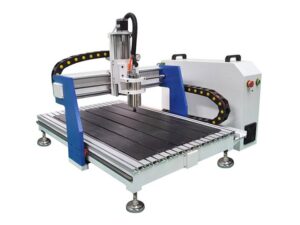
CNC routing is a computer-driven cutting process. It uses a spinning bit to cut materials along a precise path. The machine reads a digital design file and then follows the programmed toolpath to shape the part.

This method works best for flat and 2.5D parts. It handles plastics, wood, aluminum, foam, and more. It’s used for signs, panels, enclosures, and prototypes. The machine can repeat the same job over and over with little variation.

Read More »
How Does Surface Grinding Work (1)

Surface Grinding: Techniques, Machines, and Applications

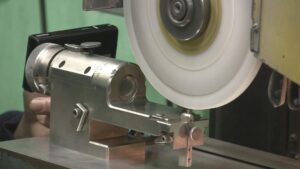
Surface grinding is a machining process that creates smooth, flat surfaces on metal parts. It uses a rotating grinding wheel to remove material in small amounts. This method gives parts better dimensional accuracy and surface finish.

It is often used in toolmaking, diework, and precision manufacturing. Surface grinders vary in size and capability, so selecting the right one depends on part size, material type, and finish needs.

Read More »
Types of Metal Fabrication parts

Types of Metal Fabrication: Processes and Applications

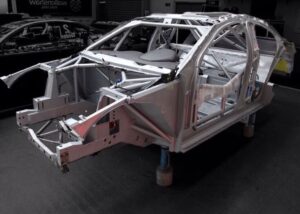
Metal fabrication is a process for creating structures and parts from various metal materials. It involves cutting, bending, shaping, and assembling metals to form custom products. It covers various techniques used to make everything from car frames to electronic enclosures.

It helps create both custom prototypes and high-volume parts. Fabrication allows manufacturers to achieve accuracy, consistency, and cost savings across different projects.

Read More »
Types of Plain Milling Cutters

What is Plain Milling? A Comprehensive Guide

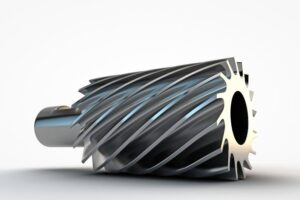
Plain milling is a machining process in which a rotating cutter moves across a workpiece to remove material and create a flat surface. This operation is mostly done using horizontal milling machines, but vertical machines can also be used in some cases. The main goal of plain milling is to smooth the surface or cut grooves.

Read More »
high pressure aluminum die casting

The High Pressure Die Casting (HPDC) Process: A Comprehensive Guide

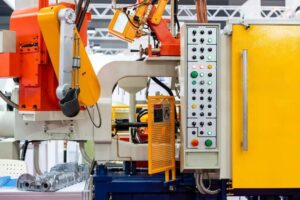
HPDC involves injecting molten metal into a metal mold under very high pressure. This pressure forces the molten metal into every part of the mold, resulting in highly detailed and precise components. Once the metal cools and solidifies, the part is ejected from the mold.

HPDC is most commonly used with aluminum, zinc, and magnesium alloys. Its speed makes it ideal for mass-producing parts with consistent quality.

Read More »
mechanically fastened

Mechanical Fastening: Everything You Need to Know

Mechanical fastening refers to joining two or more components together using physical fasteners. Depending on the method used, these fasteners can create either permanent or non-permanent connections.

Mechanical fasteners are a practical and reliable way to create strong and secure joints.

Read More »
How Does Press Riveting Work

Press Riveting Joining Process: A Comprehensive Guide

The press riveting joining process fastens materials together by pressing rivets into holes. It involves placing a rivet in a pre-drilled hole and then applying pressure with a press machine. This causes the rivet to expand, creating a tight and permanent bond between the materials.

This method ensures a strong and durable bond without high heat or complex equipment. It’s commonly used in industries like automotive, aerospace, and electronics, where strength and precision are required.

Read More »
CNC Swiss Machining

Swiss Machining: Precision, Process, and Applications

Swiss machining is a type of CNC that produces small, high-precision parts. It supports the workpiece with a sliding headstock and guide bushing, reducing vibration and allowing for tighter tolerances. 

Swiss machining gets its name from its origins in Swiss watch manufacturing. The process was created to make the tiny, precise watch parts.

In traditional lathes, the material is only held at one end, which can cause bending when cutting forces are applied. Swiss machines solve this problem by supporting the material at the cutting point.

Read More »

Get Your Free Custom Quote Today

Expert engineering support for your next project

Fast Response

Quote within 24 hours

DFM Support

Design To Make

Quality Assured

ISO 9001:2015 certified

No Minimum Order

From prototype to production

No commitment required • 100% Free consultation

Ask For A Quick Quote

We will contact you within 1 working day, please pay attention to the email with the suffix”@goodsheetmetal.com”

Didn't Find What You Want? Talk to Our Director Directly!