BLOG

We regularly update articles related to the manufacturing industry.

horizontal milling machine vs vertical milling machine

Horizontal vs Vertical Milling: An In-Depth Comparison

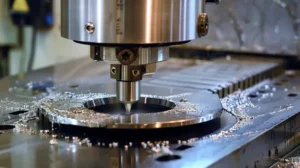
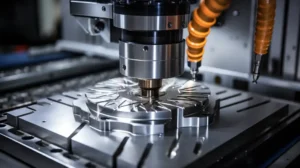
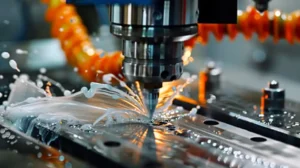
Horizontal milling provides superb efficiency for projects involving heavy materials or large batches. The setup allows simultaneous processing with multiple cutters, reducing overall production time. Conversely, vertical milling is ideal for detailed and precise work on smaller parts, thanks to its ability to handle complex tasks with greater detail.
Read More »
Finishing VS Roughing

Roughing Vs Finishing In Machining: What’s the difference?

Roughing is the first phase of machining, where the main goal is to remove large amounts of material from a workpiece as quickly as possible. This stage is not about achieving a perfect finish or exact dimensions but rapidly shaping the workpiece to a rough approximation of the final form. On the other hand, finishing is the subsequent phase, where the focus shifts to achieving precise dimensions, tighter tolerances, and a smoother surface finish.

Read More »
cnc turning and milling machine

CNC Milling and Turning: Which Process is Right for Your Project?

CNC milling is ideal for parts with complex shapes and features like holes, slots, or intricate contours. It uses a rotating tool to cut into the workpiece from different angles. CNC turning is best for round, cylindrical parts. The workpiece rotates while the cutting tool remains stationary. Both processes offer precision but differ in the way they handle material removal.

Read More »
climb vs conventional milling

Climb Milling Vs Conventional Milling: What Are The Differences?

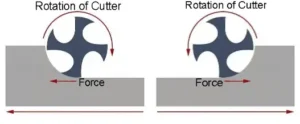
Climb milling moves the tool in the same direction as the feed, while conventional milling cuts in the opposite direction. Climb milling gives a better surface finish and tool life, while conventional milling works better for older machines or roughing. Both methods have different benefits. You choose based on machine type, workpiece setup, and finish requirements.

Read More »
Types of Taps for Threading

Types of Taps for Threading: How to Choosing the Right Taps

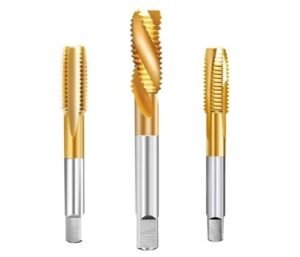
A tap is a tool used to cut threads inside a hole. It works by removing material and shaping the internal wall so a screw or bolt can fit. Taps come in many shapes and sizes. Some are made for hand use, while others are used on machines. They are designed to match specific thread sizes and standards, like metric or UNC.

Read More »
hole tap

Tapped Hole in Metalworking: A Detailed Exploration

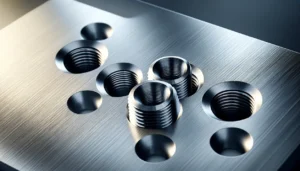
A tapped hole is prepared to have a threaded inner surface. A simple drilled hole is transformed into a tapped one, ready to receive a screw or bolt. This technique is essential for creating joints that are both strong and detachable. It allows easy assembly and disassembly.

Read More »
cnc engraving machine

The Ultimate Guide to CNC Engraving: Techniques and Applications

CNC engraving uses computer numerical control (CNC) technology to engrave, etch accurately, or letter designs on various material surfaces. The method involves a computer-controlled machine that directs the movement of a cutting tool or laser on the material, meticulously removing layers to create intricate patterns, text, or images.

Read More »
Drill a blind hole with a drill

What Are Blind Holes and How to Machine Them Perfectly?

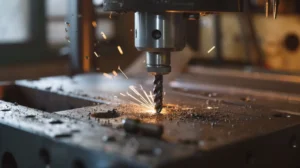
A blind hole is a hole drilled, milled, or bored into a material that doesn’t penetrate through to the other side. Unlike through holes, blind holes have a defined depth and a bottom surface. They are commonly used in applications where a fastener or component needs to sit flush or be hidden within the material.

Read More »
centerless grinding near me

Centerless Grinding: What is and How it Works?

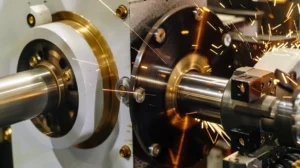
Centerless grinding is a material reduction process that uses a grinding wheel to remove material from the outer diameter of a workpiece. It uses a spinning abrasive wheel to cut material from the outside of a workpiece. Unlike other methods, it doesn’t need clamps or centers to hold the piece in place.
Because it doesn’t require centering, setup is faster and more efficient. It also gives better roundness and precision in the final product. The process allows tight control over the speed and movement of the workpiece, which helps achieve very accurate results.

Read More »
aluminum milling

The Ultimate Guide to Aluminum Milling: Tips, Tricks, and Techniques

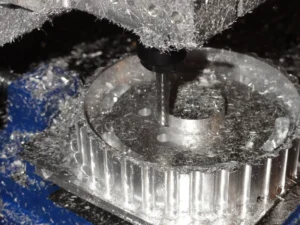
Aluminum milling requires specific approaches that are different from other metals. The right combination of cutting tools, speeds, feeds, and cooling methods can dramatically improve your results. You can achieve excellent surface finishes with proper technique while extending tool life and maintaining tight tolerances across your projects.

Read More »
fly cutter

Fly Cutter: When It Works Best and What Affects Surface Finish

A fly cutter is a rotary cutting tool that attaches to a milling machine spindle and rotates to remove material. The cutting bit extends from the tool body and cuts in an arc pattern with each rotation, creating a smooth, flat surface.
The tool creates flat surfaces because the cutting edge is set at a consistent height. Each pass removes a thin material layer, and the milling machine’s feed movement creates a flat surface. This process is sometimes called “fly cutting” because of the cutting edge’s sweeping motion.

Read More »
Sinker EDM

Sinker EDM Explained: How It Works and Where to Use It

Electrical Discharge Machining (Sinker EDM) is a metal removal process that uses electrical sparks to remove material from the workpiece. This process involves submerging the electrode and the workpiece in dielectric fluid. High-frequency electrical pulses then erode and melt the surface of the piece.

Read More »
CNC Fixture

CNC Fixture: A Comprehensive Guide

A CNC fixture is a device that holds and positions a workpiece during machining operations. Fixtures keep parts stable and correctly aligned, while cutting tools remove material. They make sure each part comes out the same way every time.

Read More »
boring machining

Boring Machining: Everything You Need to Know

Boring machining involves enlarging and finishing a predrilled hole to exact dimensions and surface finish using a single-point cutting tool or a bored head containing several tools. This is crucial to achieving the precision and accuracy required by complex machinery.

Read More »
Drilling Brass

Drilling Brass: Chip Control, Hole Quality, and Delivery Risk

Brass drilling differs from other metals because of its unique properties. It’s softer than steel but harder than aluminum, requiring different speeds and feeds. The zinc content in brass creates challenges with chip formation and tool sticking. The correct drill bits, speeds, and lubricants will help you avoid common problems and produce clean, accurate holes.

Read More »
CNC precision machining

CNC Precision Machining: Everything You Need To Know

CNC Precision Machining stands for Computer Numerical Control Machining. It is a manufacturing process where pre-programmed computer software controls the movement of factory tools and machinery. This process can control a range of complex machinery, from grinders and lathes to mills and routers.

Read More »

Ask For A Quick Quote

We will contact you within 1 working day, please pay attention to the email with the suffix”@goodsheetmetal.com”

Didn't Find What You Want? Talk to Our Director Directly!