BLOG

We regularly update articles related to the manufacturing industry.

Types of Plain Milling Cutters

What is Plain Milling? A Comprehensive Guide

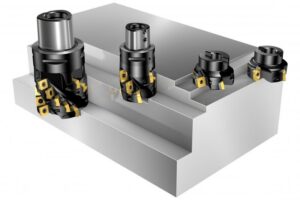
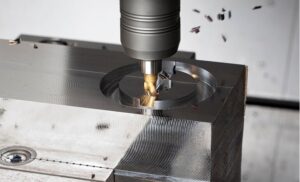
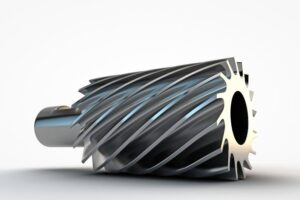
Plain milling is a machining process in which a rotating cutter moves across a workpiece to remove material and create a flat surface. This operation is mostly done using horizontal milling machines, but vertical machines can also be used in some cases. The main goal of plain milling is to smooth the surface or cut grooves.
Read More »
CNC Swiss Machining

Swiss Machining: Precision, Process, and Applications

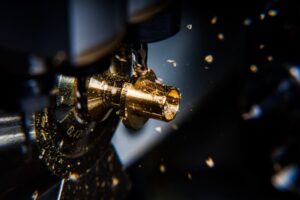
Swiss machining is a type of CNC that produces small, high-precision parts. It supports the workpiece with a sliding headstock and guide bushing, reducing vibration and allowing for tighter tolerances. 

Swiss machining gets its name from its origins in Swiss watch manufacturing. The process was created to make the tiny, precise watch parts.

In traditional lathes, the material is only held at one end, which can cause bending when cutting forces are applied. Swiss machines solve this problem by supporting the material at the cutting point.

Read More »
How Does Face Milling Work

Face Milling 101: Basics, Tools, and Best Practices

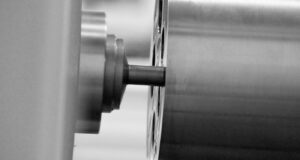
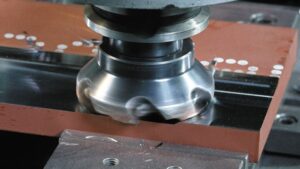
Face milling is a machining technique where a multi-toothed cutter removes material from the surface of a workpiece. The cutting tool moves perpendicular to the workpiece, creating a flat and smooth surface in a single pass. Manufacturers use this method to make precise, clean surfaces with tight tolerances across various materials.

Read More »
how to set up a cnc machine shop

CNC Machine Shop 101: The Ultimate Guide to Precision Manufacturing

A CNC shop has computer-controlled machines cutting, shaping, and finishing materials into parts. These shops handle everything from prototypes to large-scale production and are used in industries such as aerospace, automotive, and electronics.

CNC machine shops rely on skilled operators and engineers. They ensure the machines run smoothly and produce high-quality parts. Combining technology and expertise makes these shops a key part of manufacturing.

Read More »
CNC Milling

CNC Milling Parts: The Ultimate Guide to Precision Machining

CNC-milled parts are manufactured using computer-controlled cutting machines. They can include anything from simple brackets to complex aerospace components.

Most CNC-milled parts feature precise dimensions, tight tolerances, and excellent surface finishes. The process creates parts with features like holes, slots, pockets, threads, and contoured surfaces that would be difficult to produce manually.

Read More »
Bronze Machining (1)

Precision and Expertise in Bronze Machining

Bronze machining involves shaping bronze into parts using tools like lathes, mills, or CNC machines. Bronze is strong, resists corrosion, and works well in high-friction environments, making it ideal for bearings, gears, and marine components. Machining bronze requires skill and the right tools to ensure quality and accuracy.

Read More »
transmission output shaft

Transmission Shaft: Everything You Need to Know

A transmission shaft is a rotating mechanical component designed to transfer power and torque from one part of a machine to another. These cylindrical elements are the backbone of power transmission in countless applications, from automotive vehicles to industrial machinery.

Read More »
CNC and Laser Cutting

CNC Cutting vs Laser Cutting: What is the Difference?

CNC uses physical cutting tools to remove material through direct contact, making it ideal for thick materials and 3D shapes. Laser cutting uses focused light beams to melt, burn, or vaporize material without contact, offering high precision for thin to medium materials.

Read More »
Precision Machined Parts

Precision Machined Parts: Heart of Modern Manufacturing

Precision machined parts are components crafted with exceptional accuracy and tight tolerances. These parts are created using advanced machining techniques, ensuring each piece fits perfectly into its intended function. The process involves removing material from a workpiece to create a desired shape, size, and finish.

Read More »
Types of Deep Hole Drilling Techniques

What Is Deep Hole Drilling? A Comprehensive Guide

Deep hole drilling is a method for creating holes that are much deeper than their diameter. Typically, the depth of the hole is at least ten times greater than the diameter. This process works on various materials, from soft aluminum to strong super alloys, making it suitable for many industries.

Read More »
How Does Side Milling Work

What is Side Milling and How it Work?

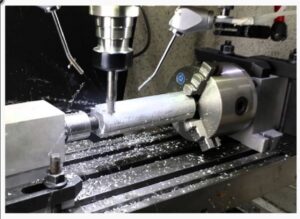
Side milling is a process where a rotating cutter removes material from the side of a workpiece. The cutter has teeth on its sides, which cut into the material as it moves along the edges. This creates flat surfaces, slots, or complex profiles. It’s commonly used for large or irregularly shaped parts that need precise dimensions and smooth finishes.

Read More »
Wire EDM Machining

Wire EDM Cutting: What is and How It Works

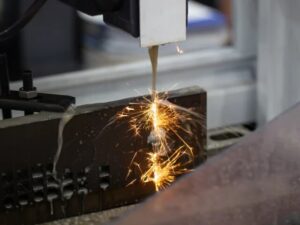
Wire EDM cutting is a specialized electrical discharge process. Wire EDM employs a thin, electrically charged wire to cut conductive metals through controlled electrical sparks. The process submerges the workpiece in deionized water while the wire creates precise cuts without direct contact. 

Read More »
CNC Machining Stainless Steel

Stainless Steel CNC Machining: Techniques, Benefits, and Applications

Stainless steel CNC machining involves using computer-controlled machinery to cut, shape, and finish stainless steel into precise components. Techniques like milling, turning, and drilling achieve intricate designs and tight tolerances. The process leverages the strength and versatility of stainless steel while overcoming challenges like work hardening and heat buildup.

Read More »

Ask For A Quick Quote

We will contact you within 1 working day, please pay attention to the email with the suffix”@goodsheetmetal.com”

Didn't Find What You Want? Talk to Our Director Directly!