Aluminum chromating is often used when a part needs corrosion protection, a better surface for paint, and very little size change. It also helps keep electrical contact. That is why it is a common choice for sheet metal parts, machined parts, enclosures, and other functional aluminum assemblies.
Aluminum chromating is also called chromate conversion coating or chem film. It is a chemical passivation process that creates a thin protective layer on the aluminum surface. This layer helps improve corrosion resistance and paint or primer adhesion. It can also keep low electrical contact resistance, which is useful when a part needs protection without a noticeable coating build-up.
This process is a practical option when a part needs both protection and electrical conductivity. It is often used for parts that must meet MIL-DTL-5541 requirements. This article explains where chromating works best, how alloys affect results, and what to check before production.

How Aluminum Chromating Affects Surface Performance?
Chromate conversion converts the microscopic surface layer of the aluminum into a passive oxide film. This mechanism provides specific functional properties when corrosion resistance, paint adhesion, and conductivity are all competing requirements on the same print.
Corrosion protection
The passive film creates a dense barrier against moisture and atmospheric oxidation. When applied correctly, it routinely passes 168 to 336 hours of salt spray testing (ASTM B117).
Certain chromate conversion layers also offer slight chemical self-healing. If the surface is lightly scratched during assembly, the surrounding chromate migrates to cover the exposed aluminum, which delays localized corrosion and extends the part’s lifespan.
Paint adhesion
Applying paint directly to bare aluminum often leads to peeling because the natural oxide layer is unstable. Chromating alters the surface energy, creating a micro-porous structure that locks coatings in place.
This stable base allows powder coats, epoxies, and liquid paints to adhere securely. Without this conversion layer, painted aluminum parts often suffer from severe field failures, such as under-film blistering within months of outdoor exposure.
Conductivity
Heavy protective finishes, such as Type II or Type III anodizing, electrically insulate the metal. Chromate conversion is fundamentally different because it protects the surface while keeping electrical resistance exceptionally low.
This retains the aluminum’s natural conductivity, routinely meeting the strict limits required by MIL-DTL-5541 Class 3. Because of this, it is a mandatory requirement for EMI/RFI shielding and electrical grounding points in electronic enclosures.
Dimensional stability
The conversion film is extremely thin, usually measuring between 0.3 and 1.0 microns. It integrates directly into the metal surface rather than building up heavily on top of it, meaning it does not alter the part’s original dimensions.
This is highly advantageous for precision CNC machined parts with fine threads or tight assembly fits. It eliminates the need to recalculate tolerances or resize threaded holes during the machining phase, saving upfront engineering time.
Where Aluminum Chromating Works Best?
Selecting the right finish depends on the part’s function, assembly environment, and production budget. In the scenarios below, choosing chromate conversion over anodizing or direct painting drastically reduces secondary processing costs.
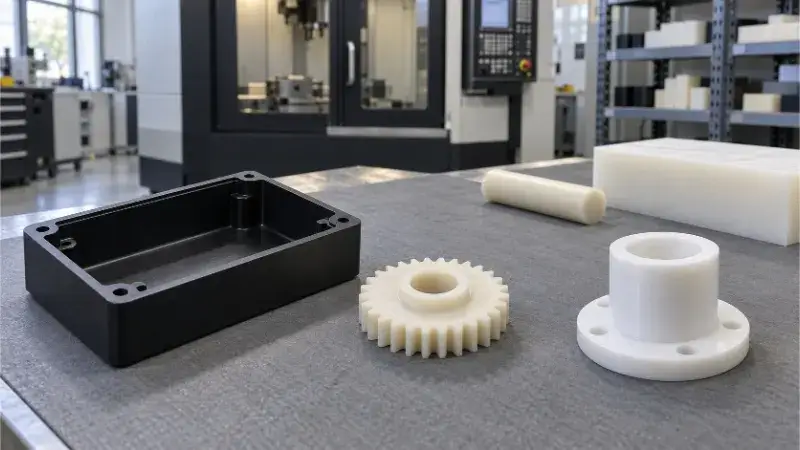
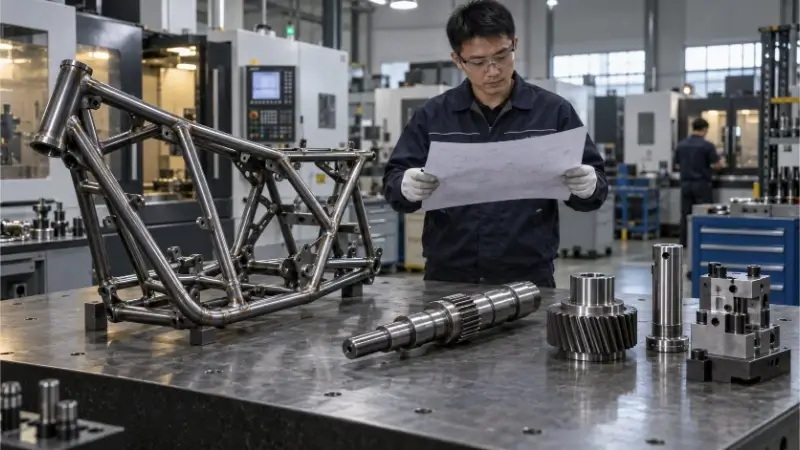
Machined parts
For CNC milled components with tight tolerances or small internal threads, standard anodizing causes material build-up that alters pitch diameters. Operators must account for this by adjusting pre-plate dimensions or manually plugging holes.
Chromating provides the necessary surface protection without this build-up. This removes the need to spend time plugging tapped holes, which significantly reduces manual masking costs and lead times on complex batches.
Sheet metal parts
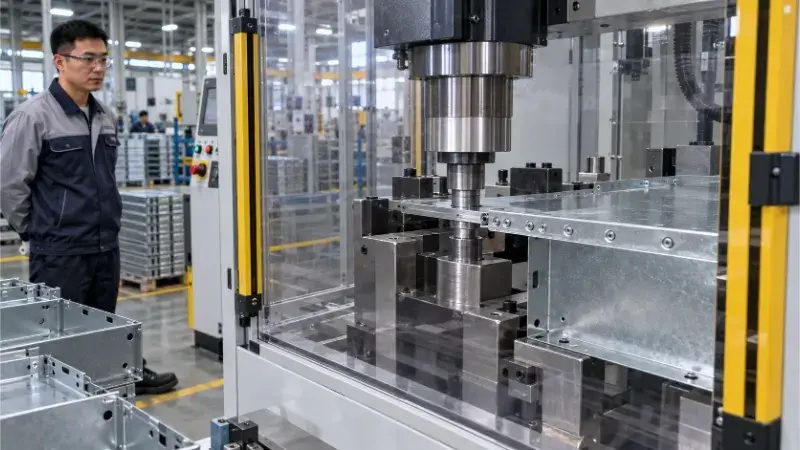
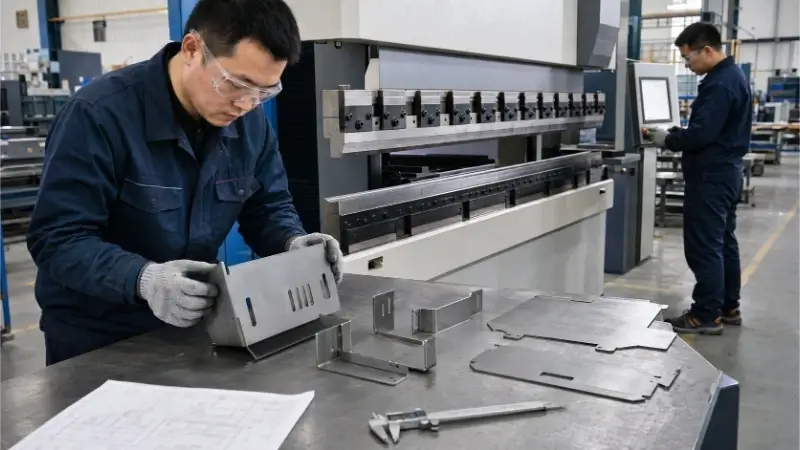
Aluminum enclosures, chassis, and brackets used in electronics often need protection against humidity or industrial environments. Chromating provides this without adding weight or causing the edge-pooling issues that occur with heavy liquid primers.
Furthermore, the chemical dipping process scales exceptionally well. It allows sheet metal parts to be racked and processed efficiently in high volumes, driving down the overall cost per unit.
Conductive assemblies
Assemblies that require electrical grounding across multiple parts, such as telecom boxes, server racks, or instrument housings, rely on metal-to-metal continuity. Attempting to mask off specific grounding points on an anodized chassis is notoriously error-prone and labor-intensive.
Chromating solves this by coating the entire part while maintaining conductivity everywhere. It protects the mating surfaces from rapid oxidation while ensuring the entire structure remains electrically bonded.
Painted parts
For aluminum components exposed to harsh outdoor environments, chromating is standard as a pre-treatment step. Applying a powder coat over a chromated surface creates a dual-layer defense system that drastically improves salt-spray resistance.
Skipping this step is a major risk. Relying on paint alone over bare, degreased aluminum is a common cause of premature warranty claims and rapid coating degradation in the field.
Coating Performance Across Aluminum Alloys
A common misconception is that the same chromate bath will produce the exact same finish on every part. Because chromating is a chemical reaction with the base metal, the alloy’s specific composition heavily dictates the final coating’s thickness, color, and corrosion resistance.
Wrought aluminum
Wrought alloys, particularly the 6000 and 7000 series (like 6061 or 7075), are highly pure and react predictably with chromate chemistry. They form dense, uniform conversion layers that maximize the functional benefits of the process.
When treated correctly, these machined or extruded components routinely exceed 200 hours of salt spray resistance. The resulting film is usually even in color, making it ideal for both unpainted functional parts and high-end cosmetic base layers.
Die cast aluminum
Die cast alloys, such as A380 or A360, are inherently porous and contain distinct material flow lines from the casting process. The chromate solution can seep into these microscopic pores, trapping acids that may bleed out later and cause localized corrosion.
Because of this porous surface, the conversion coating on a die cast part often looks mottled or uneven. Engineers should expect the baseline corrosion resistance of a cast part to be noticeably lower than that of a wrought part treated in the exact same tank.
High-silicon alloys
Castings and specific welding wires often contain high levels of silicon to improve material flow. However, silicon does not react with standard chromate chemistry. If put through a normal line, the silicon particles remain bare, leaving black, smutty patches on the surface.
To properly chromate high-silicon aluminum, the factory must use a specialized acid pickle containing fluorides.
Cost Warning: Using specialized fluoride baths usually requires a separate tank setup and extra labor. Buyers should specifically highlight high-silicon alloys during the RFQ stage to avoid unexpected price increases later in production.
Surface condition
The mechanical state of the metal before it enters the bath directly affects the chemical reaction. A raw, freshly CNC-machined surface will convert at a different rate than a surface that has been bead-blasted, tumbled, or heavily oxidized in storage.
This means a single part with both machined faces and cast faces may show a distinct color mismatch. If a uniform appearance is a strict requirement for an unpainted part, engineers must define a universal surface preparation—such as a light sandblast—before the chemical treatment begins.
Hexavalent and Trivalent Chromating
For decades, the industry relied on one standard chemical formula. Today, environmental regulations and safety standards force engineers to choose between two primary systems.
Corrosion performance
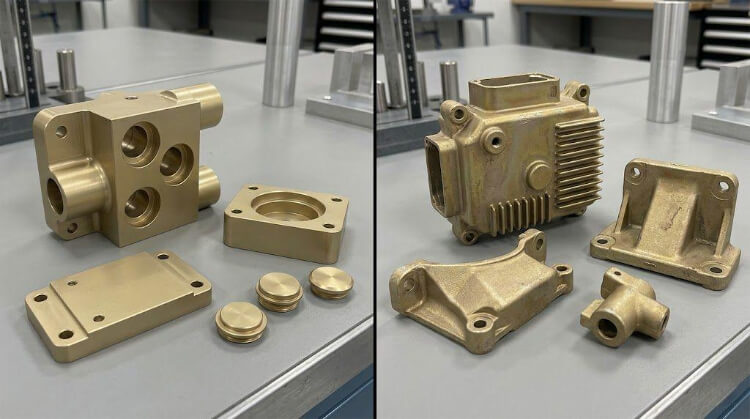
Hexavalent chromium (Cr6+) is the traditional heavy-duty standard, recognized by its distinct iridescent yellow or gold color. It provides the thickest conversion film and offers the highest degree of active, chemical self-healing when the metal is scratched.
Because of its extreme durability, it remains heavily used—and often explicitly required—in specific military, aerospace, and defense applications where equipment failure is not an option.
Compliance requirements
Despite its performance, hexavalent chromium is a known carcinogen. Directives like RoHS, REACH, and WEEE have effectively banned Cr6+ from consumer electronics, automotive components, and general commercial goods in Europe and North America.
If you are designing a product for commercial export, specifying a hexavalent finish is a major liability that can result in shipments being rejected at customs. In these commercial sectors, global compliance overrides maximum corrosion performance.
Trivalent systems
Trivalent chromium (Cr3+) is the modern, environmentally compliant alternative, typically producing a clear or pale blue finish. It successfully meets MIL-DTL-5541 Type II specifications and is highly effective for paint adhesion and electrical conductivity.
While its chemical self-healing properties are weaker than hexavalent systems, it is the safest choice for standard manufacturing.
Rule of Thumb: Unless your print explicitly requires MIL-spec extreme salt spray performance and operates under a RoHS exemption, trivalent chromium should be the default callout on your engineering drawings.
Chromium-free options
For companies pushing for completely non-toxic supply chains, zirconium or titanium-based conversion coatings are available. These true chromium-free options are excellent for promoting paint adhesion and are entirely eco-friendly.
However, they present a practical challenge on the shop floor: the coating is completely invisible. This makes visual quality assurance incredibly difficult for operators, often requiring chemical drop tests just to verify that the part was actually treated before it heads to the painting booth.
How Aluminum Chromating Works in Production?
A chromate specification on a drawing is only as reliable as the factory floor executing it. Understanding the basic workflow helps buyers and engineers spot red flags during supplier audits and trace the root causes of coating failures.
Cleaning and deoxidizing
The aluminum must be chemically pure before it touches the chromate. The line starts with an alkaline degreaser to remove CNC cutting fluids and stamping oils, followed by an acid deoxidizer to strip away the aluminum’s natural, uneven oxide layer.
If a factory rushes this step or stretches the life of their cleaning baths, residual oils will block the chromate from reacting with the metal. This invisible failure only reveals itself weeks later when the final paint layer blisters and peels off in the field.
Coating time and bath control
Chromating is not a simple dip-and-soak process; it is a timed chemical reaction. A common shop floor error is leaving parts in the tank too long, assuming it adds more protection. In reality, over-exposure creates a thick, powdery coating that lacks structural integrity.
Inspection Hack: When you receive a sample batch, put on a clean white cotton glove and rub the chromated surface firmly. If the glove comes away covered in yellow or blue dust, the supplier left the part in the bath too long. This powdery layer will ruin paint adhesion, and the batch should be rejected.
Rinsing and drying
After the reaction, the parts must be thoroughly rinsed, ending with a final deionized (DI) water rinse. If a supplier uses standard tap water, it leaves mineral deposits on the surface.
Inspection Hack: Look for faint white water spots. On parts designed for EMI shielding, these mineral deposits act as localized insulators, which can cause the entire assembly to fail its electrical grounding tests.
The most critical rule: drying temperatures must strictly remain below 70°C (160°F). If an operator turns up the oven heat to dry a batch faster, the high temperature permanently dehydrates the molecular structure of the chromate, turning the protective film to dust and completely destroying its corrosion resistance.
Common Problems and Process Limits
A credible supplier knows not only how a process works, but exactly how and why it fails. Understanding the hard limits of this coating prevents catastrophic field failures and helps you diagnose quality issues the moment a batch arrives on your receiving dock.

Weak film
If the bath chemistry is imbalanced or the drying temperature exceeded the 70°C limit, the conversion layer will be structurally weak. It may look perfectly fine to the naked eye but will fail to protect the metal or hold paint.
Inspection Hack: Use the standard cross-hatch tape test (ASTM D3359). Apply high-adhesion tape directly to the unpainted chromated surface and rip it off rapidly. If the tape pulls away a cloudy residue, the film is compromised and the batch should be rejected.
Uneven color
Because chromating reacts with the base metal, any variations in the aluminum will show up in the final finish. Machined surfaces, heat-affected zones from welding, and naturally porous die castings will all react at different speeds, resulting in a mottled or blotchy appearance.
If your part is going to be painted, this uneven color is purely cosmetic. However, if the part remains unpainted and aesthetics matter, you must specify a mechanical pre-treatment, like bead blasting, to unify the surface before coating.
Paint adhesion failure
Chromating is supposed to anchor paint, but a badly applied coating will do the exact opposite. If a supplier leaves the parts in the acid bath too long, the film becomes excessively thick and powdery.
When powder coat or wet epoxy is applied over this powdery layer, the paint adheres to the dust, not the metal. Within months, the paint will begin to flake off in large sheets, taking the powdery chromate layer with it.
Galvanic corrosion
Chromate conversion provides excellent general corrosion resistance, but it cannot defy physics. If you thread a bare stainless steel or copper fastener into a chromated aluminum hole in a humid environment, the dissimilar metals will create a battery effect.
“We recently audited a batch of telecom enclosures where the client saved 5% by using an uncertified supplier for trivalent chromating. Within three months, galvanic corrosion destroyed the grounding points. Doing it right the first time isn’t just about compliance—it’s about protecting your brand.”
Wear limits
This is a conversion coating, not a hardened wear layer. It measures less than 1.0 micron thick. While it protects against static environmental threats, it offers zero resistance to abrasive wear or sliding friction.
If your design includes moving parts, sliding tracks, or components that experience repetitive physical scraping, chromating will rub off quickly. For those specific surfaces, you must switch to a Type III Hardcoat Anodize.
What to Confirm Before Production Starts?
Many chromate failures happen before the metal ever touches the chemical bath. To lock in pricing and prevent production delays, engineers and buyers must explicitly define specific variables on the drawing or purchase order.
Aluminum grade
Never just write “Aluminum” on a drawing. As established, a 6061 extruded bracket requires a completely different chemical line than an A380 die casting.
Always call out the exact alloy and temper. If you are using a high-silicon casting or specialized welding wire, flag this for your supplier so they can allocate the correct fluoride-based pre-treatment.
Coating type
Avoid using outdated or generic trade names like “Alodine” or “Chem Film” without a supporting standard.
Explicitly call out the standard and the class. For example, write “MIL-DTL-5541F, Type II, Class 3”. This exactly tells the supplier you need environmentally compliant trivalent chromium (Type II) formulated for low electrical resistance (Class 3).
Corrosion target
“Make it rust-proof” is not an engineering specification. You must define the acceptable failure threshold so the factory knows how to test the batch.
Specify the exact testing standard and duration. A standard baseline for a quality trivalent finish on wrought aluminum is 168 hours of neutral salt spray per ASTM B117 without pitting.
Masking and appearance requirements
If only certain areas of the part require conductivity while the rest gets anodized, or if you need specific cosmetic uniformity, it must be detailed on the print.
Cost Warning: Masking is a highly manual, labor-intensive process. Asking a supplier to mask off intricate grounding points will drastically increase your unit price. If possible, design the part so the entire piece can be uniformly chromated without masking.
Conclusion
Aluminum chromating remains a cornerstone of manufacturing because it solves three problems at once: it provides excellent corrosion protection, anchors subsequent paint layers, and maintains critical electrical conductivity—all without altering precision machined dimensions.
However, it is not a magic dip. The final performance relies heavily on the specific aluminum alloy, tight factory bath controls, and the strict avoidance of excessive drying heat.
Need reliable surface finishes for your next manufacturing run? At Shengen, we combine over 10 years of precision CNC machining and sheet metal fabrication experience with strictly controlled surface treatment partnerships. We know how to match the right aluminum alloy with the right trivalent chromate process to ensure your parts pass inspection and perform in the field.
Stop guessing on your finish specifications. [Upload Your CAD Files Here] for a free engineering review and quote within 24 hours.
Hey, I'm Kevin Lee

For the past 10 years, I’ve been immersed in various forms of sheet metal fabrication, sharing cool insights here from my experiences across diverse workshops.
Get in touch
Kevin Lee
I have over ten years of professional experience in sheet metal fabrication, specializing in laser cutting, bending, welding, and surface treatment techniques. As the Technical Director at Shengen, I am committed to solving complex manufacturing challenges and driving innovation and quality in each project.