In sheet metal fabrication and precision manufacturing, welding titanium requires a fundamentally different set of controls compared to stainless steel or aluminum. Most weld failures in titanium do not stem from joint design or filler wire selection, but rather from atmospheric contamination during the heating and cooling cycles.
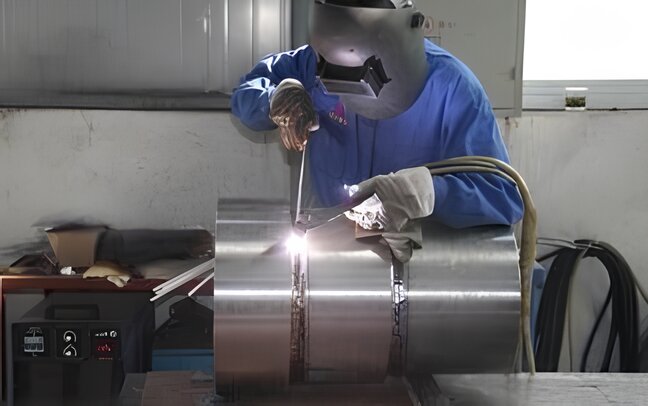
Titanium welding requires rigorous TIG or plasma arc processes executed under strict inert gas shielding. Because titanium reacts aggressively with atmospheric gases at high temperatures, implementing comprehensive trailing shields and auxiliary cooling is essential to eliminate embrittlement and maintain the material’s premium corrosion resistance.
Because of this, titanium welding is not defined by the welding operation itself, but by the process control system around it. The following sections are structured around real production workflow, focusing on practical control methods used in fabrication shops rather than theoretical material science.
Why Titanium Welds Fail?
The high strength-to-weight ratio and corrosion resistance of titanium come with specific thermal processing limits. Managing these limits on the shop floor determines whether a welded assembly will pass mechanical testing or end up in the scrap bin.
Oxygen Contamination
Unlike carbon steel, which forms a surface scale when oxidized, titanium absorbs oxygen directly into its molten structure. This process, known as interstitial hardening, physically alters the crystal lattice of the metal.
While the weld may appear visually sound, the absorbed oxygen increases the hardness of the material while significantly reducing its ductility. A weld with high oxygen content is prone to cracking when mechanical stress or bending loads are applied, often resulting in complete assembly failure during final validation testing.
Heat-Affected Zones (HAZ)
During TIG welding, the weld pool is protected by the torch’s shielding gas. However, the surrounding Heat-Affected Zone (HAZ) also reaches temperatures well above the 427°C reactivity threshold and cools down slower than the weld center.
If the shielding gas is removed while the HAZ is still at elevated temperatures, the surrounding metal will absorb atmospheric gases. Parts with a compromised HAZ often pass visual dimension checks but regularly fail tensile or hydrostatic pressure tests. Finding this defect late in production means scrapping the entire welded structure, severely impacting project lead times.
Weld Brittleness
When moisture or contaminated shielding gas introduces hydrogen or nitrogen into the weld area, it leads to the formation of titanium hydrides and nitrides. These are hard, brittle compounds that act as internal stress points within the material.
The presence of these compounds reduces the fatigue resistance of the weld. Under cyclical loading or vibration, these internal stress points may cause micro-cracks to develop over time, compromising the long-term reliability of the component and increasing the risk of premature field failure.
Grade 1 vs. Grade 5
The risk of failure also depends on the specific titanium alloy being processed. Commercially Pure (CP) Titanium, such as Grade 1 or Grade 2, is more forgiving and handles thermal cycling relatively well. It is usually used for chemical tanks and standard sheet metal parts.
Conversely, Grade 5 (Ti-6Al-4V), an alpha-beta alloy widely used in aerospace, requires stricter thermal management. Welding Grade 5 without controlling the cooling rate may cause high residual stresses, which can lead to part distortion or internal cracking after the welding process is complete. For Grade 5 components, engineering teams should factor in post-weld heat treatment (PWHT) in vacuum furnaces to relieve these stresses and ensure dimensional stability.
Contamination Control Before Welding
Because titanium is highly sensitive to impurities, process control must begin before the arc is struck. Improper material preparation is a common source of defects, and addressing it early reduces the scrap rate and controls fabrication costs.
Dedicated Work Areas
Cross-contamination from other metals often causes localized weak points in titanium welds. If airborne iron dust from a nearby grinding station settles on a titanium part, it can melt into the weld pool and cause iron inclusions, which may lead to galvanic corrosion later.
To maintain quality, facilities processing titanium typically use physically separated workstations. Dedicated ventilation and isolated workbenches are standard practices to keep steel, aluminum, and titanium operations completely apart, aligning with industrial guidelines such as AWS D1.9 (Structural Welding Code—Titanium).
Oxide Removal
Titanium naturally develops a thin layer of titanium dioxide, which provides its corrosion resistance. However, this oxide layer has a higher melting point than the underlying base metal and must be mechanically removed from the weld joint.
If left in place, the operator will need to apply excessive heat to melt through it, which increases the risk of burn-through on thinner sheet metal. Additionally, unmelted oxide particles can sink into the weld pool, causing solid inclusions and incomplete fusion that will be flagged during ultrasonic inspection.
Acetone Cleaning
After mechanical prep, the joint area must be cleaned of machine oils, cutting fluids, and handling marks. Hydrocarbons from bare hands can contaminate the weld, so operators typically wear powder-free nitrile gloves during this stage.
Cleaning works well with pure acetone or Methyl Ethyl Ketone (MEK). Industrial degreasers containing chlorides should be avoided, as chloride residues subjected to welding heat may cause stress corrosion cracking over time. Once cleaned, standard practice dictates that parts should be welded within 2 to 4 hours. If this window is missed, the components must be cleaned again to prevent re-oxidation.
Tool Isolation
The abrasive tools used for joint preparation require strict management. Stainless steel wire brushes and carbide burrs used on titanium must be new and explicitly restricted to titanium use only.
Using a shared wire brush can embed microscopic iron or chromium particles into the softer titanium surface. During welding, these foreign particles mix into the molten metal and create hard spots. During final inspection, these inclusions often lead to failed X-ray (RT) or dye penetrant (PT) tests, resulting in the scrapping of the entire sub-assembly and weeks of delayed lead time.
Shielding Systems and Gas Coverage
In titanium welding, shielding gas does more than stabilize the arc; it serves as a physical barrier between the heated metal and the atmosphere. For production runs, inconsistent gas coverage is the leading cause of rejected batches.
Gas Lens Setup
Standard TIG collet bodies create turbulent gas flow, which can pull ambient air into the shielding envelope through the Venturi effect. For titanium, using a gas lens paired with a large-diameter ceramic cup (typically #12 or larger) is standard practice.
The gas lens ensures a smooth, laminar flow of 99.999% pure argon over the weld pool. If turbulence introduces even trace amounts of oxygen into the arc, it forms a brittle, oxygen-enriched surface layer known as Alpha Case. If Alpha Case forms, the weld is structurally compromised and will likely fail subsequent bending or tensile validation tests.
Back Purging
Protecting the face of the weld is only half the requirement. The back side of the joint, such as the interior of a tube or the reverse side of a sheet metal seam, also reaches reactive temperatures during welding.
Failing to protect the root side results in severe oxidation, often referred to in the shop as “sugaring.” This granular, porous formation destroys the structural integrity of the root pass. Facilities must use dedicated backing gas fixtures, purge blocks, or argon dams to displace all oxygen from the back of the joint before the arc is initiated.
Trailing Shields
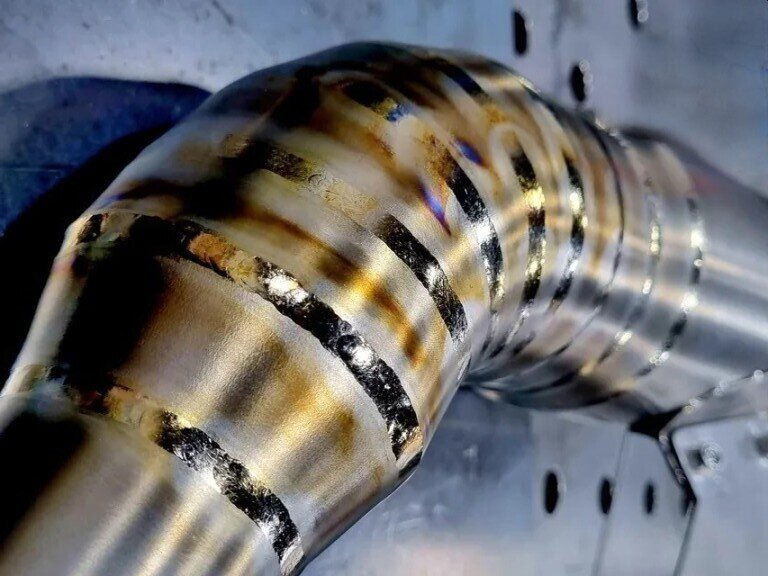
Because titanium has low thermal conductivity, the metal remains well above 427°C long after the welding torch has moved forward. The standard torch cup cannot cover this trailing heat-affected zone (HAZ) as it cools.
A trailing shield—a custom-fit attachment that drags behind the torch—floods the cooling weld bead with argon. If a trailing shield is not used on longer continuous welds, the exposed hot metal will react with the air, turning blue or gray, requiring the entire section to be mechanically removed and scrapped. While heavy argon flow and trailing shields increase consumable costs per part, skipping them to save gas inevitably leads to scrapped titanium assemblies.
Post-Flow Timing
When extinguishing the arc at the end of a weld run, the metal at the crater remains molten. The operator must hold the torch stationary over the end of the weld while the shielding gas continues to flow over the cooling puddle.
A standard post-flow timer is typically set to 15 to 20 seconds, depending on the material thickness and amperage. Pulling the torch away prematurely causes the crater to instantly oxidize and crack. This creates a stress riser that will eventually propagate through the rest of the weld under structural load.
Heat Input and TIG Parameters
Controlling the amount of heat transferred into the part is just as important as gas coverage. Before adjusting amperage, it is important to note that High-Frequency (HF) arc initiation is mandatory across all titanium workstations.
DCEN Polarity
Titanium is almost exclusively welded using Direct Current Electrode Negative (DCEN) polarity. This setup directs approximately 70% of the arc energy into the workpiece and 30% into the tungsten electrode.
This configuration provides deep, narrow penetration profiles while minimizing the overall width of the weld pool. Narrower welds limit the surface area that requires gas shielding, directly reducing the probability of atmospheric contamination and lowering argon consumption costs.
Pulse Control
Inverter-based TIG machines with high-speed pulse capabilities are highly recommended for titanium fabrication. By pulsing the current at 100 to 500 times per second (Hz), the arc agitates the weld puddle and achieves penetration while lowering the average amperage.
This technique limits the total heat input, which is particularly critical for thin-gauge sheet metal components (e.g., under 3mm or 11-gauge). Reducing the heat input minimizes thermal distortion, significantly lowering the time and cost associated with post-weld straightening or machining operations.
Low Heat Input
Operating with the lowest practical heat input prevents excessive grain growth within the titanium microstructure. Large grain structures in the weld zone typically reduce the material’s fatigue strength and impact resistance.
Operators achieve low heat input by maintaining a tight arc length, setting exact amperage limits, and keeping a consistent, relatively fast travel speed. Lingering in one spot to artificially widen the puddle only degrades the mechanical properties of the joint and increases the size of the HAZ.
Filler Wire Handling
During manual TIG welding, the tip of the filler wire must remain inside the argon shielding envelope at all times. If the operator pulls the wire out of the gas flow while it is still hot, the tip will oxidize instantly.
Feeding an oxidized wire tip back into the molten puddle introduces oxygen directly into the core of the weld, causing internal porosity and hard spots. If the wire is accidentally exposed, standard procedure dictates that the operator must stop, clip off the contaminated end, and restart the process.
Weld Discoloration and Defect Inspection
Visual inspection serves as the primary quality gate for titanium welding. Unlike steel, where surface discoloration is often just a cosmetic issue, the color of a finished titanium bead provides a direct, reliable indicator of shielding effectiveness and structural integrity.
To standardize quality control on the shop floor, engineers rely on a strict color acceptance matrix:
| Weld Color | Oxidation Level | Structural Impact | Action Required |
|---|---|---|---|
| Silver / Chrome | Zero | Perfect ductility | Pass / Proceed to NDT |
| Light Straw / Gold | Minimal surface | Superficial | Acceptable / Wire brush |
| Blue / Purple | Moderate internal | Alpha Case formed | Reject / Mechanical removal |
| Gray / Flaky White | Total failure | Titanium Dioxide (Brittle) | Scrap / Unrecoverable |
Silver and Straw Colors
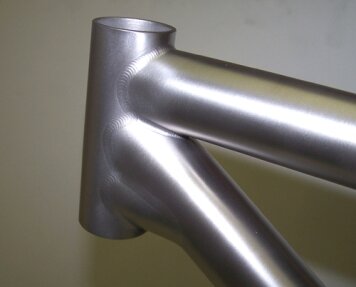
A bright silver or chrome-like finish indicates perfect gas coverage with zero oxygen contamination. This is the standard for critical structural components.
Light straw or pale gold colors indicate minor surface oxidation. This level is usually acceptable for standard sheet metal assemblies and non-aerospace applications. The straw-colored oxide layer is superficial and can be removed with a dedicated titanium-only stainless wire brush before laying the next pass.
Blue and Purple Welds
When welds turn dark blue, purple, or dull gray, the shielding system has failed. These colors indicate that oxidation has penetrated beyond the surface and fundamentally altered the crystal structure of the metal, forming a brittle Alpha Case.
Gray or white flaky deposits indicate total titanium dioxide formation. These welds have lost all ductility and are structurally ruined. A blue or gray titanium weld may look solid on the bench, but it will inevitably crack under standard mechanical loads. Parts exhibiting these colors fail inspection immediately and must be quarantined.
Porosity Inspection
A perfect silver color does not guarantee the absence of internal defects. Sub-surface porosity usually occurs when the joint was improperly cleaned or an oxidized filler wire was fed into the puddle.
Facilities rely on X-ray (RT) or ultrasonic testing (UT) to detect these internal voids. If left undetected, internal porosity acts as a stress concentrator. Over time, these voids reduce the cross-sectional strength of the joint, significantly lowering the fatigue life of the component.
Crack Detection
Micro-cracking often results from severe cooling stresses or localized Alpha Case formation in the Heat-Affected Zone. These cracks are tightly closed and usually invisible to the naked eye.
Dye penetrant testing (PT) is the standard method used to locate these surface-breaking defects. A part deployed with undetected micro-cracks will experience rapid crack propagation under vibration, leading to sudden, catastrophic field failure long before its intended lifecycle ends.
Rework Limits and Production Challenges
Reworking a failed titanium weld is far more complex than repairing carbon steel. The strict metallurgical limits of titanium mean that fixing a mistake is time-consuming, expensive, and sometimes restricted by engineering codes.
Oxidized Weld Removal
If a weld turns blue or gray, the contaminated metal cannot simply be melted over or blended out. The oxidized section, including the affected base metal, must be entirely removed via mechanical cutting, typically using carbide rotary burrs.
Thermal cutting or standard grinding wheels are prohibited, as they generate excessive heat and introduce further thermal damage to the surrounding material. Operators must excavate the area down to pure, shiny base metal before any re-welding can occur.
Rework Limitations
Even with proper mechanical removal, a single titanium joint can only endure limited rework cycles. Repeated heating expands the HAZ and promotes excessive grain growth, which permanently degrades the tensile strength of the base metal.
For highly stressed components, engineering specifications often limit rework to a single attempt. If the repair fails RT or PT inspection a second time, the entire fabricated sub-assembly must be scrapped.
Argon Consumption
Maintaining laminar flow, trailing shields, and back purging requires massive volumes of high-purity argon. This high gas consumption rate is a non-negotiable manufacturing cost for titanium fabrication.
Facilities that attempt to reduce production costs by lowering gas flow rates or skipping trailing shields immediately experience a spike in weld contamination. Cutting corners on shielding gas directly translates to higher defect rates and missed delivery schedules.
Scrap and Rework Costs
Titanium raw material is inherently expensive. Scrapping a welded assembly due to a single contaminated seam wastes not only the raw material but also the forming, laser cutting, and CNC machining hours invested prior to welding.
For procurement managers, selecting a fabricator based purely on the lowest initial quote often backfires if that facility lacks strict atmospheric controls. A high internal scrap rate will eventually inflate project costs and disrupt the supply chain.
Conclusion
Successful titanium welding requires rigorous process control over environmental and thermal variables. From utilizing dedicated workstations and strictly enforced solvent cleaning to deploying comprehensive argon shielding systems, every step on the shop floor exists to keep atmospheric gases away from the heated metal.
When sourcing titanium sheet metal fabrication, partnering with an experienced facility minimizes the risk of costly weld failures. At Shengen, our engineering team leverages over 10 years of sheet metal processing experience to execute these strict quality controls, from rapid prototyping to mass production.
Dealing with complex titanium weldments? Send us your CAD files for a transparent DFM (Design for Manufacturability) review, and see how we control the variables that others miss.
Hey, I'm Kevin Lee

For the past 10 years, I’ve been immersed in various forms of sheet metal fabrication, sharing cool insights here from my experiences across diverse workshops.
Get in touch
Kevin Lee
I have over ten years of professional experience in sheet metal fabrication, specializing in laser cutting, bending, welding, and surface treatment techniques. As the Technical Director at Shengen, I am committed to solving complex manufacturing challenges and driving innovation and quality in each project.