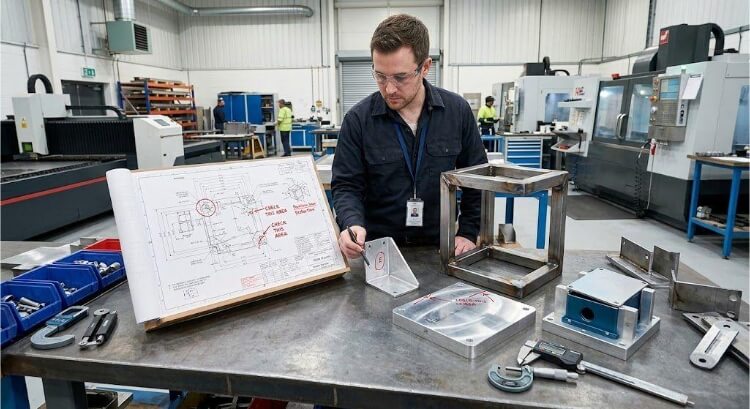
Metal corrosion is not just a cosmetic issue — it directly affects performance, safety, and long-term reliability. According to the World Corrosion Organization, global corrosion damage costs industries over $2.5 trillion every year. For manufacturers, especially in sheet metal fabrication, corrosion can lead to premature failures, warranty claims, and increased maintenance costs.
In sheet metal fabrication, plating is one of the most effective methods for corrosion prevention. Among the many available coatings, zinc plating and nickel plating stand out due to their balance of cost, protection, and appearance. However, their working principles differ fundamentally — zinc offers sacrificial protection, while nickel provides barrier protection. Understanding this difference is key to choosing the right one for your project.
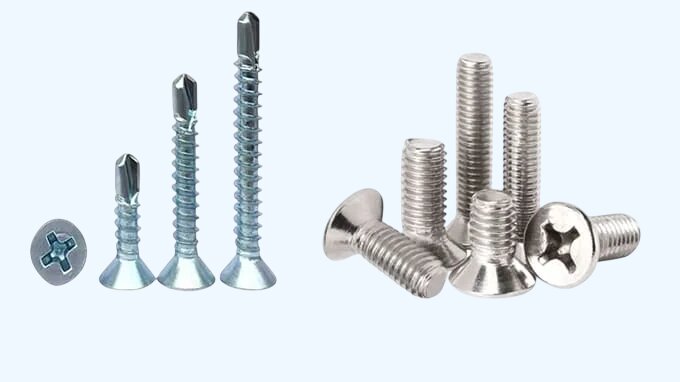
How Corrosion Works — and How Plating Stops It?
Corrosion starts as an electrochemical reaction between the metal and its surrounding environment. Moisture acts as an electrolyte, carrying ions that allow oxidation and reduction to occur on the surface. As electrons move, metal atoms turn into oxides or salts — the visible rust or discoloration seen on unprotected steel.
Plating interrupts this reaction in two fundamental ways:
- Barrier Protection (Nickel Plating):
- Nickel forms a dense, non-porous metallic shield that blocks air, water, and chemical contaminants from reaching the substrate.
- Sacrificial Protection (Zinc Plating):
- Zinc, being more reactive than steel, corrodes first. This self-sacrifice prevents oxidation of the underlying base metal — a principle known as the galvanic effect.
Both methods extend the service life of sheet metal parts, but each performs differently under humidity, temperature fluctuation, and exposure to salt or chemicals.
What Is Zinc Plating and How Does It Protect Metal?
Zinc plating, defined under ASTM B633, is one of the most common electroplating processes. It involves submerging steel components in a zinc salt solution and applying an electrical current to deposit zinc ions onto their surfaces.
The key strength of zinc lies in its sacrificial behavior — it corrodes preferentially, forming a layer of zinc oxide and carbonate that protects the steel even if the coating is scratched. This makes zinc plating ideal for parts exposed to moisture, but not for prolonged exposure to salt or chemicals.
After plating, parts often undergo chromate passivation (clear, blue, or yellow) and sometimes a topcoat sealer to improve appearance and enhance corrosion resistance. With proper post-treatment, zinc coatings can achieve 72–500 hours of neutral salt spray resistance depending on thickness and finish class (Fe/Zn 5–Fe/Zn 25 per ASTM B633).
Advantages and Limitations of Zinc Plating
Advantages:
- Economical: Low cost and fast throughput make it suitable for high-volume production.
- Adequate corrosion resistance: Suitable for indoor or moderate outdoor exposure.
- Aesthetic flexibility: Bright, yellow, or black chromates offer decorative finishes.
- Excellent paint adhesion: The zinc surface promotes strong primer bonding for additional coatings.
Limitations:
- Limited durability: The coating eventually oxidizes and loses brightness, especially in marine or humid climates.
- Softness: Zinc is a relatively soft metal (~100–150 HV), meaning it wears off easily under friction or impact.
- Temperature sensitivity: Zinc coatings degrade above 200°C, reducing effectiveness in high-heat environments.
Design Tip:
For sheet metal parts, such as electrical cabinet doors or indoor brackets, zinc plating provides reliable protection. However, for components near heat, moisture, or vibration — such as outdoor panels or structural frames — you’ll need a tougher solution like nickel plating or zinc-nickel alloy.
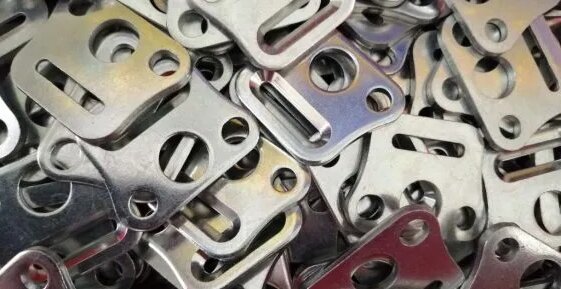
What Is Nickel Plating and How Does It Work?
Nickel plating is a barrier coating that prevents oxygen, water, and other corrosive elements from reaching the base metal. Like zinc, which sacrifices itself, nickel forms a dense, non-porous metallic shield that resists corrosion and wear. Because of its hardness and visual appeal, it is widely used in precision sheet metal parts, medical devices, and mechanical assemblies that demand both durability and appearance.
There are two major types of nickel plating — electrolytic nickel plating and electroless nickel plating. While both provide strong corrosion and wear resistance, their working principles and outcomes differ slightly.
Electrolytic Nickel Plating
Electrolytic nickel plating deposits a layer of nickel using an electric current. The part acts as the cathode, submerged in a nickel sulfate solution. The process builds a bright, reflective surface that offers good protection and excellent adhesion.
It’s ideal for parts with simple geometry, such as flat panels, handles, or mounting plates. When appearance matters, a duplex nickel system — a semi-bright nickel base layer followed by a bright nickel top layer — is often used. This combination provides enhanced corrosion protection and a smooth, decorative finish.
Electroless Nickel Plating
Electroless nickel plating, as defined in ISO 4527, uses an autocatalytic chemical reaction rather than electricity. This method uniformly coats every surface, including internal cavities, threads, and complex shapes—a critical advantage in sheet metal housings, connectors, and precision parts that require uniform protection.
Electroless nickel coatings typically contain 4–12% phosphorus, which affects their properties:
- Low-phosphorus (2–4%): Hard and wear-resistant, used for mechanical parts.
- Medium-phosphorus (5–9%): Balanced hardness and corrosion resistance.
- High-phosphorus (10–12%): Excellent corrosion resistance for chemical or marine environments.
A well-controlled electroless nickel coating can withstand up to 1000 hours of neutral salt spray testing (ASTM B117), far exceeding the 24 hours required for standard zinc plating.
Performance Advantages of Nickel Plating
Nickel plating doesn’t just stop rust — it enhances performance across multiple fronts:
- Superior Barrier Protection: Forms a continuous layer that seals out moisture and oxygen.
- High Hardness: Hard nickel coatings reach 400–1000 HV, comparable to tool steel, improving wear resistance.
- Dimensional Accuracy: Uniform thickness, especially in electroless plating, eliminates uneven buildup in tight tolerances.
- Excellent Appearance: Creates a smooth, reflective surface that maintains brightness over time.
- Temperature and Chemical Resistance: Nickel withstands heat up to 400°C and resists attack from oils, solvents, and mild acids.
Engineering Insight:
For components like machine panels, shafts, or enclosure latches that are subject to constant handling or friction, nickel plating significantly extends lifespan and maintains precision fit.
Limitations and Considerations
Despite its advantages, nickel plating requires careful management:
- Higher Cost: Nickel-metal and bath maintenance increase process costs compared to zinc.
- Process Complexity: Bath chemistry must be precisely controlled for proper adhesion and hardness.
- Cracking Risk: Under stress or bending, hard nickel can form microcracks if the thickness is excessive.
- Environmental Management: Nickel-containing waste must meet strict disposal standards (RoHS, REACH).
In practice, these challenges are manageable when plating is done by a certified supplier with proper filtration, temperature control, and wastewater treatment systems.
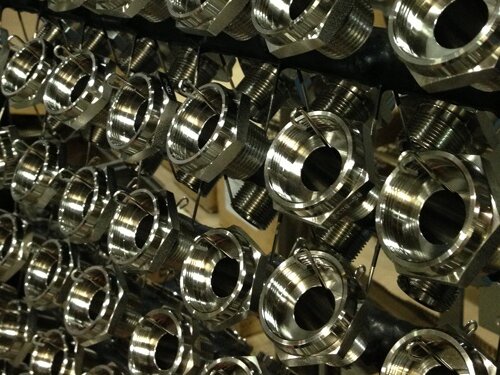
Nickel vs Zinc Plating — Head-to-Head Comparison
Both nickel and zinc plating protect metals from corrosion, but their performance, cost, and lifespan differ greatly depending on use conditions. Engineers often face the same question: Is it better to choose a sacrificial coating like zinc or a barrier coating like nickel?
The answer depends on the environment, durability needs, and design goals. Below is a detailed comparison across key engineering factors.
Corrosion Resistance
Zinc plating provides sacrificial protection — zinc oxidizes first, forming a white zinc oxide layer that shields the base metal. This works well in normal humidity or mild outdoor environments. With post-treatments like chromate passivation and top-coat sealing, zinc plating can achieve 200–500 hours of neutral salt-spray resistance (ASTM B633).
Nickel plating, by contrast, forms a dense, impermeable barrier that resists penetration by air and moisture. Electroless or duplex nickel coatings often withstand 500–1000+ hours of salt-spray exposure (ASTM B117). In marine, chemical, or high-humidity environments, nickel remains stable long after zinc has begun to corrode.
Engineering Insight:
If your parts will be used near the sea, in chemical plants, or exposed to high humidity year-round, nickel plating offers far better long-term protection.
Wear and Mechanical Strength
Nickel coatings are much harder than zinc. Depending on phosphorus content and heat treatment, electroless nickel can reach 900–1000 HV, similar to hardened steel. This hardness prevents scratches and abrasion, making it ideal for connectors, shafts, hinges, or sliding mechanisms.
Zinc plating, at about 100–150 HV, is relatively soft. It performs well for static parts like brackets or covers, but wears quickly under friction.
Design Tip:
When components experience movement or frequent handling, nickel plating’s hardness helps maintain dimensional stability and prolong service life.
Aesthetic and Surface Finish
Zinc plating can be bright or colored (clear, yellow, or black) depending on chromate type, making it suitable for industrial hardware where moderate appearance is acceptable. However, zinc surfaces may dull over time as oxide films form.
Nickel plating, on the other hand, delivers a mirror-like metallic luster that stays bright for years. It’s the first choice for visible sheet-metal parts, medical devices, and consumer-facing enclosures that demand both function and appearance.
For premium applications, duplex nickel plating combines a semi-bright inner layer for corrosion resistance with a bright outer layer for aesthetics — the same approach used in automotive trim or high-end electronic housings.
Cost and Production Efficiency
Zinc plating remains the most economical corrosion-resistant finish available. Its raw material cost is low, and deposition rates are fast, making it perfect for large-volume sheet-metal parts and fasteners.
Nickel plating requires more precise bath control and slower deposition rates, which increase costs. However, it provides a longer service life and reduced maintenance, often lowering total costs over time. For high-value or export components that must remain corrosion-free for years, nickel plating is typically more cost-effective across the product lifecycle.
Environmental and Regulatory Factors
Modern zinc plating systems now use trivalent chromates to replace older hexavalent versions, ensuring full compliance with RoHS and REACH. Zinc waste is relatively easy to treat and recycle, making it a preferred option for eco-sensitive manufacturing.
Nickel plating, while durable, requires strict wastewater control and adherence to safety standards for handling nickel compounds. Certified plating suppliers with filtration and recovery systems are essential for sustainable production.
Industry Note:
Both zinc and nickel plating can be made environmentally compliant, but nickel requires tighter process monitoring and higher treatment costs.
Summary Comparison Table
| Property | Zinc Plating | Nickel Plating |
|---|---|---|
| Protection Type | Sacrificial | Barrier |
| Salt-Spray Resistance | 200–500 h (with passivation) | 500–1000 h + |
| Hardness (HV) | 100–150 | 400–1000 |
| Wear Resistance | Moderate | Excellent |
| Finish | Bright / Yellow / Black | Mirror-Bright |
| Cost | Low | Medium–High |
| Temperature Limit | ≤ 200 °C | ≤ 400 °C |
| Environmental Impact | Easier to manage | Requires strict control |
| Best Used For | Fasteners, brackets, mild-duty enclosures | Precision parts, marine, decorative, or high-wear components |
Quick Decision Summary
- Choose Zinc Plating → For cost-sensitive parts in normal indoor or mild outdoor environments.
- Choose Nickel Plating → For premium parts where appearance, durability, or performance under harsh conditions matter.
- Consider Zn-Ni Alloy — when you need a middle ground: sacrificial behavior with high corrosion and heat resistance.
Nickel Plating vs Zinc Plating: Practical Selection Guidelines
Choosing between nickel and zinc plating is not just a matter of price — it’s about how each coating performs under the specific stresses your part will face. From indoor enclosures to marine machinery, every environment tells a different story.
Where Zinc Plating Delivers Best Value?
Zinc plating remains the go-to solution for mass-produced components that need dependable, low-cost corrosion protection. It performs best in environments with controlled humidity or intermittent exposure to moisture.
Typical Applications
- Electrical and control cabinets: Internal brackets, mounting panels, and grounding parts where moisture is limited.
- Automotive hardware: Bolts, clamps, and connectors operating under moderate humidity.
- Construction fasteners: Hinges, handles, and support brackets in covered areas.
- Industrial machinery housings: Frames and covers that receive additional paint or powder coating.
Engineering Insight:
A zinc layer with trivalent passivation and a clear topcoat can reach up to 500 hours of salt-spray resistance (ASTM B633). For designers, combining zinc plating with paint or powder finish multiplies protection at minimal added cost.
Where Nickel Plating Excels?
Nickel plating dominates applications demanding high appearance quality, dimensional precision, or chemical resistance. It outlasts zinc in any high-humidity, salt-rich, or high-temperature setting.
Common Uses
- Marine and offshore equipment: Valves, hinges, and panels exposed to salt spray.
- Medical and laboratory devices: Components requiring sterilization and long-term cleanliness.
- Consumer and aesthetic hardware: Display panels, knobs, and covers that must stay bright and durable.
- High-wear mechanical parts: Shafts, couplings, and sliding mechanisms needing hardness near 900 HV.
Design Tip:
When building enclosures or frames that will be handled frequently, a duplex nickel finish — a semi-bright base with a bright top — provides both toughness and a premium surface that reflects quality craftsmanship.
Practical Selection Guidelines
To decide between zinc, nickel, and Zn-Ni plating, consider five main factors:
| Factor | Recommended Coating | Reasoning |
|---|---|---|
| Operating Environment | Zinc → Indoor, low humidityNickel or Zn-Ni → Outdoor, marine, or chemical exposure | Match corrosion resistance to environment severity. |
| Mechanical Stress / Wear | Nickel / Zn-Ni | Harder surface and longer wear life. |
| Budget & Volume | Zinc | Low material cost and high productivity. |
| Visual & Brand Requirements | Nickel | Bright, premium, reflective appearance. |
| Environmental Compliance | Zinc (trivalent) or Zn-Ni | Easier waste handling and REACH/RoHS compliance. |
Lifecycle View:
A nickel (Zn-Ni) coating can reduce part replacement and maintenance costs by 30–40 % compared with standard zinc plating over the same service period. For export projects or long-term industrial systems, that difference adds up quickly.
Conclusion
Both zinc and nickel plating are reliable defenses against corrosion — they serve different missions. Selecting the right finish isn’t just a technical choice — it defines the product’s lifespan, performance stability, and customer satisfaction.
At Shengen, we provide expert surface finishing solutions for sheet metal parts, including zinc, nickel, and Zn-Ni plating. Whether you need durable industrial coatings or cosmetic finishes for enclosures and assemblies, our engineers can help you choose the right process for your project.
Send us your drawings or material specifications — we’ll review your requirements and recommend the best plating option for cost-effective, long-lasting performance.
FAQs
Which plating lasts longer — nickel or zinc?
Nickel plating generally lasts longer, especially in humid, marine, or chemical environments. Its dense barrier layer resists corrosion and wear far better than zinc, which eventually sacrifices itself to protect the base metal.
Is zinc plating enough for outdoor use?
Zinc plating can withstand mild outdoor exposure when passivated and sealed, but in coastal or high-moisture environments, it may show white rust within months. For long-term outdoor durability, nickel or Zn-Ni alloy plating performs much better.
Can I apply paint or powder coating over plated parts?
Yes. Zinc-plated surfaces provide excellent adhesion for paint or powder coatings. Nickel-plated surfaces can also be coated, but they may require a light surface roughening or primer for best results.
What’s the difference between electroless nickel and electrolytic nickel plating?
Electrolytic nickel plating uses an electric current to deposit nickel, resulting in a bright, decorative finish. Electroless nickel plating uses a chemical reaction to to coat complex shapes evenly with superior corrosion and wear resistance.
Is nickel plating environmentally safe?
Yes, when properly managed. Modern plating facilities use closed-loop filtration and wastewater treatment to comply with RoHS and REACH standards. Nickel baths must be carefully monitored, but compliant processes are widely available.
Hey, I'm Kevin Lee

For the past 10 years, I’ve been immersed in various forms of sheet metal fabrication, sharing cool insights here from my experiences across diverse workshops.
Get in touch
Kevin Lee
I have over ten years of professional experience in sheet metal fabrication, specializing in laser cutting, bending, welding, and surface treatment techniques. As the Technical Director at Shengen, I am committed to solving complex manufacturing challenges and driving innovation and quality in each project.
Related Resource
Fingerprint Resistant Stainless Steel: How It Works,and How to Choose