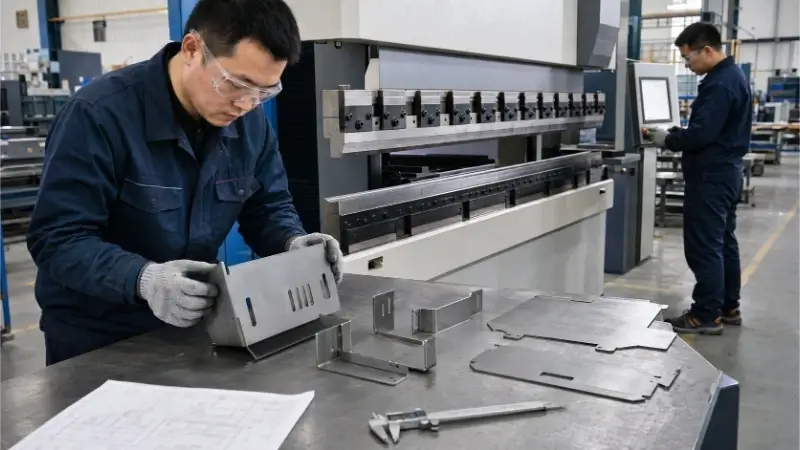
La differenza principale tra l’acciaio 4140 e quello 4130 risiede nel loro tenore di carbonio. Il 4140 contiene 0,40% di carbonio, garantendo una maggiore resistenza e una maggiore temprabilità. Il 4130 contiene 0,30% di carbonio, offrendo una saldabilità e una tenacità superiori. Entrambe sono leghe al cromo-molibdeno (chromoly), ma rispondono a esigenze produttive completamente diverse.
In linea generale, se il vostro progetto prevede componenti lavorati sottoposti a carichi elevati — come alberi di trasmissione, ingranaggi o perni idraulici — il 4140 è solitamente la scelta migliore. Se state progettando tubi saldati, telai da competizione o telai in lamiera lavorata, l’ottima saldabilità del 4130 lo rende lo standard del settore.
Ecco cosa è davvero necessario sapere prima di indicare una delle due classi in un ordine di acquisto.

Acciaio 4130 vs. 4140: cosa cambia realmente
Al di là delle specifiche tecniche, piccole variazioni nella composizione del carbonio determinano notevoli differenze a livello di produzione. Ecco un confronto dettagliato tra queste due leghe prima che entrino in produzione.
| Confronto | acciaio 4130 | Acciaio 4140 |
|---|---|---|
| Carbonio nominale | Informazioni su 0.30% | Informazioni su 0.40% |
| Potenziale di forza | Da moderato a elevato | Più alto |
| Temperabilità | Inferiore | Più alto |
| Saldabilità | In generale, migliore | Richiede un controllo più rigoroso |
| Formabilità | In generale, migliore | Più limitato a livelli di durezza più elevati |
| Moduli per azioni ordinarie | Spesso tubi e lamiere | Spesso barre, piastre e pezzi forgiati |
| Componenti tipici | Telai e tubi saldati | Alberi, ingranaggi e parti soggette a usura |
| Principale rischio legato alla produzione | Deformazione da saldatura e qualità della zona termicamente alterata (HAZ) | Fessurazioni, usura degli utensili e deformazioni dovute al trattamento termico |
| Resistenza alla corrosione | Richiede protezione | Richiede protezione |
Si tratta di differenze generali, non di caratteristiche garantite. Entrambe le qualità devono essere confrontate nelle stesse condizioni, nella stessa forma del prodotto e con le stesse dimensioni della sezione.
Nota sull'approvvigionamento: Quando ci si rifornisce a livello internazionale, richiedere sempre un rapporto di prova dei materiali (MTR) secondo la norma EN 10204 3.1 per verificare gli effettivi livelli di carbonio e manganese del lotto specifico. Gli equivalenti internazionali (come il 42CrMo4 per il 4140 o il 25CrMo4 per il 4130) possono presentare lievi variazioni chimiche ammesse che influiscono sui parametri di saldatura e sui protocolli di trattamento termico.
Perché le condizioni del materiale influiscono sulla resistenza e sulla durezza?
Giudicare un acciaio basandosi esclusivamente sul nome della sua qualità può compromettere le tolleranze di produzione. È fondamentale comprendere come le proprietà chimiche della materia prima e la storia termica influenzino le effettive prestazioni di lavorazione, come illustrato di seguito.
La chimica alla base della differenza
Sia il 4130 che il 4140 sono acciai bassolegati al cromo-molibdeno (cromoly). La differenza principale risiede nel tenore di carbonio. Il 4140 contiene circa 0,40% di carbonio e presenta in genere un tenore di manganese più elevato, mentre il 4130 ha un tenore di carbonio pari a circa 0,30%.
Le aggiunte di cromo e molibdeno in entrambe le qualità migliorano la temprabilità e determinano il comportamento dell’acciaio in seguito al trattamento termico. Nessuna delle due qualità contiene una quantità di cromo sufficiente a impedire la formazione di ruggine. Entrambe le qualità si ossidano rapidamente in officina se lasciate esposte all’umidità e richiedono trattamenti superficiali secondari (come l’ossidazione nera, la nichelatura o la fosfatazione) per garantire la resistenza alla corrosione.
Durezza e temprabilità
Nell’analizzare le specifiche dei materiali, la durezza e la temprabilità sono concetti distinti. La durezza indica quanto è duro il materiale nel suo stato attuale. La temprabilità determina fino a quale profondità tale durezza possa penetrare nella sezione trasversale durante il processo di tempra.
Grazie ai suoi livelli più elevati di carbonio e manganese, l’acciaio 4140 offre una migliore temprabilità nelle sezioni più spesse. Tuttavia, indicare “acciaio 4140” su un disegno non garantisce una durezza specifica: la durezza finale dipende interamente dal ciclo di trattamento termico applicato dopo la lavorazione di sgrossatura.
Nota del negozio: L'acciaio 4140 ricotto può essere molto più facile da lavorare rispetto all'acciaio 4130 temprato. Verificare sempre le condizioni di fornitura prima di confrontare i diversi tipi di acciaio.
Suggerimento per l'ingegneria: Per i componenti sottoposti a carichi elevati, non limitarsi a indicare semplicemente “4140” sul disegno. Specificare lo stato richiesto, ad esempio “4140 Q&T a 28-32 HRC” per il materiale pre-temprato, oppure indicare la durezza del nucleo e la profondità di tempra richieste dopo la lavorazione di finitura. Ciò consente di evitare gravi malintesi con la vostra officina meccanica.
Confronto a parità di condizioni
Per valutare con precisione i due tipi di acciaio, è necessario considerare condizioni di fornitura identiche. I dati riportati di seguito mostrano le proprietà meccaniche tipiche di una barra tonda trafilata a freddo da 1 pollice, sulla base degli intervalli di riferimento standard.
| Proprietà | 4130 ricotto | 4140 ricotto | 4130 Normalizzato | 4140 Normalizzato |
|---|---|---|---|---|
| Forza di rendimento | ~52.000 psi | ~60.000 psi | ~63.000 psi | circa 95.000 psi |
| Resistenza alla trazione | ~81.000 psi | circa 95.000 psi | ~97.000 psi | ~148.000 psi |
| Allungamento | ~28% | ~25% | ~25% | ~17% |
| Durezza | ~156 HB | ~197 HB | ~197 HB | ~302 HB |
Quando redigi una richiesta di preventivo o valuti le schede tecniche, verifica sempre il contesto in cui si inseriscono i dati. I valori relativi alla resistenza e alla durezza variano in base a:
- La fonte dei dati (standard di prova vs. materiale di marketing)
- Stato del materiale (ricotto, normalizzato, preindurito o tempra e rinvenimento)
- Forma del prodotto (tubo senza saldatura, barra trafilata a freddo o blocco forgiato)
- Dimensioni della sezione (una barra da 4 pollici presenterà proprietà del nucleo diverse rispetto a una barra da 1 pollice)
- Se i dati rappresentino medie storiche tipiche o minimi garantiti
Nota relativa ai fattori di costo: Comprendere questi dati è fondamentale per la preparazione dei preventivi. Ad esempio, passando dal 4140 ricotto (
197 HB) a 4140 normalizzato (Il 302 HB) quasi raddoppia il limite di snervamento, ma aumenta anche l’usura degli utensili durante la fresatura CNC e richiede configurazioni più rigide, con un conseguente aumento diretto del prezzo unitario.
Acciaio 4130 vs. 4140 per saldatura
I gruppi saldati si danneggiano se lo stress termico non viene gestito correttamente. Nessuna di queste qualità di cromo-molibdeno può essere saldata come l’acciaio dolce standard; innescare l’arco senza seguire un protocollo termico rigoroso porta inevitabilmente alla rottamazione dei pezzi.

Rischio legato alla zona termicamente alterata
Durante la saldatura dell’acciaio al cromo-molibdeno, il ciclo rapido di riscaldamento e raffreddamento altera la struttura cristallina immediatamente adiacente alla saldatura, ovvero la zona termicamente alterata (HAZ). La formazione di crepe in questa zona è in genere determinata da una combinazione di fattori quali la fragilità della HAZ, le velocità di raffreddamento elevate, l’idrogeno diffusibile intrappolato nella saldatura e le configurazioni dei giunti altamente vincolate che contrastano la contrazione termica.
L'indicatore più importante in questo contesto è il Equivalente di carbonio (CE). Il CE del 4140 è significativamente più elevato rispetto a quello del 4130, collocandolo decisamente nella zona ad ’alto rischio di fessurazione’. Non si tratta solo di teoria; significa che il saldatore non può tralasciare il preriscaldamento senza andare incontro a un fallimento. Sebbene il 4130 sia più tollerante, i tubi in 4130 a pareti spesse o i giunti in 4130 sottoposti a forti sollecitazioni richiedono esattamente la stessa cautela.
Preriscaldamento e metallo d'apporto
Il preriscaldamento rallenta la velocità di raffreddamento, impedendo che la zona termicamente alterata (HAZ) si indurisca assumendo una struttura fragile. Non esiste una temperatura di preriscaldamento universale (ad esempio, l’intervallo 550–800 °F è solo un riferimento per specifici pezzi con pareti spesse, non una regola generale). I parametri devono essere calcolati in base alle condizioni di fornitura del materiale, all’equivalente di carbonio, allo spessore della sezione trasversale, ai vincoli del giunto e alla temperatura ambiente dell’officina.
Per quanto riguarda i metalli d'apporto, cercare di eguagliare ciecamente la resistenza alla trazione del metallo di base è spesso un errore.
Consiglio per la saldatura: L'uso di un metallo d'apporto con proprietà inferiori a quelle del metallo di base (ovvero un metallo d'apporto a minore resistenza) può migliorare significativamente la duttilità della saldatura, fungendo da ammortizzatore per le tensioni residue. Al contrario, l'uso di un metallo d'apporto con proprietà superiori aumenta il rischio che la saldatura si crepi prima che il metallo di base raggiunga la limite di snervamento.
Un rigoroso rispetto delle procedure a basso contenuto di idrogeno (utilizzando elettrodi a basso contenuto di idrogeno appena cotti) è di gran lunga più determinante per la durata del giunto rispetto al valore di resistenza indicato sulla confezione del materiale di apporto. Se l’intero assemblaggio sarà sottoposto a tempra e rinvenimento dopo Nella saldatura, è necessario scegliere una composizione chimica del metallo d'apporto in grado di adattarsi a quel particolare trattamento termico.
Raffreddamento, trattamento termico post-saldatura (PWHT) e ispezione
Il modo in cui si gestisce il pezzo subito dopo lo spegnimento dell'arco è fondamentale tanto quanto la saldatura stessa. I disegni tecnici devono distinguere tra queste fasi termiche:
- Raffreddamento lento controllato: Avvolgere il pezzo in coperte ceramiche per rallentare il calo di temperatura.
- Essiccazione con idrogeno: Tenendo il pezzo a una temperatura elevata subito dopo saldatura per consentire all'idrogeno intrappolato di diffondersi all'esterno.
- Rilassamento: Riscaldamento del gruppo al di sotto della temperatura critica di trasformazione per allentare le tensioni di saldatura residue (operazione obbligatoria prima della lavorazione di precisione).
- Trattamento termico post-saldatura (PWHT): Un ciclo termico completo per ripristinare la struttura metallurgica dell'intero gruppo.
L'ispezione visiva non è sufficiente per le saldature in cromo-molibdeno. È obbligatorio eseguire il controllo con particelle magnetiche (MT) o il controllo con liquidi penetranti (PT). Per i getti saldati in 4140 a pareti spesse, specificare ispezione ritardata delle crepe (attendere dalle 24 alle 48 ore dopo il raffreddamento prima di eseguire i controlli non distruttivi) per individuare eventuali cricche da freddo indotte dall'idrogeno.
Come lavorare l'acciaio 4130 e 4140?
Le prestazioni di lavorazione dipendono interamente dallo stato microstrutturale. L’utilizzo di dati generici relativi all’avanzamento e alla velocità in presenza di condizioni del materiale diverse causerà un rapido deterioramento degli utensili e la scarto dei pezzi.
Le variazioni delle condizioni del materiale influiscono sulla lavorabilità
La realtà sul campo è che un materiale più morbido non è sempre più facile da lavorare.
Il 4130 ricotto può risultare eccessivamente morbido e “gommoso”. Spesso produce trucioli lunghi e filamentosi che si avvolgono intorno agli utensili, causano accumuli di materiale sui bordi (BUE) e lasciano una finitura superficiale irregolare. Il 4130 normalizzato rompe i trucioli in modo più prevedibile grazie alla sua struttura leggermente più dura.
L'acciaio 4140 normalizzato (in genere intorno ai 300 HB) offre un eccellente equilibrio tra capacità di rottura del truciolo e finitura superficiale, sebbene richieda configurazioni rigide e un’elevata coppia del mandrino. Il 4140 preindurito (28-32 HRC) è comunemente utilizzato per i pezzi destinati alla finitura diretta, al fine di evitare il trattamento termico post-lavorazione, ma accelera significativamente l’usura degli utensili. Non date per scontata l’affermazione generica secondo cui “l’acciaio 4140 normalizzato è sempre più facile da lavorare rispetto al 4130”: la lavorabilità è il risultato di una complessa interazione tra lo stato del materiale, la rigidità della macchina e le specifiche di taglio.
Usura degli utensili e controllo dimensionale
Nella lavorazione di questi tipi di acciaio, la progettazione del processo deve tenere conto di rischi specifici:
- L'acciaio 4140 preindurito aumenta notevolmente l'usura da abrasione. È necessario prevedere una sostituzione frequente degli inserti e mettere in conto i relativi costi utensili in carburo o ceramica rivestiti se la tempra supera i 45 HRC.
- I tagli interrotti (come scanalature o chiavette) su materiale temprato possono facilmente scheggiare le leghe di carburo più fragili; utilizzare leghe più resistenti o utensili con bordi preparati.
- La foratura profonda richiede un refrigerante ad alta pressione convogliato attraverso l'utensile per espellere i trucioli e impedire l'incrudimento nella parte inferiore del foro.
- Lo sfregamento dell'utensile (dovuto a basse velocità di avanzamento o a taglienti smussati) provoca un rapido indurimento per deformazione della superficie, danneggiando gli utensili di finitura utilizzati successivamente.
- La lavorazione di profili complessi su sezioni a pareti sottili genera tensioni residue, causando una deformazione del pezzo che lo porta fuori tolleranza sul piano della macchina.
Pianificare la sequenza operativa
Per garantire tolleranze strette, soprattutto sui pezzi asimmetrici, il percorso di lavorazione deve tenere conto delle variazioni termiche.
Seleziona lo stato delle scorte → Macchina grezza → Distensione o trattamento termico → Controllo della durezza e della deformazione → Finitura a macchina o rettifica
Suggerimento per l'ingegneria: Lascia sempre un margine di rifinitura—in genere da 0,015” a 0,030” (da 0,4 mm a 0,8 mm) a seconda della lunghezza del pezzo — su tutte le quote critiche prima del trattamento termico, per tenere conto della deformazione e della decarburazione.
Eseguire tutti i controlli relativi ad accoppiamenti di cuscinetti a tolleranza stretta, fori e parallelismo critico dopo il trattamento termico finale. Se la durezza finale richiesta supera i 45 HRC, prevedere la tornitura su materiale duro o la rettifica cilindrica.
In che modo il trattamento termico influisce sulle prestazioni finali del componente?
Il trattamento termico consente di superare i limiti tecnici dell'acciaio cromomolibdenico, ma è anche la causa più comune di rottura, deformazione o fessurazione dei componenti.
Tempra al cuore e superficiale
Il processo termico determina i limiti meccanici finali. Tra gli approcci più diffusi figurano:
- Normalizzazione: Affina la struttura della grana, garantendo una base uniforme e moderatamente resistente.
- Tempratura e rinvenimento (Q&T): Il processo standard per ottenere un’elevata resistenza nel nucleo. Il 4140 presenta una tempraabilità superiore e raggiunge una durezza Q&T più elevata in profondità nella sezione trasversale rispetto al 4130.
- Tempra a induzione: Ottimo per ingranaggi e alberi in acciaio 4140; indurisce solo la superficie esterna, lasciando un’anima tenace e duttile.
- Nitrurazione: Un trattamento superficiale a bassa temperatura che produce uno strato di usura sottile e molto duro, con una distorsione dimensionale pressoché nulla.
Sebbene il 4140 possa tecnicamente essere temperato fino a 50–55 HRC, in tale stato risulta fragile. Per la maggior parte delle applicazioni industriali, il 4140 viene quindi sottoposto a rinvenimento fino a raggiungere un valore compreso tra 30 e 45 HRC, al fine di bilanciare resistenza meccanica e tenacità agli urti.
Distorsione e decarburazione
Un riscaldamento o una tempra non uniformi causano un raffreddamento rapido delle sezioni sottili mentre quelle spesse rimangono calde, provocando una forte deformazione. Gli angoli interni acuti o i cambiamenti bruschi della sezione trasversale fungono da concentratori di sollecitazioni: durante la fase di tempra violenta, questi sono i punti principali in cui si formano le cricche da tempra. Inoltre, il riscaldamento in un’atmosfera non protettiva provoca la decarburazione (perdita di carbonio dalla superficie), lasciando uno strato superficiale tenero che non si indurisce.
Per mitigare tali rischi:
- Progettare i componenti con raggi ampi ed eliminare gli angoli interni acuti.
- Mantenere gli spessori trasversali il più uniformi possibile.
- Lasciare un margine di rettifica per rimuovere eventuali strati di decarburazione.
Nota del negozio – Proteggi i tuoi filetti: Se si esegue la nitrurazione o l'indurimento a induzione, specificare esattamente quali fori filettati devono essere mascherati. Una filettatura interna completamente indurita è fragile e si romperà sotto l'azione della coppia durante il montaggio.
Durezza e collaudo finale
Indicazioni vaghe nei disegni comportano il rifiuto dei pezzi. La vostra richiesta di preventivo e i disegni tecnici devono definire in modo esplicito i parametri del trattamento termico.
Non limitarti a scrivere “Harden”. Devi specificare:
- L'intervallo esatto di durezza desiderato (ad es., 32-36 HRC).
- Esatto dove è necessario verificare la durezza (superficiale rispetto a quella interna).
- La profondità effettiva richiesta nel caso in cui si ricorra all'indurimento per induzione o alla nitrurazione.
- Limiti ammissibili per la decarburazione.
- Requisiti relativi ai controlli non distruttivi (NDT) successivi al trattamento termico (ad esempio, prove MT per individuare eventuali cricche da tempra).
Nota sulla corrosione: I tipi 4130 e 4140 non sono acciai resistenti alla corrosione. L’indurimento superficiale offre una protezione minima contro la ruggine. A seconda dell’ambiente di impiego, è necessario specificare finiture secondarie quali l’ossidazione nera, la nichelatura, fosfatazione, O verniciatura a polvere.
4130 vs. 4140: quale dei due costa meno in totale?
Limitarvi a considerare solo i prezzi delle materie prime per libbra comprometterà il budget del vostro progetto. È necessario valutare il costo totale di produzione, dai quantitativi minimi di approvvigionamento alle percentuali di scarti derivanti dal trattamento termico.
Moduli di magazzino e tempi di consegna
La disponibilità dei materiali determina i costi iniziali e i tempi di consegna. A seconda della vostra catena di approvvigionamento:
- 4130 è generalmente molto più facile da reperire sotto forma di tubi senza saldatura e lamiere sottili.
- 4140 è ampiamente disponibile in barre tonde, lamiere pesanti e barre pre-temprate.
- Le scorte di lamiere e pezzi forgiati per entrambe le qualità variano notevolmente a seconda della regione geografica.
- La richiesta di dimensioni non standard o di stati di trattamento termico altamente specifici comporterà l’applicazione di quantità minime d’ordine (MOQ) e allungherà notevolmente i tempi di approvvigionamento.
- Gli equivalenti internazionali (come l’indicazione 42CrMo4 in Europa per un componente in 4140) sono simili, ma non costituiscono sostituti esatti e immediatamente utilizzabili. Dare per scontato che siano identici senza verificare i certificati dei materiali può causare problemi nel trattamento termico.
Non date per scontato che una barra 4140 sia sempre più economica di un tubo 4130. Le scorte e i prezzi di base variano costantemente in base alla regione, alla sezione trasversale, al volume di produzione e alle condizioni di fornitura.
Costi di lavorazione e di qualità
La fattura relativa alle materie prime rappresenta solo una piccola parte del prezzo finale del prodotto. I responsabili degli acquisti devono valutare la reale struttura dei costi:
Costo totale = Materiale + Lavorazione meccanica + Saldatura + Trattamento termico + Ispezione + Rilavorazione + Logistica
Nota relativa ai fattori di costo: Il vero fattore che incide negativamente sui margini non è il prezzo per libbra dell’acciaio, bensì il tasso di scarto causati da deformazioni dovute al trattamento termico o da microfessurazioni non rilevate. Una materia prima più economica che comporta una percentuale di scarti pari a 15% durante la produzione risulta di gran lunga più costosa rispetto al materiale di prima scelta.
Ecco un confronto tra i costi effettivi in officina:
| Fattore di costo | 4130 | 4140 |
|---|---|---|
| Disponibilità dei materiali | Spesso è meglio per il tubing | Spesso è più indicato per il materiale in barre |
| Lavorazione CNC | Di solito gestibile con una durezza moderata | Costo degli utensili più elevato in caso di pre-tempratura |
| Saldatura | In generale, più facile da controllare | È obbligatorio un rigoroso controllo della temperatura |
| Trattamento termico | Durezza massima inferiore | Intervallo di durezza più ampio |
| Ispezione | Dipende dall'applicazione | Spesso molto critici dopo la tempra o la saldatura |
| Rischio di rilavorazione | Deformazione da saldatura | Crepe, deformazioni e usura degli utensili |
Prezzo di acquisto rispetto alla durata utile
Per valutare i costi è necessario considerare l'intero ciclo di vita del componente.
Nel caso di un telaio saldato per attrezzature, il 4130 risulta più conveniente in termini di costi poiché riduce drasticamente le ore di manodopera dedicate al preriscaldamento, al trattamento termico post-saldatura e ai controlli non distruttivi per individuare eventuali crepe, rispetto all’utilizzo del 4140 in un assemblaggio saldato.
Al contrario, per un albero di trasmissione sottoposto a carichi elevati, il 4140 rappresenta la scelta più economica. La sua maggiore temprabilità previene l’usura prematura e il cedimento da fatica ciclica in servizio, consentendo un risparmio di migliaia di dollari in termini di tempi di fermo e costi di sostituzione.
La domanda giusta che un team addetto agli acquisti dovrebbe porsi non è mai: “Quale qualità è più economica?”. La domanda giusta è:
Quale grado garantisce la durata di servizio richiesta con il minor rischio complessivo di produzione?
Come scegliere tra l'acciaio 4130 e l'acciaio 4140?
La scelta definitiva del materiale dipende dalla geometria del pezzo e dalle forze a cui deve resistere. Ecco dove va impiegata ciascuna lega in linea di produzione.
Suggerimento per l'ingegneria: L'errore più comune che commettono gli ingegneri è sovradimensionamento. Specificare il 4140 per un telaio sottoposto a sollecitazioni modeste comporta semplicemente inutili problemi di saldatura e costi di lavorazione più elevati, senza apportare alcun valore aggiunto dal punto di vista funzionale.
Tubi e telai saldati
Il 4130 offre prestazioni eccezionali nelle applicazioni strutturali e tubolari. Di solito è la scelta preferita per:
- Telai saldati per macchine
- Tubi strutturali
- Supporti per attrezzature
- Telaio da competizione
- Roll-bar
- Strutture tubolari per aeromobili
- Assemblaggi saldati leggeri
Perché è la scelta giusta: La catena di fornitura globale è incentrata sul tubo 4130. Questo materiale offre un profilo di rischio di saldatura facilmente gestibile, garantendo al contempo un eccellente equilibrio tra limite di snervamento e facilità di lavorazione, in particolare per gli assemblaggi che richiedono la piegatura dei tubi e nodi di saldatura complessi.
Componenti sottoposti a carichi elevati e soggetti a forte usura
Il 4140 eccelle nelle applicazioni soggette a sollecitazioni elevate e lavorazioni pesanti. Viene solitamente prescritto per:
- Alberi di trasmissione
- Mandrini per macchine
- Perni idraulici
- Ingranaggi
- Pignoni
- Attrezzature CNC
- Elementi di fissaggio ad alta resistenza
- Componenti di montaggio per impieghi gravosi
Perché è la scelta giusta: Il 4140 offre un potenziale di resistenza complessiva molto più elevato e una tempra superiore nelle sezioni spesse. Risponde in modo eccezionale alla tempra superficiale mirata (come quella a induzione o la nitrurazione), rendendolo la scelta ottimale per contrastare l’abrasione grave, l’usura da contatto e i carichi ciclici.
Casi in cui nessuna delle due valutazioni è adeguata
A volte, nessuna delle due qualità di cromoly è l'utensile adatto al lavoro da svolgere. Se il tuo progetto soddisfa i requisiti riportati di seguito, prendi in considerazione queste alternative standard:
| Requisito | Alternativa da prendere in considerazione |
|---|---|
| Struttura saldata di base | 1018 o un altro acciaio a basso tenore di carbonio |
| Maggiore tenacità nelle sezioni spesse | 4340 |
| Cama con cementazione profonda | 8620 |
| Forte resistenza alla corrosione | Acciaio inox |
| Piastra resistente all'abrasione | Acciaio di grado AR |
| Potenza moderata a un costo inferiore | Acciaio a medio tenore di carbonio |
Conclusione
Per scegliere tra il 4130 e il 4140 non basta confrontare la resistenza alla trazione. È necessario adeguare le caratteristiche metallurgiche del materiale al proprio specifico processo di produzione.
Il nostro obiettivo è ridurre i rischi legati alla vostra produzione. Invia a Shengen i tuoi disegni CAD, i carichi previsti, le condizioni dei materiali, i requisiti relativi al trattamento termico e il volume annuale. Il nostro team di ingegneri valuterà la scelta dei materiali, il processo di lavorazione, i rischi legati alla saldatura e i requisiti di ispezione prima dell'avvio della produzione.
Ciao, sono Kevin Lee

Negli ultimi 10 anni mi sono immerso in varie forme di lavorazione della lamiera, condividendo qui le mie esperienze in diverse officine.
Contattate
Kevin Lee
Ho oltre dieci anni di esperienza professionale nella fabbricazione di lamiere, con specializzazione nel taglio laser, nella piegatura, nella saldatura e nelle tecniche di trattamento delle superfici. In qualità di direttore tecnico di Shengen, mi impegno a risolvere sfide produttive complesse e a promuovere innovazione e qualità in ogni progetto.
Risorsa correlata
Materiali per la prototipazione: come scegliere il materiale giusto
Giunzioni a pressione nella lavorazione della lamiera: progettazione, costi e qualità
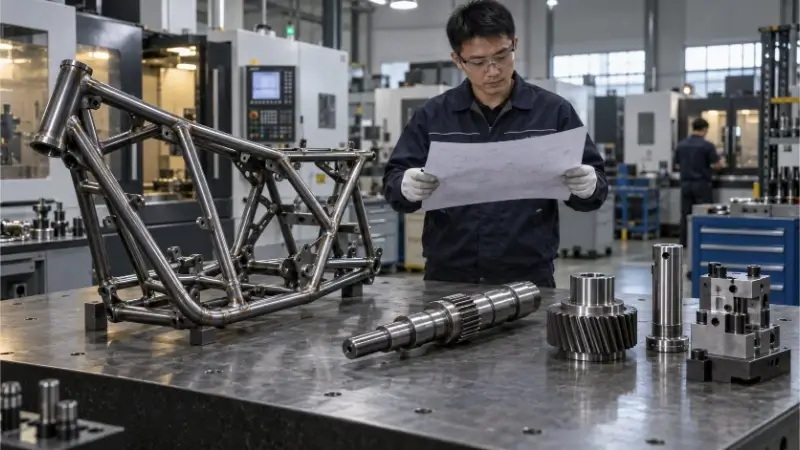
Acciaio 4140 vs. 4130: lavorazione, saldatura e scelta