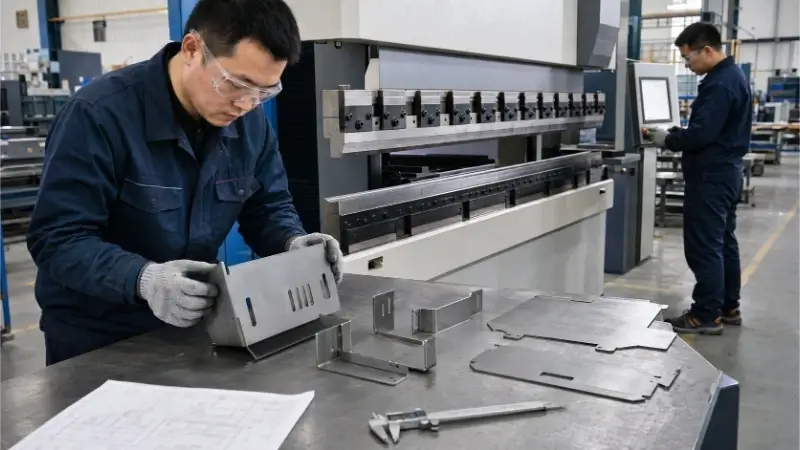
El plazo de entrega afecta a todas las fases de un trabajo de chapa metálica. Influye en la planificación, los plazos de prueba y la rapidez con que un producto llega al mercado. Cuando los equipos comprenden lo que ralentiza una pieza y lo que la acelera, obtienen un mayor control tanto de los costes como de la entrega.
La fabricación de chapas metálicas implica una serie de pasos interrelacionados, como la revisión del diseño, la programación, la confirmación del material, el corte, el plegado, la soldadura, el acabado, la inspección y el envío. Un retraso en el primer paso suele desencadenar una reacción en cadena en todos los pasos siguientes. Por eso empezamos por el diseño. Tiene la influencia más decisiva en la rapidez -y la fluidez- con que un trabajo avanza por el taller.
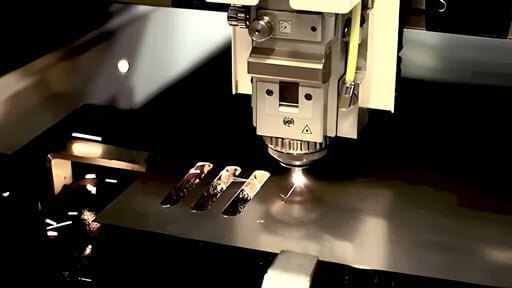
Por qué el diseño es lo que más influye en el plazo de entrega?
El diseño determina el número de operaciones, la complejidad de cada paso y el nivel de riesgo asociado a la fabricación. Los dibujos precisos permiten al equipo de ingeniería empezar a programar inmediatamente. Las revisiones estables evitan las repeticiones.
Claridad e integridad de los modelos y planos CAD
Los dibujos precisos reducen las dudas y eliminan los correos electrónicos de ida y vuelta. Un archivo "listo para producción" incluye el grosor, el material, el acabado, las tolerancias, la dirección de la veta y cualquier nota funcional crítica. Cuando faltan estos detalles, los ingenieros deben interrumpir su trabajo y solicitar confirmación.
La mayoría de los talleres afirman que los planos incompletos añaden entre 1 y 3 días a las fases iniciales, como la elaboración de presupuestos y el anidado. Un solo pliegue o agujero que falte puede retrasar todo el trabajo.
Lagunas habituales en los planos que ralentizan la producción
| Faltan detalles | Efecto típico en el plazo de entrega |
|---|---|
| Tamaños de los orificios / tolerancias | Retrasos en la reprogramación, ajustes inciertos |
| Dirección / radios de curvatura | Pausa para aclaraciones, riesgo de configuración incorrecta |
| Tipo de acabado / color | No se puede reservar la cola de acabado |
| Especificación del material | Adquisición desconocida, no se pueden confirmar las existencias |
Miniejemplo
Un cliente presentó un dibujo de un soporte sin nota de acabado. El taller esperó dos días a recibir la confirmación. El recubrimiento de polvo requirió dos días más: 4 días, debido a la falta de una nota.
Complejidad del diseño y dificultad de fabricación
La geometría compleja ralentiza casi todos los procesos. Las piezas con muchas curvas requieren más configuraciones, utillajes y velocidades de conformado más lentas para evitar grietas; los radios estrechos requieren reducir el tonelaje y ajustar los ángulos en consecuencia. Las bridas profundas o las estructuras en caja requieren plegado escalonado o soportes especiales.
Cada pliegue añadido aumenta el tiempo de ciclo entre 5 y 20 minutos, en función del grosor y la longitud. Esto puede parecer insignificante, pero en un lote de 40 piezas supone varias horas extra de trabajo.
Por qué la complejidad aumenta el plazo de entrega?
- Más curvas = más configuraciones de freno
- Formas inusuales = ajustes adicionales de la fijación
- Radios estrechos = conformado más lento y mayor riesgo de springback
- Cajas profundas = más manipulación manual
Estos factores también aumentan el tiempo de inspección, ya que cada paso introduce otro punto en el que pueden producirse variaciones.
Características estándar y no estándar
Los tamaños de orificio estándar, los tipos de rosca y el hardware PEM son compatibles con el utillaje existente en el taller. Permiten que los programas se ejecuten inmediatamente. Las características no estándar suelen requerir punzones especiales, pedidos de herramientas personalizadas o procesos de mecanizado más lentos.
La elección de un diámetro de orificio poco común puede añadir entre 12 y 48 horas, especialmente si hay que buscar utillaje. Las fijaciones PEM poco comunes pueden tardar días en llegar. Estos pequeños retrasos suelen retrasar el proyecto hasta la siguiente franja horaria disponible en el programa de maquinaria.
Tip Box - Decisiones de diseño más rápidas
- Elija diámetros de orificio estándar (M3, M4, M5, 4,2 mm, 6,5 mm, etc.)
- Utilizar los tipos de herrajes habituales en la mayoría de los comercios
- Evite las tolerancias muy estrictas a menos que la función lo requiera.
Control de revisiones y precisión de versiones
Las revisiones son una de las causas ocultas más comunes de los retrasos en la programación. Si la programación comienza con un modelo obsoleto, todo el flujo de trabajo se detiene en cuanto se descubre el desajuste. Los ingenieros deben volver a verificar los cambios, regenerar las sendas y, a veces, desechar el trabajo inicial.
Incluso una revisión menor -como desplazar un orificio 1 mm- puede añadir 1-2 días si se descubre tarde. En los ensamblajes de varias piezas, una sola revisión incorrecta afecta a todos los componentes relacionados.
Miniejemplo
Un simple armario tenía cuatro versiones circulando dentro del equipo del cliente. El taller programó la versión C, pero la producción debía seguir la versión D. Detectar el desajuste exigió una nueva comprobación completa. Impacto en el plazo de entrega: 2,5 días.
Los dibujos estables y bloqueados son el camino más rápido hacia una producción predecible.
Factores de material y proceso que influyen en el plazo de entrega de las chapas metálicas
La selección de materiales y la planificación de procesos determinan la rapidez con la que una pieza entra en producción. Entender cómo se comporta cada factor en las condiciones reales de una fábrica ayuda a los equipos a tomar decisiones informadas que hacen que los proyectos sigan avanzando.
Disponibilidad de material y niveles de existencias
El plazo de entrega suele depender de si el material necesario ya está en stock. Los calibres estándar de acero, acero inoxidable y aluminio entran rápidamente en producción. Las aleaciones no estándar o los grosores poco comunes pueden causar retrasos inmediatos.
Cuando hay que encargar materiales, el aprovisionamiento suele añadir entre 2 y 7 días, en función de los plazos del proveedor y el transporte. El acero inoxidable importado, el aluminio preanodizado y las planchas de gran formato suelen tardar más.
Materiales habituales que causan retrasos
| Tipo de material | Motivo común de retraso |
|---|---|
| Acero inoxidable 316 de grueso calibre | Baja rotación de existencias |
| Témperas especiales de aluminio | Ciclos de lotes de proveedores |
| Galvanneal espesores raros | Disponibilidad nacional limitada |
| Chapas preacabadas | Calendarios de lotes de color y revestimiento |
Miniejemplo
Un cliente necesitaba aluminio 5052-H32 de 5,0 mm de grosor. Los proveedores locales no lo tenían en stock. El pedido tardó 4 días en llegar, lo que retrasó toda la cadena de producción. Utilizar un stock estándar de 4,0 mm habría eliminado ese retraso.
Propiedades de los materiales y su efecto en el procesado
Las distintas aleaciones presentan comportamientos diferentes durante el corte, flexióny soldadura. Los materiales más duros ralentizan el corte. El acero inoxidable resiste el conformado. El aluminio se deforma más rápidamente bajo el calor. Estos comportamientos afectan al tiempo de máquina y a la atención del operario.
Entre los impactos más comunes se incluyen
- El acero inoxidable grueso aumenta el tiempo de ciclo del láser en 20-40%
- El acero de alta resistencia requiere radios mayores para evitar fisuras
- El aluminio blando puede necesitar fijación adicional para evitar la flexión
Estos ajustes aumentan el tiempo de preparación y reducen el rendimiento, especialmente durante los periodos de máxima producción.
Consejo de ingeniería
Confirme con antelación los radios de curvatura mínimos y los límites de conformado. Así se evitan rediseños y pasos de conformado lentos y de alto riesgo.
Sustitutos y materiales alternativos
A veces, un cambio de material puede acortar el plazo de entrega sin afectar al rendimiento del producto. Pasar de una calidad de acero inoxidable poco común a otra disponible puede ahorrar días de espera. Utilizar un calibre en stock en lugar de un grosor no estándar también reduce el tiempo de aprovisionamiento.
Sin embargo, las sustituciones también deben tener en cuenta los requisitos funcionales, como el comportamiento térmico, la resistencia a la corrosión y la resistencia mecánica. En proyectos médicos, aeroespaciales o de sellado de armarios, el material original puede ser obligatorio.
Cuándo funciona mejor la sustitución de materiales?
- Ejecuciones de prototipos
- Paneles cosméticos no críticos
- Soportes pequeños
- Entornos poco calurosos
Una comunicación clara con el fabricante ayuda a determinar las sustituciones seguras.
Requisitos de corte, plegado y soldadura
Cada etapa de fabricación tiene su propio ritmo, capacidad y cuellos de botella. El corte suele ser rápido. El plegado suele convertirse en la primera cola central. La soldadura es el paso más afectado por la habilidad del operario y la complejidad de las fijaciones.
Características típicas del ciclo
- El corte se vuelve más lento con una placa gruesa o nidos densos
- El plegado se ralentiza cuando las piezas requieren múltiples ángulos o plegado escalonado
- La soldadura se convierte en el cuello de botella cuando los ensamblajes requieren gran precisión
- El rectificado y la limpieza añaden tiempo de manipulación adicional por pieza
Una pieza que requiera corte, 10 dobleces, soldadura completa e instalación de herrajes llevará naturalmente más tiempo que un simple soporte: cuantos más pasos, más traspasos internos y más tiempo muerto entre operaciones.
Complejidad del proceso y número de operaciones
Cada operación añade tiempo de preparación, verificación e inspección. Las piezas sencillas pueden necesitar un pliegue. Los recintos complejos pueden necesitar entre 10 y 15 dobleces, varias soldaduras y ensamblaje.
El tiempo oculto se acumula en:
- Cambios de herramientas
- Verificación del ángulo
- Posicionamiento de la fijación
- Ciclos de enfriamiento tras la soldadura
- Comprobaciones secundarias de distorsión
Un diseño que utilice cinco procesos en lugar de dos puede alargar el plazo varios días, especialmente durante las horas punta de cola.
Miniejemplo
Un recinto con 14 curvas requería tres configuraciones de freno diferentes. Durante una semana de gran volumen, el trabajo esperó 18 horas entre estaciones debido al equilibrio de carga.
Este tiempo de inactividad -no el tiempo de máquina- es el factor oculto que más contribuye al plazo de entrega.
Capacidad interna y carga de la máquina
Incluso un diseño sencillo avanza lentamente si las máquinas están completas. Las cortadoras láser, las plegadoras, las cabinas de soldadura y las líneas de acabado tienen cada una sus propias colas. Las estaciones más concurridas se convierten en los cuellos de botella.
Patrones comunes en fábricas reales:
- Las colas de plegado aumentan cuando muchos trabajos requieren plegados multiángulo
- La soldadura se ralentiza cuando los ensamblajes necesitan plantillas o tolerancias estrechas
- El recubrimiento en polvo crea cuellos de botella estacionales
- Las líneas de acabado de bloques de piezas grandes son más largas, lo que retrasa los lotes más pequeños
Por eso son importantes la aprobación temprana y la comunicación rápida: las aprobaciones tardías suelen retrasar un trabajo hasta la siguiente ventana de producción.
Requisitos de precisión, tolerancia e inspección
Las tolerancias estrechas prolongan el tiempo de fabricación. Requieren un corte más lento, un plegado controlado, más pasos de inspección y, a veces, repeticiones.
Una pieza con tolerancias estándar puede pasar las comprobaciones en cuestión de minutos. Una pieza que requiera una planitud de ±0,1 mm o esquemas de puntos de referencia controlados puede requerir entre 2 y 4 veces más tiempo de inspección.
Si las tolerancias superan la precisión de plegado estándar, los procesos adicionales -como el mecanizado posterior o el conformado con control térmico- amplían aún más el plazo de entrega.
Consejo de ingeniería
Utilice tolerancias estrictas sólo en las características funcionales. Relaje el resto. De este modo se evitan cuellos de botella durante la inspección y se reduce la necesidad de ciclos de reprocesado.
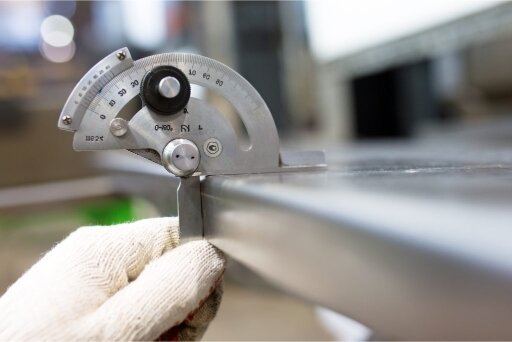
Factores de acabado, cadena de suministro y comunicación
Después de cortar, doblar y soldar, muchas piezas de chapa metálica aún requieren revestimiento, montaje, inspección y embalaje. Estos pasos introducen nuevas colas, nuevos riesgos y nuevas fuentes de tiempo oculto.
Acabados superficiales y operaciones secundarias
Acabado es una de las fuentes más comunes de retrasos. El recubrimiento en polvo, el anodizado, el chapado, el granallado y el cepillado siguen sus propios ciclos de lotes, tiempos de horno, procesos químicos y requisitos de inspección.
Tiempo añadido típico:
- Pintura en polvo: 1-3 días
- Anodizado: 2-5 días
- Revestimiento: 3-7 días
- Cepillado / pulido: depende del grado cosmético
Los acabados con enmascaramiento, pasos multicolor o requisitos de calidad cosmética requieren más tiempo. Los ensamblajes grandes también requieren dispositivos de gran tamaño, que prolongan el tiempo de espera.
Por qué el acabado se convierte a menudo en el cuello de botella?
| Causa | Impacto |
|---|---|
| Tratamiento por lotes | Trabajos en espera de colores o materiales a juego |
| Disponibilidad del horno | Los ciclos de calor retrasan el siguiente lote |
| Estrictos controles cosméticos | Más repeticiones e inspecciones más largas |
| Acabado subcontratado | Añade transporte + tiempo de espera |
Estos retrasos suelen producirse al final de la producción, por lo que son los más críticos de gestionar.
Acabado externo frente a acabado interno
La subcontratación de los procesos de acabado conlleva entregas adicionales. Las piezas deben trasladarse, ponerse en cola, procesarse y volver a inspeccionarse cuando se devuelven. Sólo el transporte puede añadir entre 0,5 y 1 día por viaje de ida y vuelta.
El acabado interno elimina estos retrasos, pero sigue dependiendo de la capacidad de la cabina, el tamaño del horno y la carga de trabajo del operario. Durante las semanas de máxima producción, incluso los sistemas internos pueden formar cuellos de botella.
Miniejemplo
Un conjunto de armarios de telecomunicaciones necesitaba un revestimiento de textura en polvo. El proveedor de acabado trabajaba con un ciclo de lotes de dos días. Las piezas no cumplieron el ciclo por sólo tres horas. Resultado: 48 horas de retraso a pesar de que la fabricación se había terminado antes.
Una ventana de lote perdida puede desplazar todo el proyecto.
Pasos de instalación y montaje del hardware
Asamblea a menudo lleva más tiempo que cortar o doblar. La instalación de fijaciones PEM, remaches, bisagras, pestillos, juntas o marcos internos requiere alineación manual y utillaje específico.
El impacto temporal aumenta con:.
- Número de piezas de ferretería
- Fuerza de torsión/presión requerida
- Dificultades de acceso
- Controles de alineación
Una pieza con 20 puntos de hardware puede pasar más tiempo en el montaje que en la fabricación.
Ejemplo de fábrica real
Un chasis necesitó 32 tuercas PEM, 8 espárragos y 6 bisagras. La instalación requirió 21 minutos por unidad. Cortar y doblar sólo llevó 9 minutos. El plazo de entrega se controló con el hardware, no con la fabricación.
Retrasos en la cadena de suministro y las adquisiciones
El plazo de entrega no sólo depende del metal. Los herrajes, las juntas, el aislamiento, los ventiladores, los conectores y los componentes especiales pueden retrasar el montaje.
Fuentes comunes de retardo:
- Bisagras o cierres especiales que requieren de 3 a 10 días
- Las juntas personalizadas necesitan utillaje antes de la producción
- Almohadillas aislantes con cantidades mínimas de pedido
- Elementos de fijación importados retenidos para controles aduaneros
- Espuma de embalaje que necesita corte a medida
Incluso cuando las piezas metálicas se acaban antes, los componentes que faltan bloquean la fase final de montaje.
Consejo de ingeniería
Confirme la disponibilidad del hardware durante la fase de petición de oferta. Así se evitan sorpresas de última hora que retrasen las fechas de entrega.
Gestión de proyectos y programación interna
El flujo de trabajo interno de una fábrica tiene un impacto significativo en el plazo de entrega. Las rutas explícitas, las órdenes de trabajo estables y la programación ERP reducen los tiempos muertos entre etapas. Una mala coordinación interna crea cuellos de botella, especialmente en plegado, soldadura y acabado.
Causas comunes de los tiempos muertos ocultos:
- La pieza espera en la cola a la siguiente máquina
- A la orden de trabajo le falta un requisito de acabado
- Aclaración de ingeniería pendiente
- Piezas a la espera del visto bueno de QA
- El montaje espera la llegada del hardware
Estas pequeñas pausas suman. Las empresas que gestionan bien las rutas suelen ahorrar entre 1 y 2 días en el plazo total de entrega.
Respuesta del cliente durante las revisiones
Los retrasos del cliente suelen alargar los plazos del proyecto más que la propia fabricación. Los talleres suelen detener la producción a la espera de la aprobación de:.
- Dibujos revisados
- Sustitución de material
- Color o textura del acabado
- Muestras de preproducción
- Fotos de montaje
- Planes de envasado
Un ciclo de respuesta lento puede añadir de 1 a 3 días por cada ronda de aclaraciones. Las aprobaciones rápidas mantienen el trabajo dentro del plazo de producción previsto.
Calidad de la comunicación y actualizaciones de estado en tiempo real
La falta de comunicación es un asesino silencioso del plazo de entrega. Cuando las expectativas no están claras, las tareas se detienen mientras los equipos solicitan nuevas instrucciones o verifican detalles. Las diferencias horarias pueden hacer que una sola pregunta se alargue hasta el día siguiente.
Una comunicación clara evita esta reacción en cadena. Los buenos flujos de trabajo incluyen:
- Confirmación temprana de características críticas
- Desglose claro de las tolerancias
- Notificación previa de cambios
- Puntos de control del progreso en fases clave
- Aviso inmediato cuando aparecen problemas
Cuando ambas partes comparten las actualizaciones, los problemas menores se quedan pequeños en lugar de convertirse en retrasos.
Riesgos, retrasos inesperados y formas prácticas de reducir el plazo de entrega
Aunque los planos sean precisos y los materiales estén disponibles, los imprevistos pueden perturbar un proyecto. Conocer estos riesgos proporciona a los equipos la visibilidad necesaria para planificar en consecuencia.
Cambios de diseño y ajustes a mitad de proyecto
Los cambios tardíos de diseño son uno de los riesgos más importantes para el plazo de entrega. Un nuevo recorte, una brida desplazada o un grosor actualizado requieren una nueva programación y nuevas configuraciones de los frenos. Si el corte o el plegado ya han comenzado, es posible que haya que retocar todo el lote.
Incluso un pequeño cambio descubierto tarde puede añadir de 1 a 3 días. En los ensamblajes de varias piezas, la revisión de una de ellas suele obligar a actualizar toda la estructura.
Miniejemplo
Un cliente actualizó sólo una ubicación de orificios en un panel. Pero ese panel también actuaba como pieza de referencia. Había que corregir todos los componentes correspondientes. Retraso total: 3,5 días.
La validación temprana y los dibujos bloqueados evitan esta reacción en cadena.
Capacidad de los equipos, tiempo de inactividad de las máquinas y cuellos de botella
La carga de las máquinas puede variar a diario. Los cortadores láser trabajan rápido, pero las prensas plegadoras suelen formar la primera cola. La soldadura se convierte en un cuello de botella cuando los ensamblajes requieren plantillas o dispositivos de precisión. El tiempo de inactividad de las máquinas, ya sea por mantenimiento o por desgaste de las herramientas, también afecta a la programación.
Este efecto dominó puede ser mayor durante las semanas de gran volumen. Un operario de frenos ocupado en un trabajo de tres horas genera retrasos en todas las piezas que esperan detrás de él.
Consejo de ingeniería
Apruebe los dibujos a primera hora del día. Las aprobaciones enviadas con retraso suelen empujar un trabajo al siguiente ciclo de cola.
Congestión en la línea de acabado y retrasos en el procesamiento externo
El acabado suele ser el último cuello de botella. El recubrimiento en polvo, el anodizado y el chapado dependen de los plazos de entrega de los lotes. Perder un lote por unas pocas horas puede suponer un retraso en la entrega de 1 a 2 días.
Las piezas con requisitos estéticos estrictos tardan más en enmascararse, retocarse e inspeccionarse. El acabado subcontratado añade tiempo de logística y posibles solapamientos en la cola.
Ejemplo de fábrica real
Un lote de cerramientos terminó de fabricarse a las 16:10 horas. La hora límite de recogida del proveedor de acabados era a las 16:00. Resultado: un retraso de 24 horas por un error de diez minutos.
El tiempo de producción por lotes es tan importante como la velocidad de fabricación.
Limitaciones logísticas, de embalaje y envío
El plazo de entrega continúa incluso después de la fabricación. El embalaje debe coincidir con el acabado de la superficie, el tamaño de la pieza y el método de envío. Los insertos de espuma, las cajas de madera o los cartones personalizados pueden requerir un tiempo de preparación adicional si no están disponibles.
El transporte marítimo introduce sus propias incertidumbres:
- Retrasos meteorológicos
- Restricciones viarias
- Controles aduaneros
- Congestión portuaria
- Calendario de fiestas locales
Los envíos internacionales suelen requerir entre 1 y 5 días de trámites aduaneros, dependiendo del destino. Planificar, embalar y enviar con tiempo evita sorpresas de última hora.
Cómo reducir el plazo de entrega sin sacrificar la calidad?
Los equipos pueden acortar considerablemente el plazo de entrega alineando el diseño, los materiales y la comunicación desde el principio.
Utilice DFM al principio de la fase de diseño
La geometría simple, los radios de curvatura más grandes y los diseños más limpios reducen el riesgo de pasos de conformado. Evite los elementos cerca de los bordes y las tolerancias estrechas innecesarias. Estos ajustes eliminan el trabajo de repaso y permiten una programación más rápida.
Estandarizar materiales y hardware
Elija aleaciones en stock, calibres comunes y elementos de fijación PEM estándar. Así se evitan retrasos en el aprovisionamiento y se cumple el calendario del proyecto. Los artículos estándar también agilizan la repetición de pedidos.
Elija un proveedor con corte, plegado, soldadura y acabado integrados
El corte, el plegado, la soldadura, el acabado y el montaje son más rápidos cuando se gestionan bajo un mismo techo. Así se evitan tiempos de transporte y conflictos entre lotes. Los talleres integrados suelen ahorrar entre 2 y 5 días en trabajos complejos.
Plan de procesos paralelos
Confirme el hardware, prepare el utillaje y planifique el embalaje mientras revisa los planos. El solapamiento de tareas elimina los tiempos muertos entre etapas y mantiene el flujo de producción.
Mantener circuitos de comunicación rápidos y claros
Las aprobaciones rápidas evitan que los trabajos se retrasen y pasen al siguiente ciclo de cola. La confirmación temprana de planos, acabados y sustituciones mantiene la previsibilidad de los plazos.
Conclusión
El plazo de entrega no depende de un único factor, sino de varios. La claridad del diseño, la selección de materiales, la complejidad del proceso, las colas de acabado y la velocidad de comunicación influyen en la velocidad a la que un trabajo avanza en el taller. Cuando los equipos abordan estas áreas en una fase temprana, la producción se vuelve más predecible y los retrasos son menos frecuentes.
Supongamos que desea plazos de entrega más cortos y predecibles. En ese caso, nuestro equipo de ingeniería puede ayudarle a revisar sus planos, sugerirle ajustes de fabricación, confirmar los materiales disponibles y planificar su proyecto en función de las limitaciones reales de la fábrica. Puede compartir sus archivos CAD o dibujos en cualquier momento, y le daremos una respuesta práctica, normalmente en 24 horas.
Hola, soy Kevin Lee

Durante los últimos 10 años, he estado inmerso en diversas formas de fabricación de chapa metálica, compartiendo aquí ideas interesantes de mis experiencias en diversos talleres.
Póngase en contacto
Kevin Lee
Tengo más de diez años de experiencia profesional en la fabricación de chapas metálicas, especializada en corte por láser, plegado, soldadura y técnicas de tratamiento de superficies. Como Director Técnico de Shengen, me comprometo a resolver complejos retos de fabricación y a impulsar la innovación y la calidad en cada proyecto.
Recursos relacionados
Materiales para la creación de prototipos: cómo elegir el material adecuado
Uniones por prensado en chapa: diseño, coste y calidad
Acero 4140 frente a acero 4130: mecanizado, soldadura y selección