La chapa metálica es conocida por su flexibilidad, ligereza y rentabilidad. Sin embargo, estas mismas cualidades también pueden hacerla vulnerable a la flexión, la vibración o la deformación bajo carga. Ahí es donde entran en juego los métodos de refuerzo.
Reforzar la chapa metálica no siempre significa hacerla más gruesa. De hecho, muchas de las técnicas más eficaces implican alterar la geometría, añadir estructura u optimizar los materiales para lograr una mayor resistencia sin añadir peso innecesario.
En este artículo analizaremos 11 métodos eficaces de refuerzo de chapas metálicas, desde técnicas sencillas de conformado hasta estrategias avanzadas. Cada método muestra cómo la ingeniería inteligente puede proporcionar mayor rigidez, mayor vida útil y menor coste.
Por qué es importante el refuerzo en la chapa metálica?
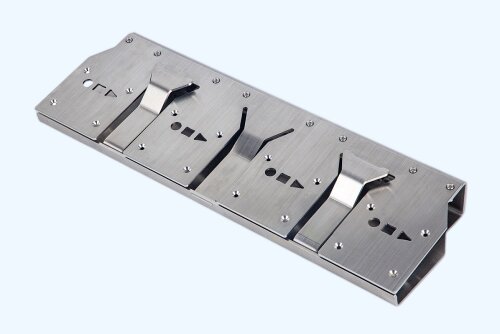
Las chapas metálicas suelen tener un grosor de entre 0,5 mm y 3 mm. Su delgado perfil lo hace ideal para productos ligeros, pero también significa que puede flexionarse, vibrar o deformarse bajo tensión.
El refuerzo ayuda a controlar este comportamiento aumentando el momento de inercia de la pieza, es decir, su resistencia a la flexión.
Incluso un pequeño cambio geométrico puede suponer un salto importante en el rendimiento: Aumentar la altura de la sección en 20 % puede incrementar la rigidez en más de 70 % sin cambiar el grosor del material.
Este tipo de mejora no sólo añade fuerza. También:
- Reduce el estrés por fatiga y la distorsión a largo plazo.
- Mejora la precisión de ajuste durante el montaje.
- Evita problemas visibles como el engrasado o el alabeo de los paneles.
- Prolonga la vida útil bajo vibraciones o cargas repetidas.
En otras palabras, el refuerzo no es sólo una cuestión estructural: es una inversión en diseño que reduce las repeticiones, mejora la calidad del producto y realza su aspecto.
Factores que afectan a la resistencia de los metales
Para elegir el método de refuerzo adecuado, los ingenieros deben entender primero qué impulsa la rigidez y la estabilidad:
- Propiedades del material: El acero dulce ofrece buena ductilidad y valor; el acero inoxidable proporciona un alto límite elástico y resistencia a la corrosión; las aleaciones de aluminio ofrecen una excelente relación resistencia-peso. La selección del material de base adecuado define los límites hasta los que puede llegar el refuerzo.
- Espesor frente a geometría: Las chapas más gruesas resisten la flexión, pero también añaden coste y dificultad de conformado. El refuerzo geométrico -mediante nervaduras, pliegues o pestañas- suele conseguir una rigidez similar o superior con un peso menor.
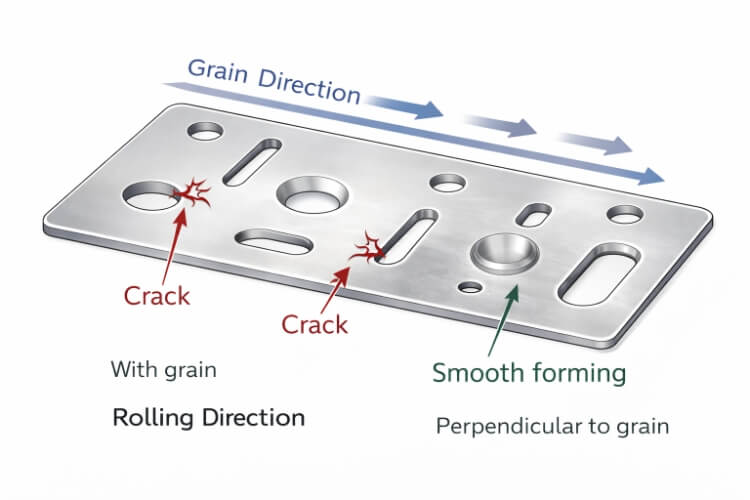
- Dirección del grano: La flexión transversal mejora la resistencia a la fatiga. La flexión a lo largo de la fibra corre el riesgo de agrietarse, un factor clave en la configuración del conformado y la alineación de las herramientas.
- Método de fabricación: El corte de precisión, el conformado por láser y el plegado controlado con prensa plegadora ayudan a mantener unos resultados uniformes. Un utillaje deficiente o unos ángulos de conformado incoherentes pueden reducir la rigidez real entre 10 y 15 %.
- Estado y tratamiento de la superficie: Acabados como el recubrimiento en polvo, el anodizado o el granallado pueden aumentar ligeramente la dureza de la superficie, añadiendo resistencia adicional a la fatiga y protegiendo al mismo tiempo contra la corrosión.
Comprender estas variables garantiza que el refuerzo se planifique desde el principio y no se añada como corrección después de que fallen los prototipos.
De los principios de diseño a las técnicas prácticas
Una vez que los fundamentos están claros, los ingenieros pueden aplicar estrategias de refuerzo específicas para crear piezas más resistentes con menos material. A continuación se presentan 11 métodos probados que combinan geometría, diseño de ensamblajes, selección de materiales y simulación digital.
1. Doblado y plegado
Doblar es una de las formas más eficaces y rentables de reforzar chapas metálicas. Cuando una chapa plana se dobla, gana altura estructural, lo que aumenta drásticamente la rigidez y la resistencia a la flexión. Una sola curvatura de 90 grados puede aumentar la rigidez entre tres y cinco veces, según el grosor y el material.
Esto funciona porque la flexión cambia el momento de inercia, la propiedad física que determina la resistencia de una pieza a la flexión. Al introducir curvaturas en forma de L, U o Z, los ingenieros transforman una lámina flexible en una estructura estable sin añadir material.
Esta técnica se utiliza ampliamente en soportes de montaje, bastidores, paneles de control y carcasas de máquinas, donde deben coexistir resistencia y precisión.
Consejos de ingeniería para curvas eficaces
- Mantenga el radio de curvatura al menos igual al espesor de la chapa para evitar que se agriete.
- Inclínate siempre a través del grano para una mayor resistencia a la fatiga.
- Mantener al menos 1,5-2× espesor libre entre las líneas de pliegue y los orificios o bordes cercanos.
- Utilice orientación coherente de las curvas para reducir el tiempo de preparación y mejorar la repetibilidad.
Incluso pequeños ajustes en el diseño, como añadir una curva de refuerzo a lo largo de un borde largo, pueden reducir las vibraciones del panel y eliminar costosas repeticiones durante el montaje.
2. Añadir bridas y bordes
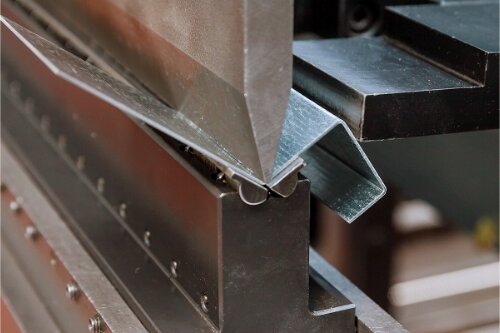
El rebordeado amplía los bordes de la chapa doblándolos hacia arriba o hacia abajo, creando un refuerzo perimetral. Estos bordes funcionan como vigas en miniatura, evitando la distorsión, la torsión y la deformación de los bordes.
En los cerramientos de chapa o las puertas de armarios, las bridas son esenciales. Mantienen los paneles rectos, ayudan a alinear las piezas durante el montaje y aumentan la rigidez general sin añadir peso. Una altura de brida de entre 2 y 5 veces el grosor del material suele proporcionar el mejor equilibrio entre resistencia y peso.
Ventajas adicionales
Las bridas no sólo añaden rigidez, sino que también mejoran la seguridad y la estética al eliminar los bordes afilados y proporcionar superficies de alineación limpias. En la producción, pueden servir como interfaces de montaje para remaches o soldaduras, lo que simplifica el montaje posterior.
Para grandes paneles planos propensos a vibraciones en los bordes, el rebordeado sigue siendo uno de los métodos de refuerzo más sencillos y rentables que existen.
3. Nervios de refuerzo y patrones en relieve
Las nervaduras y los relieves son formas elevadas o rebajadas que se forman en la chapa metálica para reforzar grandes superficies planas. Al alterar la geometría local, estos elementos distribuyen la tensión y limitan las vibraciones sin aumentar el grosor del material.
Según los datos de fabricación, añadir un nervio de 1 mm de profundidad a una chapa de acero de 1 mm puede aumentar la rigidez local en más de 60 %, una mejora espectacular para una modificación tan pequeña. Las nervaduras se suelen prensar con herramientas de estampado o grabado CNC y se ven en cubiertas industriales, carcasas electrónicas y paneles de ventilación.
Directrices de diseño
- Visite distancia entre costillas uniforme para evitar tensiones desiguales.
- Mantener un relación profundidad/espesor inferior a 1,5 : 1 para evitar el adelgazamiento o el desgarro.
- Costillas de Oriente a lo largo de las trayectorias de tensión para una máxima eficacia del refuerzo.
- Combine nervios con curvas para obtener una rigidez aún mayor en paneles de gran tamaño.
Estampado en toda la superficie
En lugar de nervaduras individuales, pueden aplicarse patrones como rombos, cúpulas o panales en toda la superficie. Estas texturas en relieve crean rigidez multidireccional y reducen la resonancia, algo especialmente valioso en aplicaciones que requieren un funcionamiento silencioso y sin vibraciones.
4. Enrollado de cuentas
El laminado de cordones es otro método de refuerzo geométrico en el que se introducen ranuras lineales o líneas en relieve en la superficie mediante troqueles. Cada cordón funciona como una miniranura, añadiendo fuerza y resistencia a las vibraciones a lo largo de su longitud.
Un cordón de 2 mm de profundidad en una chapa de acero inoxidable de 1 mm puede mejorar la rigidez hasta 40 %, lo que hace que este método sea ideal para conductos de calefacción, ventilación y aire acondicionado, protecciones de maquinaria y paneles de carrocería de automóviles. Además de la rigidez, el laminado de cordones también mejora la calidad visual, dando a los paneles un acabado profesional y estructurado.
Mejores prácticas
- Mantener al menos 3× la anchura de la cuenta separación entre cuentas adyacentes.
- Visite relación profundidad/espesor inferior a 1,5 : 1 para evitar el adelgazamiento.
- Alinear las cuentas paralela o diagonal a la dirección de la carga para reducir la desviación.
- Permanezca en A 10-15 mm de los bordes para evitar el desgarro o la deformación de los bordes.
El laminado de cordones combina estética, rigidez y facilidad de fabricación en un solo proceso, una combinación poco frecuente que refuerza tanto la estructura como la percepción de la marca.
5. Refuerzos y soportes de esquina
Cuando dos piezas de chapa metálica se unen en ángulo, esa unión suele convertirse en un punto de concentración de tensiones. Las cartelas son pequeñas placas de refuerzo -a menudo triangulares o trapezoidales- que reparten las cargas por una zona más amplia, reduciendo la flexión y las vibraciones en la unión.
En bastidores de máquinas, armarios industriales y grandes carcasas, las cartelas evitan que las esquinas se flexionen o se desalineen durante el funcionamiento o el transporte. Una cartela soldada o remachada puede mejorar la rigidez de las esquinas hasta 80 %, en función del grosor del material y la geometría de la cartela.
Directrices de diseño y colocación
- Extienda el fuelle a lo largo de ambos lados al menos 1,5 × el grosor del material.
- Añada un pequeño radio interno en lugar de una esquina afilada para reducir las subidas de tensión.
- Para diseños sensibles al peso, utilice cartelas recortadas o perforadas que conservan la resistencia con menos masa.
- Para estructuras remachadas, mantenga una distancia uniforme entre los orificios para una transferencia de carga uniforme.
Perspectiva de la fabricación
Los refuerzos son fáciles de fabricar mediante corte por láser o punzonado CNC y pueden añadirse en una fase avanzada del proceso de diseño si las pruebas revelan una debilidad local. Son una solución práctica que añade ventajas estructurales cuantificables a un coste mínimo.

6. Duplicación y laminación de capas
El refuerzo no siempre se consigue añadiendo nuevas formas, a veces se consigue superponiéndolas.
Al unir, soldar o sujetar dos láminas finas, los ingenieros crean un panel compuesto con una rigidez y una amortiguación de las vibraciones considerablemente mayores.
Por ejemplo, dos chapas de acero de 1 mm laminadas juntas pueden alcanzar casi la rigidez de una única chapa de 1,6 mm, al tiempo que proporcionan una mejor absorción de las vibraciones. Esto resulta especialmente útil en carcasas electrónicas, paneles de climatización y componentes de vehículos, donde la rigidez y la reducción del ruido son importantes.
Métodos de adhesión
- Adhesión adhesiva: Proporciona contacto total con la superficie, protección contra la corrosión y amortiguación acústica.
- Soldadura por puntos: Ideal para grandes series de producción, proporcionando un rápido refuerzo estructural.
- Fijación mecánica: Ofrece flexibilidad para el desmontaje y el mantenimiento.
La estratificación también puede mezclar materiales, por ejemplo, combinando una lámina de aluminio para reducir el peso con una capa exterior de acero inoxidable para proteger de la corrosión, con el fin de lograr un equilibrio de rendimiento entre las necesidades mecánicas y medioambientales.
Consideraciones sobre el diseño
Los ingenieros deben garantizar índices de dilatación térmica similares entre las capas para evitar la delaminación bajo ciclos térmicos. La selección del adhesivo o la unión debe ajustarse a las condiciones de funcionamiento, como la temperatura y la exposición a la humedad o las vibraciones.
7. Soportes y marcos de apoyo
Cuando las piezas de chapa metálica deben soportar grandes cargas o mantener formas precisas, el siguiente paso es añadir soportes o marcos internos. Las escuadras y los bastidores actúan como refuerzos esqueléticos que alejan la tensión de los paneles finos, manteniéndolos planos y dimensionalmente estables.
En bases de máquinas, armarios industriales y carcasas de baterías, un bastidor tubular o de sección en L puede aumentar la capacidad de carga entre cuatro y cinco veces en comparación con los paneles sin soporte. Este enfoque también permite que el grosor de la chapa principal siga siendo bajo, equilibrando eficazmente la resistencia y el peso.
Integración del diseño
- Utilice ángulos en L, canales o tubos cuadrados para los componentes del bastidor.
- Unir mediante soldaduras por puntos, remaches o pernos, asegurándose de que la carga se distribuye por una amplia superficie de contacto.
- Planifique el acceso para el montaje: los soportes no deben obstruir el cableado, los paneles ni las fijaciones.
- Combine ménsulas con bordes doblados o nervaduras para obtener una eficacia de refuerzo híbrida.
Ingeniería y eficiencia de costes
Aunque la adición de bastidores aumenta ligeramente el uso de material, puede reducir el coste total del sistema al disminuir las repeticiones, mejorar la precisión del montaje y prolongar la vida útil del producto. Es una filosofía de diseño probada en estructuras robóticas, bastidores de equipos y sistemas de estanterías modulares, donde la rigidez y la precisión son fundamentales.
8. Soldadura por puntos y refuerzo remachado
El ensamblaje no sólo sirve para unir piezas, sino también para reforzar estructuras de chapa metálica. Soldadura de punto, remachary fijación mecánica todos añaden rigidez al convertir varias chapas en una sola unidad portante.
Cuando se diseñan correctamente, las líneas de soldadura por puntos y los patrones de remaches actúan como nervios estructurales, mejorando la rigidez y distribuyendo las fuerzas uniformemente. Por ejemplo, colocar puntos de soldadura cada 25-40 mm puede aumentar la rigidez de los bordes entre 40 y 60 %, dependiendo del grosor de la chapa y del material.
Por eso, estos métodos de unión son habituales en cajas de baterías, protecciones de máquinas y paneles de automóviles, donde la resistencia y la precisión son vitales.
Consejos sobre diseño y procesos
- Mantenga la distancia entre soldaduras para equilibrar el aporte de calor y minimizar la distorsión.
- Utilice diámetros de remache de 2-3× espesor de chapa para una fuerza de sujeción óptima.
- Añadir placas de apoyo o arandelas para repartir las tensiones localizadas.
- Para metales distintos, utilice arandelas aislantes o adhesivos para evitar la corrosión galvánica.
Al integrar las técnicas de unión en el plan de refuerzo, los ingenieros pueden conseguir una excelente rigidez estructural sin rediseñar piezas enteras, lo que la convierte en una de las estrategias de refuerzo más rentables.

9. Sustitución de materiales para aumentar la resistencia
A veces, la forma más eficaz de reforzar una pieza de chapa metálica no es cambiar su forma, sino su material. Elegir aleaciones con mayor límite elástico o mejores propiedades de fatiga puede permitir secciones más delgadas, lo que mejora tanto el rendimiento como la eficiencia.
Por ejemplo:
- Acero inoxidable (AISI 304) ofrece aproximadamente 1,5 veces el límite elástico del acero dulce.
- Aluminio 6061-T6 o 7075 puede ofrecer hasta tres veces la resistencia del aluminio puro sin dejar de ser ligero.
- Titanio y aceros revestidos proporcionan una relación rigidez-peso y una resistencia a la corrosión superiores, ideales para usos aeroespaciales y marinos.
Estas mejoras no sólo aumentan la rigidez, sino también la longevidad del producto, reduciendo las tasas de mantenimiento y de fallos por fatiga.
Equilibrio entre resistencia, moldeabilidad y coste
Cada aleación más resistente tiene sus contrapartidas. Los materiales de alta resistencia suelen requerir mayores radios de curvatura, mayor fuerza de conformado y ajustes de soldadura. Antes de cambiar, realice una revisión de DFM (diseño para fabricación) para asegurarse de que su nueva elección de material se ajusta a las capacidades de producción y a los límites de las herramientas.
Cuando se utiliza estratégicamente, la sustitución de materiales puede reducir el peso total hasta en un 30 %, sin sacrificar la durabilidad, una ventaja fundamental en sectores centrados en la sostenibilidad y el rendimiento.
10. Superficie y tratamiento térmico Refuerzo
Mientras que la geometría y la estructura se ocupan de la rigidez a nivel macro, los tratamientos superficiales y térmicos mejoran la vida a fatiga, la dureza y la resistencia al desgaste. Estos tratamientos modifican la capa exterior del metal o la estructura interna del grano, convirtiendo las chapas estándar en componentes de alto rendimiento que duran más bajo tensión.
Tratamientos de refuerzo habituales
- Recocido: Alivia las tensiones internas tras el conformado, mejorando la ductilidad.
- Endurecimiento del trabajo: El conformado en frío o el laminado aumentan la densidad de dislocación, mejorando la resistencia.
- Nitruración / carburación: Endurece la superficie mediante la difusión de átomos de nitrógeno o carbono.
- Granallado: Crea tensiones de compresión en la superficie, retrasando la formación de grietas.
- Zincado / Anodizado: Añade una fina capa protectora que aumenta la resistencia a la corrosión y al desgaste.
Por ejemplo, una capa superficial nitrurada de 0,4 mm puede aumentar la dureza hasta 1.000 HV, lo que duplica la resistencia a la fatiga en entornos de carga cíclica.
¿Cuándo y por qué aplicar estos tratamientos?
Utilizar tratamientos térmicos o superficiales cuando:
- Piezas sometidas a vibraciones o rozamientos continuos, como soportes o cubiertas deslizantes.
- El grosor del material limita el uso de refuerzos geométricos.
- Entornos con humedad, calor o productos químicos en los que la resistencia a la corrosión es fundamental.
La combinación de estas mejoras a nivel micro con el refuerzo geométrico y estructural garantiza la resistencia tanto en el interior como en el exterior, lo que se traduce en componentes duraderos y de bajo mantenimiento.
11. Simulación y optimización de la topología
En la fabricación avanzada, el refuerzo empieza ahora en la fase de diseño digital. Mediante el análisis de elementos finitos (FEA), los ingenieros pueden visualizar cómo responden las piezas de chapa a la flexión, las vibraciones y las fuerzas externas, identificando las zonas débiles antes de cortar la primera pieza de metal.
Al simular varios patrones de refuerzo, los ingenieros pueden probar curvas, nervaduras o bridas de forma virtual, ahorrando tiempo y material durante la creación de prototipos. Los resultados del análisis por elementos finitos revelan a menudo que añadir un desplazamiento geométrico de 10% en la zona adecuada puede mejorar la rigidez en más de 25%, lo que demuestra que la optimización basada en datos es mucho más eficaz que el ensayo y error.
Optimización de la topología para una resistencia ligera
La optimización topológica lleva el refuerzo un paso más allá. Utiliza algoritmos para "recortar" el material que no soporta carga, dejando sólo lo que es estructuralmente necesario. El resultado es un diseño ligero pero resistente, perfecto para sectores en los que cada gramo importa, como las carcasas de baterías de vehículos eléctricos, los soportes aeroespaciales y los bastidores de equipos de automatización.
La optimización digital también ayuda a minimizar la concentración de tensiones, reducir el peso del ensamblaje y apoyar los objetivos de sostenibilidad reduciendo el uso de materias primas.
Directrices prácticas para el diseño de chapa metálica reforzada
El refuerzo funciona mejor cuando los métodos se combinan de forma inteligente. Estos son los principios de ingeniería clave que ofrecen un rendimiento óptimo en la fabricación en el mundo real:
- Diríjase a los puntos débiles, no a superficies enteras. Refuerce las zonas de mayor tensión en lugar de sobrediseñar todo el panel.
- Utiliza primero la geometría. Las curvas, nervaduras y bridas suelen superar a las chapas más gruesas en la relación rigidez-peso.
- Validar con simulación. Confirme el rendimiento con AEF antes de comprometerse con el utillaje.
- Equilibrar los límites del proceso. Todos los radios de curvatura, profundidades de cordón o distancias entre soldaduras deben ajustarse a los equipos y tolerancias disponibles.
- Piensa a largo plazo. La elección del refuerzo afecta al ajuste del conjunto, al comportamiento ante las vibraciones y a la vida útil.
Los ingenieros que aplican estos principios de forma sistemática pueden reducir las repeticiones, mejorar la estabilidad del montaje y conseguir ahorros significativos a lo largo del ciclo de vida del producto.
Conclusión
Reforzar la chapa metálica no es añadir volumen, sino precisión de ingeniería y diseño inteligente. Desde la geometría simple hasta los tratamientos superficiales avanzados y la optimización digital, cada método contribuye a una estructura más ligera, resistente y duradera.
¿Necesita piezas de chapa más resistentes y ligeras? Cargue su archivo CAD en Shengen. Nuestros ingenieros proporcionan análisis DFM, sugerencias de refuerzo y prototipos rápidos para ayudar a que su diseño alcance la máxima resistencia con el mínimo peso.
Hola, soy Kevin Lee

Durante los últimos 10 años, he estado inmerso en diversas formas de fabricación de chapa metálica, compartiendo aquí ideas interesantes de mis experiencias en diversos talleres.
Póngase en contacto
Kevin Lee
Tengo más de diez años de experiencia profesional en la fabricación de chapas metálicas, especializada en corte por láser, plegado, soldadura y técnicas de tratamiento de superficies. Como Director Técnico de Shengen, me comprometo a resolver complejos retos de fabricación y a impulsar la innovación y la calidad en cada proyecto.
Recursos relacionados
Acero inoxidable antihuellas: cómo funciona y cómo elegirlo
OEM vs. Fabricación por contrato: Cómo elegir el modelo adecuado para su proyecto

Coste de instalación frente a coste unitario en la fabricación de chapa metálica