التجميع ذو القيمة المضافة هو خدمة تصنيعية تقوم فيها منشأة واحدة بدمج الصفائح المعدنية المصنعة مع قطع التثبيت والمكونات المشتراة وعمليات التشطيب لتقديم وحدة جاهزة للتركيب. ويؤدي ذلك إلى خفض التكلفة الإجمالية للملكية (TCO) من خلال توحيد وحدات التخزين (SKUs)، وإلغاء عمليات الشحن الوسيطة، وتجنب مشكلات التفاوت في المواصفات بين الموردين.
بالنسبة لمصنعي المعدات الأصلية (OEM) ومصنعي التعاقد، غالبًا ما يؤدي شراء قطع فردية مقطوعة بالليزر أو مثنية إلى حدوث اختناق لوجستي. حيث يتعين على الفرق الداخلية إدارة أوامر شراء متعددة، وإجراء عمليات فحص الجودة الواردة لكل مكون، وتخصيص مساحة قيّمة في ورشة العمل للتجميع النهائي.
يؤدي الانتقال من التوريد على مستوى الأجزاء إلى الشراء على مستوى الوحدات إلى تغيير هذه البنية. ويوضح هذا التحليل بالتفصيل العمليات الفعلية في ورشة الإنتاج المتعلقة بتجميع الصفائح المعدنية، والتأثير المباشر على مؤشرات الشراء، والاستراتيجيات اللازمة لإدارة مخاطر الاعتماد على الموردين.
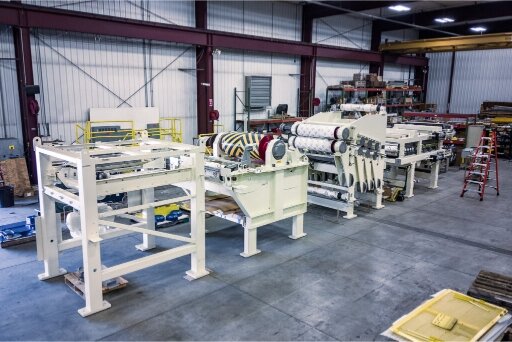
ما هي التغييرات التي تُحدثها عمليات التجميع ذات القيمة المضافة في ورشة الإنتاج؟
يؤدي تطبيق التجميع في مرحلة التصنيع إلى تغيير الطريقة التي تنتقل بها الأجزاء داخل المنشأة. فهو يحوّل التركيز من إنتاج القطع المعدنية الفردية إلى إنتاج الوحدات الوظيفية.
الأجزاء مقابل الوحدات النمطية
ينتج التصنيع القياسي صناديق من المكونات المسطحة أو المثنية التي تتطلب من العميل تولي عملية البناء النهائية. أما التجميع ذو القيمة المضافة فيحول هذا الناتج إلى وحدات مكتملة.
يصبح هذا النهج أكثر فعالية من حيث التكلفة مع زيادة حجم الإنتاج. فهو يستفيد من سير العمل الحالي لدى الشركة المصنعة ومن أجهزة التجميع المخصصة لديها، بدلاً من شغل مساحة مادية قيّمة واستهلاك العمالة في قسم الإنتاج التابع للعميل نفسه.
التركيب الأساسي
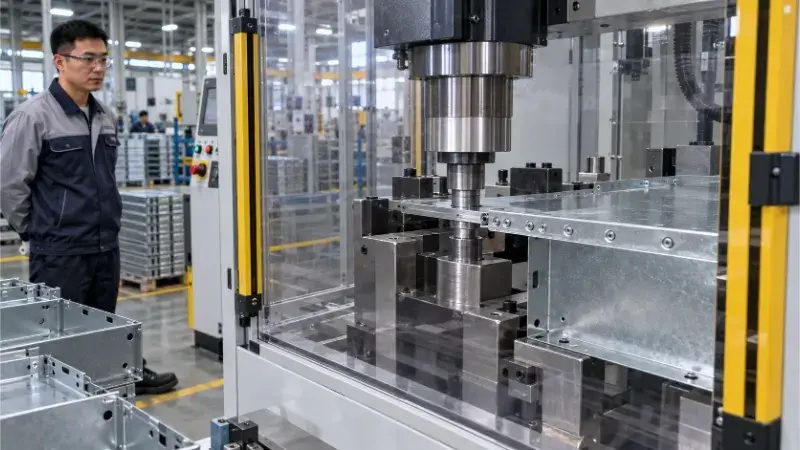
تُستخدم هذه المرحلة عادةً لإجراء عمليات الربط الميكانيكي البسيطة قبل أو مباشرة بعد معالجة السطح. وتشمل عمليات مثل ضغط قطع التثبيت المصنوعة من مادة PEM (الصواميل، والمسامير، والرفوف) باستخدام مكابس آلية لإدخال قطع التثبيت، أو تركيب المسامير العمياء الهيكلية، أو إجراء اللحام النقطي.
إن تثبيت هذه المثبتات بدقة قبل عملية الطلاء بالمسحوق يساهم بشكل فعال في ضمان الحصول على خيوط نظيفة ونقاط تثبيت موثوقة. كما أنه يوفر الأساس الهيكلي اللازم للمراحل التالية من عملية التصنيع.
الجمعية العامة
يتجاوز التجميع الكامل مرحلة الصفائح المعدنية الخام، ويتطلب من المصنِّع إدارة قائمة مواد (BOM) معقدة. ويشمل ذلك دمج مكونات من جهات خارجية مثل المفصلات، والمزالج، ورفوف لوحات الدوائر المطبوعة (PCB)، وقنوات الأسلاك، أو قطع التثبيت المخصصة.
يعتمد النجاح في هذه المرحلة على الرقابة الصارمة على المخزون ووجود رسومات تجميع واضحة. ويجب على المصنِّع التأكد من أن جميع قطع الغيار المقدمة من جهات خارجية تتوافق تمامًا مع المعدن المصنَّع، مع التحقق من ملاءمتها قبل شحن المنتج.
مخرجات جاهزة للتركيب
الهدف النهائي هو إنتاج وحدة لا تتطلب أي تعديلات إضافية. والنتيجة هي الهيكل النهائي, نظام الأقواس، أو الهيكل والتي يمكن تثبيتها بمسامير مباشرة في آلة أكبر أو شحنها مباشرة إلى المستخدم النهائي.
وهذا يقلل من التعديلات الميكانيكية التي يتعين على فنيي التجميع لدى العميل إجراؤها. كما أنه ينقل مسؤولية الملاءمة والشكل والأداء بالكامل إلى الشريك المتخصص في تصنيع الصفائح المعدنية.
قيمة المشتريات وتأثيرها على التكلفة
من منظور المشتريات، يؤدي الاستعانة بمصادر خارجية في عملية التجميع إلى تغيير هيكل إدارة سلسلة التوريد. كما أنه يقلل من التكاليف الخفية المرتبطة بالخدمات اللوجستية وإدارة الموردين.
تخفيض رقم تعريف المنتج (SKU)
يتطلب تتبع الصفائح المعدنية الخام، والمسامير الفردية، والدعامات، والتشطيبات إدارة مكثفة لقاعدة البيانات. وبدلاً من إدارة ما بين 15 إلى 20 بنداً فردياً، تعمل عملية التجميع ذات القيمة المضافة على دمجها في رمز SKU واحد من المستوى الأعلى.
وهذا يقلل بشكل كبير من العبء الإداري الداخلي الملقى على عاتق فريق المشتريات. والأهم من ذلك، أنه يقلل إلى أدنى حد من خطر أن يؤدي فقدان برغي واحد بحجم 0.10 إلى تأخير عملية إنتاج تبلغ 10,000 وحدة على خط التجميع الخاص بالعميل.
تبسيط عمليات PO
تستغرق معالجة أوامر الشراء المتعددة والموافقة عليها وتتبعها عبر مختلف الموردين ساعات من العمل الإداري. أما إصدار أمر شراء واحد لمجموعة مجمعة كاملة، فيبسط عمليات المحاسبة وتتبع الطلبات.
كما أنه يقلل من مخزون «العمل قيد التنفيذ» (WIP) الموجود في منشأة العميل. ويوفر هذا التوحيد لقسم المشتريات صورة أوضح بكثير عن «التكلفة الإجمالية للملكية» (TCO)، بدلاً من حساب رسوم الشحن والمناولة الجزئية لدى مختلف الموردين.
توحيد الموردين
قد يؤدي التنسيق بين ورشة القطع بالليزر، ومنشأة الطلاء بالمسحوق المنفصلة، وفريق التجميع الداخلي إلى حدوث ثغرات في التواصل وتأخيرات في الجدولة. أما دمج هذه الخطوات مع مورد واحد، فيؤدي إلى تبسيط سلسلة التواصل.
يُعد هذا النهج فعالاً في المشاريع المعقدة التي تتطلب مراقبة دقيقة لتفاوتات الأجزاء عبر مختلف مراحل التصنيع. فهو يضمن التواصل المباشر بين الفريق المسؤول عن قطع المعدن والفريق المسؤول عن طلائه وتجميعه.
تقليل عمليات المناولة
في كل مرة يتم فيها تغليف قطعة ما، وتحميلها على شاحنة، ثم تفريغها في منشأة جديدة، ترتفع تكاليف العمالة. بالإضافة إلى ذلك، يزداد خطر حدوث أضرار تجميلية — مثل الخدوش على الأسطح المطلية بالمسحوق — مع كل عملية نقل.
إن إجراء عملية التجميع تحت سقف واحد مع عملية التصنيع يزيل هذه الخطوات الوسيطة في الشحن. ويؤدي هذا التغيير الهيكلي إلى تقليل كل من أوقات النقل ومخاطر الخسارة الناتجة عن المناولة المفرطة.
تقليل مخاطر إعادة العمل
عندما يتولى موردون مختلفون عمليات التصنيع والتجميع، غالبًا ما لا يتم اكتشاف مشكلات تراكم التفاوتات إلا بعد وصول الأجزاء إلى خط التجميع لدى العميل. ويُعد إرجاع المكونات المعيبة وإعادة طلبها في هذه المرحلة عملية مكلفة وبطيئة.
إذا حدث انحراف طفيف في محاذاة الثقوب أثناء عملية التجميع الداخلية، يمكن للمصنع تعديل معلمات آلة الثني أو الليزر على الفور. ويضمن اكتشاف مشكلات الملاءمة هذه داخليًّا أن الأجزاء التي يتم شحنها إلى العميل هي الأجزاء التي تم التحقق من مطابقتها فقط.
عمليات فحص التصميم التي تمنع حدوث مشاكل في التجميع
إن مراجعة نموذج التصميم بمساعدة الحاسوب (CAD) قبل قطع المعدن يمنع حدوث تأخيرات مكلفة في خط التجميع. كما أن الكشف المبكر عن المشكلات المحتملة المتعلقة بالتوافق يضمن بقاء عملية التصنيع قابلة للتنبؤ.
تراكم التسامح
عند ربط عدة قطع من الصفائح المعدنية، تتراكم التفاوتات التصنيعية لكل منها. فإذا كانت هناك ثلاثة مكونات متفاعلة تتبع كل منها التفاوتات القياسية المحددة في معيار ISO 2768-m البالغة ±0.2 مم، فقد يصل الانحراف التراكمي في الوحدة النهائية إلى 0.6 مم.
غالبًا ما يؤدي هذا الخطأ المتراكم إلى اختلال محاذاة فتحات التثبيت النهائية تمامًا، مما يؤدي إلى إتلاف القطع. ويتعامل المهندسون مع هذه المشكلة من خلال تحديد بنية مرجعية أساسية وتطبيق تفاوتات أكثر دقة فقط على أسطح التلامس الحرجة.
محاذاة الثقوب
قد يؤدي تصميم ثقوب دائرية متطابقة تمامًا عبر قطعتين متداخلتين من الصفائح المعدنية إلى حدوث مشكلات في التثبيت. فالتباينات الطفيفة في عملية القطع بالليزر أو التشكيل باستخدام مكبس الثني ستجعل إدخال أدوات التثبيت أمرًا صعبًا في ورشة العمل.
يُعد استخدام الشقوق أو الثقوب ذات الفراغ الأكبر قليلاً في المكون المقابل حلاً فعالاً لاستيعاب هذه الاختلافات القياسية في التصنيع. وهذا يتيح للفنيين محاذاة الأجزاء وتثبيتها دون الحاجة إلى حفر المعدن النهائي يدويًّا.
اتجاه الانحناء
يجب أن يحدد مخطط الشكل بشكل واضح الاتجاه الصعودي أو الهبوطي لكل انحناء. فإذا تم ثني قوس معقد في الاتجاه المعاكس، فلن يكون من الممكن عمليًا دمجه في الوحدة النهائية.
عادةً ما يتطلب هذا الخطأ التخلص من المجموعة الفرعية بأكملها. ويضمن توفير ملف STEP ثلاثي الأبعاد إلى جانب ملف PDF ثنائي الأبعاد مزود بأبعاد كاملة حصول مشغل آلة الثني على مرجع بصري واضح للهندسة المقصودة.
الوصول إلى أدوات التثبيت
يضع المصممون أحيانًا الثقوب أو قطع التثبيت على مسافة قريبة جدًّا من الحواف العالية أو الزوايا الداخلية. وتتطلب مكابس إدخال قطع التثبيت الآلية ومسدسات التثبيت الهوائية القياسية وجود مسافة خالية حول رأس الأداة حتى تعمل بشكل سليم.
كقاعدة عامة في تصميم الصفائح المعدنية، يجب أن يكون مركز ثقب التثبيت بعيدًا بما يكفي عن خط الثني بحيث يتسع لإدخال سندان الثني — وعادةً ما يكون ذلك بمسافة لا تقل عن 1.5 ضعف سماكة المادة مضافًا إليها نصف قطر المثبت. وإذا تعذر على الأدوات القياسية الوصول إلى الوصلة، فيجب على المُصنِّع اللجوء إلى طرق تجميع يدوية أبطأ.
سمك التغليف
يضيف الطلاء بالمسحوق القياسي سماكة تتراوح بين 0.05 مم و0.15 مم (50 إلى 150 ميكرون) تقريبًا إلى كل سطح مكشوف. وإذا تم تصميم الفتحات أو الثقوب بحيث تتطابق تمامًا مع الحجم الاسمي للأجزاء المرافقة، فإن الطلاء المتصلب سيمنع إدخالها.
عادةً ما يُستخدم التغطية اليدوية للثقوب الملولبة الحساسة أو نقاط التأريض الكهربائية، لكن عملية التغطية هذه تستغرق وقتًا إضافيًا من العمالة. ويُعد تعديل أحجام الثقوب المقطوعة بالليزر في البداية لمراعاة سماكة الطلاء استراتيجية أكثر فعالية من حيث التكلفة في الإنتاج بكميات كبيرة.
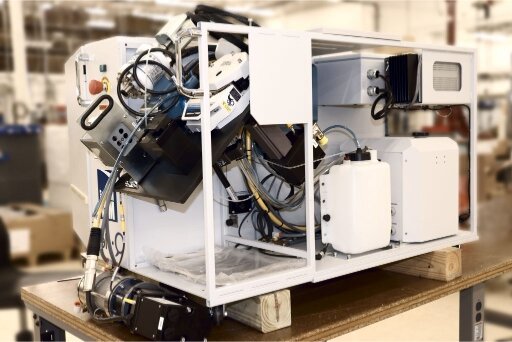
عمليات التجميع الشائعة لأجزاء الصفائح المعدنية
يتضمن التجميع ذو القيمة المضافة مجموعة محددة من مهام الربط والتكامل الميكانيكية. وتعتمد الطريقة المختارة على القوة المطلوبة، والجماليات، وحجم المنتج.
أجهزة PEM
يُعد الضغط على قطع التثبيت ذاتية التثبيت (الصواميل، والمسامير، والرفوف) طريقة فعالة لإنشاء خيوط قوية قادرة على تحمل الأحمال في الصفائح المعدنية الرقيقة، مثل الألومنيوم بسمك 1.5 مم.
تستخدم مكابس الإدخال الآلية قوة هيدروليكية أو هوائية دقيقة لتثبيت قطع التثبيت بحيث تكون مستوية تمامًا مع سطح المعدن. ويضمن ذلك ثبات مقاومة السحب ويمنع قطع التثبيت من الدوران أثناء عملية التثبيت النهائية.
المسامير والبراغي
تُستخدم المسامير المبرشمة عادةً في عمليات الربط الدائمة والمقاومة للتلاعب، حيث يكون اللحام الهيكلي مستحيلاً أو مكلفاً للغاية. وهي تتمتع بموثوقية عالية، لكن لا يمكن تفكيكها لأغراض الصيانة.
توفر البراغي الآلية القياسية والإدخالات الملولبة نهجًا معياريًا للتجميع. وتتطلب هذه الطريقة مراقبة دقيقة لعزم الدوران على خط التجميع لتجنب تلف الخيوط في الألواح المعدنية ذات السماكة الأقل.
لحام
يستخدم المصنعون TIG، MIG, ، أو اللحام النقطي الآلي لربط المكونات المعدنية بشكل دائم. ويصبح اللحام النقطي أكثر فعالية من حيث التكلفة عند الإنتاج بكميات كبيرة لربط الحواف المسطحة المتداخلة دون إضافة مادة حشو.
ومع ذلك، فإن اللحام المستمر بتقنية TIG أو MIG يولد حرارة كبيرة، مما يؤدي غالبًا إلى انحناء أو تشوه الصفائح المعدنية الرقيقة. وللحفاظ على تفاوتات التجميع النهائية، يتعين على المصنّعين تصميم أجهزة تثبيت مخصصة لللحام لتثبيت الأجزاء بإحكام طوال مرحلة التسخين والتبريد بأكملها.
المفصلات، والأقفال، والمقابض
يؤدي دمج الأجهزة الخارجية إلى تحويل الصندوق المعدني إلى غلاف عملي. وتتضمن هذه المرحلة تركيب مفصلات متصلة، ومزالج ربع دورة، ومقابض مخصصة للاستخدام المكثف.
يعتمد النجاح في هذا المجال على الالتزام الصارم بمعايير الموردين وعلى الفحص عند الاستلام. يجب أن تتطابق الأجهزة المشتراة تمامًا مع فتحات التثبيت المقطوعة مسبقًا، وأن تتناسب مع السماكة النهائية للمعدن المطلي.
الحشيات والملصقات
تتطلب الصناديق الكهربائية المصنفة وفقًا لمعايير IP استخدام حشوات رغوية مطبقة بدقة (FIP) أو أختام مطاطية لاصقة لمنع تسرب الغبار والماء.
عادةً ما يكون وضع هذه الأختام، إلى جانب ملصقات التحذير وملصقات العلامة التجارية، هو الخطوة الأخيرة قبل التغليف. تمنع هذه العملية المواد اللاصقة من التعرض للتحلل الكيميائي خلال مراحل الغسيل الصناعي الأولي ومرحلة تحميص الطلاء المسحوق عند درجات حرارة عالية.
خطوات فحص المجموعات النهائية
يتطلب التحقق من اكتمال وحدة ما إجراءات مختلفة عن تلك المتبعة في فحص قطعة معدنية مسطحة. حيث يتحول التركيز من الأبعاد الأولية إلى التكامل الوظيفي والتركيب النهائي.
تجميع القطعة الأولى
قبل البدء في دورة إنتاج كاملة، يقوم المصنع بتصنيع وحدة واحدة كاملة والتحقق منها. وهذا عملية فحص المنتج الأول (FAI) يؤكد أن قائمة المواد (BOM) دقيقة وأن جميع الأجزاء تتناسب مع بعضها البعض كما هو مقرر.
إن اكتشاف مشكلة تداخل في هذه المرحلة التي لا تتضمن سوى وحدة واحدة يمنع إنتاج عيب على نطاق واسع. ويوفر تقرير تقييم التوافق الأولي (FAI) الناتج المعيار الأساسي لبقية الدفعة.
الأبعاد النهائية
في حين يتم فحص الأجزاء الفردية بعد خروجها من آلة القطع بالليزر أو آلة الثني، يجب قياس الوحدة النهائية ككل. ويقوم الفنيون بفحص الأبعاد الإجمالية (الطول × العرض × الارتفاع) باستخدام الفرجار أو مقاييس الارتفاع أو آلة قياس الإحداثيات (CMM).
يضمن هذا الفحص النهائي للأبعاد أن التجميع النهائي سينزلق بسلاسة داخل الهيكل الرئيسي للعميل أو حامل الخادم دون أي عوائق مادية.
التحقق من المقاس
تتضمن هذه الخطوة التوصيل المادي لجميع المكونات المتحركة والقابلة للإزالة. وبالنسبة لمواقع التوصيل الحرجة، غالبًا ما تُستخدم مقاييس «Go/No-Go» المصممة خصيصًا على خط الإنتاج للتحقق الفوري من المحاذاة دون إبطاء وتيرة التجميع.
كما يتحقق المفتشون من أن الأبواب المفصلية تفتح بسلاسة دون أن تخدش الأسطح المطلية المجاورة، وأن الألواح القابلة للفتح تتوافق بسهولة مع فتحات تركيبها. ويشير أي تقييد في الحركة أو وجود فجوات مفرطة إلى وجود مشكلة في التفاوت المسموح به يجب معالجتها.
فحص عزم الدوران
إذا كانت إحدى المجموعات الفرعية تعتمد على الوصلات الملولبة، يتم استخدام مفاتيح عزم الدوران الرقمية المعايرة للتحقق من قوة الشد.
إن التأكد من أن جميع أدوات التثبيت الحيوية تستوفي القيم المحددة بالنيوتن-متر (Nm) يمنع ارتخاء هذه الأدوات بسبب الاهتزاز أثناء النقل. كما يمنع الإفراط في ربطها، الأمر الذي قد يؤدي إلى تلف الخيوط أو تشوه الصفائح المعدنية المحيطة بأداة التثبيت.
فحص الوظائف
غالبًا ما يتطلب التجميع النهائي إجراء فحص ميكانيكي أو كهربائي بسيط قبل مغادرة المصنع. ويشمل ذلك تشغيل الأقفال، واختبار قدرة تحمل القضبان المنزلقة، أو إجراء فحص أساسي لاستمرارية التيار في مسامير التأريض.
تُثبت هذه الخطوة أن الوحدة تعمل بشكل صحيح في الظروف الفعلية. وهي تمنح العميل الثقة بأن الوحدة جاهزة بالفعل للتركيب فور وصولها.
سجلات التفتيش
تتضمن الممارسة المعتادة تقديم الوثائق المصاحبة للشحنة المادية. وعادةً ما تشمل هذه الوثائق التقرير النهائي الصادر عن معهد FAI، وشهادات مطابقة المواد الخاصة بالمعدن الخام، وصحائف مراقبة الجودة الموقعة من خط التجميع.
إن توفير هذه السجلات يقلل من عبء الفحص عند الاستلام الذي يتحمله قسم الاستلام لدى العميل. كما يضمن إمكانية التتبع الكاملة لكل وحدة يتم تسليمها، مما يسهم في تبسيط إجراءات الامتثال الداخلية لدى الشركة المصنعة للمعدات الأصلية.
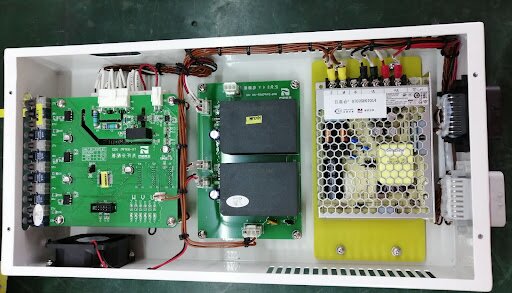
من النموذج الأولي إلى مراقبة الإنتاج
يتطلب الانتقال من نموذج أولي واحد إلى التصنيع بكميات كبيرة وجود ضوابط منظمة للعمليات. وغالبًا ما يؤدي توسيع نطاق عملية التجميع دون هذه الضوابط إلى تباين في الجودة وظهور اختناقات في الإنتاج.
التحقق من صحة النموذج الأولي
يُعد التحقق من صحة النموذج الأولي الخطوة الأولى للتأكد من أن التصميم النظري يعمل في الواقع العملي. فهو يضمن التوافق التام بين الأنماط المسطحة للصفائح المعدنية، وقياسات الانحناء، وبيانات المكونات.
تُستخدم هذه المرحلة عادةً لاكتشاف عيوب التصميم، مثل مشكلات الخلوص في الأدوات أو الاختيارات غير الصحيحة لمواد التثبيت، قبل أن يستثمر المصنع الأصلي في أدوات مخصصة باهظة الثمن أو يطلب كميات كبيرة من قطع التثبيت.
مراجعة الدُفعات الصغيرة
الانتقال مباشرة من نموذج أولي واحد إلى إنتاج 5,000 وحدة ينطوي على مخاطر كبيرة. أما مراجعة دفعة صغيرة — تتراوح عادةً بين 50 و100 وحدة — فهي وسيلة فعالة لتحديد نقاط الاختناق في تسلسل التجميع.
يتيح هذا الإنتاج المحدود لفريق هندسة الإنتاج تحديد ما إذا كانت مكبس الإدخال الآلي للأجهزة أم محطة التثبيت اليدوية هي الخيار الأكثر فعالية من حيث التكلفة بالنسبة لحجم الإنتاج المتوقع.
معدات التجميع
الاعتماد حصريًّا على ثبات يد الفني يؤدي إلى تباين في جودة التجميعات وإطالة أوقات الدورات. ومع زيادة حجم الإنتاج، يقوم المصنعون بتصميم وتصنيع قوالب تجميع مخصصة (جيج) من الألومنيوم أو مادة «ديلرين».
تعمل هذه التجهيزات على تثبيت الأجزاء المعدنية بشكل صلب في الاتجاه الصحيح أثناء التثبيت أو اللحام. وغالبًا ما تتضمن ميزات “بوكا-يوكي” (الوقاية من الأخطاء)، مما يضمن استحالة إدخال أي جزء في الاتجاه المعاكس على خط الإنتاج. ورغم أن القوالب المخصصة تتطلب استثمارًا هندسيًّا مسبقًا، فإن هذه التكلفة تُسترد بسرعة على مدار دورة الإنتاج من خلال تقليل أوقات التجميع لكل وحدة بشكل كبير.
تعليمات العمل
يعتمد التجميع عالي الجودة على وجود وثائق واضحة وموحدة. ويقوم مهندسو التصنيع بإعداد إجراءات تشغيل قياسية (SOP) مرئية أو تعليمات عمل لكل محطة على خط التجميع.
تقدم هذه الوثائق إرشادات تفصيلية خطوة بخطوة، حيث تحدد بوضوح قيم عزم الدوران المطلوبة، وأوقات معالجة المادة اللاصقة، ونقاط الفحص الحاسمة لكل وحدة محددة. وهذا يقلل من الوقت الذي يستغرقه المشغلون في التعلم ويضمن الاتساق عبر نوبات الإنتاج المختلفة.
اتساق الدُفعات
يتطلب الحفاظ على تفاوتات ضيقة عبر دورات إنتاج متعددة اتباع نهج إحصائي. ويعتمد المصنعون على خطط أخذ العينات وفقًا لـ«حد الجودة المقبول» (AQL) لمراقبة اتساق الدُفعات على مدار الوقت.
تضمن المعايرة المنتظمة للأدوات، والفحوصات الروتينية لأجهزة القياس، والتحقق الدوري من دقة مفاتيح عزم الدوران، أن الوحدة رقم 5,000 التي تخرج من خط الإنتاج تتطابق تمامًا مع «القطعة الأولى» المعتمدة.
المخاطر التي تؤدي إلى إبطاء مشاريع التجميع
يؤدي الاستعانة بمصادر خارجية في عمليات التجميع إلى تبسيط سلسلة التوريد الداخلية لشركة تصنيع المعدات الأصلية (OEM)، لكنه ينطوي على مخاطر هندسية ومخاطر متعلقة بالمشتريات. ويؤدي توقع هذه العقبات إلى منع تعطل خطوط الإنتاج.
رسومات غير مكتملة
إن تقديم نموذج CAD ثلاثي الأبعاد فقط دون ملف PDF ثنائي الأبعاد يؤدي إلى حدوث غموض فوري. فنادراً ما تحتوي النماذج ثلاثية الأبعاد على توضيحات مهمة بشأن الخيوط، أو مواصفات عزم الدوران، أو متطلبات محددة تتعلق بعلامات تجارية لأجزاء التثبيت.
تؤدي هذه المعلومات الناقصة إلى إجبار فرق إعداد عروض الأسعار وفرق الهندسة على الدخول في دوامة من الافتراضات ورسائل البريد الإلكتروني التوضيحية. وهذا يؤدي حتماً إلى تأخير انطلاق المشروع ويزيد من خطر قيام الشركة المصنعة بشراء المعدات الخاطئة.
قائمة المواد غير المستقرة
يعتمد كفاءة خط التجميع على وجود مخزون يمكن التنبؤ به وتصاميم نهائية. وغالبًا ما يؤدي تغيير ماركة معينة من المفصلات أو المزالج أو أجهزة الاستشعار في منتصف عملية الإنتاج إلى تأخيرات جسيمة.
قد تختلف المساحة المطلوبة للتركيب أو عمق التركيب للأجهزة الجديدة اختلافًا طفيفًا. وعادةً ما يتطلب هذا الاختلاف من المُصنِّع إيقاف عملية التجميع وإعادة برمجة معلمات القطع بالليزر الخاصة بالصفائح المعدنية الخام لتتناسب مع هذا التغيير.
التفاوتات المفقودة
يؤدي عدم تحديد التفاوتات المسموح بها الحرجة إلى مشاكل في التوافق، في حين أن تحديد تفاوتات أكبر من اللازم لكل بُعد يؤدي إلى ارتفاع تكلفة الوحدة دون داعٍ.
يجب على المصممين تحديد حدود الانحراف المقبولة بشكل صريح، وذلك فقط بالنسبة لأسطح التلامس الحرجة. ويتيح هذا النهج الموجه للمصنع تركيز جهود مراقبة الجودة وعمليات القياس المخصصة في المجالات التي تؤثر فعليًّا على الأداء النهائي للوحدة.
تأخر وصول قطع غيار العملاء
تفضل بعض الشركات المصنعة للمعدات الأصلية (OEM) توريد لوحات الدوائر الإلكترونية الخاصة بها أو أجهزة الاستشعار المتخصصة (التي تُعرف غالبًا باسم «المخزون المودع»).
وإذا وصلت هذه القطع التي يوفرها العميل متأخرة إلى منشأة الشركة المصنعة، فإن خط تجميع الصفائح المعدنية بأكمله يتوقف عن العمل. وهذا يؤدي إلى ازدحام المساحة التشغيلية للشركة المصنعة، ويؤخر بشكل مباشر الشحنة النهائية للوحدات المكتملة إلى الشركة المصنعة للمعدات الأصلية.
حماية حقوق الملكية الفكرية
إن تسليم قائمة المواد الكاملة والنماذج ثلاثية الأبعاد الخاصة بمنتج نهائي يزيد من مخاطر التعرض لمشاكل تتعلق بالملكية الفكرية.
يجب على الشركات المصنعة للمعدات الأصلية (OEM) إبرام اتفاقيات عدم إفشاء (NDA) صارمة قبل مشاركة تصاميم الأنظمة الكاملة. وفي المشاريع شديدة الحساسية، قد تلجأ الشركات المصنعة للمعدات الأصلية إلى استراتيجية التجميع المعروفة باسم “الصندوق الأسود” — حيث يتولى المُصنِّع بناء الهيكل الميكانيكي المعقد وتوجيه الأسلاك، بينما تقوم الشركة المصنعة للمعدات الأصلية بتركيب التكنولوجيا الأساسية المسجلة الملكية في منشآتها الآمنة الخاصة.
مخاطر المصدر الواحد
إن توحيد جميع عمليات التصنيع والتجميع لدى مورد واحد يبسط عملية الشراء، لكنه يخلق نقطة فشل واحدة (التبعية للمورد). فإذا واجه ذلك المورد نقصًا في المواد، أو عطلًا في المعدات، أو إغلاقًا للمنشأة، فإن سلسلة التوريد الكاملة للشركة المصنعة للمعدات الأصلية (OEM) تنهار.
تقوم فرق المشتريات بإدارة هذه المخاطر من خلال تأهيل مورد ثانوي لتوريد المجموعات الحيوية، مما يضمن توفر مسار إنتاج بديل حتى لو كان المورد الثانوي لا يتولى سوى نسبة صغيرة من الحجم الإجمالي.
خاتمة
ينقل التجميع ذو القيمة المضافة عبء مراقبة الأبعاد، وتكامل الأجهزة، واختبار الجودة من الشركة المصنعة للمعدات الأصلية (OEM) إلى الشركة المصنعة للصفائح المعدنية. ومن خلال توفير وحدات جاهزة للتركيب، تقلل هذه العملية من عبء إدارة وحدات التخزين الداخلية (SKU) وتحد من مخاطر حدوث أخطاء في التفاوتات بين الموردين.
بالنسبة لشركات تصنيع المعدات الأصلية (OEM) التي تسعى إلى زيادة حجم الإنتاج دون توسيع المساحة المادية لمصانعها، فإن دمج عمليات التصنيع والتجميع في أمر شراء واحد يوفر ميزة هيكلية ومالية واضحة.
هل أنت مستعد لتبسيط سلسلة التوريد الخاصة بك؟
يتمتع فريق الهندسة في «شينغن» بخبرة تزيد عن 10 سنوات في مجال تصنيع الصفائح المعدنية، وهو ما يتيح له دعم دورة حياة منتجاتكم بدءًا من التحقق السريع من صحة النماذج الأولية وصولاً إلى الإنتاج الضخم. أرسل ملفات STEP ثلاثية الأبعاد وقائمة المواد الكاملة إلى فريقنا لإجراء مراجعة شاملة لقابلية التصنيع والتجميع.
الأسئلة الشائعة
ما هي الملفات المطلوبة لتقديم عرض أسعار لمشروع تجميع ذي قيمة مضافة؟
يتطلب تقديم عرض أسعار كامل للتجميع بشكل صارم ملفات CAD ثلاثية الأبعاد (STEP أو IGES)، وملفات PDF ثنائية الأبعاد مزودة بأبعاد كاملة (تشير إلى التفاوتات المسموح بها، واتجاهات الانحناء، وأحجام الخيوط)، وقائمة مواد كاملة (BOM) توضح بالتفصيل جميع المكونات المطلوبة التي سيتم شراؤها والعلامات التجارية المحددة.
هل يؤدي التجميع ذو القيمة المضافة إلى زيادة التكلفة الأولية للقطعة؟
نعم، سيكون سعر الوحدة الأولي الذي يقدمه المصنع أعلى لأنه يشمل قطع الغيار من جهات خارجية وتكاليف العمالة اللازمة للتجميع. ومع ذلك، فإن التكلفة الإجمالية للملكية (TCO) بالنسبة لمصنّع المعدات الأصلية (OEM) تنخفض عادةً بسبب الانخفاض الكبير في تكاليف العمالة الداخلية للتجميع، وانخفاض تكاليف الشحن، والقضاء على معدلات الخردة في المراحل الوسيطة.
ما الفرق بين التجميع الأساسي والتجميع الكامل ذي القيمة المضافة؟
يتضمن التجميع الأساسي إدخال قطع التثبيت القياسية من نوع PEM أو تثبيت الدبابيس على الدعامات البسيطة خلال مرحلة التصنيع، وذلك لإعداد المعدن لعمليات التشطيب. أما التجميع الكامل فيتضمن إدارة قائمة مواد معقدة لدمج مكونات من جهات خارجية — مثل المفصلات، ودعامات لوحات الدوائر المطبوعة (PCB)، وقنوات الأسلاك، والحشيات المخصصة — لتقديم منتج نهائي جاهز للتركيب للمستخدم النهائي.
مهلا، أنا كيفن لي
على مدى السنوات العشر الماضية، كنت منغمسًا في أشكال مختلفة من تصنيع الصفائح المعدنية، وشاركت رؤى رائعة هنا من تجاربي عبر ورش العمل المتنوعة.
ابقى على تواصل
كيفن لي
لدي أكثر من عشر سنوات من الخبرة المهنية في تصنيع الصفائح المعدنية، وتخصصت في القطع بالليزر، والثني، واللحام، وتقنيات معالجة الأسطح. كمدير فني في شنغن، أنا ملتزم بحل تحديات التصنيع المعقدة ودفع الابتكار والجودة في كل مشروع.