تعتمد أفضل مواد صنع النماذج الأولية على مرحلة الاختبار التي تمر بها. استخدم راتنج SLA أو PLA للنماذج المرئية، وABS أو البولي كربونات للأغلفة الوظيفية، والألومنيوم 6061 أو الصفائح المعدنية لاختبارات تحمل الأحمال. احرص على مطابقة المادة بدقة مع عملية التصنيع الخاصة بك لتجنب إخفاقات الاختبار المكلفة.
إن اختيار مادة غير مناسبة لصناعة النماذج الأولية لا يؤدي فقط إلى إهدار وقت تشغيل الآلات، بل يؤدي أيضًا إلى نتائج اختبار خاطئة، وتأخير إطلاق المنتجات، وربما خسارة آلاف الدولارات في شكل أدوات إنتاج يتم التخلص منها.
تُعد أوراق البيانات القياسية مفيدة، لكنها لا تعكس واقع عمليات التصنيع باستخدام الحاسب الآلي (CNC) أو تشكيل الصفائح المعدنية. في هذا الدليل، نتجاوز التعريفات الأساسية ونركز على الجانب العملي لعملية إنشاء النماذج الأولية — لمساعدتك في اختيار المواد بناءً على أوقات التصنيع الفعلية، ومخاطر استخدام الأدوات، وأدائها في بيئات التشغيل الفعلية.

كيف تختار المواد اللازمة لنموذجك الأولي؟
قبل مقارنة أوراق بيانات المواد، عليك تحديد الأهداف التي يجب أن يحققها النموذج الأولي بدقة. فالتوضيح المسبق للمتطلبات يمنع الإفراط في تصميم القطعة أو دفع تكاليف خصائص لا تحتاج إليها.
الغرض من الاختبار
تنقسم النماذج الأولية عمومًا إلى ثلاث فئات: النماذج المرئية، وفحوصات التجميع، والاختبارات الوظيفية. وعادةً ما يكون استخدام نماذج أولية مختلفة لكل مهمة من المهام أكثر فعالية من حيث التكلفة، بدلاً من الاعتماد على قطعة واحدة باهظة الثمن للقيام بكل المهام.
على سبيل المثال، إذا كنت تحتاج فقط إلى التحقق من الشكل الخارجي لجهاز محمول باليد، فإن قطعة من الراتنج المطبوعة بتقنية SLA القياسية تفي بالغرض. أما إذا كنت بحاجة إلى اختبار مدى صمود نقاط التثبيت الداخلية عند سقوط الجهاز، فستحتاج إلى غلاف مصنوع من البلاستيك ذي الجودة الهندسية أو من المعدن المشغول آليًا. إن تحديد الاختبار المحدد يمنعك من استخدام مواد ذات جودة طيران في عمليات الفحص البسيطة للأبعاد.
شروط الخدمة
تتطلب توصيات المواد بيانات تشغيل محددة. فوصف قطعة ما بأنها “مقاومة للحرارة” أو “قوية” غالبًا ما يؤدي إلى سوء تفاهم مع الشركات المصنعة ويؤدي إلى فشل الاختبارات.
لاختيار المادة المناسبة، يجب تحديد الظروف الدقيقة التي سيتعرض لها الجزء. ويشمل ذلك الحمل الثابت أو الديناميكي، ودرجة حرارة التشغيل المستمرة (مقارنة بدرجة الحرارة القصوى)، والتعرض للعوامل البيئية، والمدة المطلوبة لإجراء الاختبار.
ملاحظة من قسم الإنتاج: الخطأ الأكثر شيوعًا الذي نلاحظه في طلبات عروض الأسعار هو وصف قطعة ما بأنها “مقاومة للتآكل” دون تحديد الوسط الكيميائي. على سبيل المثال، يقاوم الفولاذ المقاوم للصدأ من النوع 304 التعرض للماء العادي، ولكن إذا تعرض النموذج الأولي الخاص بك للمياه المالحة أو لبعض الأحماض الصناعية، فيجب عليك تحديد النوع 316.
أولويات الاختيار
في معظم المشاريع، لا يمكنك تحسين كل متغير في آن واحد. ينبغي تقسيم المتطلبات إلى ما يخص كل جزء يجب أن يكون متوفراً ما هو ضروري لتشغيل الجهاز وما يمكن التنازل عنه. فإذا كانت الدقة والصلابة من المتطلبات الأساسية لأي جهاز اختبار، فقد يتعين إعطاء الأولوية لتكلفة المواد والوزن في المرتبة الثانية.
قائمة مراجعة ترجمة المتطلبات
استخدم هذه القائمة لتحويل الأوصاف الغامضة للمشروع إلى مواصفات مادية قابلة للتنفيذ:
- درجة حرارة التشغيل: من ___ درجة مئوية كحد أدنى إلى ___ درجة مئوية كحد أقصى (يرجى تحديد ما إذا كانت القيم مستمرة أم قصوى).
- الحمل الميكانيكي: ___ رطل/كجم (يرجى تحديد الوزن الساكن، أو الصدم، أو الإجهاد الدوري).
- التعرض للمواد الكيميائية: (اذكر السوائل أو الغازات أو مواد التنظيف المحددة).
- متطلبات التسامح: ±___ مم (يُحدد فقط بالنسبة لخصائص التوصيل الحرجة من أجل التحكم في تكاليف التصنيع).
- القيد الأساسي: (مدة التنفيذ، التكلفة، الدقة، أو المتانة).
إذا كنت غير متأكد من القيد الأساسي الذي يجب إعطاؤه الأولوية، فقم بتضمين هذه المعايير في طلب عرض الأسعار الخاص بك. سيقوم المصنع ذو السمعة الطيبة بحساب المقايضات والتوصية بالخيار الأكثر فعالية من حيث التكلفة قبل بدء عملية التصنيع.
البلاستيك الشائعة المستخدمة في صناعة النماذج الأولية ومزاياها وعيوبها
عندما تكون متطلبات المشروع واضحة، عادةً ما يتم تقييم المواد البلاستيكية أولاً لاستخدامها في صناعة الأغلفة، والحوامل، والمكونات المتحركة. ويعتمد أداء النموذج الأولي البلاستيكي بشكل كبير على كل من نوعية المادة وعملية التصنيع.
PLA مقابل ABS
يُعد كل من PLA وABS خيارين قياسيين للنماذج في المراحل المبكرة، ويرتبطان بشكل أساسي بالطباعة ثلاثية الأبعاد بتقنية FDM. يتميز PLA بكونه اقتصاديًا ويوفر ثباتًا جيدًا للأبعاد أثناء الطباعة، مما يجعله مناسبًا للنماذج المكتبية الأساسية. ومع ذلك، فإنه يتشوه عند درجات حرارة منخفضة نسبيًا (تتراوح بين 50 و60 درجة مئوية) — مما يعني أن النموذج الأولي المصنوع من PLA الذي يُترك في سيارة ساخنة أثناء الاختبارات الصيفية أو داخل حاوية شحن سيتشوه على الأرجح.
يتميز مادة ABS بمقاومة أفضل للحرارة، كما أنه أسهل في الصقل أو الطلاء أو اللصق خلال مراحل المعالجة اللاحقة. وغالبًا ما تُستخدم في صناعة الأغلفة الوظيفية. وعند المقارنة بين الاثنين، يجب مراعاة أن القطعة المصنوعة من مادة ABS المطبوعة بتقنية FDM لا تتمتع بنفس القوة المتناحية تمامًا التي تتمتع بها القطعة المصنوعة من مادة ABS المصبوبة بالحقن، وهو أمر يجب أخذه في الاعتبار أثناء إجراء اختبارات الصدم.
مقارنة بين مادة ABS والبولي كربونات
بالنسبة للعلب الإلكترونية أو الأغطية الواقية أو المكونات الشفافة، غالبًا ما ينحصر الاختيار بين مادة ABS أو البولي كربونات (PC). وتُعد مادة ABS خيارًا مناسبًا لنماذج الأجهزة الاستهلاكية القياسية نظرًا للتوازن الذي توفره بين مقاومة الصدمات وقابلية التشغيل الآلي وتكلفة المادة.
عادةً ما يُختار البولي كربونات عندما يتطلب الجزء مقاومة أعلى للصدمات، أو استقرارًا أكبر في درجات الحرارة، أو شفافية بصرية. يتميز البولي كربونات بمتانة أكبر بكثير، ولكنه عادةً ما يكون أكثر تكلفة وأكثر عرضة لخدش السطح مقارنةً بمادة ABS. عند طلب نماذج أولية من البولي كربونات، خاصةً تلك التي يتم تصنيعها آليًّا، تحقق من الدرجة المحددة (مثل: المملوءة بالزجاج، أو المقاومة للأشعة فوق البنفسجية) وتأكد من أن ورقة بيانات المورد تتطابق مع طريقة التصنيع المستخدمة.
POM مقابل النايلون
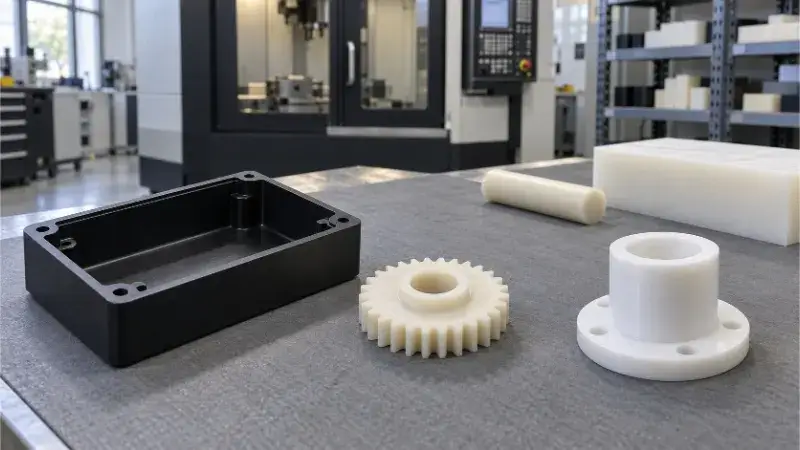
بالنسبة للأجزاء المتحركة والتروس والآليات المنزلقة، يُعد كل من مادة POM (المعروفة غالبًا بالاسم التجاري «ديلرين») والنايلون من اللدائن الهندسية القياسية. تتميز مادة POM بانخفاض الاحتكاك وارتفاع الصلابة واستقرار أبعاد ممتاز، وذلك لأنها تمتص كمية ضئيلة جدًّا من الرطوبة. وغالبًا ما يتم تصنيعها آليًّا لإنتاج البطانات الدقيقة والكتل الهيكلية.
يُختار النايلون عادةً لمقاومته الاستثنائية للتآكل وعمره التشغيلي الطويل. ومع ذلك، فإن النايلون القياسي يمتص الرطوبة من الهواء، مما قد يؤدي إلى تغير طفيف في أبعاده وصلابته بمرور الوقت في البيئات الرطبة. ويعتمد الاختيار بين الخيارين على متطلبات الاحتكاك المحددة، والحمل، وبيئة التشغيل الخاصة بمجموعتك.
نظرة عامة على البلاستيك التكميلي المستخدم في صناعة النماذج الأولية
| فئة المواد | التطبيقات النموذجية | الاعتبارات الرئيسية |
|---|---|---|
| راتنجات SLA/DLP | نماذج تصورية عالية الدقة، وقنوات سوائل معقدة. | تشطيب سطحي ممتاز. قد تكون الراتنجات القياسية هشة؛ أما الراتنجات المتينة أو المقاومة للحرارة العالية فتتطلب تكاليف أعلى. |
| TPU / المطاط الصناعي | مقابض مصبوبة بطبقة خارجية، وموانع تسرب، وحشيات، ومخمدات اهتزاز. | يجب تحديد صلابة شور (مقياس الصلابة). يتصرف مادة TPU المطبوعة ثلاثي الأبعاد بشكل مختلف عن السيليكون المصبوب عند التعرض للضغط. |
| PEEK / PEI (أولتم) | مكونات الطيران والفضاء، والأجهزة الطبية القابلة للتعقيم. | مقاومة فائقة للحرارة والمواد الكيميائية. معيار التكلفة: عادةً ما تكون تكاليف المواد والتصنيع أعلى بـ5 إلى 10 أضعاف مقارنةً بمادة POM، مما يجعل استخدامها مقصوراً حصريًّا على التطبيقات الحيوية. |
اختيار المعادن المستخدمة في التصنيع باستخدام الحاسب الآلي (CNC) ونماذج الصفائح المعدنية
وعندما لا يكون البلاستيك كافياً لإجراء الاختبارات الوظيفية، توفر المعادن السلامة الهيكلية ومقاومة التآكل والتوصيل الحراري. ومع ذلك، فإن اختيار المعدن المناسب لنموذج أولي يتطلب الموازنة بين المتطلبات الوظيفية من جهة، وقابلية المعالجة الآلية وتوافر المخزون من المواد الخام وتكاليف الأدوات من جهة أخرى.

الألومنيوم 6061 مقابل 7075 في الهياكل المُشكَّلة آليًّا
بالنسبة للمكونات الهيكلية المُشكَّلة آليًّا، والتركيبات، والأجزاء الحاملة، يُعدُّ الألومنيوم 6061 و7075 المعيارين المتبعين في الصناعة.
يُعد الألومنيوم 6061 (عادةً ما يكون من النوع T6 أو T651) المعيار الأساسي لمعظم النماذج الأولية. فهو يتميز بقابلية ممتازة للتشغيل الآلي، ويستغرق أنودة حسنًا، كما أنه من السهل لحام. وهو عمومًا الخيار الأكثر فعالية من حيث التكلفة للأجزاء التي تتطلب قوة هيكلية قياسية.
يوفر الألومنيوم 7075 مقاومة انزلاق أعلى بكثير، لكن القوة الأعلى لا تجعله تلقائيًّا “أفضل” بالنسبة للنموذج الأولي. لا يُنصح عمومًا باستخدام 7075 في عمليات اللحام، كما أن صلابته الأعلى تزيد من وقت المعالجة الآلية وتآكل الأدوات مقارنةً بـ 6061. لا تحدد استخدام 7075 إلا عندما يتعين على النموذج الأولي أن يتحمل إجهادًا ميكانيكيًا شديدًا، كما هو الحال في الدعامات المستخدمة في صناعة الطيران أو مفاصل الروبوتات التي تتحمل أحمالًا كبيرة.
الفولاذ الكربوني مقابل الفولاذ المقاوم للصدأ في الهياكل الإنشائية
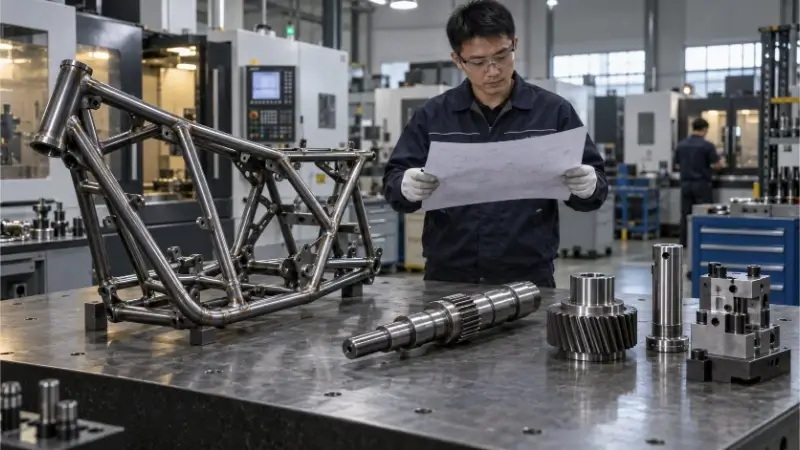
بالنسبة إلى الدعامات المخصصة للأحمال الثقيلة، وهياكل المعدات، والإطارات الهيكلية، فإن الاختيار ينحصر عادةً بين الفولاذ الكربوني والفولاذ المقاوم للصدأ.
يتميز الفولاذ الكربوني (مثل 1018 أو A36) بكونه فعالاً من حيث التكلفة، وسهل اللحام، ويمكن تصنيعه بشكل موثوق. ومع ذلك، فإنه يتطلب معالجة سطحية ثانوية — مثل مسحوق الطلاء أو تصفيح—لمنع الصدأ. قد لا يستغرق تصنيع أو ثني دعامة بسيطة من الفولاذ الكربوني سوى يوم واحد، لكن طلاءها بالمسحوق يضيف من يومين إلى ثلاثة أيام إلى مدة التسليم.
يغني الفولاذ المقاوم للصدأ عن الحاجة إلى الطلاءات المضادة للصدأ، لكنه أصعب بكثير في المعالجة. تتطلب المعالجة الآلية للفولاذ المقاوم للصدأ معدلات تغذية أبطأ، كما أنها تؤدي إلى تآكل أسرع للأدوات. كقاعدة عامة، قد تستغرق معالجة الفولاذ المقاوم للصدأ من النوع 316 وقتًا على الآلة يزيد بمقدار ضعفين إلى ثلاثة أضعاف مقارنةً بالألمنيوم من النوع 6061.
عند تحديد نوع الفولاذ المقاوم للصدأ، تجنب استخدام المصطلح العام “مقاوم للصدأ”:
- الاستخدام 304: للبيئات الداخلية العامة، أو التعرض العادي للرطوبة، أو المعدات الأساسية المخصصة للاستخدام الغذائي.
- الاستخدام 316: في حالة التعرض للمياه المالحة، أو الكلوريدات، أو دورات التعقيم الطبية، أو المواد الكيميائية الصناعية (بسبب إضافة الموليبدينوم).
مواصفات الصفائح المعدنية: SPCC، SGCC، والألومنيوم 5052
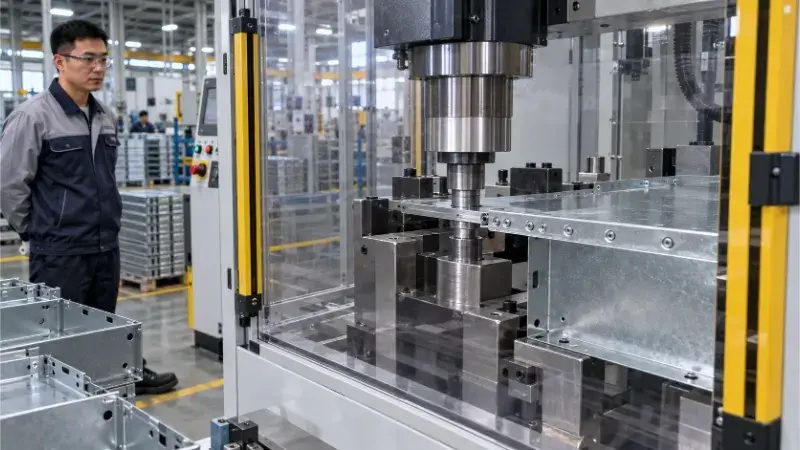
تصنيع النماذج الأولية من الصفائح المعدنية يتطلب مجموعة مختلفة من الاعتبارات مقارنة بـ التصنيع باستخدام الحاسب الآلي. يجب أن تستجيب المادة بشكل يمكن التنبؤ به لـ الانحناء, القطع بالليزر, ، واللحام، وتركيب قطع التثبيت مثل صواميل PEM.
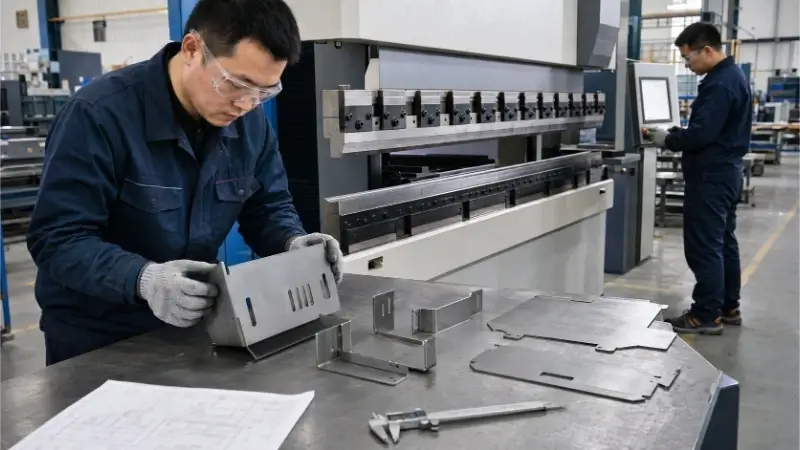
- صفائح الألومنيوم (5052 مقابل 6061): بالنسبة للأجزاء المعدنية المثنية، يُعد الألومنيوم 5052 هو المعيار المتبع. فهو يتمتع بخصائص تشكيل ممتازة ويمكن ثنيه دون حدوث تشققات. وفي حين أن الألومنيوم 6061 يُعد خيارًا ممتازًا للتصنيع باستخدام الحاسب الآلي (CNC)، فإن صفائح 6061-T6 غالبًا ما تتشقق على طول خط الانحناء عند استخدام مكبس الثني، ما لم يتم تشكيلها بنصف قطر انحناء كبير للغاية.
- الفولاذ المدلفن على البارد (SPCC): وفقًا لمعيار JIS، يُعد SPCC فولاذًا مدلفنًا على البارد ذي جودة تجارية قياسية. وهو مثالي للاستخدام في العلب الإلكترونية الداخلية، حيث يمكن ثنيه بدقة ولحامه بسهولة. ومع ذلك، يجب طلاؤه أو طلاءه بطبقة معدنية على الفور لمنع الأكسدة.
- الفولاذ المجلفن (SGCC): يضيف SGCC طبقة من الزنك لتوفير مقاومة مدمجة للتآكل، مما يوفر خطوة الطلاء اللاحقة. ومع ذلك، يتطلب لحام الفولاذ المجلفن تهوية مناسبة بسبب أبخرة الزنك، وعادةً ما يتطلب عملاً إضافياً لتنظيف رذاذ اللحام.
ملاحظة من قسم الإنتاج: احرص دائمًا على التحقق من سماكة الصفائح المعدنية المتوفرة في المخزون المحلي للمورد. فالتحديد سمك غير قياسي (مثل 1.8 مم بدلاً من 1.5 مم أو 2.0 مم القياسيين) قد يؤدي إلى تأخيرات كبيرة وزيادة الحد الأدنى لكميات الطلب (MOQs) لما يُفترض أن يكون نموذجًا أوليًا سريعًا.
دليل سريع لاختيار المعادن
| المادة / الدرجة | أجزاء النموذج الأولي النموذجية | التركيز على التصنيع | القيود التي يجب التحقق منها |
|---|---|---|---|
| الألومنيوم 6061 | الأغلفة، التركيبات، الهياكل | قابلية عالية للتشغيل الآلي، ولحام قياسي. | صلابة السطح أقل من صلابة الفولاذ. |
| الألومنيوم 5052 | حاويات الصفائح المعدنية | قدرة ممتازة على الانحناء دون حدوث تشققات. | لا تُستخدم عادةً في عمليات الطحن الثقيلة باستخدام الحاسب الآلي (CNC). |
| الفولاذ SPCC | حاملات وألواح داخلية | قابلية تشكيل جيدة، تتطلب الطلاء أو الطلاء المعدني. | يتعرض للصدأ بسرعة إذا لم يتم معالجته. |
| الفولاذ المقاوم للصدأ 304/316 | الأجهزة الطبية، قطع غيار المركبات البحرية | لا حاجة إلى طلاء. | ارتفاع تكاليف التصنيع وتآكل الأدوات (بمعدل 2 إلى 3 أضعاف مقارنةً بالألومنيوم). |
| النحاس (C110) (تكميلي) |
قضبان التوصيل، ومبددات الحرارة | موصلية حرارية/كهربائية ممتازة. | مادة لينة ولزجة عند التشغيل الآلي؛ تتطلب أدوات حادة. |
| التيتانيوم (Ti-6Al-4V) (تكميلي) |
الفضاء، غرسات العظام | نسبة عالية بين القوة والوزن. | عملية تصنيع بطيئة للغاية؛ تكلفة المواد مرتفعة. |
متى يتم استخدام المواد النهائية للإنتاج
من الأسئلة الشائعة أثناء مرحلة التطوير ما إذا كان النموذج الأولي يجب أن يكون مصنوعًا من نفس المادة وبنفس العملية المستخدمة في قطعة الإنتاج الضخم. والجواب يعتمد كليًّا على ما تريد التحقق من صحته. فالافتراض بأن النموذج الأولي سيقدم أداءً مطابقًا لأداء قطعة الإنتاج لمجرد أنهما يشتركان في اسم المادة نفسه هو سبب شائع لفشل الاختبارات.
استبدال المواد في الاختبارات المبكرة
يُعد استخدام مواد بديلة في النماذج الأولية ممارسة معتادة لتوفير الوقت وخفض التكاليف. فعلى سبيل المثال، يمكن أن تساعد التروس المصنوعة من مادة POM (ديلرين) والمُشكَّلة باستخدام آلات التحكم الرقمي (CNC) في التحقق بشكل فعال من الحجم والملاءمة وآلية الدوران الأساسية لقطعة سيتم تصنيعها في النهاية بالقولبة بالحقن من مادة النايلون.
ومع ذلك، يجب أن تكون على دراية تامة بما يعنيه هذا الاستبدال لا يمكن التحقق من الصحة. لن يوضح لك النموذج الأولي المصنوع من مادة POM كيف سيتقلص الجزء الإنتاجي المصنوع من النايلون داخل القالب، كما أنه لن يعكس بدقة العمر الافتراضي للنايلون من حيث مقاومة الإجهاد على المدى الطويل أو معدل امتصاص الرطوبة. قم بتقييم البدائل بناءً على الغرض الحالي من الاختبار، واترك اختبارات التدهور الخاصة بالمواد لمراحل لاحقة.
التباينات في الدرجة والحالة
حتى عندما يشترك النموذج الأولي ومواد الإنتاج في الاسم الأساسي نفسه، يجب عليك التحقق من الدرجة المحددة، ودرجة الصلابة، وشكل المادة الخام.
على سبيل المثال، يتميز النموذج الأولي المصنوع من الألومنيوم، والذي تم تشكيله آليًّا من كتلة صلبة مبثوقة من نوع 6061-T6، ببنية حبيبية متصلة ويمكن التنبؤ بها. أما إذا كان الجزء النهائي المخصص للإنتاج سيُصنع عن طريق الصب بالقالب تحت ضغط عالٍ باستخدام الألومنيوم A380، فإن الخصائص الميكانيكية — ولا سيما المسامية وقوة الخضوع — ستنخفض. قد يجتاز النموذج الأولي المُشكَّل آليًّا اختبارًا ميكانيكيًّا عالي الإجهاد، في حين أن قطعة الإنتاج المصبوبة بالقالب ستفشل لاحقًا في هذا الاختبار.
الاختلافات في العمليات والتشطيب (مخاطر الأدوات)
تؤدي طريقة التصنيع بطبيعتها إلى تغيير الخصائص الفيزيائية للمادة. فالهيكل المصنوع باستخدام آلات التحكم الرقمي (CNC) والمقطوع من كتلة صلبة من مادة ABS لا يحتوي على الضغوط الداخلية الناتجة عن القولبة، أو خطوط التماس، أو زوايا الانحدار الموجودة في الهيكل المصنوع من مادة ABS عن طريق القولبة بالحقن.
إن الموافقة على إنتاج قالب حقن من طراز $20,000 لمجرد أن نموذجًا أوليًا مصنوعًا من مادة ABS باستخدام آلات CNC قد اجتاز اختبار السقوط يمثل مخاطرة مالية هائلة. إذا كانت الاختبارات التي تجريها تتعلق بإحكام السوائل، أو مقاومة الصدمات، أو ضغط الانفجار، فيجب أخذ هذه الاختلافات الهيكلية المرتبطة بالعمليات في الاعتبار.
النموذج الأولي مقابل الإنتاج: حدود التحقق من الصحة
| الاختلاف عن القطعة المخصصة للإنتاج | ما الذي يمكن التحقق من صحته الآن | ما الذي يحتاج إلى التحقق لاحقًا |
|---|---|---|
| مادة ABS المُشكَّلة آليًّا مقابل مادة ABS المصبُوبة | الأبعاد الكلية، التجميع الأساسي، المظهر العام. | انكماش القالب، وقوة خط اللحام، ومقاومة الصدمات الفعلية. |
| المادة 6061 المصنعة آليًّا مقابل المادة A380 المصبوبة بالقالب | الهندسة الوظيفية، قدرة التحمل الثابتة، التوافق. | حدود المسامية، وعمر التعب على المدى الطويل، وزوايا انحدار القوالب. |
| الطباعة ثلاثية الأبعاد بتقنية SLA مقابل المعدن المُشكَّل آليًّا | علم بيئة العمل، المساحة المتاحة للمكونات الداخلية (تركيب لوحات الدوائر المطبوعة). | تبديد الحرارة، الحماية من التداخل الكهرومغناطيسي، الصلابة الهيكلية. |
لا يهدف إنشاء النماذج الأولية إلى إجبار العينات المبكرة على محاكاة الإنتاج الضخم بشكل مثالي. بل الهدف هو فهم حدود طريقة تصنيع النموذج الأولي حتى لا تضع افتراضات مكلفة بشأن أداء المنتج النهائي.
ما العوامل التي تؤثر على تكلفة النموذج الأولي ومدة إنجازه؟
عند مقارنة خيارات تصنيع النماذج الأولية، فإن الاكتفاء بالنظر إلى تكلفة المادة الخام لكل كيلوغرام سيؤدي إلى تقديرات غير دقيقة للميزانية. فالسعر النهائي ومدة إنجاز النموذج الأولي يتحددان بناءً على مجموعة من العوامل تشمل كفاءة استخدام المواد، وإعداد الآلات، ومتطلبات المعالجة اللاحقة.
مخزون المواد والإنتاجية
تعتمد تكلفة المواد الخام بشكل كبير على الأحجام القياسية للمخزون ومعدلات العائد. إذا كان ارتفاع النموذج الأولي الخاص بك 55 ملم، فيجب على فني التصنيع أن يبدأ بكتلة قياسية مقاس 60 ملم ويقوم بقطع الجزء الزائد. وإذا صممت قطعة تتطلب قطعة مقذوفة غير قياسية بطول 115 مم، فقد يضطر المورد إلى طلب طول قياسي كامل (مثل 3 أمتار)، مما سيكلفك ثمن المواد غير المستخدمة أو يفرض عليك حدًا أدنى مرتفعًا لكمية الطلب (MOQ) لما ينبغي أن يكون مجرد قطعة اختبار واحدة.
ملاحظة من قسم الإنتاج: يُعد تصميم النماذج الأولية الخاصة بك بحيث تتوافق مع المواصفات القياسية المتوفرة (سمك الألواح، أو أقطار القضبان، أو وحدات القياس للكتل) أسهل طريقة لخفض تكاليف المواد الخام وتجنب الانتظار لمدة أسبوع حتى وصول المواد المصنعة حسب الطلب.
تكاليف المعالجة والتشطيب
بالنسبة لدفعة نموذجية تتراوح بين قطعة واحدة و5 قطع، عادةً ما تشكل المواد الخام جزءًا بسيطًا من التكلفة الإجمالية. فمعظم ما تدفعه هو مقابل وقت العمل الهندسي وإعداد الآلات.
- برمجة وإعداد كاميرا CAM: تتطلب آلة الطحن التي تعمل بتقنية التحكم الرقمي (CNC) مهندسًا لكتابة مسارات الأدوات، ومشغل آلة لتجهيز الكتلة الخام، وضبط الأدوات، وتثبيت أجهزة تثبيت قطعة العمل. وتُعد “تكلفة الإعداد” هذه ثابتة. فسواء طلبت قطعة واحدة أو 50 قطعة، فإن وقت الإعداد يظل تقريبًا كما هو.
- مدة التصنيع: تتطلب المواد الأكثر صلابة (مثل الفولاذ المقاوم للصدأ 316 أو التيتانيوم) سرعات قطع أبطأ، مما يزيد من تكلفة التشغيل بالساعة ويؤدي إلى استهلاك أدوات قطع باهظة الثمن.
- التشطيب: تؤدي العمليات الثانوية، مثل الطلاء الأنودي والطلاء بالمسحوق أو التلميع اليدوي، إلى زيادة تكاليف الموردين الخارجيين، وعادةً ما تضيف من يومين إلى ثلاثة أيام إلى المدة الإجمالية لتنفيذ الطلب.
الكمية والتعديلات
تخضع النماذج الأولية لعملية مراجعة. فإذا طلبت قطعة واحدة، واختبرتها، ثم قمت بتغيير قطر إحدى الثقوب في ملف CAD الخاص بك، وطلبت القطعة مرة أخرى، فسيتعين على المورد إعادة برمجة CAM وإعداد الماكينة من الصفر. وعند مقارنة عروض الأسعار، ضع في اعتبارك ما إذا كان تصميمك نهائيًا أم أنك تتوقع إجراء عدة عمليات تصنيع متكررة.
دراسة حالة حول خفض التكاليف: حامل المستشعر
(مثال يوضح كيف يؤثر تحسين مسار التصنيع على التكاليف الإجمالية)
- الطلب الأصلي: حامل تثبيت خارجي لمستشعر تجاري.
- المتطلب الأصلي: تم تصنيعها بالطحن باستخدام تقنية التحكم الرقمي (CNC) من كتلة صلبة من الألومنيوم 6061، ثم خضعت لعملية أنودة صلبة لضمان مقاومتها للعوامل الجوية.
- المؤشرات التي يجب رصدها: يجب أن تكون مواقع فتحات التثبيت دقيقة بدرجة ±0.1 مم، ويجب أن يتحمل القطعة الرطوبة الخارجية دون أن يتعرض للصدأ.
- حل DFM: بدلاً من إجراء عملية طحن لكتلة صلبة من الألومنيوم من النوع 80%، كشف تحليل DFM استباقي أن القطع بالليزر وثني لوح من الفولاذ المجلفن SPCC بسماكة 2.0 مم يمكن أن يحافظ على جميع المقاييس الوظيفية مع التخلص من عملية الطحن المكثفة.
- النتيجة الفعلية: وقدرت تكلفة عملية الطحن باستخدام الحاسب الآلي (CNC) بمبلغ 120 لكل قطعة مع مهلة إنتاج مدتها 6 أيام. أما طريقة تصنيع الصفائح المعدنية فقد خفضت التكلفة إلى 35 لكل قطعة مع مهلة إنتاج مدتها 3 أيام (بما في ذلك الطلاء بالمسحوق المخصص للاستخدام الخارجي).
ما الذي يجب تحديده قبل طلب النموذج الأولي؟
إن اختيار المواد المناسبة داخليًّا لا يمثل سوى نصف العملية. فترجمة تلك القرارات إلى تعليمات واضحة لشريكك في التصنيع تمنع حدوث سوء فهم مكلف.

مواصفات المواد
اذكر درجة جودة المادة، ودرجة الصلابة، والسماكة بوضوح في رسوماتك ثنائية الأبعاد وطلب عرض الأسعار (RFQ). إذا كنت تعرف بالضبط ما تحتاج إليه، فحدد ذلك (على سبيل المثال، “الألومنيوم 5052-H32، 2.0 مم”). إذا كنت منفتحًا على الاقتراحات بناءً على المخزون الحالي للورشة، فقم بالإشارة إلى ذلك صراحةً (على سبيل المثال، “يفضل الألومنيوم 6061-T6، لكن الألومنيوم البديل من سلسلة 6000 مقبول لتسليم أسرع”).
البدائل المعتمدة
من الشائع حدوث تأخيرات في سلسلة التوريد. فقد ينفد مخزون المورد الخاص بك من درجة معينة من المنتج. لذا، يجب أن تذكر بوضوح في طلب عرض الأسعار (RFQ) ما إذا كان يُسمح بالبدائل، وما هي بيانات الأداء المطلوبة للموافقة، ومن هو المسؤول عن الموافقة عليها. فهذا يوفر سجلاً موثقاً بدلاً من الاعتماد على مكالمة هاتفية سريعة قد تُنسى قبل بدء الإنتاج.
شروط القبول
أخبر المورد بالغرض الفعلي من النموذج الأولي. فإذا كان نموذجًا داخليًّا لفحص الملاءمة، فسيعلم المورد أنه لا داعي لقضاء ساعات إضافية في صقل علامات الأدوات الطفيفة. أما إذا كان نموذجًا عرضيًّا لمعرض تجاري، فإن اللمسة النهائية الجمالية هي الأولوية. يضمن تحديد معايير القبول ألا تدفع مقابل الدقة أو التشطيبات التي لا تخدم الغرض من الاختبار.
ملاحظة من قسم الإنتاج: تجنب “التفاوتات العامة”. إن تطبيق تفاوت صارم يبلغ ±0.01 مم على الرسم بأكمله سيؤدي إلى ارتفاع هائل في تكاليف التصنيع. لا تطبق التفاوتات الضيقة إلا على الأسطح المتلامسة الحرجة، واترك المناطق غير الحرجة وفقًا للمعيار ISO 2768-m.
قائمة مراجعة طلب عرض الأسعار للنموذج الأولي
انسخ هذه القائمة المرجعية والصقها في طلب عرض الأسعار التالي لضمان حصول المورد على كل ما يحتاجه لتقديم عرض أسعار دقيق:
- ملفات CAD: نموذج ثلاثي الأبعاد (.STEP/.IGES) ورسم ثنائي الأبعاد (.PDF) مع إبراز التفاوتات الحرجة.
- الكمية والغرض: عدد الأجزاء المطلوبة ووصف موجز في جملة واحدة لغرض الاختبار.
- مواصفات المواد: الدرجة المحددة، والحالة/الصلابة، والسماكة (على سبيل المثال، SUS304، 1.5 مم).
- التصنيع والتشطيب: العمليات المطلوبة، وخشونة السطح (Ra)، والمعالجات اللاحقة (مثل: الطلاء الأنودي الشفاف).
- المواد البديلة: “التبديلات [مسموح بها / غير مسموح بها]. إذا كانت مسموحة، فيجب الحصول على موافقة خطية.”
- معايير القبول الحاسمة: اذكر البعد أو البعدين اللذين لا يمكن أن يكونا معيبين، أو المتطلبات التجميلية المحددة.
- المدة الزمنية المطلوبة: التاريخ الذي يجب أن تكون فيه القطع في منشأتكم.
أسئلة مكررة
هل يمكن أن يجمع نموذج أولي واحد بين مواد مختلفة؟
نعم. يمكنك دمج المواد باستخدام أدوات تثبيت ميكانيكية، أو إدخالات ملولبة، أو تقنيات الطباعة ثلاثية الأبعاد المتقدمة (مثل تقنية PolyJet، التي تطبع المواد الصلبة والمواد الشبيهة بالمطاط في آن واحد). ومع ذلك، بالنسبة للتصنيع باستخدام الحاسب الآلي (CNC) أو القولبة بالحقن، فإن القولبة المزدوجة لمادتين تكون عادةً مكلفة للغاية بالنسبة لنموذج أولي واحد، ومن الأفضل محاكاتها باستخدام أجزاء مجمعة.
متى يجب عليّ طلب شهادة المواد؟
اطلب تقرير اختبار المواد (MTR) عند اختبار الحدود الهيكلية، أو التحقق من السبائك القابلة للمعالجة الحرارية (مثل 7075-T6)، أو العمل في قطاعات خاضعة للوائح التنظيمية مثل القطاع الطبي وقطاع الفضاء. أما بالنسبة للنماذج البصرية الأساسية أو عمليات فحص الملاءمة الأولية، فإن الحصول على شهادة يضيف تكاليف إدارية ووقتًا غير ضروريين.
كيف يمكنني مقارنة عروض الأسعار لخيارات المواد المختلفة؟
لا تكتفِ بالنظر إلى الرقم النهائي. اطلب من المورد تقديم عرض أسعار مفصل يفصل بين رسوم إعداد/برمجة الماكينة (التي تُدفع مرة واحدة) وتكاليف المواد ووقت التشغيل لكل قطعة. فهذا يوضح لك بالضبط مدى تأثير استخدام مادة أكثر صلابة أو عملية أكثر تعقيدًا في رفع السعر.
هل أنت مستعد للتحقق من صحة تصميمك؟
إن اختيار المادة المناسبة وطريقة التصنيع الصحيحة في مرحلة مبكرة يمنع إهدار الميزانيات وظهور نتائج اختبارات خاطئة.
قم بتحميل ملفات CAD اليوم. أخبرنا عن الغرض المقصود من النموذج الأولي الخاص بك، وظروف التشغيل، والكمية المطلوبة. سيقوم مهندسو تصميم التصنيع (DFM) لدينا في شركة شينغن بتحليل نموذجك، والتحقق من توفر المواد، وتقديم توصية بأفضل مسار تصنيع من حيث التكلفة في غضون 24 ساعة.
مهلا، أنا كيفن لي

على مدى السنوات العشر الماضية، كنت منغمسًا في أشكال مختلفة من تصنيع الصفائح المعدنية، وشاركت رؤى رائعة هنا من تجاربي عبر ورش العمل المتنوعة.
ابقى على تواصل
كيفن لي
لدي أكثر من عشر سنوات من الخبرة المهنية في تصنيع الصفائح المعدنية، وتخصصت في القطع بالليزر، والثني، واللحام، وتقنيات معالجة الأسطح. كمدير فني في شنغن، أنا ملتزم بحل تحديات التصنيع المعقدة ودفع الابتكار والجودة في كل مشروع.
الموارد ذات الصلة