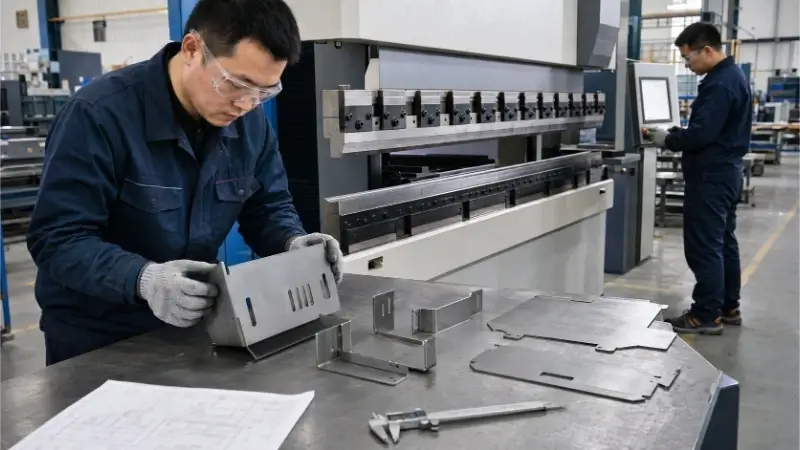
Разработка водонепроницаемого корпуса — это нечто большее, чем просто добавление резиновой прокладки в CAD-модель. Когда конструкция переходит от этапа прототипирования к серийному производству, даже небольшие отклонения при гибке листового металла или ЧПУ-обработке могут легко нарушить герметичность.
Надежность корпуса зависит от четко определённой цели, стабильной линии уплотнения, достаточной жесткости рамы и контролируемого процесса изготовления. В данном руководстве описывается, как инженерные и закупочные подразделения могут подходить к проектированию корпусов, чтобы обеспечить удобство их изготовления, простоту контроля качества и стабильность работы в реальных условиях эксплуатации.

Сначала определите требования к водонепроницаемости
“Термин ”водонепроницаемый» в производственном чертеже является неоднозначным. Без уточнения условий эксплуатации, уровня испытаний и рисков выхода из строя проекты подвергаются риску либо чрезмерного усложнения конструкции (что приводит к увеличению производственных затрат), либо недостаточного учета эксплуатационных требований (что приводит к отказам в эксплуатации).
Класс защиты по IP
Классы защиты по стандарту IP (Ingress Protection) определяют точный уровень герметичности, требуемый для конкретного устройства. Например, класс IP65 означает защиту от струй воды под низким давлением, а класс IP67 — защиту от кратковременного погружения в воду.
Распространенной ошибкой инженеров является предположение, что более высокий класс защиты охватывает все более низкие. Прохождение испытания на погружение по стандарту IP67 не означает автоматически, что корпус выдержит воздействие струй воды под высоким давлением при испытании по стандарту IP66. Указанный класс защиты должен соответствовать фактическому давлению воды, направлению струи и времени воздействия, которым будет подвергаться изделие.
Рейтинг NEMA
Классификация NEMA является стандартом для промышленных электрических корпусов в Северной Америке. Классификации IP и NEMA не являются прямыми эквивалентами.
Стандарты NEMA часто включают дополнительные факторы окружающей среды, такие как коррозионная стойкость и образование льда. Если в техническом задании проекта указаны как IP, так и NEMA, перед началом подбора материалов и проектирования конструкции необходимо уточнить точные условия эксплуатации.
Условия эксплуатации
Место установки корпуса определяет требования к его конструкции и материалам. Каждая среда эксплуатации влияет на выбор листового металла, крепежа, покрытия поверхности и протоколов испытаний на сборочной линии. К основным категориям относятся:
- Использование в помещении: Предназначен для защиты от пыли и случайных брызг.
- Использование на открытом воздухе: Требуется устойчивость к ультрафиолетовому излучению и контроль колебаний температуры.
- Условия эксплуатации с промывкой: Требует устойчивости к высокому давлению и химическим чистящим средствам.
- Кратковременное погружение: Требует строгого контроля давления и конструктивной жесткости.
Пути поступления воды
Вода редко проникает через основные плоские панели металлического корпуса; она попадает внутрь через переходные элементы. В ходе экспертизы проекта необходимо особо проверить:
- Зазоры между дверями и петли: В местах, где часто возникают деформации конструкции.
- Отверстия для крепежа: Как монтажные отверстия, так и винты для крепления корпуса.
- Кабельные вводы и кабельные втулки: Самое слабое звено во многих системах с классом защиты IP68.
- Сварные швы: Особенно внутренние углы, где сложно выполнить сплошную сварку.
Давление и конденсация
Колебания температуры приводят к изменениям внутреннего давления воздуха. Когда наружный корпус охлаждается, внутреннее давление падает, создавая вакуумный эффект, который может физически втягивать внешнюю влагу внутрь, проникая мимо уплотнителей.
Это одна из частых причин выхода из строя корпусов, которые проходят краткосрочные заводские испытания, но выходят из строя в условиях эксплуатации. Стандартные инженерные решения включают установку водонепроницаемых вентиляционных отверстий, обеспечивающих воздухопроницаемость (таких как мембраны из ePTFE), для выравнивания давления, либо нанесение конформного покрытия для защиты внутренней электроники.
Сначала спроектируйте контур уплотнения, а затем — внешний контур
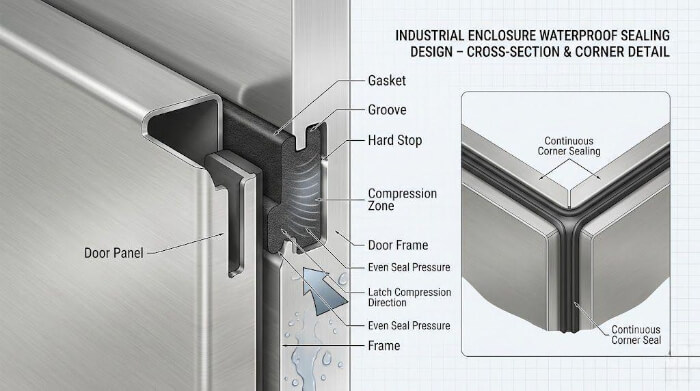
Геометрия корпуса должна обеспечивать надежную работу уплотнительного механизма. Распространенной ошибкой при производстве является то, что сначала определяются внешние размеры, а прокладка подбирается уже позже. Функциональный водонепроницаемый корпус гарантирует равномерное и стабильное сжатие прокладки по всей её длине.
Дверная коробка
Дверная коробка служит опорной поверхностью для прокладки. Для корпуса из листового металла, при этом для обеспечения надежного уплотнения обычно используются загнутые края, обратные фланцы или канальные конструкции.
Жесткая и плоская рама обеспечивает равномерное уплотнительное давление. Это значительно упрощает контроль отклонений при сборке в условиях серийного производства, поскольку прокладка прижимается к поверхности с предсказуемыми характеристиками.
Паз для прокладки
Паз для прокладки ограничивает боковое смещение уплотнителя. Если паз слишком мелкий, прокладка может сместиться под давлением. Если же он слишком глубокий, прокладка не будет достаточно сжата.
Ширина и глубина паза, а также поперечное сечение прокладки должны рассчитываться комплексно. Например, если у паза, обработанного на станке с ЧПУ, допуск по глубине может составлять ±0,05 мм, то у паза, сформированного на листовом металле, отклонение может варьироваться от ±0,2 мм до ±0,5 мм. Выбранная прокладка должна обладать достаточной сжимаемостью, чтобы компенсировать эти конкретные производственные отклонения без потери герметичности.
Управление сжатием
Степень сжатия прокладки должна строго соблюдаться. Недостаточное сжатие приводит к немедленным утечкам, тогда как чрезмерное сжатие нарушает целостность материала, что вызывает остаточную деформацию (постоянное изменение формы, при котором прокладка теряет способность к восстановлению).
Хотя точные цифры зависят от поставщика, инженеры, как правило, стремятся к Сжатие с 10% до 25% для твердых эластомерных уплотнительных колец (например, силикон или EPDM), и от 30% до 50% для прокладок на основе пеноматериала. Чрезмерное сжатие цельной прокладки сверх значения 30% практически гарантирует её выход из строя со временем.
Жесткие ограничители
Установка механического упора ограничивает максимальное усилие сжатия, действующее на прокладку. Эта конструктивная особенность предотвращает чрезмерную затяжку крепежных элементов монтажниками и деформацию прокладки.
В корпусах, изготовленных методом механической обработки, жестким упором часто служит физическая ступенька, выфрезерованная в алюминиевом профиле. В корпусах из листового металла ту же функцию для правильной установки прокладки могут выполнять металлические прокладки точных размеров, распорки или специально сконструированные гнутые фланцы.
Герметизация углов
Углы корпуса представляют собой зоны повышенного риска проникновения воды. При изготовлении листового металла такие процессы, как гибка, сварка, шлифование и порошковое покрытие, приводят к отклонениям в размерах в углах.
Траекта уплотнения должна оставаться непрерывной. Резкие повороты под углом 90 градусов могут привести к сминанию прокладок с внутренней стороны или их чрезмерному растяжению с внешней стороны. Радиусы поворотов должны рассчитываться с учетом минимального радиуса изгиба выбранного уплотнительного материала.
Обеспечьте достаточную жесткость двери и коробки
Негерметичность редко бывает вызвана недостатками самого материала прокладки. Во многих случаях утечки возникают из-за того, что металлическая дверца или рама прогибаются под давлением.
Толщина панели
Использование слишком тонкого листового металла приводит к тому, что дверь сдавливает прокладку вблизи защелок, при этом в центре остаются микроскопические зазоры.
Толщина материала должна соответствовать общим размерам двери, количеству точек защелкивания и усилию отпора прокладки. Увеличение толщины большой панели с 1,2 мм до 1,5 мм (или с 18 GA до 16 GA) зачастую является более экономически выгодным решением, чем добавление нескольких сложных точек запирания для устранения проблемы прогиба.
Обратные фланцы
Плоский кусок листового металла обладает очень низкой прочностью на изгиб. Добавление обратного фланца (изгиб края под углом 90 градусов) по периметру значительно повышает жесткость панели.
В случае больших дверей двойная огибка (подгиб или канальный изгиб) придает краю ещё большую устойчивость. Это гарантирует, что металл, расположенный непосредственно над прокладкой, остаётся ровным и противостоит силе отпора сжимаемой резины.
Ребра жесткости
В случае дверей корпусов исключительно больших размеров увеличение общей толщины материала может привести к чрезмерному увеличению веса и стоимости. В таких случаях обычно используются внутренние ребра жесткости.
Сварка либо же закрепление поперечных швеллеров или U-образных профилей по внутренней стороне двери позволяет уменьшить изгиб. Усиливающие элементы заставляют всю дверь действовать как единая жесткая конструкция, обеспечивая равномерное сжатие прокладки по всему периметру.
Расстояние между защелками и искривление
Если расстояние между винтами или защелками слишком велико, фланец начинает прогибаться (это явление иногда называют «эффектом волнистости»). В результате вдоль прокладки возникают локальные зоны пониженного давления.
На сборочной линии это часто проверяют с помощью щупа: если щуп толщиной 0,1 мм проскальзывает между спрессованной прокладкой и рамой на середине расстояния между двумя защелками, это означает, что дверь не обладает достаточной жесткостью. Расстояние между защелками необходимо рассчитывать с учётом толщины панели, предела текучести материала и твёрдости прокладки по шкале Шора. Более твёрдые прокладки требуют меньшего расстояния между защелками.
Жесткость рамы
Жесткая дверца бесполезна, если каркас шкафа, к которому она крепится, деформируется под нагрузкой.
Если корпус шкафа деформируется при зажатии дверцы или при креплении шкафа болтами к неровной стене, геометрическое выравнивание линии уплотнения нарушается. Рама дверцы должна быть сконструирована с достаточной прочностью, чтобы сохранять свою форму независимо от того, как защелкиваются замки.
Подбирайте материалы и отделочные покрытия с учетом окружающей среды
Водонепроницаемый корпус должен не только предотвращать попадание воды. Он должен выдерживать воздействия рабочей среды, к которым часто относятся ультрафиолетовое излучение, экстремальные температуры, промышленные чистящие средства и длительное старение.
Материал листового металла
Не существует какого-то одного “лучшего” материала; выбор полностью зависит от стоимости, веса, конструктивных требований и риска коррозии.
- Углеродистая сталь (SPCC/CRS): Очень экономичен при производстве больших партий, но для защиты от ржавчины полностью зависит от своего поверхностного покрытия.
- Оцинкованная сталь (SGCC/SECC): Обеспечивает базовую защиту от ржавчины под слоем краски, однако обрезанные кромки и сварные швы остаются уязвимыми.
- Алюминий (например, 5052/6061): Этот материал отличается легкостью, прекрасно подходит для обработки на станках с ЧПУ и обладает естественной устойчивостью к ржавчине, благодаря чему он широко используется для изготовления корпусов телекоммуникационного и аэрокосмического оборудования, устанавливаемого на открытом воздухе.
- Нержавеющая сталь: Сталь марки 304 хорошо подходит для зон, подвергающихся регулярной промывке, тогда как сталь марки 316 является обязательной для использования в морских условиях или при контакте с агрессивными промышленными химикатами.
Материал прокладки
Материал прокладки должен соответствовать химическому составу окружающей среды.
- EPDM: Отлично подходит для наружных ограждений благодаря высокой устойчивости к ультрафиолетовому излучению, озону и воздействию погодных условий.
- Силикон: Сохраняет свою эластичность в условиях экстремальных температур, но может разбухать при контакте с некоторыми маслами или топливами.
- Пенополиуретан (PU): Обычно используется для промышленных электрических шкафов с заливкой на месте (FIPG). При крупных объёмах производства этот материал становится весьма экономичным, однако может не подходить для погружения в среду под высоким давлением.
- Неопрен: Представляет собой надежный компромиссный вариант, обладающий приличной устойчивостью к небольшим брызгам масла и воздействию погодных условий.
Риск коррозии и гальванические реакции
Герметизация — это не только обеспечение сухости внутри. Если вода скапливается на наружных стыках, коррозия приведет к разрушению корпуса извне внутрь. Наружные корпуса требуют тщательного осмотра краев, вырезанных лазером, следов точечной сварки, резьбовых отверстий и поврежденных покрытий.
Кроме того, инженеры должны учитывать риск гальванической коррозии. Даже идеально герметичный алюминиевый корпус может выйти из строя, если в условиях повышенной влажности использовать винты из нержавеющей стали без надлежащей изоляции. Различные металлы вступают в реакцию, что приводит к коррозии алюминиевой резьбы и потере зажимного усилия. Всегда подбирайте крепеж из того же материала, что и корпус, или используйте изолирующие шайбы.
Колебания толщины покрытия
Такие виды отделки, как порошковое покрытие, анодирование, и покрытие физически изменить размеры изготовленных деталей.
Толщина порошкового покрытия обычно составляет от 60 до 120 микрон (0,06–0,12 мм). Такое увеличение толщины может легко привести к сужению зазоров в дверях, нарушению выравнивания петель или уменьшению ширины паза для уплотнителя. Аналогичным образом, твёрдое анодирование (тип III) приводит к увеличению толщины поверхности, что требует от инженеров учёта толщины покрытия при расчёте допусков ЧПУ-обработки для обеспечения точности пазов уплотнителей.
Кроме того, необходимо предоставить строгие инструкции по нанесению маскирующего покрытия на резьбовые отверстия или гайки PEM. Резьба с порошковым покрытием не позволит достичь необходимого момента затяжки крепежных элементов, что приведет к неравномерному сжатию прокладки и, в конечном итоге, к утечкам.

Контрольные отверстия, фурнитура и аксессуары
В коробке из листового металла с идеальной формой протечки через основной корпус практически не возникают. Вода проникает внутрь через вспомогательные элементы: замки, петли, кабельные вводы и вентиляционные отверстия. Эти компоненты нельзя рассматривать как обычные дополнения; они являются активными элементами системы герметизации.
Компрессионные фиксаторы
Замок на водонепроницаемом корпусе выполняет не только функцию удержания двери в закрытом положении. Его основная механическая функция заключается в обеспечении постоянного и равномерного прижима к прокладке.
Стандартные кулачковые защелки зачастую не обеспечивают достаточного усилие втягивания. В промышленном проектировании значительное предпочтение отдается регулируемым компрессионным замкам, поскольку они позволяют на конвейере точно настроить усилие зажима, необходимое для достижения оптимального коэффициента сжатия прокладки.
Петли
Петли напрямую влияют на выравнивание двери и распределение нагрузки. Петля с недостаточной грузоподъёмностью со временем приведёт к провисанию двери, что нарушит герметичность в верхних углах.
Кроме того, важно, как закреплена петля. Приваривание петель непосредственно к корпусу может привести к локальной тепловой деформации, в результате чего рама двери может искривиться настолько, что возникнет утечка. Болтовые петли, оснащенные собственными уплотнительными шайбами или прокладками, зачастую являются более надёжным решением для серийного производства.
Крепежи
Каждое сквозное отверстие, просверленное или пробитое в корпусе, станет гарантированным путём проникновения воды, если его не загерметизировать.
В пределах основной герметичной зоны следует избегать ненужных сквозных отверстий. Вместо стандартных крепежных элементов со сквозными отверстиями следует использовать глухие стойки, приварные шпильки или глухие впрессованные гайки (например, глухие гайки PEM). Если сквозные отверстия неизбежны, необходимо предусмотреть винты с уплотнительным кольцом или приклеенные уплотнительные шайбы (с металлической основой и неопреновым покрытием).
Кабельные вводы
Кабельные вводы и разъёмы — наиболее распространённые «слабые звенья» в системе герметизации корпуса. Степень водонепроницаемости конечного изделия определяется уровнем водонепроницаемости его компонента с наименьшим номиналом.
Если в корпусе класса защиты IP67 используется кабельный ввод класса IP65, класс защиты всей системы понижается до IP65. Кроме того, кабельный ввод должен точно соответствовать внешнему диаметру (OD) проложенного кабеля. Кабельный ввод, рассчитанный на кабель диаметром 6 мм, будет пропускать воду, если его принудительно зажать на кабеле диаметром 5 мм.
Контроль отклонений при изготовлении и сборке
Конструкция, прошедшая испытания IP на этапе прототипирования, не гарантирует стабильного серийного производства. Отклонения в производстве листового металла и процессах ЧПУ, а также несоответствия на сборочной линии приведут к изменению конечных герметизирующих характеристик.
Допуск на изгиб
Гибка листового металла не так точна, как обработка на станках с ЧПУ. В то время как обработанная деталь может соответствовать допускам ±0,05 мм, отклонения при гибке большого листа металла часто составляют от ±0,2 мм до ±0,5 мм в зависимости от толщины материала и инструмента прессового гибочного станка.
Конструкция прокладки и паза должна быть рассчитана на компенсацию данного конкретного производственного отклонения. Если диапазон сжатия прокладки слишком узок, даже нормальные допуски на изгиб приведут к появлению устройств с произвольными утечками в пределах одной производственной партии.
Деформации и брызги при сварке
Непрерывная сварка является стандартным методом герметизации швов листового металла, однако высокий приток тепла приводит к деформации металла. Инженеры должны определять последовательность сварки и предусматривать послесварочную правку, чтобы обеспечить плоскостность соприкасающихся поверхностей прокладок.
Помимо деформации, брызги сварки являются «тихим убийцей» уплотнений. Даже одна микроскопическая капля брызг сварки, оставшаяся на фланце, будет действовать как игла, либо проколов прокладку, либо не позволяя ей плотно прилечь. Шлифовка после сварки должна быть безупречной по всей длине уплотнительной поверхности.
Капиллярные зазоры
Небольшие незагерметизированные зазоры в стыках действуют как вакуум. Благодаря капиллярному эффекту влага может подниматься вверх и проникать через микроскопические трещины.
Это особенно часто встречается в местах стыков перекрывающихся листов, в незагерметизированных сгибах и в виде мелких отверстий по краям сварных швов. Эти участки требуют либо сплошной сварки, либо нанесения промышленного герметика для швов перед окраской.
Шероховатость поверхности
В случае корпусов, изготовленных с помощью ЧПУ, качество обработки поверхности канавки для прокладки напрямую влияет на герметичность. Сильные следы от инструмента образуют микроскопические каналы, по которым вода может проникать мимо уплотнительного кольца.
Уплотняемая поверхность должна быть чистой и ровной. Для стандартного жидкостного уплотнения класса IP67, как правило, требуется шероховатость поверхности от Ra 1,6 до Ra 0,8. В случае работы с газами под высоким давлением или глубокого погружения инженеры устанавливают значение Ra 0,4 и предписывают, чтобы траектория фрезы при фрезеровании с ЧПУ проходила параллельно направлению уплотнения, а не поперек него.
Варианты сборки
Хорошая водонепроницаемая конструкция избавляет от необходимости полагаться на “ощущения” работника.
Если при чрезмерном затягивании винта прокладка разорвется, а при недостаточном затягивании возникнет утечка, такая конструкция не подойдет для серийного производства. Укажите точные значения момента затяжки для всех защелок и крепежных элементов и используйте механические упоры, чтобы обеспечить равномерное сжатие прокладки.
Проведите испытания корпуса перед запуском в серийное производство
Водонепроницаемость невозможно проверить по двухмерному чертежу. Испытания должны проводиться на нескольких этапах, чтобы на ранней стадии выявить конструктивные недостатки. Обнаружение утечки после того, как 1 000 единиц прошли порошковую окраску и были собраны, станет катастрофой, обходящейся в огромные деньги.
Испытание прототипа
Прежде чем тратиться на дорогостоящее производственное оборудование или сертификацию сторонними организациями, проведите экспресс-тестирование в воде первых прототипов, изготовленных с помощью ЧПУ или 3D-печати.
Погружение корпуса в резервуар с флуоресцентным красителем позволяет легко определить точное место проникновения воды. Это быстрый и недорогой способ выявить деформацию конструкции или недостаточное прижатие прокладки на ранней стадии процесса.
Тест IP
Для получения официального сертификата по защите от проникновения воды требуется проведение стандартизированных испытаний. Если заказчик требует предоставления официального рейтинга, параметры испытаний (давление воды, размер сопла, дальность распыления, глубина погружения и продолжительность) должны быть определены и проверены сертифицированной лабораторией.
Испытание на улетучивание в воздухе
Погружение каждого устройства в воду на линии массового производства — это медленный процесс, к тому же существует риск повреждения дорогостоящей электроники в случае неисправности устройства.
Испытание на утечку воздуха является стандартной процедурой при серийном производстве. В корпус подается воздух под давлением, а датчики измеряют падение давления в течение заданного времени. Этот метод отличается быстротой, высокой точностью и является полностью неразрушающим.
Проверка после нанесения покрытия
После обработки поверхности корпус необходимо повторно проверить. Толщина порошкового покрытия, потеки краски или деформация металла, возникшая в печи для отверждения, могут полностью изменить положение двери и плотность прилегания прокладки.
Серийный контроль
В рамках контроля качества водонепроницаемых корпусов на производственной линии необходимо регулярно проверять:
- Равномерность зазора между дверями (с использованием щупов)
- Место установки прокладки и следы сжатия
- Значения момента затяжки для защелок и петель
- Отсутствие брызг сварки на фланцах
- Правильная установка всех кабельных вводов
Контрольный список для окончательного рассмотрения проекта
Используйте этот контрольный список при проведении проверки DFM (проектирование с учетом технологичности) перед передачей файлов CAD на производство.
Проверка соответствия требованиям
- Определен ли точный класс защиты по стандарту IP/NEMA?
- Указаны ли рабочая температура и условия эксплуатации?
- Учитываются ли внутренний конденсат и изменение давления?
Проверка структуры
- Соответствуют ли размеры паза для прокладки допускам, указанным поставщиком прокладок?
- Предусмотрены ли жесткие ограничители для предотвращения чрезмерного сжатия?
- Достаточно ли толстый материал двери, чтобы предотвратить ее прогиб между защелками?
- Достаточно ли велики радиусы закруглений углов, чтобы предотвратить сминание прокладки?
Проверка оборудования
- Указаны ли компрессионные защелки вместо стандартных?
- Во всех внешних сквозных отверстиях используются уплотнительные шайбы или глухие стойки?
- Соответствуют ли кабельные вводы как классу защиты корпуса по стандарту IP, так и внешнему диаметру кабеля?
- Расположены ли вентиляционные отверстия на безопасном расстоянии от прямой струи под высоким давлением?
Заключение
Успешная водонепроницаемая оболочка — это результат строгого соблюдения механических требований, а не просто толстого слоя силикона. Подбирая подходящий класс защиты IP с учетом условий эксплуатации, контролируя прогиб конструкции, соблюдая производственные допуски и правильно подбирая внешнее оборудование, инженерные команды могут разрабатывать оболочки, способные выдержать реальные условия эксплуатации.
Превращение водонепроницаемой конструкции из прототипа, прошедшего одно испытание, в серийный корпус, способный выдержать реальные условия эксплуатации, требует строгой производственной дисциплины. В компании Shengen наша команда инженеров, опираясь на 10-летний опыт в области изготовления листового металла и обработки на станках с ЧПУ, сопровождает ваши проекты от создания прототипа до запуска в серийное производство.
Мы точно знаем, как контролировать допуски на изгиб, оптимизировать контуры уплотнений и управлять процессами обработки поверхностей, чтобы предотвратить утечки и исключить необходимость повторной обработки. Загрузите свои файлы CAD уже сегодня для проведения комплексной экспертизы по технологичности (DFM) и получения надежных производственных решений.
Привет, я Кевин Ли

Последние 10 лет я занимался различными формами изготовления листового металла и делился здесь интересными идеями из своего опыта работы в различных мастерских.
Связаться
Кевин Ли
У меня более десяти лет профессионального опыта в производстве листового металла, специализирующегося на лазерной резке, гибке, сварке и методах обработки поверхности. Как технический директор Shengen, я стремлюсь решать сложные производственные задачи и внедрять инновации и качество в каждом проекте.
Связанный ресурс
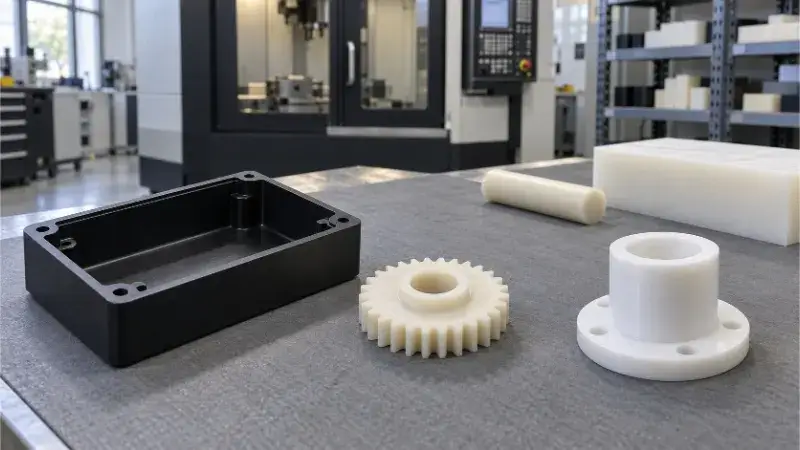
Материалы для прототипирования: как выбрать подходящий материал
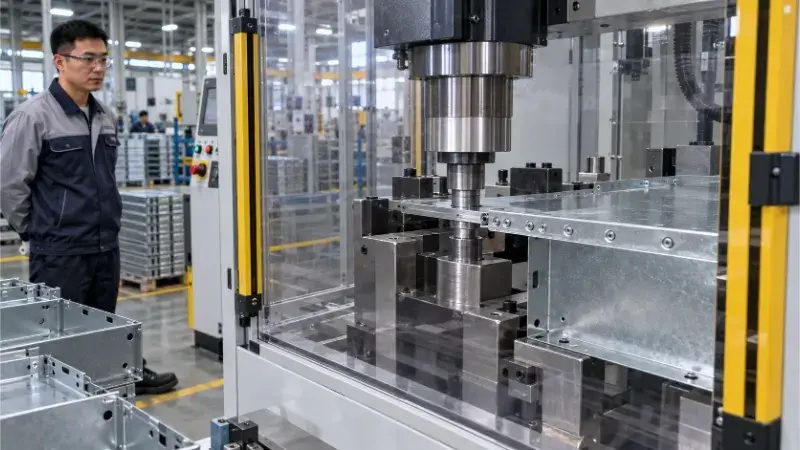
Прессовое соединение листового металла: проектирование, стоимость и качество
Сталь 4140 и 4130: механическая обработка, сварка и выбор