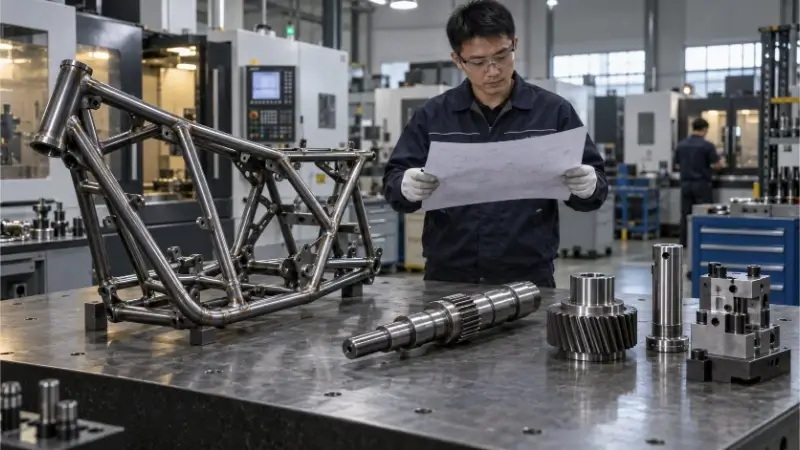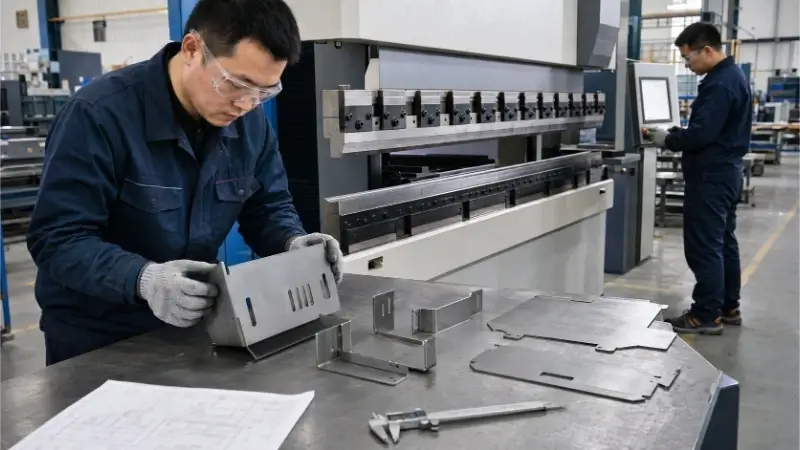
O aço eletrogalvanizado (EG) é produzido por deposição eletrolítica, criando uma camada fina e uniforme de zinco na superfície do aço laminado a frio. Na indústria, é normalmente escolhido quando um projeto exige uma combinação de acabamento estético, controlo dimensional preciso e resistência moderada à corrosão.
Ao contrário do aço galvanizado por imersão a quente, que é frequentemente utilizado para proteção estrutural em ambientes exteriores, o aço EG destina-se a aplicações em interiores, onde a qualidade da superfície é uma prioridade. Embora ofereça um desempenho fiável para painéis pintados e caixas de equipamentos eletrónicos, não é uma solução universal para todas as peças de chapa metálica.
Este guia descreve o desempenho técnico do aço EG, o seu comportamento durante a fabricação e as especificações necessárias para garantir a compatibilidade dos materiais no seu projeto.

De que forma o aço eletrogalvanizado contribui para o trabalho de precisão em chapa metálica?
O valor do aço eletrogalvanizado reside na sua uniformidade. O processo eletrolítico cria uma superfície previsível que se comporta de forma fiável durante as etapas secundárias de fabrico.
Revestimento fino de zinco
O aço EG apresenta normalmente uma camada de zinco significativamente mais fina do que a do aço galvanizado por imersão a quente. Isto permite uma gestão mais rigorosa das tolerâncias dimensionais.
Em montagens em que as peças têm de encaixar com precisão — tais como painéis de chassis interligados ou interfaces de acoplamento —, a menor acumulação de revestimento minimiza o risco de interferência.
Nota técnica: No caso de caixas de precisão com folgas de encaixe inferiores a 0,1 mm, especifique um revestimento de espessura reduzida para evitar a acumulação excessiva nos raios de curvatura.
Uniformidade da superfície
O processo eletrolítico resulta num acabamento liso e sem brilhos. Como a superfície é uniforme, evita-se as inconsistências visuais frequentemente observadas em revestimentos mais espessos, aplicados por imersão a quente.
Isto faz com que o aço EG seja a referência para componentes visíveis, tais como painéis frontais ou caixas de equipamentos eletrónicos, que exigem uma estética elegante. Além disso, simplifica a preparação necessária para revestimento em pó ou tinta industrial.
Controlo dimensional
A precisão de fabrico está frequentemente ligada à espessura do metal de base. Como o revestimento EG é fino e uniforme, os projetistas podem basear-se na espessura nominal do substrato de aço.
Esta previsibilidade é fundamental quando se incorporam componentes de hardware como pinos PEM ou espaçadores. Evita os problemas de acumulação de tolerâncias que ocorrem frequentemente quando revestimentos mais espessos ocupam o espaço necessário para a montagem por encaixe a pressão.
Adesão da tinta
O aço EG é um substrato preferencial para acabamentos de alta qualidade. A superfície de zinco proporciona uma base fiável para primários e tintas, desde que a superfície seja devidamente limpa e pré-tratada.
A ausência de óleos pesados na superfície ou de picos irregulares de zinco permite uma cobertura uniforme da tinta. Isto reduz o risco de falhas no revestimento ou de formação de bolhas nas peças acabadas.
Nota técnica: Se o seu projeto envolver um acabamento de alto brilho, verifique se o aço EG não apresenta resíduos de óleos de laminagem pesados, para garantir uma aderência ideal.
Conformação a frio
O material mantém a ductilidade do aço laminado a frio subjacente. Pode ser cortado, perfurado, e dobrado com equipamento padrão para chapas metálicas, sem risco significativo para o revestimento.
No entanto, o revestimento continua a ser uma camada metálica. Os projetistas devem respeitar os raios de curvatura padrão para evitar que o zinco rache ou descasque no ponto de tensão, especialmente em peças destinadas a áreas visíveis.
De que forma a qualidade do revestimento influencia o desempenho final?
O desempenho de uma peça EG não é determinado apenas pelo tipo de aço. O processo de revestimento, os tratamentos químicos e o manuseamento do material influenciam o comportamento do metal nas suas instalações.
Espessura do revestimento
A espessura do revestimento é medida em gramas por metro quadrado (g/m²). A escolha de um peso adequado implica encontrar um equilíbrio entre proteção e custo.
Um revestimento mais espesso proporciona maior resistência à corrosão, mas pode complicar os processos de soldadura. Definir o objetivo específico no seu pedido de cotação evita a incerteza que leva a resultados inconsistentes por parte de diferentes fornecedores.
Controlo do banho de galvanização
A uniformidade da deposição de zinco depende da composição química do banho de galvanização. A monitorização constante dos aditivos e da densidade de corrente garante que o revestimento não varie ao longo da largura da bobina.
Quando se mantém o controlo do banho, obtém-se um acabamento superficial mais estável. Isto minimiza o risco de defeitos visuais ou «manchas» que, de outra forma, poderiam ficar visíveis através da camada final de tinta.
Passivação
Após o revestimento, a superfície é normalmente passivada para evitar a «ferrugem branca» durante o armazenamento. O tipo de passivação — frequentemente com crómio trivalente ou sem crómio — influencia a facilidade com que o material poderá ser pintado posteriormente.
Se pretender realizar outros acabamentos internamente, certifique-se de que a passivação é compatível com a composição química da sua tinta.
Nota de engenharia: A passivação sem cromo é comum para garantir a conformidade com a diretiva RoHS, mas pode exigir diferentes etapas de pré-tratamento para se obter uma aderência ideal da tinta.
Fragilização por hidrogénio
Embora seja menos comum no caso de revestimentos mais finos, os aços de alta resistência podem ser suscetíveis à fragilização por hidrogénio durante o processo eletrolítico.
Se o seu projeto utilizar materiais de alta resistência à tração, verifique se o fornecedor aplica controlos de processo adequados, tais como o cozimento após o revestimento, para reduzir o risco de falha por fragilidade sob carga.
Proteção do armazenamento
O aço EG é sensível à humidade. Mesmo com passivação, o armazenamento inadequado em condições húmidas pode causar manchas na superfície que interferem com a soldadura ou a pintura.
Os fornecedores costumam aplicar uma camada fina de óleo de fábrica para criar uma barreira adicional. Se o seu processo envolver soldadura ou pintura sem uma fase de desengorduramento minuciosa, comunique claramente os seus requisitos em matéria de lubrificação ao seu fornecedor.

Como escolher entre aço EG, HDG e galvanizado-anilado?
A escolha do aço revestido adequado resume-se a encontrar o equilíbrio entre a resistência à corrosão e as necessidades estéticas e dimensionais da montagem final. Um desequilíbrio entre estes requisitos pode resultar em custos de processamento desnecessários ou na falha prematura das peças em condições reais de utilização.
EG Steel
O aço eletrogalvanizado é a escolha padrão para aplicações em interiores, em que a aparência estética é importante. Como o revestimento é aplicado por via elétrica, é excepcionalmente liso e uniforme, mantendo a chapa próxima da sua espessura nominal.
É ideal para coberturas de precisão, chassis eletrónicos e painéis que serão submetidos a um revestimento secundário a pó. Se o seu projeto privilegia tolerâncias de montagem rigorosas e um acabamento de alta qualidade em detrimento de uma proteção contra condições meteorológicas adversas, o aço EG constitui a base mais fiável.
Aço HDG
O aço galvanizado por imersão a quente (HDG) foi concebido para garantir durabilidade em ambientes adversos. O processo de imersão cria uma ligação metalúrgica de zinco muito mais espessa, proporcionando uma proteção sacrificial que dura significativamente mais tempo quando exposta à humidade ou a temperaturas extremas.
No entanto, o revestimento é mais espesso e menos uniforme, apresentando frequentemente um «brilho» cristalino visível. Isto torna-o inadequado para caixas de alta precisão ou painéis pintados lisos, mas continua a ser a escolha ideal para suportes estruturais para exterior, estruturas e peças industriais de uso geral.
Aço galvanizado
O aço galvanizado por recozimento é submetido a um processo de imersão a quente, seguido imediatamente por um tratamento de recozimento em linha. Este processo transforma o revestimento de zinco puro numa liga de zinco-ferro mais dura e com acabamento mate.
Esta liga proporciona uma «chave» microscópica que ajuda a tinta a aderir com firmeza, ao mesmo tempo que evita a descamação do zinco frequentemente observada durante a estampagem intensa.
Nota técnica: Se o seu projeto envolver soldadura por pontos robótica e exigir um acabamento de pintura de alta qualidade, ao estilo automóvel, o aço galvannealed proporciona frequentemente um melhor equilíbrio entre soldabilidade e aderência da tinta do que o EG ou o HDG padrão.
Aço pré-pintado
Na produção em grande escala de painéis simples, o aço pré-pintado pode eliminar totalmente a necessidade de acabamentos secundários. O revestimento é aplicado e curado na fábrica, garantindo uma consistência rigorosa da cor e do brilho entre os lotes.
A principal desvantagem prende-se com a proteção das arestas. O corte e a perfuração expõem a aresta do aço em bruto, o que pode exigir retoques secundários ou designs específicos das arestas dobradas para evitar a corrosão por deslizamento nas arestas. Além disso, a superfície pintada requer ferramentas especializadas que não risquem o material durante a dobragem, para evitar danos estéticos.
Lógica de seleção
Utilize este esquema simples para restringir a sua escolha de materiais:
- Para peças com superfícies interiores lisas e tolerâncias rigorosas: Especifique aço EG.
- Para estruturas exteriores ou aplicações estruturais em ambientes altamente corrosivos: Especifique aço com revestimento HDG.
- Para uma excelente aderência da tinta e uma soldadura por pontos eficiente: Especificar aço galvanizado.

Como escolher entre aço EG, HDG e galvanizado-anilado?
A escolha do aço revestido adequado resume-se a encontrar o equilíbrio entre a resistência à corrosão e as necessidades estéticas e dimensionais da montagem final. Um desequilíbrio entre estes requisitos pode resultar em custos de processamento desnecessários ou na falha prematura das peças em condições reais de utilização.
EG Steel
O aço eletrogalvanizado é a escolha padrão para aplicações em interiores, em que a aparência estética é importante. Como o revestimento é aplicado por via elétrica, é excepcionalmente liso e uniforme, mantendo a chapa próxima da sua espessura nominal.
É ideal para coberturas de precisão, chassis eletrónicos e painéis que serão submetidos a um revestimento secundário a pó. Se o seu projeto privilegia tolerâncias de montagem rigorosas e um acabamento de alta qualidade em detrimento de uma proteção contra condições meteorológicas adversas, o aço EG constitui a base mais fiável.
Aço HDG
O aço galvanizado por imersão a quente (HDG) foi concebido para garantir durabilidade em ambientes adversos. O processo de imersão cria uma ligação metalúrgica de zinco muito mais espessa, proporcionando uma proteção sacrificial que dura significativamente mais tempo quando exposta à humidade ou a temperaturas extremas.
No entanto, o revestimento é mais espesso e menos uniforme, apresentando frequentemente um «brilho» cristalino visível. Isto torna-o inadequado para caixas de alta precisão ou painéis pintados lisos, mas continua a ser a escolha ideal para suportes estruturais para exterior, estruturas e peças industriais de uso geral.
Aço galvanizado
O aço galvanizado por recozimento é submetido a um processo de imersão a quente, seguido imediatamente por um tratamento de recozimento em linha. Este processo transforma o revestimento de zinco puro numa liga de zinco-ferro mais dura e com acabamento mate.
Esta liga proporciona uma «chave» microscópica que ajuda a tinta a aderir com firmeza, ao mesmo tempo que evita a descamação do zinco frequentemente observada durante a estampagem intensa.
Nota técnica: Se o seu projeto envolver soldadura por pontos robótica e exigir um acabamento de pintura de alta qualidade, ao estilo automóvel, o aço galvannealed proporciona frequentemente um melhor equilíbrio entre soldabilidade e aderência da tinta do que o EG ou o HDG padrão.
Aço pré-pintado
Na produção em grande escala de painéis simples, o aço pré-pintado pode eliminar totalmente a necessidade de acabamentos secundários. O revestimento é aplicado e curado na fábrica, garantindo uma consistência rigorosa da cor e do brilho entre os lotes.
A principal desvantagem prende-se com a proteção das arestas. O corte e a perfuração expõem a aresta do aço em bruto, o que pode exigir retoques secundários ou designs específicos das arestas dobradas para evitar a corrosão por deslizamento nas arestas. Além disso, a superfície pintada requer ferramentas especializadas que não risquem o material durante a dobragem, para evitar danos estéticos.
Lógica de seleção
Utilize este esquema simples para restringir a sua escolha de materiais:
- Para peças com superfícies interiores lisas e tolerâncias rigorosas: Especifique aço EG.
- Para estruturas exteriores ou aplicações estruturais em ambientes altamente corrosivos: Especifique aço com revestimento HDG.
- Para uma excelente aderência da tinta e uma soldadura por pontos eficiente: Especificar aço galvanizado.
Em que situações o aço eletrogalvanizado pode apresentar falhas durante o fabrico?
Um material de alta qualidade pode, mesmo assim, apresentar falhas se o processo de fabrico comprometer a integridade da camada de zinco. Compreender estes pontos fracos mecânicos permite-lhe contorná-los na fase de conceção, antes do início da produção.
Bordas cortadas a laser
Corte a laser utiliza energia térmica intensa para vaporizar o metal, removendo completamente o revestimento de zinco na linha de corte. Isto deixa um perímetro estreito de aço nu e desprotegido em cada peça cortada a laser.
Se não forem tratadas, estas arestas em bruto podem apresentar sinais de oxidação superficial no prazo de 48 a 72 horas em ambientes fabris com elevada humidade. No caso de equipamentos eletrónicos sensíveis utilizados em ambientes interiores, estas arestas devem ser tidas em conta na sua estratégia de revestimento secundário.
Furos perfurados
A perfuração e a estampagem geram tensão de cisalhamento mecânica. Embora seja um processo habitual no trabalho com chapas metálicas, esta ação pode provocar rebarbas microscópicas ou microfissuras no revestimento de zinco à volta da circunferência do orifício.
Os punções de grande folga ou as ferramentas gastas aumentam este risco. Estas zonas comprometidas funcionam como pontos de entrada onde a humidade pode contornar o revestimento e atingir o metal de base, levando à formação de ferrugem localizada em torno dos elementos de fixação e ferragens.
Curvas apertadas
Quando o aço EG é moldado com um raio muito apertado, a superfície exterior da curvatura fica sujeita a uma tensão de tração extrema. Se o raio ultrapassar os limites do material, a camada de zinco estica-se e apresenta microfissuras.
Isto afeta o aspeto da peça a longo prazo e cria pontos de corrosão imediatos caso seja exposta à humidade.
Nota técnica: Procure manter um raio de curvatura mínimo de 1T a 2T (sendo que T corresponde à espessura do material) para preservar a integridade do revestimento nas superfícies moldadas visíveis.
Soldagem por pontos
A soldadura de aço galvanizado requer parâmetros diferentes dos necessários para a soldadura de aço laminado a frio sem revestimento. O revestimento de zinco é um condutor elétrico, mas também contamina os elétrodos de cobre utilizados na soldagem a ponto.
Isto leva à formação de uma «cabeça de cogumelo» no elétrodo ou à liga, em que o cobre se liga ao zinco, reduzindo rapidamente a resistência da soldadura e aumentando o tempo de inatividade devido à manutenção.
Nota de engenharia: Para evitar uma degradação grave do elétrodo e garantir um núcleo sólido, os operadores têm normalmente de aplicar uma pressão do elétrodo 10–15% superior e tempos de soldadura ~20% mais curtos, em comparação com o aço laminado a frio padrão.
Zonas de soldadura
Qualquer processo de soldadura — seja por pontos, TIG ou MIG— irá gerar calor suficiente para queimar a camada de zinco que envolve a junta. Isto faz com que a proteção nessa área localizada se vaporize, deixando uma zona afetada pelo calor (HAZ) frágil e desprotegida.
No caso de peças que exijam resistência à corrosão após a soldadura, esta zona deve ser limpa mecanicamente e protegida com um primário rico em zinco ou integrada num processo de revestimento a pó de toda a peça. Estas realidades da fabricação sublinham exatamente por que razão é fundamental definir claramente os seus requisitos de processamento secundário — um tema que abordamos em pormenor na secção final do Guia de Pedidos de Cotação.
De que forma o acabamento e a inspeção controlam a qualidade final?
O desempenho final de uma peça de aço eletrogalvanizado (EG) depende em grande medida das etapas de processamento secundário. Mesmo com um material de base de alta qualidade, protocolos inadequados de limpeza, revestimento ou inspeção podem resultar em rejeições por motivos estéticos ou falhas em condições reais de utilização.
Limpeza de superfície
Antes de se iniciar qualquer acabamento secundário ou soldadura, é necessário verificar se a superfície está limpa. O aço EG chega frequentemente com óleos de fábrica, tratamentos anti-impressões digitais ou resíduos de armazenamento destinados a proteger o material durante o transporte.
Se estes contaminantes não forem totalmente removidos através de desengorduramento químico ou lavagens alcalinas, comprometerão a aderência do revestimento em pó e causarão porosidade nas juntas de soldadura.
Nota de engenharia: Ignorar a desengorduramento completo pode poupar tempo de processamento inicial, mas a delaminação do revestimento em pó resultante pode levar a uma taxa de rejeição no terreno de 15–20%, anulando qualquer poupança inicial de custos.
Revestimento em pó
O revestimento em pó é frequentemente aplicado sobre o aço EG para melhorar tanto o seu aspeto estético como a sua resistência às condições ambientais. A camada de zinco lisa e sem granulação constitui um excelente substrato que requer uma menor espessura de primário do que os materiais mais rugosos.
No entanto, o resultado final depende em grande medida do processo de pré-tratamento (como a conversão com fosfato de ferro ou silano), da cobertura adequada das arestas e das temperaturas de cura precisas. Se o forno de cura estiver descalibrado, o pó pode não sofrer a reticulação adequada, o que leva à formação prematura de lascas ao longo das arestas moldadas.
Adesão da tinta
Nunca se deve partir do princípio de que a tinta ou o pó aderem automaticamente ao aço EG simplesmente por este ser revestido a zinco. O estado da superfície, o tipo de passivação aplicada na fábrica e os métodos de pré-tratamento da oficina interagem entre si para determinar a aderência final.
Se a fábrica tiver aplicado uma camada de passivação que seja quimicamente incompatível com o seu sistema de pintura específico, o revestimento pode parecer em bom estado inicialmente, mas acabar por descolar mais tarde.
Nota de engenharia: É sempre necessário realizar um ensaio de aderência com padrão de hachuras cruzadas, de acordo com a norma ASTM D3359, em amostras de primeiro artigo, para verificar se o revestimento em pó aderiu corretamente à superfície EG passivada.
Inspeção de revestimentos
A inspeção visual básica é eficaz para detetar defeitos evidentes, como manchas na superfície, pontos de aço à vista, riscos profundos e aplicação irregular do revestimento em pó. Esta deve ser uma etapa de controlo de qualidade padrão após a conformação e antes da montagem.
Em projetos industriais mais exigentes, as verificações visuais não são suficientes. Especifique medições da espessura da película seca (DFT) utilizando medidores magnéticos ou de correntes de Foucault (por exemplo, ISO 2178) para garantir que a camada final de tinta ou pó cumpre as tolerâncias de engenharia sem causar interferências na montagem.
Em que situações o aço EG é adequado e em que situações deve ser evitado?
A definição de limites de utilização rigorosos para o aço EG evita a sua utilização indevida. Ajuda os engenheiros e as equipas de compras a decidir quando este material oferece a melhor relação qualidade-preço e quando é tecnicamente necessário recorrer a um substrato diferente.
Painéis para interiores
O aço EG é excepcionalmente adequado para coberturas interiores, painéis de acesso, caixas de eletrodomésticos e suportes estruturais internos.
Como a superfície é extremamente uniforme, permite um acabamento estético impecável após a pintura. A fina camada de zinco proporciona uma proteção mais do que suficiente contra a humidade interior normal e a humidade ocasional.
Gabinetes Elétricos
No que diz respeito a caixas de controlo elétrico para interiores, armários de servidores e caixas de equipamento (por exemplo, NEMA 1 ou NEMA 12), o aço EG constitui uma opção padrão e económica. Mantém bem as suas dimensões, o que facilita o alinhamento preciso de dobradiças, portas e mecanismos de fecho.
No entanto, se o invólucro se destinar a utilização no exterior (por exemplo, classificações NEMA 4 ou NEMA 4X), o aço EG é, geralmente, insuficiente. Os invólucros para utilização no exterior requerem uma proteção mais robusta, como o aço galvanizado a quente (HDG), o alumínio ou o aço inoxidável, para resistirem a uma exposição prolongada.
Caixas para equipamentos eletrónicos
O aço EG é extremamente útil para chassis eletrónicos internos, suportes de montagem e pequenos subconjuntos. A espessura estável do material garante uma inserção fiável dos elementos de fixação.
Nota técnica: Uma vez que a espessura do revestimento é previsível (normalmente entre 2 e 12 microns), o aço EG garante uma resistência à extração consistente na instalação de porcas e espaçadores PEM, ao passo que os revestimentos pesados por imersão a quente costumam obstruir os orifícios pré-perfurados e comprometer a instalação dos elementos de fixação.
Exposição ao ar livre
O aço EG não deve ser especificado como a principal defesa contra a exposição direta e prolongada à chuva ou à acumulação de água. A camada de zinco é simplesmente demasiado fina para funcionar como uma barreira sacrificial a longo prazo nestes ambientes.
Conforme referido na secção dedicada ao fabrico, as arestas cortadas a laser, os orifícios perfurados e as zonas de soldadura tornam-se pontos fracos imediatos quando expostos às intempéries. Se for necessário utilizar aço EG no exterior, é necessário um sistema de pintura industrial pesado e multicamadas para selar completamente o metal.
Áreas costeiras e químicas
Os ambientes com ar salino e as instalações de processamento químico apresentam riscos graves de corrosão. Os cloretos presentes no ar aceleram rapidamente a oxidação de finas camadas de zinco.
Nestes ambientes específicos, o aço EG irá deteriorar-se rapidamente. É necessário avaliar alternativas de alta resistência, tais como o aço inoxidável 304/316, o alumínio de qualidade marítima (como o 5052) ou revestimentos de barreira protetora especializados.
Conclusão
O aço eletrogalvanizado é um material de precisão, não uma armadura estrutural de força bruta. Quando o seu projeto exige tolerâncias dimensionais rigorosas, um acabamento estético impecável e uma resistência fiável à corrosão em ambientes interiores, o aço EG proporciona uma base altamente consistente para a fabricação.
No entanto, para tirar o máximo partido do seu valor, é necessário reconhecer os seus limites. Ao ter em conta as arestas de corte expostas, ajustar os parâmetros de soldadura e especificar a passivação correta e as espessuras de revestimento na sua solicitação de cotação, poderá eliminar os problemas de qualidade mais comuns antes de as peças chegarem à linha de produção.
Precisa de ajuda para escolher a chapa metálica adequada para o seu próximo projeto?
Na Shengen, a nossa equipa de engenharia conta com mais de 10 anos de experiência na fabricação geral de chapas metálicas, desde a prototipagem rápida até à estampagem em grande volume. Contacte-nos hoje para analisar os seus desenhos e garantir que a sua próxima série de produção seja otimizada em termos de qualidade e facilidade de fabrico.
FAQs
O aço eletrogalvanizado é resistente à ferrugem?
Nenhum aço é totalmente à prova de ferrugem. O aço EG possui um fino revestimento de zinco que retarda a formação de ferrugem. O aço EG não pintado, num ambiente interior com climatização controlada, pode permanecer sem ferrugem durante décadas. No entanto, num armazém sem climatização e com humidade variável, as arestas de corte em bruto podem apresentar sinais de oxidação em poucos meses, se não houver proteção secundária.
É possível soldar aço eletrogalvanizado?
Sim, mas isso requer um controlo específico. A soldadura por pontos de aço EG exige uma pressão do elétrodo 10–15% superior e tempos de soldadura ~20% mais curtos em comparação com o aço sem revestimento, para evitar a degradação do elétrodo. O calor gerado por qualquer processo de soldadura destrói o revestimento de zinco à volta da junta, exigindo uma limpeza mecânica e um pós-tratamento protetor (como um primário rico em zinco) para evitar a formação de ferrugem localizada.
Qual é a espessura típica do revestimento de zinco no aço EG?
O revestimento é excepcionalmente fino quando comparado com a galvanização por imersão a quente. Normalmente varia entre 2 e 12 micrómetros por lado, sendo frequentemente especificado como um peso de revestimento entre 10 g/m² e 40 g/m².
O aço EG precisa de ser pintado?
Não é estritamente necessário se a peça permanecer num ambiente interno seco e com baixa corrosão (como, por exemplo, um suporte interno do chassis). No entanto, no caso de painéis visíveis ou ambientes com humidade variável, recomenda-se vivamente a aplicação de um revestimento secundário em pó ou de tinta, para proporcionar uma barreira duradoura e melhorar o acabamento estético.
Olá, chamo-me Kevin Lee

Nos últimos 10 anos, tenho estado imerso em várias formas de fabrico de chapas metálicas, partilhando aqui ideias interessantes a partir das minhas experiências em diversas oficinas.
Entrar em contacto
Kevin Lee
Tenho mais de dez anos de experiência profissional no fabrico de chapas metálicas, especializando-me em corte a laser, dobragem, soldadura e técnicas de tratamento de superfícies. Como Diretor Técnico da Shengen, estou empenhado em resolver desafios complexos de fabrico e em promover a inovação e a qualidade em cada projeto.
Recursos relacionados
Materiais para prototipagem: como escolher o material certo
União por prensagem em chapa metálica: conceção, custo e qualidade