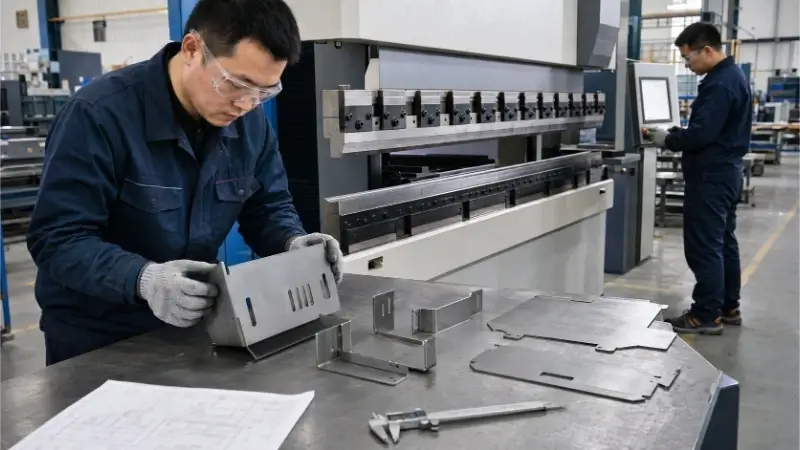
En la fabricación, todo gran producto comienza con la colaboración. Sin embargo, entre la intención del diseño y la ejecución de la fabricación, a menudo hay una barrera oculta que frena el progreso: las lagunas en la comunicación. Estas lagunas inflan silenciosamente los costes, alargan los plazos de entrega y tensan las relaciones entre los equipos.
Según un informe de 2024 de SME Manufacturing Insights, los fallos de comunicación son responsables de hasta 40% de los retrasos de producción y 30% de los incidentes de reprocesamiento. Una tolerancia omitida, un tamaño de orificio mal etiquetado o un modelo CAD obsoleto pueden afectar a todos los departamentos y costar horas de reprogramación y desechos.
El problema no es sólo de falta de comunicación, sino de desalineación. Los equipos de diseño y fabricación suelen trabajar con plazos, herramientas y objetivos diferentes. Para salvar realmente esta brecha, las organizaciones deben alinear sus flujos de trabajo, estandarizar el intercambio de información y establecer un entendimiento común de la fabricabilidad.
Este artículo examina por qué persisten estas lagunas de comunicación, su repercusión en los costes y la calidad, y qué sistemas y hábitos prácticos pueden implantarse para cerrarlas definitivamente.

Por qué persisten las lagunas de comunicación en la industria?
La desalineación entre diseño y fabricación no es un problema nuevo. Tiene su origen en factores estructurales, culturales y técnicos que han evolucionado con la fabricación moderna. Entender por qué existen estas barreras es el primer paso para solucionarlas.
Diferentes prioridades y perspectivas
Los diseñadores y los ingenieros de fabricación ven el mismo producto a través de lentes diferentes. Los diseñadores se esfuerzan por lograr un equilibrio entre forma, función y rendimiento. Los ingenieros de fabricación se centran en la viabilidad del proceso, la configuración de la máquina y el rendimiento del material.
Esta diferencia de prioridades suele crear fricciones silenciosas. Por ejemplo, un diseñador puede especificar un radio de curvatura interior de 1,5 mm por motivos estéticos. Sin embargo, el operario de la plegadora sabe que este radio se agrietará en acero inoxidable 304 a menos que se modifiquen el punzón y la matriz. Sin una comunicación temprana, el problema no sale a la luz hasta después de la primera tirada de producción, cuando ya es demasiado tarde para realizar ajustes económicos.
Falta de participación temprana
Muchas empresas siguen separando el diseño y la fabricación en etapas secuenciales. El equipo de fabricación no recibe el plano hasta que el diseño está finalizado, lo que elimina su capacidad de influir en el coste y la eficiencia del proceso.
Este enfoque de "traspaso" conduce a rediseños evitables. Un ingeniero de fabricación puede darse cuenta más tarde de que un panel requiere una curvatura imposible debido a la interferencia de una brida o que el espaciado de los orificios cortados con láser no se ajusta a la matriz de punzonado estándar. Cada descubrimiento tardío implica repeticiones, retrasos en los plazos y costes de modificación de las herramientas.
Herramientas y sistemas de datos desconectados
Incluso cuando los equipos quieren colaborar, los sistemas obsoletos o aislados se interponen en el camino. Los diseñadores pueden trabajar en SolidWorks o Creo, mientras que los equipos de fabricación dependen de ERP o software de anidamiento, como BySoft o SigmaNEST. Cuando los intercambios de archivos dependen de adjuntos de correo electrónico o unidades locales, el control de versiones se vuelve poco fiable.
Un pequeño desajuste -por ejemplo, un ajuste de 0,2 mm en un orificio- podría no llegar nunca al taller. El archivo DXF incorrecto se programa en la cortadora láser y el error sólo aparece durante la inspección. Si se multiplica por 50 piezas, el coste aumenta rápidamente.
Sin embargo, muchas fábricas pequeñas y medianas siguen dependiendo de la comunicación manual, en la que cada versión se envía a través de varias bandejas de entrada. En estos entornos, incluso los equipos más capacitados tienen dificultades para mantenerse alineados.
Barreras culturales y organizativas
Las herramientas técnicas por sí solas no pueden solucionar los problemas de comunicación. La cultura de la empresa desempeña un papel decisivo.
En algunas organizaciones, la jerarquía desalienta la retroalimentación abierta: los operarios dudan en cuestionar las decisiones de diseño, mientras que los diseñadores rara vez recorren el taller para ver la realidad de la producción.
Esta brecha cultural conduce a ineficiencias silenciosas. Los equipos se vuelven protectores de sus dominios y la información deja de fluir libremente. Con el tiempo, cada departamento desarrolla su propio "lenguaje", lo que dificulta aún más la colaboración.
Consecuencias de una mala comunicación
La mala comunicación no sólo cuesta dinero. Afecta a la eficacia, la calidad y la moral de toda la organización. Examinemos las principales formas en que interrumpe el flujo de trabajo de fabricación.
Reelaboración del diseño y aumento de los costes
El reprocesado es una de las consecuencias más visibles -y costosas- de la falta de comunicación entre diseño y fabricación. Cuando un diseño pasa a producción sin una revisión temprana de la fabricabilidad, surgen conflictos ocultos. Por ejemplo:
- El radio de curvatura especificado es inferior al que permite el utillaje de la prensa plegadora.
- El espaciado de los agujeros no coincide con la matriz del punzón.
- El diseño de la junta de soldadura no se ajusta a las plantillas disponibles.
Cada uno de estos errores puede requerir un nuevo diseño, lo que se traduce en nuevos planos, utillaje y mano de obra adicional.
Una situación típica: el diseño de un armario de acero inoxidable requiere juntas angulares estrechas sin margen de soldadura. El equipo de fabricación procede, pero se encuentra con alabeos durante la soldadura. Hay que cambiar el diseño y desechar dos lotes completos. Este tipo de incidentes no son raros: son el resultado sistémico de una comunicación deficiente.
La participación de los ingenieros de fabricación en la fase inicial de DFM podría haberlo evitado añadiendo una muesca de alivio de 1,5 mm y especificando Soldadura TIG secuencia: pequeños detalles que ahorran miles.
Retrasos y paradas de la producción
Cuando los planos o las solicitudes de cambio no se comunican con claridad, la producción se detiene. Un operario puede detener una cortadora láser para comprobar si el diámetro del orificio de la impresión o del modelo 3D es correcto. Un soldador puede detenerse porque el símbolo de soldadura actualizado aún no ha llegado a la estación de trabajo. Cada minuto añade costes.
Los sistemas claros de control de revisiones, el acceso en tiempo real a modelos aprobados y las instrucciones visuales (por ejemplo, PDF en 3D o dibujos interactivos) pueden evitar la mayoría de estas paradas. Cuando los equipos trabajan con información sincronizada, la fabricación se convierte en un flujo continuo en lugar de un ciclo de espera y aclaraciones.
Calidad y coherencia
Las lagunas en la comunicación casi siempre se traducen en una calidad incoherente. Cuando la intención del diseño no se entiende del todo, el equipo de fabricación hace suposiciones, a veces razonables, pero a menudo incorrectas.
Algunos ejemplos comunes son:
- Desajuste del acabado superficial: A acabado cepillado (Ra 0,8) estaba previsto, pero el equipo aplicó un granallado mate porque faltaba la nota.
- Tolerancias mal interpretadas: Se aplicó globalmente una cota de ±0,1 mm cuando en realidad sólo unos pocos rasgos la requerían, lo que provocó fallos de inspección innecesarios.
- Alineación incorrecta del montaje: La lectura errónea del punto de referencia del orificio produce un desplazamiento acumulativo en todo el bastidor del chasis.
Los pequeños malentendidos pueden producirse en cascada. La falta de un símbolo GD&T en un dibujo puede parecer trivial, pero cuando un operario de CNC elige un punto de referencia diferente, la alineación de la pieza en el ensamblaje final falla, lo que da lugar a repeticiones o reclamaciones de devolución.
Las prácticas de comunicación sólidas, como las revisiones compartidas de dibujos y los PDF anotados, garantizan que todos los miembros del equipo interpreten el diseño de la misma manera.
Reducción de la moral de equipo y la colaboración
Más allá de los problemas técnicos, la falta de comunicación erosiona la confianza. Cuando los diseños llegan incompletos, los fabricantes se sienten frustrados e infravalorados. Cuando se producen errores de producción, los diseñadores se sienten culpables de errores que no podían prever. Esta tensión silenciosa desalienta el diálogo abierto.
Con el tiempo, los equipos pasan de la colaboración a la defensa, protegiendo su propia carga de trabajo en lugar de trabajar juntos para mejorar el proceso.
El coste humano de la falta de comunicación suele superar al económico. Una moral baja conlleva tiempos de respuesta más lentos, menos innovación y una resolución de problemas más cautelosa, lo contrario de lo que necesitan los entornos de fabricación de alto rendimiento.
Costes ocultos: Desechos, reprocesado y pérdida de oportunidades
Lo que a menudo se pasa por alto son los costes indirectos de una comunicación deficiente.
- Las piezas retocadas ocupan máquinas que podrían estar produciendo nuevos pedidos.
- Los ingenieros pasan horas aclarando notas en lugar de optimizar los procesos.
- Los clientes pierden la confianza cuando los plazos de entrega se incumplen repetidamente.
En la fabricación de precisión, incluso un aumento de 2% en la tasa de desechos puede erosionar significativamente los márgenes de beneficio. Y lo que es peor, la falta de comunicación impide que los equipos aumenten su eficacia, ya que cada nuevo proyecto requiere más tiempo para garantizar que ambas partes se entienden.

Causas profundas ocultas bajo la superficie
A primera vista, los problemas de comunicación parecen tener su origen en las personas: ingenieros ocupados, mensajes perdidos y planos poco claros. Pero, en realidad, estos problemas son inherentes a los sistemas y hábitos que rigen el flujo de información en una empresa de fabricación.
Silos de información
En muchos entornos de fabricación, los datos viven en lugares aislados: una versión de un modelo CAD en el servidor de diseño, una impresión independiente en el taller y un archivo DXF obsoleto en la carpeta del programador. Cada equipo cree que tiene la "última versión", pero las diferencias en las notas de tolerancia o en los patrones de los orificios pueden dar lugar a costosos desajustes.
Por ejemplo, un equipo de diseño actualiza un chasis añadiendo un orificio de conexión a tierra, pero el dibujo revisado nunca llega al operador de anidado. Se corta con láser un patrón plano incorrecto y se desechan 50 paneles.
No es un problema de personas, es un problema sistémico.
Cuando los archivos se comparten manualmente -a través del correo electrónico, unidades USB o carpetas locales-, aumenta la probabilidad de confusión de versiones.
La solución es un centro de datos centralizado o sistema PLM que bloquea los archivos obsoletos y garantiza que todos los departamentos trabajen a partir de una única fuente digital de verdad. Esto no solo mejora la precisión, sino que también ahorra horas de búsqueda y comprobación cruzada.
Funciones y responsabilidades indefinidas
La comunicación se rompe cuando nadie es claramente responsable de mantener informados a los demás.
En muchas fábricas de tamaño medio, no hay una propiedad definida de los traspasos clave, como quién firma las revisiones de planos, quién notifica al taller o quién registra las actualizaciones de diseño.
Cuando la propiedad no está clara, las tareas se pierden. Por ejemplo:
- Un ingeniero de diseño asume que el planificador de producción ha actualizado el programa de fabricación.
- El planificador asume que el equipo de calidad ha revisado la nueva tolerancia dimensional.
- Mientras tanto, la producción continúa basándose en dibujos antiguos.
Esta confusión se traduce en horas perdidas, repetición de tareas y reparto de culpas. Definir claramente la propiedad con marcos como el diagrama RACI (Responsable, Contable, Consultado, Informado) elimina la ambigüedad.
Todo cambio de ingeniería debe tener:
- Un iniciador de cambios designado
- Una cadena de aprobación documentada
- Un registro de comunicación con fecha y hora
Esta responsabilidad estructurada garantiza que cada cambio llegue a las personas adecuadas en el momento oportuno.
Bucles de realimentación limitados
Una de las mayores barreras entre el diseño y la fabricación es la ausencia de información desde el taller a los ingenieros. Muchas organizaciones funcionan con un modelo unidireccional: los diseños se envían y los informes de producción solo se elaboran cuando algo va mal.
Esto impide la mejora continua. Si los soldadores tienen problemas con los ángulos de acceso o los operarios observan rebabas constantes cerca de las esquinas cerradas, esa información rara vez llega a los futuros estándares de diseño. Los mismos errores reaparecen proyecto tras proyecto.
La creación de un bucle de retroalimentación bidireccional no requiere nuevos programas informáticos, sólo disciplina:
- Breves "sincronizaciones diseño-taller" semanales para revisar los aprendizajes de la producción.
- Los formularios digitales de opinión están vinculados a números de pieza específicos.
- Un gestor de incidencias compartido que registra las restricciones de fabricación recurrentes.
Estos hábitos transforman los incidentes aislados en aprendizaje colectivo, cerrando definitivamente la brecha de comunicación.
Canales de comunicación fragmentados
Incluso cuando los equipos intentan mantenerse conectados, las herramientas que utilizan a menudo juegan en su contra. Las actualizaciones de diseño pueden enviarse por correo electrónico, las preguntas pueden abordarse a través del chat y los dibujos pueden compartirse a través de servidores de archivos. Cada medio contiene información parcial, lo que dificulta el seguimiento posterior de las decisiones.
Por ejemplo, es posible que una aclaración de tolerancia debatida en un hilo de chat nunca se incluya en el documento de revisión oficial. Cuando falla la inspección, nadie recuerda quién aprobó el cambio. Esta fragmentación genera confusión, debilita la responsabilidad y aumenta el riesgo de errores.
Para solucionarlo, la comunicación debe producirse dentro de plataformas estructuradas que vinculen automáticamente los debates al archivo CAD específico o a la revisión de la pieza. Los sistemas integrados, como PLM o software de colaboración en ingeniería (por ejemplo, Autodesk Vault, Teamcenter, SolidWorks PDM), permiten a los equipos comentar, aprobar y registrar actualizaciones directamente en el propio registro de diseño.
Barreras culturales e interfuncionales
Por último, está el lado humano: la distancia cultural entre departamentos. Los ingenieros de diseño trabajan en un mundo de precisión CAD y resultados de simulación. Los equipos de fabricación trabajan en el mundo físico de las máquinas, las tolerancias y la variabilidad. Cada parte utiliza una terminología y unos parámetros de éxito diferentes.
Los diseñadores hablan de "geometría nominal" y "ajuste", mientras que los soldadores piensan en "distorsión térmica" y "acceso a la fijación". Sin un vocabulario común, es natural que se produzcan malentendidos.
Para salvar esta distancia se necesita empatía y exposición. Animar a los diseñadores a pasar tiempo en la planta de producción y hacer que los supervisores de taller asistan a las revisiones de diseño fomenta el entendimiento mutuo.
Estrategias probadas para mejorar la colaboración
Comprender las causas profundas de la falta de comunicación es sólo el primer paso. Para que la alineación del diseño y la fabricación deje de ser un problema recurrente y se convierta en una ventaja competitiva, los equipos deben aplicar estrategias estructuradas y cuantificables que combinen procesos, herramientas y cultura.
Participación interfuncional temprana
Implicar a los ingenieros de fabricación desde las primeras fases del diseño evita costosos desajustes posteriores.
- Por ejemplo: Durante el diseño de un armario eléctrico de acero inoxidable, el equipo de taller detectó desde el principio que un radio de esquina de 2 mm provocaría grietas durante el conformado con plegadora. Ajustarlo a 3 mm evitó repeticiones y desechos.
- Impacto: Inicio Diseño para la fabricación (DFM) puede reducir los plazos de entrega de los proyectos hasta en 25% y minimizar los errores en la primera tirada, según Tech-Clarity 2024.
Las revisiones breves, semanales o por hitos del diseño con los fabricantes garantizan que la fabricabilidad, las restricciones de materiales y los límites de las herramientas se aborden antes de que comience la producción.
Protocolos de comunicación normalizados
La normalización elimina la ambigüedad. Cada cambio de diseño, especificación y aprobación debe seguir un formato claro y medible:
- Utilice plantillas para dibujos, listas de materiales y solicitudes de cambio.
- Especifique claramente las tolerancias, los acabados y los radios de curvatura (por ejemplo, ±0,05 mm, Ra 0,8).
- Asegúrese de que todos los departamentos interpretan los mismos términos de la misma manera.
La documentación estructurada reduce los bucles de aclaración innecesarios y evita suposiciones que pueden dar lugar a desechos o retrasos.
Herramientas de colaboración en tiempo real
La tecnología puede salvar distancias físicas y organizativas:
- Los sistemas PLM y CAD basados en la nube sincronizan los archivos de diseño, las revisiones y los comentarios, garantizando una colaboración fluida y un flujo de trabajo eficiente.
- Los operarios ven las actualizaciones al instante y los diseñadores reciben información inmediata sobre los problemas de fabricación.
- Los flujos de trabajo integrados de entrada y aprobación rastrean las decisiones y mantienen la responsabilidad.
- Impacto: Se ha demostrado que la implantación de plataformas conectadas reduce los errores de revisión en un 60-80%, lo que mejora el rendimiento de la primera pasada y acorta los plazos de entrega.
Crear una cultura de diálogo abierto
Incluso las mejores herramientas fracasan sin una alineación cultural. Los equipos deben:
- Anime a los fabricantes a plantear sus preocupaciones sin temor a ser culpados.
- Anime a los diseñadores a visitar el taller y ver la realidad de la producción.
- Celebre las victorias compartidas para fomentar la confianza y el respeto mutuo.
- Beneficio: Las culturas de comunicación abierta tienen el doble de probabilidades de cumplir los plazos de los proyectos y reducen significativamente los problemas de calidad recurrentes, según la Encuesta de Fabricación 2023 de PwC.
Conclusión
Las lagunas de comunicación entre los equipos de diseño y fabricación rara vez se deben a una negligencia; son sistémicas. La confusión de versiones, la falta de claridad en las funciones, la ausencia de información y las diferencias culturales amplifican las pequeñas cuestiones hasta convertirlas en costosos problemas.
Para salvar esta brecha es necesaria una combinación de colaboración temprana, procesos estandarizados, herramientas modernas y una cultura de diálogo abierto. Cuando estos elementos se alinean, las empresas disfrutan de una producción más rápida, un mayor rendimiento en la primera pasada, una reducción de costes y una mayor confianza interna.
La comunicación eficaz entre el diseño y la fabricación transforma los proyectos de una lucha reactiva contra incendios a una precisión proactiva. Si está desarrollando un nuevo proyecto de chapa metálica o CNC, nuestro equipo de ingeniería puede revisar sus diseños para la fabricación. Cargue sus dibujos o archivos CAD hoy mismoy nos aseguraremos de que su próximo proyecto se desarrolle sin problemas desde el diseño hasta la entrega.
Preguntas frecuentes
¿Cuáles son los problemas de comunicación más comunes entre los equipos de diseño y fabricación?
Los problemas más frecuentes son el desajuste de versiones, la falta de claridad en las tolerancias, la ausencia de notas en los dibujos y el retraso en la respuesta a los cambios de diseño. En muchos casos, los equipos de fabricación trabajan con archivos obsoletos o información incompleta.
¿Cómo reduce realmente el reprocesamiento la colaboración temprana en DFM?
La colaboración temprana en el diseño para fabricación permite a los ingenieros de fabricación revisar los diseños antes de finalizarlos. Esto ayuda a identificar problemas relacionados con los radios de curvatura, la selección de materiales, los límites de las herramientas, el acceso a la soldadura y la secuencia de montaje. Al resolver estos problemas en una fase temprana, los equipos evitan cambios de diseño tardíos que resultan mucho más costosos.
¿Qué herramientas digitales son más eficaces para mejorar la comunicación?
Las herramientas más eficaces son los sistemas PLM o PDM basados en la nube que conectan modelos CAD, dibujos, revisiones y comentarios en una única ubicación. Estos sistemas garantizan que todos trabajen a partir de la misma versión y puedan rastrear claramente los cambios.
¿Cómo pueden los equipos globales o remotos mantener una comunicación clara?
Los equipos internacionales se benefician de una comunicación visual clara y de flujos de trabajo estructurados. Los dibujos con anotaciones, las marcas en 3D y las fotos ayudan a reducir los malentendidos lingüísticos. El solapamiento de las horas de trabajo para las revisiones clave y los formatos de documentación estandarizados también mejoran el tiempo de respuesta.
¿Qué parámetros pueden utilizarse para medir la eficacia de la comunicación?
Entre los indicadores más comunes se incluye el número de solicitudes de cambios de ingeniería en cada proyecto. También incluyen el tiempo de respuesta a las preguntas sobre fabricación. El rendimiento de la primera pasada y los índices de reprocesamiento también son medidas útiles. Cuando los equipos realizan un seguimiento de estas métricas a lo largo del tiempo, pueden ver tendencias reales.
Hola, soy Kevin Lee

Durante los últimos 10 años, he estado inmerso en diversas formas de fabricación de chapa metálica, compartiendo aquí ideas interesantes de mis experiencias en diversos talleres.
Póngase en contacto
Kevin Lee
Tengo más de diez años de experiencia profesional en la fabricación de chapas metálicas, especializada en corte por láser, plegado, soldadura y técnicas de tratamiento de superficies. Como Director Técnico de Shengen, me comprometo a resolver complejos retos de fabricación y a impulsar la innovación y la calidad en cada proyecto.
Recursos relacionados
Materiales para la creación de prototipos: cómo elegir el material adecuado
Uniones por prensado en chapa: diseño, coste y calidad
Acero 4140 frente a acero 4130: mecanizado, soldadura y selección