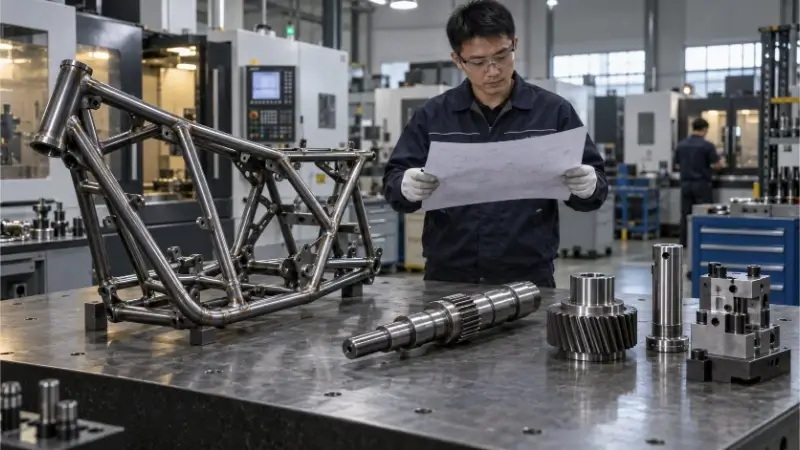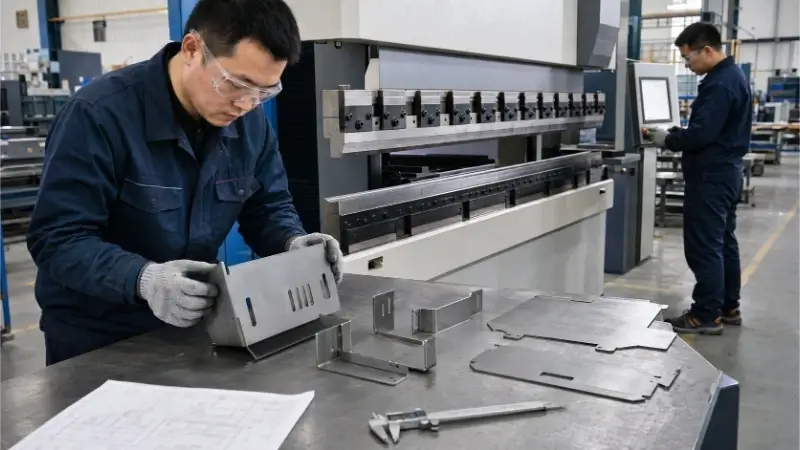
Os fabricantes enfrentam frequentemente o desafio de produzir peças precisas e, ao mesmo tempo, controlar os custos e os prazos de entrega. A maquinagem com desvio oferece uma forma simples e eficaz de ajustar os percursos de corte, melhorar a precisão e prolongar a vida útil da ferramenta. Esta abordagem ajuda as empresas a reduzir os erros e a produzir peças consistentes sem correcções manuais. Os engenheiros e gestores podem utilizar a maquinagem de offset para afinar a produção e melhorar a eficiência nas operações diárias.
Este método dá às equipas um maior controlo sobre os resultados da maquinação e facilita o equilíbrio entre velocidade e precisão. As secções seguintes exploram os métodos, as vantagens e as utilizações práticas da maquinagem offset.
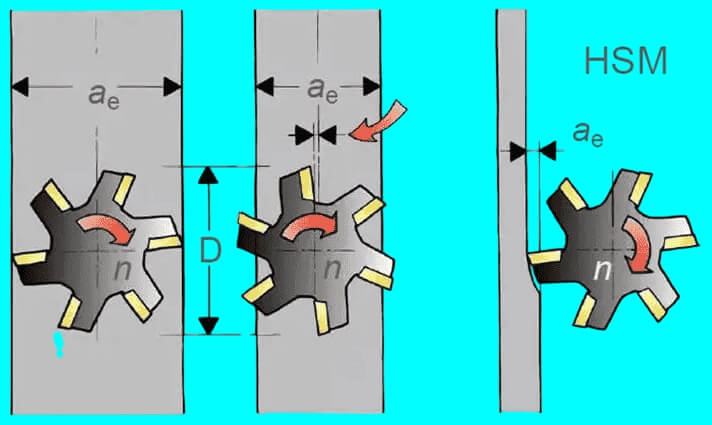
O que é a maquinagem offset?
A compensação de desvio é um ajuste numérico efetuado diretamente no painel de controlo CNC para compensar variações físicas no tamanho da ferramenta, no posicionamento da peça ou no desgaste da ferramenta.
Este processo alinha a posição real da máquina com as coordenadas do código G programadas, permitindo aos operadores atingir tolerâncias rigorosas sem alterar o programa principal.
Por que é que as oficinas de CNC ajustam os deslocamentos em vez de reescreverem os programas?
O desenho CAD e o programa CAM representam um ideal teórico. Na oficina, as ferramentas sofrem desgaste e as dimensões da matéria-prima variam em frações de milímetro.
Parar uma máquina Haas ou Mazak para modificar e reenviar o código G com vista a um ajuste de 0,02 mm devido ao desgaste da ferramenta implica um tempo de inatividade excessivo. Este impacto direto no tempo de atividade da máquina aumenta rapidamente o custo por peça.
Os deslocamentos mantêm a linha de produção em funcionamento. O código G principal define a geometria ideal, enquanto os deslocamentos informam ao sistema de controlo, em tempo real, os limites físicos exatos das ferramentas e dos materiais.
Por que é que as máquinas CNC precisam de desvios para produzir peças precisas?
Um programa CNC pode ser matematicamente impecável, mas as peças físicas podem, mesmo assim, não passar na inspeção. O código digital opera num espaço de coordenadas perfeito, enquanto a maquinação física envolve tolerâncias mecânicas, deflexão da ferramenta e variações na matéria-prima.
Coordenadas da máquina
Todos os Máquina CNC tem um ponto zero fixo, definido de fábrica, conhecido como posição inicial. Como a matéria-prima é colocada num torno ou num dispositivo de fixação situado noutro local da mesa da máquina, o sistema de controlo precisa de uma forma de colmatar essa diferença.
Os deslocamentos convertem as coordenadas absolutas da máquina para o sistema de coordenadas local do desenho técnico específico da peça.
Variações no comprimento da ferramenta
Não há duas ferramentas de corte com o mesmo comprimento. Mesmo fresas idênticas do mesmo lote ficam posicionadas de forma diferente quando apertadas nos respetivos porta-ferramentas.
Se o controlo CNC partir do princípio de que todas as ferramentas têm o comprimento nominal programado no software CAM, o fuso irá cortar com uma profundidade insuficiente ou provocar uma colisão com consequências dispendiosas.
Variações no diâmetro da ferramenta
O diâmetro real de corte de uma fresa varia devido às tolerâncias de fabrico ou ao reafiamento da ferramenta. Uma fresa com diâmetro nominal de 12 mm mede frequentemente cerca de 11,97 mm.
Sem as correções de diâmetro, este pequeno desvio traduz-se diretamente em ranhuras demasiado largas ou perfis exteriores demasiado estreitos. No caso de componentes de precisão, isto faz com que as montagens falhem facilmente nas verificações de ajuste.
Erros de posicionamento da peça
Ao fixar uma peça de metal num torno, a sua posição exata varia ligeiramente de peça para peça devido à acumulação de pequenas limalhas ou aos limites de repetibilidade do sistema de fixação.
Os desvios corrigem estes pequenos erros de posicionamento. Isto garante que a ferramenta entre em contacto com a matéria-prima exatamente no local previsto no desenho técnico.
Que desvios CNC devem ser definidos antes do início da usinagem?
Antes de iniciar o ciclo, o operador da máquina deve estabelecer uma linha de referência. A definição destes desvios específicos garante que a configuração física corresponde exatamente às instruções digitais, evitando o desperdício na primeira peça.
Compensações de trabalho
Estes deslocamentos (normalmente G54 a G59 nos controlos Fanuc ou Haas) definem o ponto zero da peça em relação à máquina.
Aplicação na linha de produção: Ao executar um lote de grande volume num dispositivo de fixação com várias estações, o operador atribui o código G54 ao primeiro torno, o G55 ao segundo e assim sucessivamente. Isto permite que um único programa de código G seja executado em vários pontos físicos da mesa, maximizando a utilização da máquina.
Compensações de comprimento da ferramenta
Este valor (ativado através do G43) indica à máquina a distância exata entre a ponta do fuso e a ponta da ferramenta de corte.
Aplicação na linha de produção: Se uma broca se partir a meio do ciclo durante a produção, o operador substitui-a, mede o novo conjunto num aparelho de calibração de ferramentas e atualiza o desvio de comprimento para essa estação de ferramentas específica. A produção retoma com precisão, sem necessidade de editar uma única linha do programa mestre.
Desvios do raio da ferramenta
Também conhecido como compensação da fresa (G41/G42), este parâmetro desloca o percurso da ferramenta para a esquerda ou para a direita pelo raio real da fresa.
Aplicação na linha de produção: Ao fresar um encaixe apertado para um componente aeroespacial, a primeira passagem pode deixar a peça 0,05 mm abaixo das especificações. O operador introduz um ligeiro ajuste no desvio do raio e a máquina recalcula o percurso na passagem seguinte, colocando a peça dentro das especificações.
Compensações por desgaste da ferramenta
Os ajustes de desgaste permitem aos operadores efetuar microajustes no painel de controlo para compensar a perda gradual de material da ferramenta durante ciclos de produção prolongados.
Aplicação na linha de produção: Durante uma produção de 2 000 peças de aço inoxidável 304, a natureza abrasiva do material desgasta, como seria de esperar, as pastilhas de metal duro.
Em vez de descartar imediatamente uma ferramenta utilizável quando o diâmetro exterior se aproxima do limite de tolerância, o operador introduz uma compensação de desgaste negativa de 0,01 mm. Isto prolonga a vida útil da ferramenta em até 30%, mantendo as dimensões estáveis.
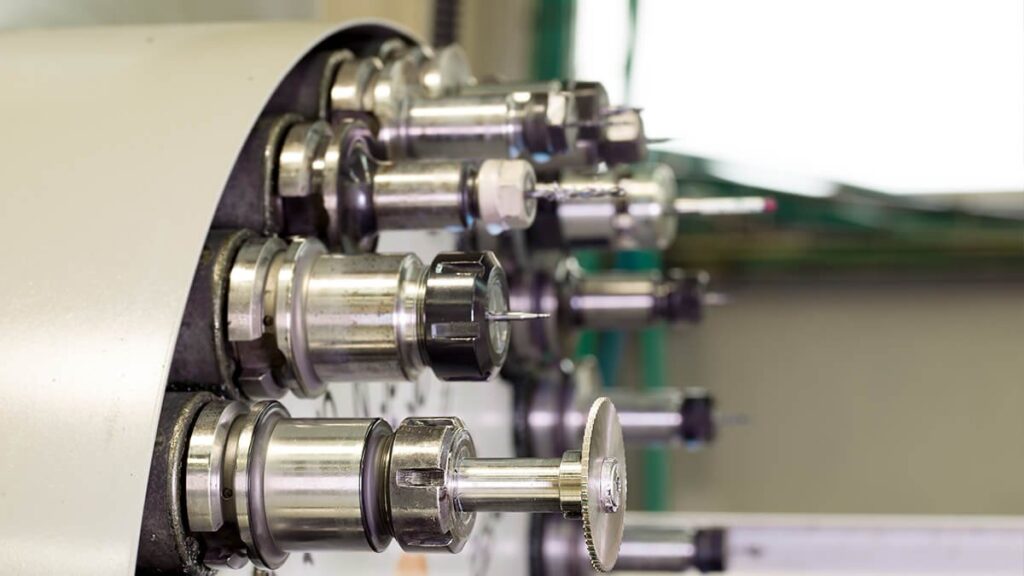
Como é que os desvios controlam a precisão das peças durante a produção?
Um percurso de ferramenta programado corretamente é apenas o ponto de partida. Durante um ciclo de produção real, o ambiente de maquinagem é altamente dinâmico. Os desvios fornecem os mecanismos de controlo necessários para lidar com as alterações físicas na máquina, nas ferramentas e no material, garantindo que as dimensões finais se mantêm estáveis desde a primeira peça até à última.
Controlo da tolerância
A manutenção de tolerâncias rigorosas exige frequentemente ajustes inferiores à espessura de um fio de cabelo. Quando um inspetor constata que um furo apresenta um diâmetro 0,01 mm abaixo do especificado, reescrever o modelo CAD/CAM é extremamente ineficiente.
Em vez disso, o operador ajusta o desvio do diâmetro da ferramenta no painel de controlo. Este microajuste corrige imediatamente o percurso de corte para o ciclo seguinte, mantendo a peça perfeitamente dentro da banda de tolerância especificada.
Compensação do desgaste da ferramenta
Todas as ferramentas de corte sofrem desgaste à medida que removem metal. Ao maquinar materiais mais resistentes, como o aço Q235 ou o aço inoxidável 316, a aresta de corte de uma pastilha de metal duro vai-se lascando ou achatando gradualmente.
Em vez de substituir a ferramenta imediatamente, os operadores utilizam a página de compensação de desgaste para ajustar gradualmente o raio ou o comprimento definido da ferramenta. Isto compensa a perda de metal duro, permitindo que a ferramenta mantenha as dimensões precisas e o acabamento superficial (Ra) exigido antes de a pastilha ficar completamente cega.
Consistência na configuração
A produção envolve frequentemente a execução do mesmo trabalho em máquinas diferentes ou ao longo de vários turnos. Um dispositivo de fixação colocado na Máquina A nunca ficará exatamente na mesma posição microscópica na Máquina B.
As compensações de trabalho absorvem essas discrepâncias físicas. Ao definir um ponto zero G54 específico para cada configuração da máquina, as peças resultantes mantêm-se consistentes, independentemente do fuso físico que estiver a realizar o corte ou do operador que tenha carregado o dispositivo de fixação.
Redução de resíduos
Os custos dos materiais e o tempo de máquina determinam a rentabilidade de uma série de produção. Ter de descartar um bloco de alumínio padrão é um incómodo, mas ter de descartar um componente complexo de titânio ou uma peça fundida de alto valor devido a desvios dimensionais é desastroso.
Ao monitorizar ativamente as dimensões das peças e atualizar os desvios antes de se ultrapassar o limite de tolerância, as oficinas evitam a produção de peças com defeito. Este ajuste proativo protege diretamente a margem de lucro e garante prazos de entrega fiáveis para os compradores.
Como é que as oficinas de CNC medem e gerem os desvios?
A precisão de um desvio depende inteiramente do método de medição utilizado para o determinar. Dependendo do nível tecnológico da oficina e do volume de produção, os métodos de medição e introdução dos desvios variam significativamente.
Ajuste manual da ferramenta
Durante décadas, os operadores definiram as compensações manualmente utilizando localizadores de bordas, blocos de referência 1-2-3 ou simplesmente encostando a ferramenta a um pedaço de papel colocado sobre a peça.
Embora este método exija um investimento mínimo em equipamento, depende em grande medida da competência do operador. Além disso, acarreta o risco de erro humano, como a introdução incorreta de um ponto decimal no painel de controlo, o que continua a ser uma das principais causas de avarias nas máquinas.
Ajustadores de ferramentas
Os ambientes de alta produção recorrem frequentemente a aparelhos de pré-ajuste de ferramentas offline para medir o comprimento e o diâmetro das ferramentas. A ferramenta é colocada numa máquina de medição ótica específica, fora do CNC.
Os dados exatos de deslocamento são então enviados diretamente para o sistema de controlo da máquina através de uma ligação de rede ou de um chip RFID. Este método aumenta drasticamente o tempo de funcionamento do fuso — a máquina continua a cortar peças em vez de ficar parada enquanto um operador mede as ferramentas manualmente. Para os gestores de compras, esta eficiência traduz-se diretamente em prazos de entrega mais rápidos e fiáveis.
Sondas de contacto
As máquinas CNC modernas integram frequentemente sondas de contacto montadas no fuso, como as fabricadas pela Renishaw ou pela Blum. Estas sondas tocam fisicamente na matéria-prima ou no dispositivo de fixação antes do início do ciclo.
Aplicação na linha de produção: O programa de macro lê a posição exata da sonda e grava automaticamente os valores corretos de X, Y e Z diretamente no registo de desvio de trabalho G54. Isto elimina erros de introdução manual de dados e garante que o ponto zero da peça fica perfeitamente alinhado sempre que se carrega uma nova peça em bruto.
Verificação do desvio
Mesmo com sistemas automatizados, a verificação dos desvios antes do corte de uma peça de produção é uma etapa obrigatória no controlo de qualidade.
Aplicação na linha de produção: Antes de iniciar uma série de produção completa, o operador executa um Inspeção do primeiro artigo (FAI) ou um teste de simulação. Ao executar a primeira ferramenta, os operadores experientes reduzem a velocidade de avanço rápido e observam atentamente a indicação da «Distância restante» no ecrã de controlo. Detetar um ponto decimal mal colocado durante esta aproximação lenta evita um acidente dispendioso e garante a segurança do processo de maquinagem para todo o lote.
O que causa erros de desvio e como evitá-los?
Mesmo com uma configuração perfeita, ocorrem erros de maquinagem. Quando um desvio ocorre, isso deve-se geralmente a um descuido do operador, a falhas nos procedimentos ou a variáveis ambientais. Compreender estes pontos de falha é fundamental para manter baixas as taxas de rejeição.
Valores de desvio incorretos
Os erros tipográficos são a causa mais comum de falhas no deslocamento. Introduzir um valor positivo em vez de um negativo, ou esquecer-se de colocar a vírgula decimal, transforma um pequeno ajuste de desgaste de 0,05 mm numa colisão catastrófica da ferramenta contra o torno, com um desvio de 0,5 mm.
Protocolos rigorosos de introdução de dados mitigam este risco. Muitos controlos CNC modernos podem ser bloqueados para impedir que os operadores introduzam alterações de desvio superiores a um limite predefinido (por exemplo, bloqueando ajustes superiores a 0,1 mm) sem a chave de um supervisor.
Erros na substituição de ferramentas
Quando um operador substitui uma fresa desgastada ou uma broca lascada, deve lembrar-se de medir a nova ferramenta e atualizar os registos de desvio de comprimento e diâmetro correspondentes.
Se a tabela não for atualizada — ou se a altura da Ferramenta 1 for introduzida no registo da Ferramenta 2 (selecionando a T1 mas lendo a H2) — a peça seguinte será imediatamente descartada. As fichas de configuração padronizadas e a leitura de códigos de barras para o carregamento das ferramentas ajudam a eliminar esta confusão.
Coordenadas de trabalho incorretas
Uma mesa de máquina que suporta vários dispositivos de fixação utiliza vários deslocamentos de trabalho (G54, G55, G56). Se o operador carregar uma peça em bruto no dispositivo de fixação G55, mas se esquecer de comandar a máquina para mudar para o sistema de coordenadas G55, o fuso tentará executar o programa no espaço vazio — ou pior ainda, colidirá com o dispositivo de fixação errado.
Uma identificação clara dos acessórios e a realização de uma verificação de simulação sobre a peça antes do primeiro corte constituem uma medida de segurança fiável contra confusões nas coordenadas.
Desvio térmico
Uma máquina que corta metal durante oito horas seguidas gera um calor significativo. À medida que o fuso e os fusos de esferas aquecem, os componentes metálicos expandem-se. Esta variação térmica provoca um desvio na posição física da ferramenta, afetando frequentemente a profundidade do eixo Z em vários micrómetros.
As oficinas profissionais combatem esta situação executando uma rotina específica de aquecimento do fuso antes do início do turno da manhã. Permitir que a máquina atinja o equilíbrio térmico antes de definir os desvios precisos evita o desvio na primeira peça. Em ciclos de produção contínuos, os operadores medem periodicamente as dimensões e atualizam os desvios de desgaste para compensar manualmente a expansão térmica.
Como avaliar a capacidade de gestão de compensações de um fornecedor?
Para os gestores de compras, a gestão das desvios não é apenas um pormenor técnico no chão de fábrica — é um indicador direto do controlo de processos de um fornecedor. Uma oficina mecânica que não gere bem os desvios irá inevitavelmente sofrer com elevadas taxas de rejeição, atrasos nas entregas e qualidade inconsistente dos lotes.
Eis o que deve ter em conta ao avaliar um parceiro de fabrico.
Controlo do desgaste das ferramentas
Pergunte ao fornecedor como é que este gere a vida útil das ferramentas durante a produção em grande escala. Será que utilizam as ferramentas até estas falharem e terem de descartar uma peça?
Um fornecedor de confiança utiliza dados do Controlo Estatístico de Processos (SPC) para prever o desgaste das ferramentas. Ajusta proativamente as correções de desgaste para manter as dimensões centradas no valor-alvo do Cpk, em vez de deixar que as peças se desviem para os limites extremos da banda de tolerância aceitável.
Verificação do deslocamento de trabalho
Como é que a fábrica verifica a configuração antes de dar o sinal de partida para uma produção de 500 peças? Os fornecedores de renome seguem protocolos rigorosos de Inspeção do Primeiro Artigo (FAI). Recorrem a testes de simulação e a verificações do «caminho a percorrer» para confirmar cada parâmetro G54 e cada desvio de comprimento da ferramenta antes de cortar a primeira peça do material de produção.
Sistemas de medição automatizados
Observe o equipamento presente na sua área de produção. A presença de sondas de contacto montadas no fuso (como as da Renishaw) e de aparelhos de pré-ajuste de ferramentas offline demonstra um investimento significativo na repetibilidade. A medição automatizada elimina o erro humano do processo de compensação e melhora drasticamente a Eficácia Global do Equipamento (OEE), mantendo o fuso em funcionamento em vez de se ter de esperar por inspeções manuais.
Consistência entre várias configurações
Muitas peças complexas requerem duas ou três configurações distintas para a usinagem de todos os lados. Pergunte como o fornecedor mantém as relações dimensionais entre a Configuração 1 e a Configuração 2. Uma oficina competente utiliza transferências precisas de deslocamento de trabalho e garras flexíveis personalizadas para garantir que o ponto de referência da peça permaneça perfeitamente alinhado quando a peça é virada.
Conclusão
Os deslocamentos são o elo essencial entre um modelo CAD digital e o corte físico de metal. Ao gerir as coordenadas de trabalho, a geometria da ferramenta e o desgaste da ferramenta diretamente no painel de controlo, os operadores de CNC mantêm tolerâncias rigorosas estáveis sem terem de reescrever constantemente os programas. Para os gestores de compras, a parceria com um fornecedor que utilize protocolos rigorosos de deslocamento traduz-se diretamente em custos mais baixos, menos lotes rejeitados e prazos de entrega fiáveis.
Com mais de 10 anos de experiência em engenharia, a equipa da Shengen compreende as realidades críticas do chão de fábrica. Seja na otimização das compensações de desgaste para componentes complexos usinados por CNC ou na gestão de tolerâncias rigorosas na fabricação de chapas metálicas, mantemos um controlo rigoroso dos processos, desde a prototipagem rápida até à produção em série. Contacte-nos hoje mesmo para discutir a sua próxima série de produção.
FAQs
Qual é a diferença entre o desvio da ferramenta e o desvio da peça?
Um desvio de peça (como o G54) indica à máquina a localização da matéria-prima na mesa. Um desvio de ferramenta indica à máquina o comprimento e o diâmetro específicos da ferramenta de corte atualmente no fuso. Ambos devem ser definidos corretamente para se poder maquinar uma peça válida.
Com que frequência devem ser ajustados os desvios durante a produção?
Isso depende inteiramente do material, da ferramenta e da tolerância exigida. A maquinação de materiais abrasivos, como ferro fundido ou titânio, requer ajustes de desvio mais frequentes do que o corte de alumínio 6061. Normalmente, os operadores medem as características críticas a cada 10 a 50 peças para determinar se é necessário um microajuste.
O software CAM gere os desvios automaticamente?
O software CAM gera o percurso teórico da ferramenta. É o pós-processador do software que gera os comandos específicos do código G (como G43 para o comprimento ou G41 para a compensação do raio), instruindo a máquina a ler um registo de desvio. No entanto, os valores físicos — o comprimento exato medido da ferramenta ou a localização do torno — devem ser introduzidos no painel de controlo da máquina na oficina.
Olá, chamo-me Kevin Lee

Nos últimos 10 anos, tenho estado imerso em várias formas de fabrico de chapas metálicas, partilhando aqui ideias interessantes a partir das minhas experiências em diversas oficinas.
Entrar em contacto
Kevin Lee
Tenho mais de dez anos de experiência profissional no fabrico de chapas metálicas, especializando-me em corte a laser, dobragem, soldadura e técnicas de tratamento de superfícies. Como Diretor Técnico da Shengen, estou empenhado em resolver desafios complexos de fabrico e em promover a inovação e a qualidade em cada projeto.
Recursos relacionados
Materiais para prototipagem: como escolher o material certo
União por prensagem em chapa metálica: conceção, custo e qualidade