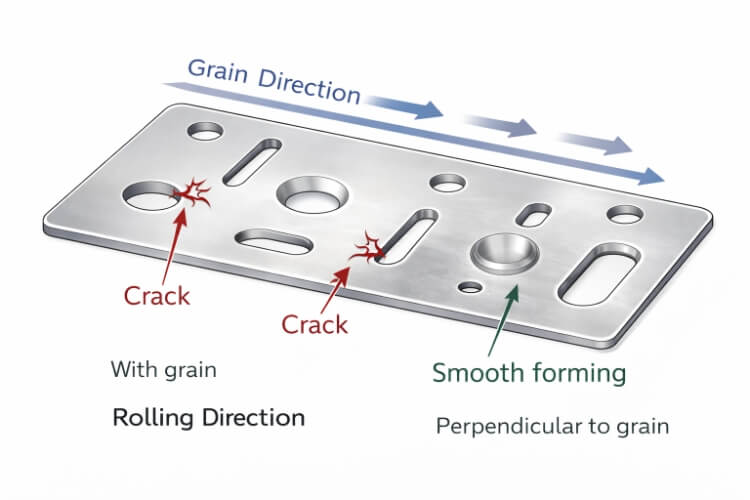
Molte linee di assemblaggio si trovano oggi ad affrontare gli stessi problemi. Gli ingegneri vedono una qualità di fissaggio non uniforme. Vedono anche una rapida usura degli utensili. I sistemi pneumatici e idraulici richiedono spesso una manutenzione frequente. Questi problemi riducono l'affidabilità del prodotto. E diventano più gravi quando i team lavorano con materiali sottili, leggeri o rivestiti.
Per risolvere questi problemi, molti produttori utilizzano oggi le servo-presse. Queste macchine funzionano con motori elettrici. Non dipendono dall'olio o dall'aria compressa. Il sistema offre un controllo preciso della forza, della posizione e della velocità in ogni ciclo. Questo livello di controllo contribuisce a creare una resistenza stabile del giunto. Inoltre, riduce i tempi di ciclo. Allo stesso tempo, consente al sistema di registrare i dati di processo per il monitoraggio della qualità.
Oggi le servopresse sono ampiamente utilizzate in diversi settori industriali. Tra questi, la produzione automobilistica, l'assemblaggio di batterie EV, il settore aerospaziale e la produzione elettronica. In questi settori, la qualità costante dei giunti è importante. I dati di processo e la tracciabilità svolgono inoltre un ruolo fondamentale nel soddisfare i requisiti di sicurezza e conformità.

Che cosa sono le operazioni di rivettatura e di fissaggio?
La rivettatura e la clinciatura sono due metodi di fissaggio fondamentali che danno forma ai moderni assemblaggi metallici. La comprensione del funzionamento di ciascun processo ci spiega perché il servocontrollo fa una differenza così netta in termini di coerenza e qualità.
Rivettare: Creare giunzioni permanenti e ad alta resistenza
Rivincita è un processo di fissaggio meccanico. Un operaio posiziona un rivetto attraverso i fori preforati nei pezzi. La pressa deforma il rivetto per bloccare le parti. Questo metodo crea un giunto permanente. Molti produttori lo utilizzano quando hanno bisogno di un'elevata resistenza alla fatica. Funziona bene anche per unire materiali diversi, come l'acciaio e l'alluminio o le leghe di titanio.
Nelle industrie di precisione, come quella aerospaziale, il controllo della forza è fondamentale. La pressa deve applicare la forza entro un intervallo ristretto. Una forza eccessiva può causare crepe o danni alla superficie. Una forza troppo bassa può indebolire il giunto. Le presse servocontrollate mantengono la forza di formatura entro circa ±1% dal valore target. Questo controllo aiuta a produrre teste di rivetti uniformi.
Incollaggio: giunzione senza ulteriori elementi di fissaggio
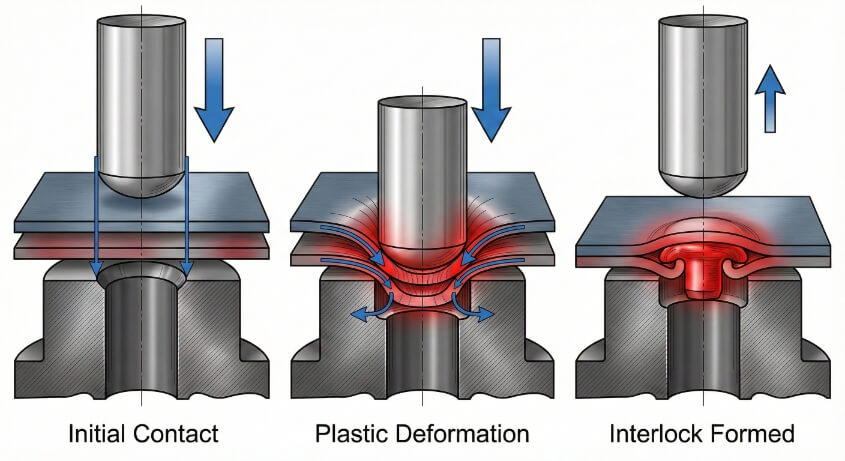
Il clinching è chiamato anche giunzione a pressione. Unisce la lamiera formando un blocco locale tra gli strati. Il processo utilizza una deformazione controllata del materiale. Non richiede rivetti, saldature o adesivi. Molti produttori utilizzano il clinching per l'alluminio e l'acciaio rivestito. Il processo non genera calore. Inoltre, evita i fumi e la contaminazione della superficie.
Una servopressa offre agli ingegneri un controllo preciso del movimento. Gli ingegneri possono regolare la curva di movimento per ogni coppia di materiali. Una breve sosta vicino alla parte inferiore, al centro, aiuta a formare un incastro completo. Questa fase protegge anche i rivestimenti superficiali da eventuali danni. In molti casi, i giunti clincizzati raggiungono circa 80-90% della resistenza delle saldature a punti. Allo stesso tempo, il processo non crea schizzi e non richiede una pulizia successiva.
Limiti dei sistemi di stampa tradizionali
Le vecchie presse pneumatiche, idrauliche e meccaniche faticano a soddisfare gli standard odierni di precisione ed efficienza. Esaminando i loro punti deboli, si capisce perché i produttori stanno passando ai sistemi servo-guidati.
| Tipo di stampa | Controllo della forza | Manutenzione | Uso dell'energia | Precisione tipica | Problema comune |
|---|---|---|---|---|---|
| Pneumatico | Scarsa (comprimibilità dell'aria) | Da basso a medio | Moderare | ±10% | Forza incoerente |
| Idraulico | Alto ma difficile da stabilizzare | Alto (perdite, invecchiamento del fluido) | Alto | ±5% | Contaminazione da olio, rumore |
| Meccanico | Curva fissa, non regolabile | Medio | Medio | ±5-8% | Nessun controllo adattivo |
| Servo (elettrico) | Eccellente (ciclo chiuso) | Basso | Basso | ±1% | - |
Presse pneumatiche: Erogazione di forza incoerente
Le presse pneumatiche utilizzano aria compressa per generare forza. La pressione dell'aria varia in base alla temperatura e alle condizioni di alimentazione. Anche piccole variazioni possono causare variazioni di forza fino a ±10%. Questo livello di variazione è troppo elevato per lavori di assemblaggio di precisione.
Di conseguenza, la qualità delle articolazioni diventa instabile. Alcuni giunti possono essere troppo allentati, mentre altri possono essere eccessivamente compressi. I disallineamenti e le rilavorazioni diventano più comuni. Nel tempo, perdite d'aria, valvole usurate e contaminazione riducono ulteriormente l'affidabilità del sistema.
Presse idrauliche: Uso elevato di energia e manutenzione pesante
Le presse idrauliche possono generare una forza elevata. Si basano su pompe che spesso funzionano in modo continuo. Anche quando la pressa è inattiva, il sistema consuma energia per mantenere la pressione. In molti casi, il consumo di energia può essere fino a 70% superiore a quello di un sistema servoassistito.
L'olio idraulico crea anche dei rischi. Le perdite di olio possono contaminare le parti e le aree di lavoro. Le variazioni di temperatura influiscono sulla viscosità dell'olio. Questa variazione altera la forza di pressatura e riduce la coerenza del processo durante la produzione.
Presse meccaniche: Alta velocità ma controllo limitato
Le presse meccaniche utilizzano un movimento fisso della manovella. Il profilo del movimento non può cambiare durante la corsa. Queste presse funzionano bene per la formatura ad alta velocità. Tuttavia, mancano della flessibilità necessaria per le attività di assemblaggio più delicate.
Il movimento fisso rende difficile il controllo della forza su materiali sottili o giunti stratificati. Un impatto elevato nella parte inferiore della corsa può aumentare l'usura dell'utensile. Può anche causare variazioni nei pezzi nel tempo.
Come la tecnologia della servo pressa cambia il gioco?
La tecnologia Servo sostituisce l'aria e l'olio con la precisione digitale. Scopriamo come il controllo ad anello chiuso e il movimento programmabile consentono una qualità stabile, un funzionamento più pulito e una maggiore efficienza produttiva.
Controllo preciso di forza, posizione e velocità
Le servopresse utilizzano un sistema di controllo ad anello chiuso. Il sistema combina gli encoder del motore per il controllo della posizione e le celle di carico per la misurazione della forza. Il controllore confronta i valori in tempo reale con le impostazioni programmate. Regola l'uscita ogni pochi millisecondi per mantenere la stabilità del processo.
Questo controllo consente una precisione molto elevata. Le servo-presse possono raggiungere una precisione di posizione di ±0,01 mm. Possono inoltre mantenere la ripetibilità della forza entro ±1%. Le presse pneumatiche mostrano spesso variazioni di forza fino a ±10% nelle stesse condizioni.
Per gli ingegneri, questo significa che la pressa può eseguire profili di movimento complessi:
- Approccio rapido per ridurre i tempi di inattività.
- Fase di formazione lenta vicino alla parte inferiore, al centro, per evitare una compressione eccessiva.
- Periodo di permanenza per consentire il flusso del materiale o la solidificazione (quando si utilizza la giunzione assistita dal calore).
- Ritrazione delicata per ridurre al minimo il ritorno elastico o il movimento del pezzo.
Grazie a questa flessibilità, un'unica servopressa può gestire più operazioni di giunzione. Può eseguire la clinciatura leggera e la rivettatura profonda sulla stessa macchina. Non è necessario alcun cambio meccanico.
Monitoraggio in tempo reale e registrazione dei dati
Ogni corsa della servo-pressa crea un record digitale. Questo record è una curva forza-spostamento. La curva illustra il comportamento del giunto durante l'intero processo di pressatura. Gli ingegneri usano questa curva come riferimento per la qualità. Quando si verificano problemi, come un disallineamento del pezzo, un rivetto mancante o una variazione dello spessore del materiale, il sistema li rileva immediatamente.
Gli operatori possono impostare bande di tolleranza per il processo. Queste fasce definiscono i limiti di forza superiore e inferiore in diverse fasi della corsa. Quando la curva si sposta al di fuori dell'intervallo consentito, la pressa reagisce automaticamente. Può interrompere il ciclo o contrassegnare il pezzo per l'ispezione. Questo controllo precoce impedisce alle giunzioni difettose di passare al processo successivo. Inoltre, riduce la rilavorazione e il rischio di garanzia.
Il sistema registra anche i dati di processo per ogni ciclo. Questi dati supportano la completa tracciabilità e aiutano a soddisfare standard come IATF 16949 e AS9100. La pressa può memorizzare dettagli come tempo di ciclo, forza, posizione, ID operatore e ID pezzo. I dati possono rimanere sulla macchina o essere trasferiti a un sistema MES di fabbrica.

Efficienza energetica e funzionamento pulito
I sistemi servo utilizzano l'energia solo quando la pressa è in movimento. Le presse idrauliche fanno funzionare continuamente le pompe. Quando una pressa servoassistita è inattiva, il consumo di energia è prossimo allo zero. Durante la decelerazione, il motore può recuperare energia e rimandarla al sistema di alimentazione. Questo migliora l'efficienza complessiva.
Nelle linee di produzione reali, questo design consente spesso di risparmiare 30-70% di energia. Il risparmio esatto dipende dalla velocità del ciclo e dalla forza richiesta. Le servo presse, inoltre, non utilizzano olio idraulico. Ciò elimina il rischio di perdite, contaminazione dei pezzi o odore di olio. Inoltre, eliminano le variazioni di forza causate dalle variazioni di temperatura della viscosità dell'olio.
L'azionamento elettrico è molto più silenzioso. I livelli di rumorosità sono spesso inferiori di 10-15 dB rispetto a quelli delle presse tradizionali. Questo vantaggio è importante in ambienti con camere bianche. Inoltre, migliora il comfort e la sicurezza degli operatori in officina.
Programmazione flessibile per diversi tipi di giunti
Ogni prodotto ha esigenze di giunzione diverse. Lo spessore della lastra può cambiare. Anche la durezza del materiale e i rivestimenti superficiali variano. La geometria dei pezzi aggiunge ulteriore complessità. Una pressa servoassistita gestisce questi cambiamenti attraverso il controllo del software.
I tecnici possono creare più programmi di stampa in anticipo. Ogni programma definisce la velocità, la forza, il tempo di sosta e la distanza di ritrazione. Gli operatori possono passare da un programma all'altro istantaneamente. Non è necessaria alcuna regolazione meccanica. Questa flessibilità si adatta alla produzione ad alto dosaggio e a basso volume. Funziona bene anche in linee automatizzate con una varietà di tipi di pezzi.
Le servopresse più avanzate supportano l'integrazione diretta dei sistemi. Possono collegarsi a robot e sistemi di controllo attraverso reti industriali standard. Quando un robot carica un nuovo pezzo, la pressa può selezionare automaticamente il programma corretto. Questo riduce gli errori di impostazione. Inoltre, garantisce risultati coerenti tra i diversi prodotti.
Applicazioni in tutti i settori
I sistemi di servo pressatura sono diventati essenziali nei settori in cui precisione, ripetibilità e pulizia sono fondamentali. Vediamo come questi vantaggi si traducono in risultati reali.
Assemblaggio di autoveicoli e veicoli elettrici
Nella produzione automobilistica, la qualità del fissaggio ha un impatto significativo sulla sicurezza e sull'affidabilità a lungo termine. Molte presse pneumatiche e idrauliche tradizionali hanno difficoltà a gestire pannelli in alluminio, materiali misti e grandi volumi che richiedono una rigorosa tracciabilità della qualità.
Le presse servoassistite risolvono questi problemi. Mantengono il controllo della forza entro ±1% a ogni ciclo. Questa stabilità garantisce una resistenza uniforme dei giunti, anche su centinaia di migliaia di pezzi. Nell'assemblaggio delle batterie EV, la chiusura servo-controllata aiuta a prevenire la distorsione dei pannelli. Inoltre, supporta una sigillatura precisa nei moduli batteria sensibili.
Le servopresse si integrano bene anche nelle linee di produzione automatizzate. I robot caricano i pezzi e la pressa controlla ogni giunto utilizzando la sua curva forza-spostamento. Quando un giunto non rientra nei limiti stabiliti, il sistema lo segnala immediatamente.
Aerospaziale ed elettronica
I componenti aerospaziali richiedono tolleranze molto strette e condizioni di assemblaggio pulite. Durante la rivettatura o il fissaggio di alluminio, titanio o materiali compositi, il controllo della forza è fondamentale. Anche un leggero aumento della forza può causare microfratture o la separazione degli strati.
Le servo presse riducono questo rischio grazie al movimento programmabile e al feedback in tempo reale. Gli ingegneri possono rallentare la fase finale di formatura di circa 30-50% vicino al punto morto inferiore. Questo movimento più lento aiuta il materiale a deformarsi in modo uniforme. Inoltre, limita le sollecitazioni sulle strutture sottili o stratificate.
Nell'assemblaggio dei componenti elettronici, la pulizia è altrettanto importante. I circuiti stampati e le parti rivestite devono essere privi di olio e detriti. Le servopresse funzionano senza olio idraulico e producono un basso livello di rumore. Il loro design compatto e pulito supporta gli ambienti di camera bianca di Classe 8 ISO.
Automazione e integrazione della robotica
Molte fabbriche moderne utilizzano oggi servopresse all'interno di celle robotizzate automatizzate. Queste presse sono collegate a robot, trasportatori e sistemi di visione tramite reti industriali standard. Questo collegamento consente a tutte le apparecchiature di funzionare come un unico sistema coordinato.
In una configurazione tipica, un robot individua e posiziona il pezzo utilizzando una telecamera. La pressa esegue quindi l'operazione di giunzione con un movimento controllato. Allo stesso tempo, la pressa registra la curva forza-spostamento. Controlla se la curva rimane entro i limiti definiti. Il sistema invia quindi il risultato al sistema MES o SPC della fabbrica.
Quando la pressa rileva una curva anomala, come un picco di forza troppo basso, la cella reagisce immediatamente. Può interrompere il processo o contrassegnare il pezzo per la revisione. Questa verifica ad anello chiuso elimina la necessità di ispezioni manuali. Inoltre, riduce gli scarti e supporta il miglioramento continuo del processo attraverso l'analisi dei dati.

Qualità del processo e considerazioni sugli utensili
Anche il miglior sistema di servoassistenza dipende da un'attrezzatura e da un controllo di processo efficaci. Qui esamineremo come gli ingegneri assicurano giunti perfetti grazie a una progettazione intelligente e al monitoraggio dei dati.
Importanza della progettazione degli utensili
Nella rivettatura e nella clinciatura, la progettazione degli utensili gioca un ruolo fondamentale nella qualità del giunto. La forma del punzone e della matrice controlla il modo in cui il materiale scorre e si blocca in posizione. Anche piccole modifiche possono essere importanti. Una variazione di 0,1 mm nella profondità della cavità della matrice o una variazione di 2° nell'angolo del punzone possono influire notevolmente sulla resistenza del giunto.
Utensili ben progettati facilitano un flusso di materiale stabile. In questo modo si evitano cricche, lacerazioni o interlacci deboli. Molti ingegneri utilizzano la simulazione a elementi finiti per studiare in anticipo la deformazione del materiale. Queste simulazioni aiutano a perfezionare la geometria dello stampo prima della realizzazione dell'utensile.
Durante la produzione, la servopressa ripete lo stesso profilo di movimento con grande precisione. Questo movimento corrisponde all'intento progettuale dell'utensile ad ogni ciclo. Il contatto controllato riduce i carichi d'impatto e d'urto. Di conseguenza, la durata degli utensili aumenta spesso di 20-30% rispetto alle presse pneumatiche o meccaniche.
Giunzione multistrato e di materiali dissimili
Molti prodotti moderni utilizzano strutture leggere. Questi progetti spesso combinano materiali diversi, come l'alluminio con l'acciaio o le lamiere rivestite con il metallo nudo. Ogni strato ha una diversa resistenza allo snervamento. Per questo motivo, la forza di formatura deve cambiare durante la corsa.
Le servo-presse affrontano molto bene questa sfida. Utilizzano un controllo adattivo basato su un feedback in tempo reale. Quando la pressa rileva la resistenza durante la formatura, regola al volo la coppia del motore. Questo controllo consente di mantenere la deformazione del materiale entro la gamma desiderata.
Con questo approccio, il giunto si forma in modo completo e costante. I rivestimenti superficiali rimangono intatti. Gli strati più morbidi non vengono compressi eccessivamente. Il risultato è un giunto forte e affidabile per tutte le pile di materiali misti.
Monitoraggio delle curve forza-spostamento
La curva forza-spostamento è uno strumento diagnostico fondamentale nella servo-giunzione. Mostra l'aumento e il rilascio della forza durante il processo di formatura. Ogni corsa crea la propria curva, che rappresenta il comportamento del giunto.
Anche piccole variazioni nella curva possono segnalare problemi. Queste variazioni possono indicare un'usura precoce dell'utensile, un disallineamento del pezzo o variazioni nello spessore o nella durezza del materiale. Tracciando queste curve nel tempo, gli ingegneri possono individuare i problemi prima che si traducano in difetti o fermi macchina.
Ad esempio:
- UN forza di picco inferiore può indicare un gioco eccessivo o l'usura dell'utensile.
- UN pendenza maggiore indica una variazione della durezza del materiale.
- UN altopiano precoce può indicare una sovrapposizione di fogli doppi o un orientamento errato delle parti.
Impostando gli inviluppi superiori e inferiori delle curve, i tecnici possono rilevare questi problemi in tempo reale. Alcuni sistemi classificano addirittura le curve in modo automatico grazie ad algoritmi di intelligenza artificiale, prevedendo i guasti agli utensili prima che si verifichino.
Scelta della servopressa giusta per la rivettatura o la calettatura
La scelta della servopressa più adatta comporta un bilanciamento tra tonnellaggio, precisione e capacità di integrazione. Di seguito sono riportati i fattori più critici da valutare.
Caratteristiche tecniche principali
| Parametro | Intervallo consigliato | Perché è importante |
|---|---|---|
| Forza nominale (kN) | 10-100 | Determina la capacità massima di formatura per vari spessori di lamiera e dimensioni dei rivetti. |
| Lunghezza della corsa (mm) | 50-200 | Definisce la flessibilità del movimento sia per le chiusure brevi che per la formazione di rivetti più profondi. |
| Precisione della posizione (mm) | ±0,01 o migliore | Assicura una profondità di giunzione costante e compensa le variazioni di spessore. |
| Precisione del controllo della forza | ±1% | Impedisce una pressione eccessiva e garantisce una resistenza ripetibile del giunto. |
| Gamma di velocità (mm/s) | 1-300 | Consente l'avvicinamento ad alta velocità con formatura controllata a bassa velocità. |
| Uscita dati / Connettività | EtherCAT, PROFINET, OPC UA | Consente l'integrazione con sistemi MES, SPC e robotici per una produzione intelligente. |
Precisione della posizione e della forza
Nel fissaggio di precisione, piccoli errori possono causare grandi problemi. Un errore di posizione di soli 0,05 mm può causare una scarsa espansione del rivetto o una bassa profondità di incastro. Questi problemi indeboliscono il giunto e ne riducono l'affidabilità.
Per questo motivo, i tecnici dovrebbero scegliere presse con encoder ad alta risoluzione, spesso intorno a 0,001 mm. Anche le celle di carico digitali svolgono un ruolo fondamentale. Insieme, contribuiscono a garantire che ogni corsa segua il profilo di forza e posizione pianificato.
Alcuni controllori avanzati aggiungono funzioni di autocalibrazione. Queste routine regolano automaticamente le letture di base. Riducono i tempi di impostazione e limitano l'impatto delle variazioni dell'operatore sull'accuratezza del processo.
Profilo di movimento e flessibilità di processo
Una servopressa dovrebbe offrire modalità di movimento programmabili, tra cui controllo della posizione, controllo della forza e controllo ibrido. Queste modalità consentono agli ingegneri di adattare il processo ai diversi materiali:
- Modalità di forza per una compressione omogenea nella chiusura dell'alluminio.
- Modalità di posizione per una profondità precisa dei rivetti.
- Modalità ibrida per la giunzione di materiali multistrato o rivestiti.
Le curve multi-segmento consentono una personalizzazione completa, ad esempio partendo velocemente, premendo lentamente in prossimità del contatto, soffermandosi brevemente e rientrando delicatamente.
Gestione dei dati e integrazione intelligente
Nelle fabbriche moderne, i dati di processo sono importanti quanto il prodotto finito. Una servopressa che registra ed esporta le curve di processo supporta il controllo qualità e la stabilità della produzione. Inoltre, aiuta i team a pianificare la manutenzione prima che si verifichino problemi.
Attraverso le reti industriali standard, la pressa può collegarsi direttamente ai sistemi MES o SPC. Questa connessione consente il trasferimento automatico dei dati senza necessità di input manuali. Gli ingegneri possono monitorare le prestazioni in tempo reale. Possono anche studiare le tendenze su migliaia di cicli per migliorare la stabilità del processo a lungo termine.
Efficienza energetica e manutenzione
Le servo-presse utilizzano l'energia solo quando la pressa è in movimento. Durante la decelerazione, il sistema può recuperare l'energia invece di sprecarla come calore. Nella maggior parte delle applicazioni, ciò comporta un consumo energetico inferiore di 30-70% rispetto alle presse idrauliche. La riduzione del consumo energetico si traduce anche in una riduzione dei costi operativi e delle emissioni di anidride carbonica.
Le servo-presse non utilizzano olio idraulico. In questo modo si elimina il rischio di perdite e di manutenzione legata ai fluidi. L'area di lavoro rimane pulita e i tempi di attività migliorano. Inoltre, il sistema ha meno parti in movimento e nessuna pompa in funzione in background. Di conseguenza, gli intervalli di manutenzione spesso aumentano di 30-40%, contribuendo a mantenere stabile nel tempo l'efficienza complessiva dell'apparecchiatura.
Conclusione
Le servo-presse hanno trasformato la rivettatura e la clinciatura da semplici fasi meccaniche in processi controllati e guidati dai dati. Forniscono un controllo preciso della forza e della posizione. Inoltre, favoriscono un funzionamento pulito, eliminando la necessità di olio e riducendo il rumore eccessivo.
Questi vantaggi portano a risultati aziendali precisi. Il consumo di energia diminuisce, le rilavorazioni e gli scarti diminuiscono. Nel tempo, questi vantaggi offrono ritorni misurabili e supportano una produzione stabile e di alta qualità.
Volete migliorare il vostro processo di rivettatura o di clinciatura con un'attrezzatura più innovativa? Il nostro team aiuta i produttori a ridurre i tempi di rilavorazione, a prolungare la durata degli utensili e a raggiungere rendimenti più rapidi grazie a soluzioni di servo-presse ben assortite. Contatta i nostri esperti per discutere delle vostre sfide di assemblaggio o per richiedere una consulenza tecnica gratuita.
Ciao, sono Kevin Lee

Negli ultimi 10 anni mi sono immerso in varie forme di lavorazione della lamiera, condividendo qui le mie esperienze in diverse officine.
Contattate
Kevin Lee
Ho oltre dieci anni di esperienza professionale nella fabbricazione di lamiere, con specializzazione nel taglio laser, nella piegatura, nella saldatura e nelle tecniche di trattamento delle superfici. In qualità di direttore tecnico di Shengen, mi impegno a risolvere sfide produttive complesse e a promuovere innovazione e qualità in ogni progetto.
Risorsa correlata
Acciaio inossidabile resistente alle impronte digitali: come funziona e come sceglierlo
OEM e produzione a contratto: Come scegliere il modello giusto per il vostro progetto
Costo di allestimento e costo unitario nella produzione di lamiere