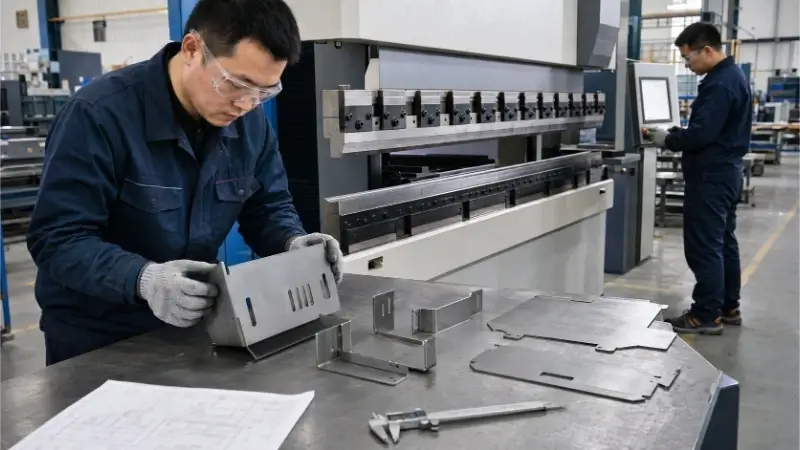
La testurizzazione laser è un processo di preparazione delle superfici senza contatto che utilizza un raggio laser focalizzato per asportare selettivamente il materiale. Consente di creare micro-motivi altamente precisi per migliorare le proprietà funzionali di un componente, quali l’adesione del rivestimento, la bagnabilità e la resistenza all’usura.
A differenza della sabbiatura tradizionale o dell’incisione chimica, questo metodo non richiede materiali di consumo fisici e non lascia residui abrasivi. Per i team di ingegneria e approvvigionamento che stanno passando alla produzione di massa, comprendere come specificare la testurizzazione laser aiuta a ridurre i tassi di scarto dei componenti e a stabilizzare i costi di produzione a lungo termine.

Quali effetti produce la texturizzazione laser sulla superficie?
La testurizzazione laser trasforma fisicamente il metallo senza alcun contatto meccanico. Utilizza energia mirata per creare micro-motivi specifici e profondità di rugosità accuratamente controllate.
Ablazione laser
Il meccanismo fondamentale alla base della testurizzazione laser è l'ablazione laser. Un laser pulsato ad alta energia genera un calore localizzato sufficiente a fondere e vaporizzare istantaneamente uno strato microscopico del materiale.
Trattandosi di un processo senza contatto, elimina l’usura degli utensili tipica della rettifica meccanica. La zona termicamente alterata (HAZ) viene solitamente mantenuta entro pochi micron, il che impedisce la deformazione termica, rendendolo particolarmente adatto per i pezzi più sottili componenti in lamiera.
Ruvidità della superficie
Regolando i parametri della macchina, quali la durata dell'impulso e la velocità di scansione, gli operatori possono controllare con precisione la rugosità superficiale risultante. Il processo consente di ottenere in modo costante valori specifici di Ra (rugosità media), che in genere variano da 0,5 µm a oltre 10 µm.
Questo controllo numerico facilita il rispetto delle tolleranze tecniche precise richieste dai rigorosi standard aerospaziali o medici in materia di rivestimenti. Riduce in modo significativo le variazioni da lotto a lotto che si riscontrano spesso nella preparazione manuale delle superfici.
Micromotivo
A differenza della sabbiatura, che crea una finitura abrasiva casuale, il laser genera un micro-motivo controllato. Il software della macchina guida il raggio in modo da formare sul metallo geometrie precise e ripetibili, come micro-fossette o scanalature incrociate.
Inoltre, la texturizzazione laser è programmabile. Gli ingegneri possono progettare texture direzionali, che risultano estremamente utili per guidare il flusso dei fluidi, trattenere i lubrificanti o conferire specifiche proprietà antiscivolo a un componente.
Profondità della trama
La profondità della struttura è direttamente correlata alla potenza erogata dal laser e al numero di passaggi effettuati sul materiale. Per la preparazione standard del rivestimento, le profondità variano solitamente da 10 a 50 micron.
Sebbene sia possibile far penetrare il laser a una profondità maggiore, ciò comporta un aumento significativo della durata del ciclo e può causare tensioni interne indesiderate nel materiale. Gli ingegneri dovrebbero specificare la profondità minima necessaria per raggiungere l'obiettivo funzionale, al fine di mantenere ragionevoli i costi di produzione in serie.
Perché la testurizzazione laser favorisce il rivestimento e l'incollaggio?
Una superficie pulita e irruvidita è alla base di un’adesione meccanica affidabile. Questa irruviditura precisa migliora attivamente la bagnabilità e fa aderire saldamente i rivestimenti al metallo.
Adesione del rivestimento
L'applicazione di vernici in polvere o vernici industriali su una superficie metallica liscia comporta spesso una scarsa adesione e, di conseguenza, il distacco del rivestimento. La testurizzazione laser risolve questo problema aumentando la superficie complessiva e creando microcavità.
Quando il rivestimento viene applicato, il materiale penetra in queste cavità e si indurisce, creando un solido incastro meccanico. Questo metodo è particolarmente indicato per componenti esposti ad ambienti esterni o industriali difficili, dove è richiesta una lunga durata del rivestimento.
Collante adesivo
Negli assemblaggi che prevedono l'uso di adesivi industriali, l'integrità strutturale del giunto dipende in larga misura dalla preparazione della superficie. I micro-motivi generati dal laser forniscono un profilo di ancoraggio strutturato per l'adesivo.
Rispetto alle superfici non trattate, la testurizzazione laser può aumentare in modo significativo la resistenza al taglio. Ancora più importante, spesso fa passare la modalità di rottura da una rottura adesiva (stacco della colla) a una rottura coesiva (lacerazione della colla stessa), che rappresenta lo standard ingegneristico per un incollaggio sicuro.
Spruzzatura termica
I processi di spruzzatura termica richiedono un substrato altamente irruvidito affinché le particelle spruzzate di elevato spessore possano aderire correttamente. La testurizzazione laser genera i profili profondi necessari senza il rischio di incorporare particelle estranee nel substrato metallico, il che potrebbe causare il cedimento prematuro del rivestimento.
Inoltre, poiché il laser non esercita un impatto fisico ad alta pressione sul pezzo, è molto più sicuro per la lavorazione di componenti in lamiera a pareti sottili. Evita così le deformazioni e le distorsioni comunemente causate dalla sabbiatura aggressiva.
Energia superficiale
Oltre a conferire rugosità fisica, l'ablazione laser pulisce attivamente la superficie vaporizzando gli ossidi superficiali, gli oli residui e i contaminanti organici. Questo processo modifica l'energia superficiale del metallo, rendendolo in genere più idrofilo.
Una maggiore energia superficiale migliora la bagnabilità del metallo. Ciò significa che gli adesivi e i rivestimenti si distribuiscono uniformemente sulla superficie anziché formare gocce, con il risultato diretto di una riduzione delle sacche d’aria e dei difetti nella finitura finale.
Texturizzazione laser vs sabbiatura, incisione e molatura
Nel valutare i metodi di preparazione delle superfici, gli ingegneri devono trovare un equilibrio tra costi, precisione e vincoli fisici. Ecco come la lavorazione laser si confronta con le alternative di produzione tradizionali.
Sabbiatura
Sabbiatura rimane lo standard del settore per la irruviditura di superfici in serie grazie ai bassi costi di configurazione e all’elevata produttività. Tuttavia, l’impatto fisico ad alta pressione rappresenta un grave inconveniente per le lamiere di precisione e i pezzi stampati, causando spesso deformazioni o alterazioni dimensionali.
La sabbiatura lascia inoltre particelle abrasive microscopiche incastrate nel metallo, che possono causare il distacco del rivestimento in presenza di sollecitazioni. La testurizzazione laser evita del tutto l’impatto fisico e lascia una superficie priva di residui, rendendola un processo molto più sicuro per componenti a pareti sottili o di alta precisione.
Incisione chimica
L'incisione chimica è particolarmente indicata per la lavorazione simultanea di grandi lotti o per raggiungere cavità interne non accessibili al raggio laser. Lo svantaggio principale è rappresentato dai rigorosi requisiti di conformità ambientale richiesti per la gestione e lo smaltimento dei bagni acidi, che comportano un aumento dei costi generali.
La testurizzazione laser è un processo a secco che elimina gli scarti chimici, ma è strettamente limitata dalla linea di vista. Se il laser non riesce fisicamente a “vedere” la superficie di destinazione — come l’interno di un tubo piegato o un sottosquadro profondo — non può testurizzarla.
Rettifica meccanica
L'uso di utensili rotanti o nastri abrasivi è una pratica comune per la preparazione localizzata delle superfici. Il problema principale è l'uniformità. La levigatura manuale dipende in larga misura dall'abilità dell'operatore e spesso compromette le tolleranze ristrette a livello micrometrico appena ottenute durante la lavorazione CNC.
Poiché la texturizzazione laser è controllata da CNC, elimina l’errore umano e l’usura fisica degli utensili. Ciò garantisce che il profilo superficiale del diecimilaesimo pezzo sia identico a quello del primo, senza compromettere le dimensioni di lavorazione sottostanti.
Controllo dei processi
Sebbene le apparecchiature per la testurizzazione laser richiedano un investimento iniziale (Capex) più elevato rispetto a una cabina di sabbiatura, non consumano alcun materiale di lavorazione e non generano rifiuti pericolosi.
Nel caso di produzioni su larga scala, ciò consente di stabilizzare i costi operativi (Opex). La natura digitale del processo lo rende inoltre particolarmente adatto all’integrazione in celle di produzione robotizzate automatizzate, eliminando la variabilità derivante dalla movimentazione e dalla mascheratura manuali.

Note di disegno per le aree con texture laser
Una comunicazione chiara sui disegni di produzione evita costose rilavorazioni. Per ottenere i risultati più accurati da un partner di produzione, i progettisti dovrebbero definire i requisiti relativi alla texturizzazione laser utilizzando controlli geometrici standard.
Zona Texture
Anziché limitarsi a una generica indicazione del tipo “preparare la superficie per l’incollaggio”, gli ingegneri devono definire con esattezza i confini dell’area strutturata.
Indicare le dimensioni specifiche utilizzando il tratteggio locale sul disegno 2D oppure associare la zona a una superficie di riferimento specifica sul modello 3D. In questo modo si indica al programmatore laser il punto esatto in cui agire, evitando che la macchina elabori aree non necessarie e sprechi tempo di ciclo.
Area senza texture
Con la sabbiatura tradizionale, proteggere determinate aree richiede lavoro manuale e nastri di mascheratura specializzati. Con la testurizzazione laser, la “mascheratura” è praticamente gratuita: viene eseguita nel software semplicemente programmando il laser affinché non intervenga in quelle aree.
Indicare chiaramente le superfici di accoppiamento critiche, i fori filettati e le scanalature per gli O-ring come “Aree senza texture”. Ciò garantisce che le tolleranze di lavorazione originali in queste zone funzionali rimangano completamente inalterate.
Direzione della trama
Poiché il laser crea micro-motivi specifici anziché un'abrasione casuale, è proprio la direzione del motivo a determinare le prestazioni del componente.
Se l'assieme richiede un drenaggio mirato dei fluidi, coefficienti di attrito specifici o uno scorrimento direzionale, il disegno deve specificare l'orientamento del motivo a tratteggio incrociato o delle scanalature lineari. Indicare tale orientamento rispetto a un bordo di riferimento specifico riportato sul disegno.
Profondità della trama
Specificare il valore richiesto della rugosità media (Ra) oppure la profondità fisica delle micro-fossette in micron.
È importante tenere presente che richiedere una texture più profonda comporta un maggior numero di passaggi del laser, il che aumenta direttamente la durata del ciclo di produzione. Specificare una profondità della texture eccessiva allunga inutilmente la durata del ciclo. È opportuno progettare in base al requisito funzionale minimo, anziché alla profondità massima, per mantenere competitivi i costi per singolo pezzo.
Controllare il materiale e la forma del pezzo prima della lavorazione
Il coefficiente di assorbimento ottico e la conducibilità termica di un materiale determinano le impostazioni della macchina e la qualità finale della finitura. Inoltre, la forma fisica del pezzo determina la facilità con cui il laser può raggiungere l'area di lavoro.
Acciaio inox
L'acciaio inossidabile assorbe efficacemente le lunghezze d'onda standard dei laser a fibra a infrarossi, rendendolo uno dei materiali più facili da testurizzare. Il processo è altamente stabile e prevedibile.
Tuttavia, nella lavorazione di lamiere sottili — in particolare di spessori inferiori a 2 mm — gli operatori devono gestire con attenzione la durata dell’impulso laser. Un eccessivo accumulo localizzato di calore può causare deformazioni, vanificando completamente le tolleranze di planarità ottenute nelle precedenti fasi di stampaggio o taglio.
Alluminio
L'alluminio pone una sfida diversa a causa della sua elevata riflettività e della rapida conduttività termica. Il laser richiede un'elevata potenza di picco per superare rapidamente la soglia di ablazione prima che il calore si disperda nel metallo circostante.
Se i parametri non sono corretti, il calore si diffonde anziché vaporizzare la superficie. Ciò può causare la formazione di microfessurazioni all’interno della zona trattata o ammorbidire la lega di alluminio sottostante. Una corretta regolazione dei parametri è fondamentale per mantenere l’integrità strutturale del pezzo.
Titanio
Ampiamente utilizzato nell'industria aerospaziale e in quella medica, il titanio è altamente reattivo al calore e si ossida rapidamente. La testurizzazione laser è estremamente efficace per aumentare la resistenza di adesione e la biocompatibilità del titanio.
A causa della sua sensibilità al calore, il processo richiede un controllo rigoroso della zona termicamente alterata (HAZ) per evitare che la superficie diventi fragile. I parametri del laser devono essere regolati con precisione per ottenere la texture desiderata senza compromettere le proprietà meccaniche della lega.
Linea di vista
Un raggio laser si propaga in linea retta. Se la lente ottica non riesce a “vedere” la superficie del bersaglio, non può elaborarla. I fori ciechi profondi, gli angoli interni acuti e l’interno di tubi stretti sono generalmente fuori dalla portata della texturizzazione laser.
Inoltre, le teste laser 2D standard funzionano solo su piani piatti. Se il pezzo presenta curve complesse o elementi cilindrici, l’impianto di produzione avrà bisogno di una lente con messa a fuoco dinamica 3D o di una configurazione con asse rotante. Per mantenere bassi i costi di produzione, gli ingegneri dovrebbero progettare, ove possibile, le zone di texture su superfici piatte e facilmente accessibili.

Controlli sui costi e sulla qualità prima della produzione
Il passaggio da un singolo prototipo alla produzione in serie richiede una rigorosa convalida dei processi. La verifica di questi parametri critici garantisce un ciclo produttivo economicamente vantaggioso e altamente ripetibile.
Area texture
Nella lavorazione laser, la durata del ciclo — e quindi il costo — varia in modo direttamente proporzionale alle dimensioni dell’area da lavorare. Ogni millimetro quadrato aumenta il tempo di percorrenza del laser.
Per ottimizzare i costi per singolo pezzo, gli ingegneri dovrebbero calcolare la superficie minima necessaria per ottenere la resistenza al taglio dell’adesivo o l’adesione del rivestimento richieste. Applicare la texture solo sull’area funzionale, mai sull’intero pezzo.
Tempo di ciclo
La texturizzazione laser è generalmente più lenta, per pollice quadrato, rispetto alla sabbiatura di massa. Se la fase di texturizzazione diventa un collo di bottiglia sulla linea di assemblaggio, i costi per pezzo aumenteranno.
I produttori possono ottimizzare questo aspetto regolando la spaziatura delle linee (la distanza tra le linee laser). Aumentando la spaziatura delle linee di soli 0,05 mm è possibile ridurre significativamente il tempo di ciclo, ma tale regolazione deve sempre essere verificata in relazione alla resistenza di incollaggio richiesta, per garantire che le prestazioni non ne risentano.
Prova di rugosità
Per verificare la rugosità media (Ra) sui micro-motivi è necessario disporre dell'attrezzatura adeguata. I profilometri a stilo a contatto standard spesso hanno difficoltà a misurare con precisione le strutture laser, poiché l'ago fisico è solitamente troppo largo per inserirsi nelle microscopiche scanalature laser.
Per i componenti critici del settore aerospaziale o medico, i profilometri ottici 3D o i microscopi confocali forniscono dati topografici molto più affidabili. Assicuratevi che il vostro partner di produzione disponga delle apparecchiature di metrologia in grado di verificare specifici micro-motivi.
Approvazione del campione
Non passare mai alla produzione in serie basandosi esclusivamente su ispezioni visive di una superficie ruvida. Una superficie che a occhio nudo appare ruvida potrebbe non garantire il corretto aggancio meccanico per il vostro specifico adesivo.
Eseguire sempre un’ispezione del primo articolo (FAI) che includa prove distruttive. Lavorare un lotto campione, applicare il rivestimento o l’adesivo strutturale effettivo ed eseguire prove di distacco o di taglio. Fissare i parametri del laser solo dopo che i dati funzionali abbiano dimostrato che l’incollaggio soddisfa i requisiti tecnici.
Conclusione
La testurizzazione laser è un metodo altamente preciso e ripetibile per la preparazione delle superfici metalliche. Sostituendo gli abrasivi fisici e i prodotti chimici con il controllo digitale CNC, elimina i costi dei materiali di consumo, i rischi ambientali e i rischi dimensionali legati alla sabbiatura tradizionale.
Sebbene richieda un'attenzione particolare alle proprietà dei materiali, ai tempi di ciclo e ai vincoli legati alla linea di vista, offre una stabilità senza pari per la produzione su larga scala. Quando la geometria dei pezzi e i parametri di processo sono ottimizzati, riduce drasticamente i difetti di rivestimento e stabilizza i costi di produzione a lungo termine.
Vuoi ottimizzare la preparazione delle superfici?
Inviateci i vostri file CAD e le vostre specifiche di produzione. Il nostro team di ingegneri valuterà la producibilità (DFM) del vostro componente e vi aiuterà a stabilire se la texturizzazione laser o una finitura tradizionale rappresenti la soluzione più conveniente per il vostro prossimo ciclo di produzione.
Domande frequenti
Qual è la differenza tra la testurizzazione laser e l'incisione laser?
L'incisione laser rimuove il materiale per creare segni profondi e visibili, come numeri di serie, codici a barre o loghi, a scopo identificativo. La testurizzazione laser utilizza un'ablazione precisa per creare motivi microscopici e uniformi su un'area designata, con l'obiettivo specifico di alterare le proprietà fisiche o chimiche della superficie — quali l'attrito, la bagnabilità o l'adesione — piuttosto che per l'identificazione visiva.
La texturizzazione laser modifica le dimensioni del pezzo lavorato?
Sì, ma solitamente in misura trascurabile. L'ablazione laser rimuove uno strato microscopico di materiale, in genere con una profondità compresa tra 10 e 50 micron. Per la stragrande maggioranza delle applicazioni, ciò non interferisce con le tolleranze di lavorazione standard, ma deve essere tenuto in considerazione nel caso di componenti ultraprecisi.
La texturizzazione laser può pulire il pezzo allo stesso tempo?
Sì. Poiché l'ablazione vaporizza lo strato superiore del materiale, elimina contemporaneamente gli ossidi superficiali, la ruggine leggera e i residui di oli da lavorazione. Il risultato è una superficie estremamente pulita e ruvida, pronta per l'incollaggio immediato.
La texturizzazione laser è più economica della sabbiatura?
Per lotti piccoli e sporadici, la sabbiatura risulta solitamente più economica grazie al minor costo delle attrezzature. Tuttavia, per la produzione di massa in serie, la texturizzazione laser diventa spesso più conveniente. Essa stabilizza i costi operativi eliminando le spese ricorrenti relative ai materiali abrasivi, allo smaltimento dei prodotti chimici, alla manodopera necessaria per la mascheratura manuale e alla rilavorazione dei pezzi causata dai danni provocati dagli abrasivi.
Ciao, sono Kevin Lee
Negli ultimi 10 anni mi sono immerso in varie forme di lavorazione della lamiera, condividendo qui le mie esperienze in diverse officine.
Contattate
Kevin Lee
Ho oltre dieci anni di esperienza professionale nella fabbricazione di lamiere, con specializzazione nel taglio laser, nella piegatura, nella saldatura e nelle tecniche di trattamento delle superfici. In qualità di direttore tecnico di Shengen, mi impegno a risolvere sfide produttive complesse e a promuovere innovazione e qualità in ogni progetto.
Risorsa correlata
Materiali per la prototipazione: come scegliere il materiale giusto
Giunzioni a pressione nella lavorazione della lamiera: progettazione, costi e qualità
Acciaio 4140 vs. 4130: lavorazione, saldatura e scelta