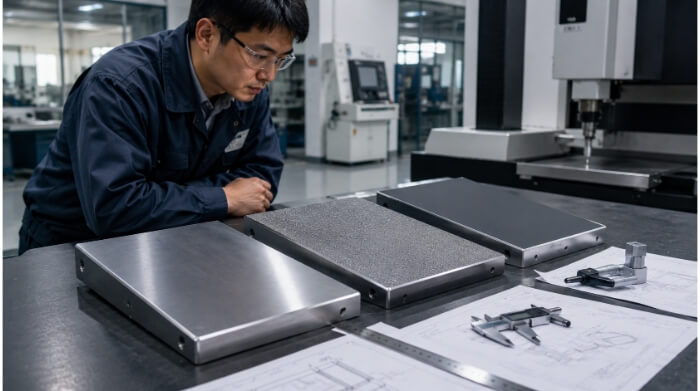
Ricottura e rinvenimento sono entrambi processi di trattamento termico, ma affrontano problemi diversi. Nella produzione, confonderli può portare a condizioni sbagliate del materiale, a un lavoro a valle più difficile o a un pezzo che non funziona come previsto.
La vera domanda non è quale processo sia migliore. La vera domanda è di cosa ha bisogno il pezzo ora. La ricottura viene solitamente utilizzata per rendere il metallo più morbido, meno sollecitato e più facile da lavorare. Il rinvenimento viene solitamente utilizzato per rendere meno fragile un pezzo temprato, pur mantenendo la durezza utile.

Che cos'è la ricottura rispetto al rinvenimento?
Sia la ricottura che il rinvenimento utilizzano il riscaldamento e il raffreddamento controllati, ma sono utilizzati in momenti diversi della produzione e per ottenere risultati diversi.
Cosa fa la ricottura?
La ricottura viene utilizzata principalmente per rendere il metallo più morbido e meno sollecitato. Il materiale viene riscaldato, mantenuto e poi raffreddato in modo controllato, di solito lentamente.
In produzione, la ricottura viene spesso utilizzata quando le fasi precedenti, come la lavorazione a freddo, la laminazione, la trafilatura o la saldatura hanno reso il materiale troppo duro o instabile per l'operazione successiva. Quando ciò accade, la lavorazione diventa più difficile, la formatura più rischiosa e la cricca più probabile.
Per questo motivo la ricottura viene spesso utilizzata prima della lavorazione o della formatura. Il suo scopo principale è quello di migliorare la lavorabilità, ridurre la durezza e alleviare le tensioni interne.
Cosa fa la tempra?
Il rinvenimento viene utilizzato principalmente dopo la tempra. Un pezzo temprato può avere una durezza e una resistenza elevate, ma può anche essere troppo fragile per un uso sicuro.
Il rinvenimento riscalda il pezzo indurito a una temperatura inferiore a quella della fase di tempra, la mantiene e poi la raffredda nuovamente. Di solito il pezzo perde un po' di durezza ma guadagna in tenacità, diventando meno soggetto a crepe o cedimenti sotto carico.
Il suo scopo non è quello di rendere il pezzo facile da formare o da lavorare. Lo scopo è quello di rendere un pezzo temprato più affidabile, mantenendo una durezza sufficiente per il servizio.
Perché non sono lo stesso processo?
Ricottura e rinvenimento non sono opzioni intercambiabili, ma processi distinti. Partono da condizioni del materiale diverse e mirano a risultati diversi.
La ricottura viene solitamente scelta quando è necessario rendere il metallo più facile da lavorare. Il rinvenimento viene scelto quando un pezzo indurito deve diventare meno fragile. Uno dei due aspetti riguarda principalmente la lavorabilità. L'altro riguarda principalmente l'equilibrio delle proprietà dopo la tempra.
Un modo semplice per ricordarlo è il seguente: la ricottura aiuta il metallo a muoversi nella produzione, mentre il rinvenimento aiuta un pezzo temprato a funzionare in modo più sicuro in servizio.
Perché si usano la ricottura e il rinvenimento?
Questi processi sono utilizzati perché il metallo non sempre esce da una fase nelle giuste condizioni per la successiva. Un pezzo può diventare troppo duro per essere lavorato, troppo fragile per essere utilizzato o troppo sollecitato per rimanere stabile. La ricottura e il rinvenimento sono entrambi utilizzati per correggere questo problema, ma per ragioni diverse.
Per migliorare la lavorabilità e la formabilità
La ricottura viene spesso utilizzata quando il materiale è diventato troppo duro o è stato lavorato in modo eccessivo, rendendo più fluida la lavorazione a valle. Ciò si manifesta solitamente con una maggiore forza di taglio, un'usura più rapida degli utensili, una formazione instabile di trucioli o un rischio più elevato di cricche durante la piegatura e lo stampaggio.
In questa situazione, il materiale non è nelle migliori condizioni per la fase successiva. La ricottura contribuisce ad ammorbidire il metallo, a migliorare la duttilità e a rendere il processo più facile da controllare. In molti progetti, questo è il motivo principale per cui la ricottura viene aggiunta prima di ulteriori lavorazioni o formature.
Per ridurre la fragilità dopo l'indurimento
Il rinvenimento è spesso utilizzato perché la sola tempra non sempre produce un pezzo utilizzabile. Un pezzo temprato può avere una durezza elevata, ma essere ancora troppo fragile per gli urti, i carichi ripetuti o l'uso reale.
È qui che si rende necessario il rinvenimento. Riduce la fragilità e migliora la tenacità, mantenendo la durezza utile. Per molti componenti temprati, questo equilibrio è più importante della durezza massima in sé.
Per controllare le sollecitazioni e la stabilità delle parti
Le tensioni residue possono accumularsi dopo la lavorazione a freddo, la trasformazione, la saldatura, la formatura e la tempra. Anche se all'inizio il pezzo sembra a posto, queste sollecitazioni possono manifestarsi in seguito come movimenti durante la lavorazione, distorsioni dopo la rimozione del materiale o cricche durante le operazioni successive.
La ricottura è spesso utilizzata per alleviare le tensioni prima della fase successiva del processo. Anche il rinvenimento può ridurre le sollecitazioni, ma soprattutto nei pezzi temprati che, dopo la tempra, rimangono in una condizione di fragilità e di forte stress. Per questo motivo entrambi i processi possono migliorare la stabilità, ma partendo da punti di partenza diversi.
Il punto di vista pratico è semplice. La ricottura viene solitamente utilizzata quando la fase successiva richiede una condizione più morbida e stabile del materiale. Il rinvenimento viene solitamente utilizzato quando un pezzo temprato necessita di un equilibrio più sicuro tra durezza e tenacità prima del servizio.
In che modo questi processi modificano le proprietà dei metalli?
Sia la ricottura che il rinvenimento modificano le proprietà del metallo, ma non spingono il materiale nella stessa direzione. La ricottura di solito prepara il metallo per la fase successiva. Il rinvenimento di solito migliora le condizioni di servizio di un pezzo temprato.
Durezza
La ricottura di solito riduce la durezza, quindi il materiale diventa più facile da tagliare, curva, O modulo. Ciò è importante quando la lavorazione risulta pesante, l'usura degli utensili aumenta troppo rapidamente o la formatura diventa instabile.
Anche la tempra riduce la durezza, ma per un motivo diverso. Si usa per riportare un pezzo temprato a una condizione di eccessiva fragilità. In parole povere, la ricottura riduce la durezza per la lavorabilità, mentre il rinvenimento la riduce per l'affidabilità.
La robustezza
La ricottura può rendere il materiale meno sensibile alle cricche durante la manipolazione o la formatura, ma questo è di solito un vantaggio secondario. Il suo valore principale resta la migliore lavorabilità e la riduzione delle tensioni interne.
Il rinvenimento ha un legame molto più forte con la tenacità utile. Un pezzo temprato può sembrare forte sulla carta, ma scheggiarsi, incrinarsi o cedere troppo facilmente in servizio. Il rinvenimento migliora la tenacità, consentendo al pezzo di sopportare carichi, urti o sollecitazioni ripetute in modo più sicuro.
Duttilità
La ricottura di solito aumenta la duttilità. Ciò rende il materiale più facile da piegare, francobollodisegnare o rimodellare senza incrinarsi.
Il rinvenimento non ha lo stesso ruolo. Può migliorare l'equilibrio di un pezzo temprato, ma non viene scelto principalmente per rendere il materiale più facile da formare. Se il vero problema è la formabilità, la ricottura è di solito il processo più importante.
Sollecitazione residua
La ricottura viene spesso utilizzata per ridurre le tensioni residue derivanti da lavorazioni a freddo, saldature, lavorazioni meccaniche o da una precedente formatura. Ciò è importante quando i pezzi si muovono dopo l'asportazione, si deformano nelle fasi successive o escono dalla tolleranza durante la lavorazione.
Anche il rinvenimento contribuisce a ridurre le sollecitazioni, ma soprattutto nei pezzi temprati. Allevia la condizione di fragilità e di forte stress lasciata dalla tempra, rendendo il pezzo meno fragile e più stabile nell'uso.
Lavorabilità
La ricottura spesso migliora la lavorabilità perché il materiale diventa più morbido e prevedibile durante il taglio. Ciò può ridurre il carico dell'utensile, diminuire l'usura, migliorare il controllo del truciolo e rendere la lavorazione più facile da ripetere.
La tempra di solito non viene scelta per questo scopo. Un pezzo temprato può essere lavorato meglio di uno completamente temprato, ma non è comunque la stessa cosa di un materiale intenzionalmente ammorbidito per facilitare il taglio. Se la difficoltà di lavorazione è il principale segnale di allarme, la ricottura è di solito il primo processo da valutare.
La differenza pratica è evidente. La ricottura di solito ammorbidisce il metallo, rendendolo più lavorabile e meno soggetto a sollecitazioni durante la fase di produzione successiva. La tempra di solito migliora l'equilibrio tra durezza e tenacità per l'uso reale.
Quando scegliere la ricottura?
La ricottura ha senso quando le condizioni attuali del materiale rendono la fase successiva più difficile del dovuto. Il suo compito è solitamente quello di migliorare la lavorabilità, non di definire le prestazioni di servizio finali.
Prima della lavorazione o della formatura
La ricottura è spesso una buona scelta prima della lavorazione o della formatura quando il materiale è diventato troppo duro, troppo rigido o troppo sollecitato per essere lavorato o formato senza problemi. Ciò può manifestarsi con un carico di taglio più elevato, un'usura più rapida degli utensili, una formazione instabile di trucioli o un maggior rischio di cricche durante la piegatura o lo stampaggio.
Se il pezzo deve ancora essere sottoposto a diverse operazioni, la ricottura può rendere queste fasi più facili da controllare.
Quando il materiale è troppo difficile da lavorare
Alcuni materiali diventano più difficili da lavorare o da modellare dopo la laminazione, la trafilatura o la lavorazione a freddo. Quando ciò accade, la foratura può rallentare, la fresatura può diventare meno stabile e la formatura può iniziare a lasciare crepe, strappi o condizioni superficiali scadenti.
Questo è un forte segnale per valutare la ricottura. L'obiettivo non è ammorbidire il materiale senza motivo. L'obiettivo è ripristinare una condizione di lavorabilità quando la durezza attuale sta già compromettendo la qualità, la velocità o la stabilità del processo.
Quando è necessario alleviare lo stress
La ricottura va presa in considerazione anche quando le sollecitazioni interne possono influire sulla precisione o sulla stabilità successive. Un pezzo stressato può muoversi durante la lavorazione, distorcersi dopo la rimozione del materiale o creare una deriva dimensionale che diventa più difficile da correggere in seguito.
Ciò è particolarmente importante per i pezzi che necessitano di un controllo della tolleranza più stretto, di un comportamento di formatura più pulito o di una lavorazione a valle più prevedibile.
La regola decisionale è semplice. Scegliere la ricottura quando la fase successiva richiede una condizione del materiale più morbida, meno stressata e più lavorabile.

Quando scegliere la tempra?
Il rinvenimento ha più senso quando il pezzo è già stato temprato e deve diventare meno fragile senza perdere tutta la sua durezza utile. L'obiettivo non è rendere il pezzo morbido. L'obiettivo è rendere il pezzo temprato più affidabile nell'uso reale.
Dopo la tempra
Il rinvenimento viene solitamente scelto dopo la tempra perché la tempra spesso lascia il pezzo in condizioni estreme. Il pezzo può essere duro e resistente, ma anche più sensibile alle cricche e meno tollerante nella manipolazione o nel servizio.
Ecco perché il rinvenimento fa spesso parte del normale percorso di trattamento termico, non è un optional. Una volta che il pezzo è stato temprato, il rinvenimento aiuta a riportarlo a una condizione più utilizzabile.
Quando la mitezza diventa il rischio principale?
Il pezzo più duro non è sempre quello giusto. Se la fragilità è troppo elevata, il pezzo può scheggiarsi sui bordi, incrinarsi sotto gli urti o cedere sotto carichi ripetuti, anche se il risultato della durezza sembra buono.
Questo è un forte indizio di tempra. Il processo migliora la tenacità e riduce il comportamento fragile, consentendo al pezzo di sopravvivere alle condizioni operative reali con un rischio di guasto inferiore.
Quando il pezzo deve mantenere la durezza ma guadagnare in durezza?
Molti componenti temprati hanno ancora bisogno di resistenza all'usura, forza o durezza superficiale. Allo stesso tempo, non possono rimanere troppo fragili. Questo è un caso comune di alberi, utensili, parti soggette a usura e altri componenti sottoposti a carico.
È qui che il rinvenimento diventa la scelta migliore. Aiuta a mantenere la durezza utile, migliorando al contempo la tenacità necessaria per il servizio. In pratica, questo equilibrio di proprietà è spesso più prezioso della ricerca del massimo numero di durezza possibile.
La regola di decisione è semplice. Scegliere il rinvenimento quando il pezzo è già temprato e il problema principale è la fragilità, non la lavorabilità. Se il pezzo deve mantenere la durezza ma diventare più sicuro sotto carico, impatto o uso ripetuto, il rinvenimento è di solito il primo passo giusto.

Errori comuni nel confronto tra ricottura e rinvenimento
Molti errori di trattamento termico non iniziano nel forno. Iniziano prima, quando i team definiscono il problema in modo troppo generico o utilizzano un linguaggio di processo sbagliato.
Trattare entrambi come termini generali di trattamento termico
Un errore comune è quello di considerare la ricottura e il rinvenimento come due opzioni di trattamento termico simili sotto la stessa etichetta generale.
La ricottura viene solitamente utilizzata per rendere il materiale più facile da lavorare, formare o stabilizzare. Il rinvenimento serve di solito a rendere meno fragile un pezzo temprato. Se questi obiettivi vengono combinati, il team può richiedere il trattamento sbagliato e ritrovarsi con una condizione che non è più adatta alla fase successiva.
Ignorare le condizioni di partenza del pezzo
Un altro errore comune è quello di confrontare i due processi senza prima chiedersi in che condizioni si trovi il pezzo.
Questo è importante perché il rinvenimento di solito segue la tempra, mentre la ricottura è spesso utilizzata quando il materiale deve diventare più morbido o meno sollecitato prima di ulteriori lavorazioni. Un trattamento che ha senso per un pezzo in acciaio temprato può avere poco senso per un pezzo che deve ancora essere lavorato, piegato o formato.
Scelta solo in base alla durezza
La durezza è facile da notare, quindi spesso riceve troppa attenzione. I team possono pensare che il risultato più duro sia il migliore, anche quando il vero problema è la fragilità, la lavorabilità, la distorsione o l'equilibrio generale delle proprietà.
Un pezzo può superare un controllo di durezza e creare comunque problemi durante il taglio o l'assistenza perché l'equilibrio tra durezza e tenacità è sbagliato.
Utilizzo di requisiti non chiari nei disegni o nelle RFQ
Le note sul trattamento termico non chiare sono un'altra fonte comune di problemi. Frasi come "trattare termicamente secondo le necessità" o "rendere più duro" non indicano al fornitore il problema da risolvere.
Una richiesta migliore descrive chiaramente l'obiettivo. Il pezzo ha bisogno di una lavorazione più semplice prima della fase successiva? Ha bisogno di una minore fragilità dopo la tempra? Ha bisogno di una riduzione delle tensioni per una migliore stabilità dimensionale?
Il punto chiave è semplice. Ricottura e rinvenimento devono essere confrontati come risposte a diversi problemi di produzione, non come nomi generici di processi.
Come scegliere il processo giusto per il vostro pezzo?
La scelta tra ricottura e rinvenimento diventa molto più semplice se si parte dalle condizioni reali del pezzo. Il modo più rapido per effettuare la scelta è quello di analizzare tre domande in ordine: in che condizioni si trova ora il pezzo, cosa deve succedere dopo e quale proprietà conta di più alla fine.
Iniziare con le condizioni del materiale e del pezzo
Iniziare dalle condizioni attuali del pezzo. Il materiale è ancora abbastanza morbido da poter essere lavorato o formato, oppure è diventato duro, stressato e difficile da lavorare? Il pezzo è già stato temprato o è ancora in una fase iniziale della produzione?
Questo primo controllo elimina la maggior parte della confusione. Se il pezzo è già temprato e ora sembra troppo fragile per un uso sicuro, il rinvenimento è di solito il punto di partenza migliore. Se il materiale è troppo duro o troppo sollecitato per una lavorazione liscia a valle, la ricottura è di solito più pertinente.
Concentratevi su ciò che la parte deve fare dopo
La domanda successiva è cosa deve fare il pezzo dopo questa fase. Se deve ancora essere lavorato, piegato, stampato o formato, una condizione più morbida e stabile del materiale di solito aggiunge più valore. Di solito si opta per la ricottura.
Se il pezzo è già vicino alla condizione finale e ora deve sopportare carichi, usura, urti o ripetute sollecitazioni di servizio, la decisione cambia. Di solito si opta per il rinvenimento.
Confermare il requisito finale della proprietà
Dopodiché, riportare la decisione all'obiettivo reale. Il pezzo ha bisogno di una migliore lavorabilità, di una formatura più facile, di minori sollecitazioni interne o di un migliore controllo dimensionale? Oppure deve mantenere la durezza e diventare meno fragile in servizio?
Questa fase è importante perché un linguaggio ampio sul trattamento termico spesso nasconde la vera necessità. Una volta chiarito l'obiettivo della proprietà, la scelta del processo diventa di solito molto più diretta.
Verificate il processo con il vostro fornitore
Anche quando la direzione sembra chiara, vale la pena di verificare il processo con il fornitore o il team di ingegneri. Il tipo di materiale, lo spessore, la lavorazione precedente e l'utilizzo finale possono influire sulla validità del percorso previsto.
Una breve revisione può evitare ipotesi sbagliate, formulazioni poco chiare della RFQ o rielaborazioni successive. Nella produzione reale, la scelta migliore è quella che corrisponde sia alle condizioni del pezzo che alla sequenza di produzione.
La logica di selezione è semplice. Se la fase successiva richiede una migliore lavorabilità, una minore sollecitazione o una più facile formatura e lavorazione, si inizia valutando la ricottura. Se il pezzo è già temprato e ora ha bisogno di una minore fragilità, pur mantenendo la durezza utile, si inizia a valutare il rinvenimento. Una volta chiarite le condizioni del pezzo e l'obiettivo finale di proprietà, di solito è molto più facile individuare la strada giusta.
Conclusione
La ricottura e il rinvenimento sono entrambi processi di trattamento termico, ma hanno scopi diversi. La ricottura viene solitamente scelta quando il metallo deve diventare più morbido, meno sollecitato e più facile da lavorare o formare. Il rinvenimento viene scelto quando un pezzo temprato deve diventare meno fragile, pur mantenendo una durezza e una resistenza utili.
Non siete sicuri che la ricottura o il rinvenimento siano adatti al vostro pezzo? Il nostro team di ingegneri può esaminare il materiale, le condizioni del pezzo e le esigenze di produzione per aiutarvi a scegliere un trattamento termico più pratico. Inviateci il vostro disegno o i dettagli del progettoe ottenere supporto per la producibilità, la selezione del processo e la quotazione.
Ciao, sono Kevin Lee

Negli ultimi 10 anni mi sono immerso in varie forme di lavorazione della lamiera, condividendo qui le mie esperienze in diverse officine.
Contattate
Kevin Lee
Ho oltre dieci anni di esperienza professionale nella fabbricazione di lamiere, con specializzazione nel taglio laser, nella piegatura, nella saldatura e nelle tecniche di trattamento delle superfici. In qualità di direttore tecnico di Shengen, mi impegno a risolvere sfide produttive complesse e a promuovere innovazione e qualità in ogni progetto.
Risorsa correlata
Giunzioni a pressione nella lavorazione della lamiera: progettazione, costi e qualità
Acciaio 4140 vs. 4130: lavorazione, saldatura e scelta
Rilievi di piegatura della lamiera: dimensioni, forme e regole DFM